 Preview
 Send
Send Share
Share
 Details

 Download
 Similars
 X-Ray
X-Ray Diaporama
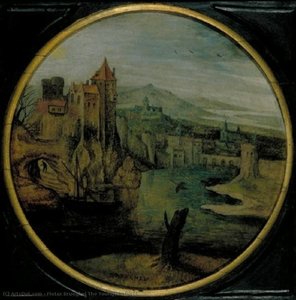
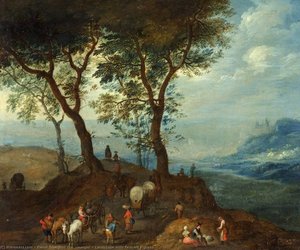
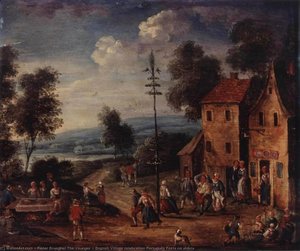
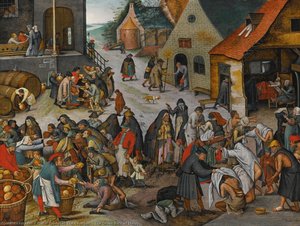
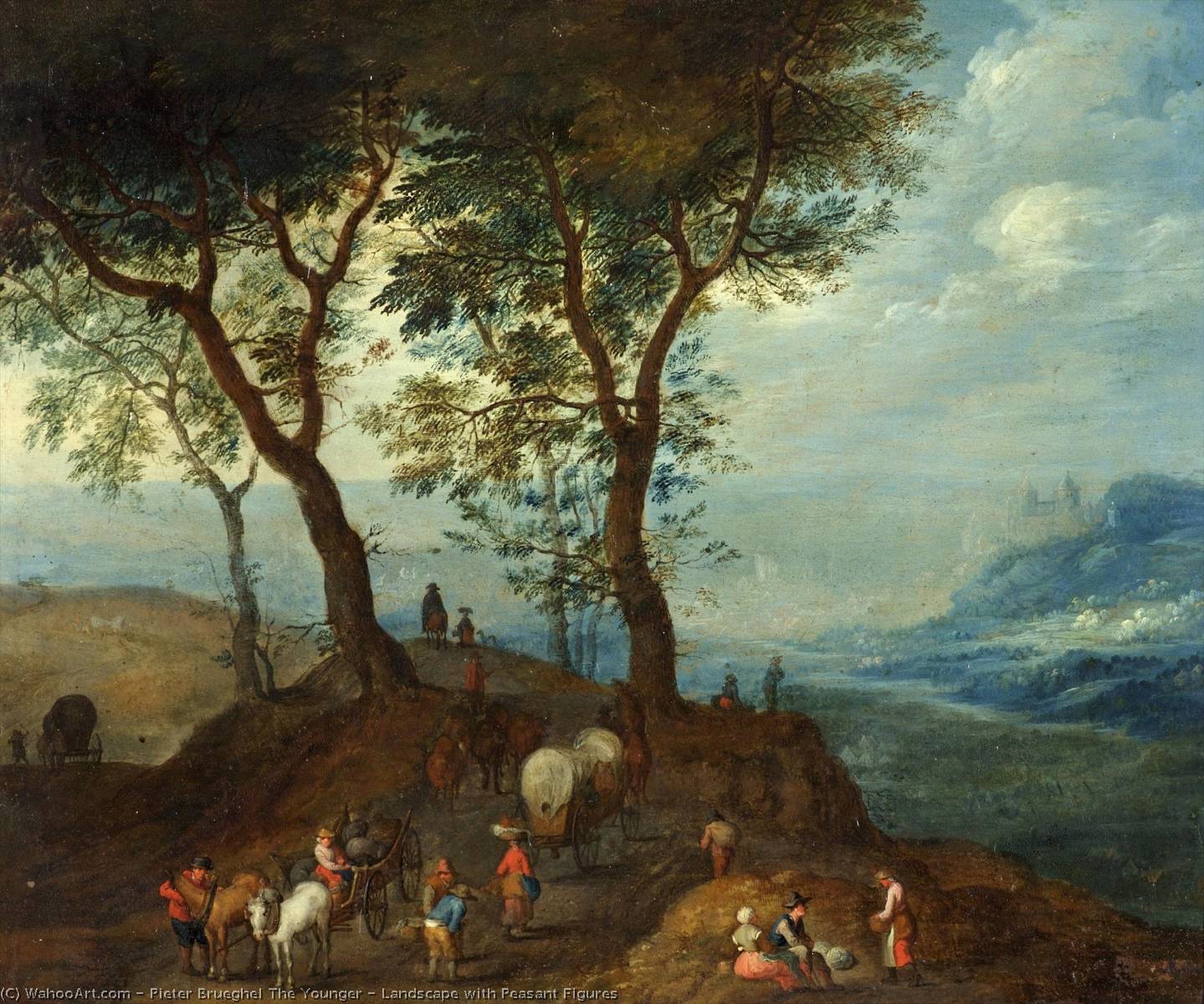
Landscape with Peasant Figures
 25.0 x 30.0 cm
 Russell-cotes Art Gallery And Museum
 Read More
Hand Made Oil Reproduction
Hand-painted oil on canvas in your size and frame, made to order by our artists. ( Buy Print Buy Image)




































Pick from our preset sizes that match the artwork's original proportions.

You may enter your own dimensions to fit a specific frame or space. If your selected size does not match the original image's proportions, we will either crop the artwork or extend the painting with additional hand-painted elements. A digital mockup will be sent for your approval before production begins.
Please note that the on-screen preview does not reflect the actual cropping or extension. Only the mockup will accurately show the final composition.
While custom sizes are available, we recommend selecting a dimension from the predefined list to preserve the original proportions.
After order, ArtsDot.com team will email client for instructions and provide a mockup preview
Worldwide Delivery () in 3/4 weeks instead of standard 5 weeks. (22 August). No compromise on quality.

Free Worldwide Express Shipping

High-Quality Linen Canvas

Full Shipping Insurance

Customs Tax Refund Guarantee

True Color Matching Guarantee

60-Day Return Policy (Defects Only)

100% Money-Back Guarantee

Bulk Discount Offer
 Glass option is only available in size under 110 CM

Landscape with Peasant Figures
Reproduction Medium
Reproduction Size
-


Total Price
$ 263
Related Artworks









Artist Biography
The Legacy of a Flemish Master: Pieter Brueghel the Younger
In the vibrant, bustling heart of the sixteenth-century Flemish art scene, few names resonate with as much enduring charm and industrious brilliance as Pieter Brueghel the Younger. Born in Brussels around 1564, his life was inextricably woven into the very fabric of the Northern Renaissance. As the eldest son of the legendary Pieter Bruegel the Elder, the young artist inherited more than just a surname; he inherited a visual language of profound depth and a profound connection to the rhythms of rural existence. His early years were shaped by a household steeped in creativity, nurtured by his mother, Mayken Coceke van Aelst—an accomplished miniature painter—and guided by the foundational artistic wisdom of his grandmother, Mayken Verhulst. This lineage provided him with a unique vantage point, allowing him to view the world through a lens that blended meticulous technical precision with a deep, empathetic understanding of the human condition.
The trajectory of his life took a pivotal turn following the untimely passing of his father in 1569. Relocating to the thriving artistic hub of Antwerp alongside his siblings, Pieter entered a period of intense professional development. It was here that he sought formal training under the master Gillis van Coninxloo, an experience that proved transformative. Under this tutelage, he mastered the delicate art of landscape painting, learning to manipulate light and atmosphere to create textural depth and a sense of sprawling, immersive space. This period in Antwerp was not merely about personal growth but also about establishing a professional identity that would eventually lead to the creation of one of the most successful artistic workshops in European history.
A Workshop of Infinite Detail and Narrative
While many artists are remembered for a singular, isolated genius, Brueghel the Younger’s greatness lies in his ability to sustain and expand an entire aesthetic movement. His workshop in Antwerp became a veritable powerhouse of artistic production, estimated to have contributed to the existence of some 1,400 paintings. This prolific output was not merely about quantity; it was about the international dissemination of the "Bruegelian" style. He became a master of both original compositions and highly skilled copies after his father’s most iconic works. Through these pieces, he breathed new life into scenes of peasant festivities, winter landscapes, and biblical allegories, ensuring that the profound social commentaries and rustic beauty pioneered by his father reached audiences across the continent.
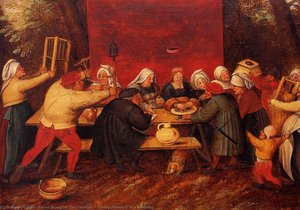
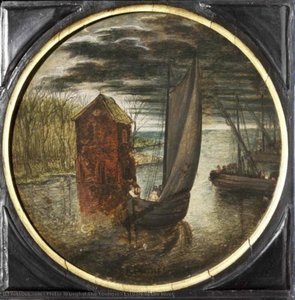
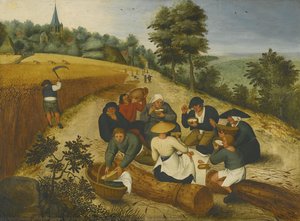
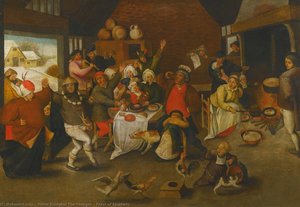
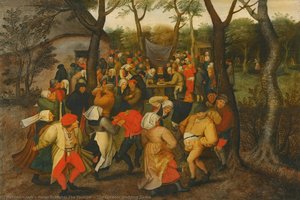
His work often captures a symphony of daily life, where the boundaries between labor and leisure seem to dissolve into a rhythmic dance of human existence. Whether depicting the joyous chaos of Giving Presents at a Wedding or the serene, chilling stillness of a winter stream, his brushwork remains attentive to the smallest detail—a dog resting in a corner, the glint of a wine glass, or the heavy texture of a rustic table. This dedication to genre realism allowed him to elevate the mundane activities of the peasantry into something monumental and symbolically rich. Even when faced with more unsettling subject matter—earning him the nickname "the hellish Brueghel" due to his depictions of fire and grotesque imagery—his work maintained a captivating, almost hypnotic level of detail that drew viewers into the complex social hierarchies of the time.
Historical Significance and Artistic Endurance
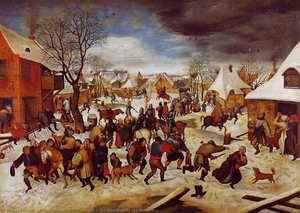
The historical importance of Pieter Brueghel the Younger extends far beyond the borders of Flanders. He acted as a vital bridge between the late Renaissance and the burgeoning Flemish Baroque, maintaining the integrity of his father's humanist traditions while adapting to the commercial demands of a growing export market. His ability to translate biblical narratives, such as the Massacre of the Innocents, into contemporary Netherlandish settings allowed his art to resonate with the political and social tensions of the Eighty Years' War, making his work deeply embedded in the historical consciousness of his era.
Ultimately, the legacy of Brueghel the Younger is one of continuity and expansion. He did not merely shadow a great predecessor; he built upon that foundation to create an enduring artistic brand that defined the visual identity of the Low Countries for generations. His life stands as a testament to the power of artistic lineage and the profound impact of a dedicated workshop in shaping the cultural landscape of Europe. Through his landscapes and genre scenes, he ensured that the soul of the Flemish countryside—its struggles, its celebrations, and its quiet, atmospheric beauty—would remain etched in the annals of art history forever.
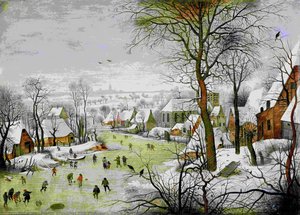
pieter brueghel the younger
1564 - 1636
Quick Facts
- Artistic Movement Or Style: Dutch Golden Age
- Artists Or Movements Influenced By This Artist: ['Gillis van Coninxloo']
- Artists Who Influenced This Artist: ['Pieter Bruegel the Elder']
- Date Of Birth: May 23, 1564
- Date Of Death: May 10, 1638
- Full Name: Pieter Brueghel the Younger
- Nationality: Flemish
- Notable Artworks:
- Winter Landscape with a Bird Trap
- Stream
- Giving Presents at a Wedding
- Place Of Birth: Brussels, Belgium