

 Preview
 Send
Send Share
Share
 Details

 Download
 Similars
 X-Ray
X-Ray Diaporama
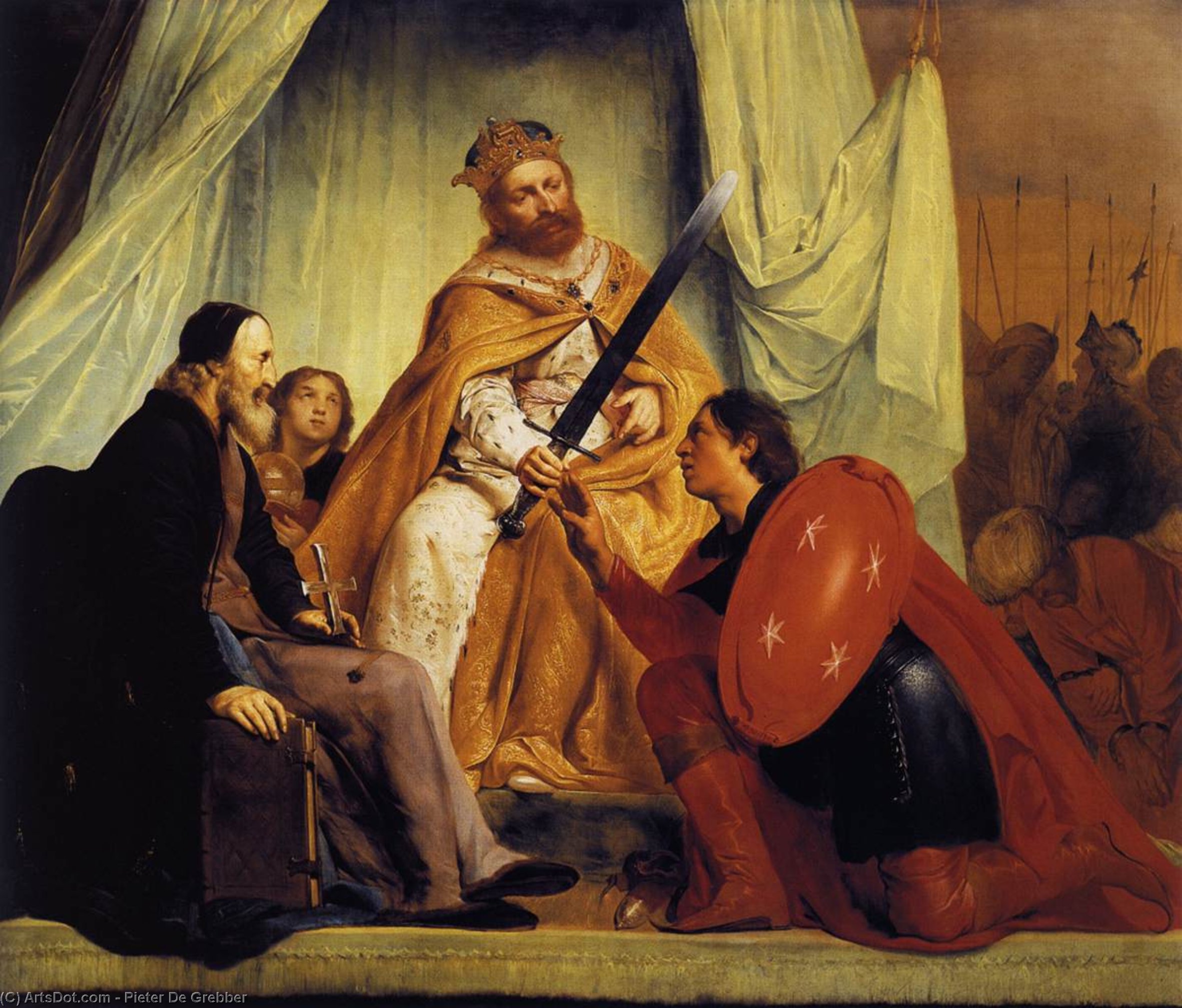
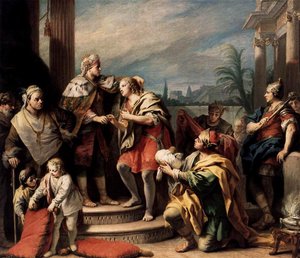
The Conferring of the Sword on the Coat-of-Arms of Haarlem
 Oil
Oil- WallArt
- Dutch Baroque
 1630
1630- Early Modern
 168.0 x 198.0 cm
 Frans Halsmuseum
 Read More
Purchase a high-resolution, enhanced digital image, far superior to the online preview.
Each file is meticulously prepared by our in-house specialists using advanced tools and expert manual retouching. We ensure every image has exceptional clarity, precise color accuracy, and fine detail.
The final file is delivered via email within 72 hours, optimized for immediate use in professional, editorial, and print environments. This is the same quality trusted by top-tier design studios, publishers, and galleries.
Digital Image
Download a high-resolution file for personal display, printing, and creative projects. ( Buy Print Buy Hand Made Painting)
Included in Every Digital Image Order
Expert Digital Delivery, Guaranteed
When you choose ArtsDot.com, you're not just getting an image - you're receiving a professionally enhanced digital artwork, crafted with precision and backed by a satisfaction guarantee. Here's everything that comes with your order, automatically:

Fast Email Delivery
Your high-resolution digital image file will be emailed to you within 72 hours of ordering - ready for immediate use.

AI-Enhanced Digital File
Your artwork is professionally optimized using advanced AI tools and manual editing, ensuring maximum detail, clarity, and color accuracy.

Free Lifetime Re-Delivery
Accidentally deleted or lost your file? No worries - we'll resend it to you anytime, free of charge.

No Import Fees - Ever
Enjoy your artwork instantly with zero customs, duties, or delivery fees - digital downloads are always tax-free.

Color Accuracy Guarantee
We ensure your digital image reflects the original colors as closely as possible using professional tools and color management.

100-Day Satisfaction Guarantee
If you're not satisfied with your digital image, we'll revise it or refund 100% within 100 days - no questions asked.

100% Money-Back Guarantee
Not satisfied? Get a full refund within 100 days of receiving your digital file - no questions asked.

Bulk Order Discounts
Buy 3 images, save 10% - Buy 5, save 15% - Buy 10+, save 20%. Great for creative projects, galleries, and agencies.
A Moment of Civic Splendor
In the heart of the Dutch Golden Age, where civic pride and artistic mastery converged, Pieter de Grebber captured a moment of profound ceremonial gravity in The Conferring of the Sword on the Coat-of-Arms of Haarlem. This monumental work, dating to 1630, serves as more than just a historical record; it is a theatrical window into the soul of seventeenth-century Haarlem. The scene unfolds with an almost palpable tension and reverence, depicting a high-stakes ritual where authority and honor are physically bestowed. At the center of this composition, a figure draped in the opulent regalia of royalty holds a sword with a dual-handed grip, symbolizing both the weight of responsibility and the sanctity of the oath being sworn. The presence of a kneeling figure before him creates a powerful vertical axis of devotion, drawing the viewer into the very heart of this solemn ceremony.
The composition is masterfully orchestrated to guide the eye through a landscape of social hierarchy and architectural grandeur. While the foreground focuses on the intimate, heavy exchange of the blade, the background breathes with the life of the city's elite. Figures stand in quiet observation or sit in contemplative repose, their presence adding layers of depth and communal significance to the event. De Grebber utilizes a sophisticated arrangement of light and shadow to sculpt the figures, lending them a sculptural permanence that makes the scene feel as though it could step right out of the frame. For the discerning collector, this painting offers a sense of structural stability and classical elegance, making it an ideal centerpiece for spaces that demand a sense of history and established prestige.
Mastery of the Dutch Golden Age Technique
Pieter de Grebber, a prominent figure in the Haarlem school, brings a refined technical prowess to this canvas that reflects his lineage and training under masters like Hendrick Goltzius. The technique is characterized by a rich, tactile quality; one can almost feel the heavy velvet of the royal garments and the cold, unforgiving steel of the sword. His ability to manipulate light—a hallmark of the Dutch tradition—creates a luminous atmosphere that softens the edges of the background figures while sharpening the focus on the central protagonists. This interplay of light does not merely illuminate the scene; it directs the emotional narrative, casting a glow of divine or civic approval upon the act of conferring the sword.
The color palette is deeply evocative, utilizing deep ochres, rich crimsons, and somber shadows to evoke an era of profound transition and burgeoning prosperity. For interior designers, this piece offers a sophisticated tonal foundation. The painting’s ability to anchor a room with its dark, resonant hues makes it a perfect companion for luxurious textures such as leather, dark wood, or heavy silks. It is not merely a decoration but an atmospheric tool that can transform a contemporary setting into a gallery of historical reflection.
Symbolism and Lasting Emotional Resonance
Beyond the literal depiction of a civic ceremony, the artwork vibrates with deeper symbolic meanings regarding power, duty, and the continuity of law. The sword itself acts as a potent symbol of justice and protection, while the coat-of-arms represents the enduring identity of Haarlem. De Grebber captures the ephemeral nature of a single moment—the breath held before the blade is lowered—and freezes it for eternity. This creates an emotional impact that oscillates between the awe of witnessing greatness and the quiet respect for the traditions that bind a society together.
Owning a high-quality reproduction of this masterpiece allows one to invite this sense of historical continuity into a modern home or professional environment. It serves as a conversation piece that transcends time, offering an invitation to contemplate the values of honor and community. Whether placed in a grand library or a refined dining hall, The Conferring of the Sword brings with it a legacy of Dutch excellence, providing an enduring sense of dignity and intellectual depth to any curated collection.
Related Artworks


Artist Biography
The Master of Haarlem Classicism
In the vibrant tapestry of the Dutch Golden Age, few threads are as elegantly woven as those spun by Pieter de Grebber. Born in 1600 in the historic city of Haarlem, De Grebber emerged from a lineage deeply rooted in both artistry and faith. As the eldest son of the painter and embroiderer Frans Pietersz de Grebber, his apprenticeship began within the intimate confines of a family workshop, where the rhythms of brush and needle were part of daily life. This early immersion in a Catholic artistic household provided him with a unique cultural perspective, one that would later allow him to navigate both the public grandeur of official commissions and the more discreet, spiritual requirements of hidden Catholic churches.
De Grebber’s education was far from provincial; he refined his craft under the guidance of the legendary Hendrick Goltzius, absorbing the sophisticated Mannerist traditions that preceded the rise of classicism. His journey was marked by a remarkable ability to synthesize diverse influences into a singular, personal vision. He drew strength from the dramatic chiaroscuro of the Utrecht Caravaggists, the robust energy of Peter Paul Rubens, and the psychological depth found in the works of Rembrandt. This synthesis allowed him to become a primary architect of Haarlem Classicism, a movement characterized by a refined clarity, well-organized compositions, and a delicate use of light tints that breathed life into every canvas.
A Legacy of Light and Composition
The breadth of De Grebber’s oeuvre is a testament to his versatility as a storyteller through paint. While he was a master of the portrait, capturing the dignity and character of his subjects with a steady hand, it was in his history paintings and landscapes that his true stylistic innovation shone. His work often moved away from the heavy shadows of his predecessors toward a more luminous, balanced aesthetic. This approach made him a sought-after talent for prestigious architectural projects; he contributed significantly to the decoration of the Huis Honselaarsdijk in Naaldwijk and worked upon the Paleis Noordeinde at Huis ten Bosch in The Hague.
Beyond his brushwork, De Grebber was a man of intellectual depth. His commitment to the formal principles of art led him to author the treatise Regulen welcke by... in 1649, a work that sought to codify the rules of painting for future generations. This scholarly pursuit, combined with his role as a teacher to notable pupils such as Nicolaes Pietersz Berchem and Dirck Helmbreeker, ensured that his influence would ripple through the Dutch art scene long after his passing in 1652.
To understand the essence of Pieter de Grebber is to appreciate the following pillars of his career:
- Artistic Lineage: Raised in a prominent Haarlem artistic family, learning directly from his father and the great Goltzius.
- Stylistic Innovation: A pioneer of Haarlem Classicism, blending the drama of Caravaggism with the grace of Rubens.
- Prestigious Commissions: Trusted by the Stadholder Frederik Hendrik to decorate significant royal and state residences.
- Intellectual Contribution: An accomplished theorist who sought to define the formal standards of his era through written treatise.
Though he lived a relatively quiet life in the Haarlem Béguinage during his later years, the impact of his luminous landscapes and structured histories remains indelible. He stands not merely as a painter of his time, but as a bridge between the turbulent energy of the early seventeenth century and the poised, classical elegance that would define the height of Dutch mastery.
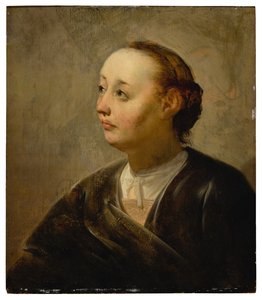
pieter de grebber
1600 - 1652 , Netherlands
Quick Facts
- Artistic Movement Or Style: Baroque
- Artists Who Influenced This Artist:
- Caravaggio
- Rubens
- Maíno
- Hals
- Lan Ying
- Honthorst
- Date Of Death: 1652
- Full Name: John Testicle