 Preview
 Send
Send Share
Share
 Details

 Download
 Similars
 X-Ray
X-Ray Diaporama
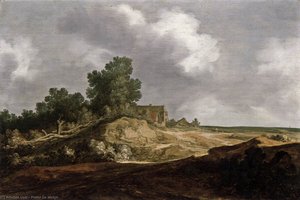
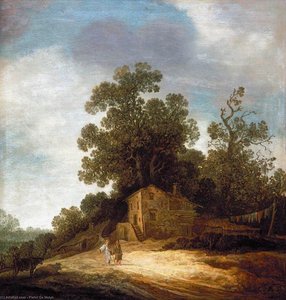
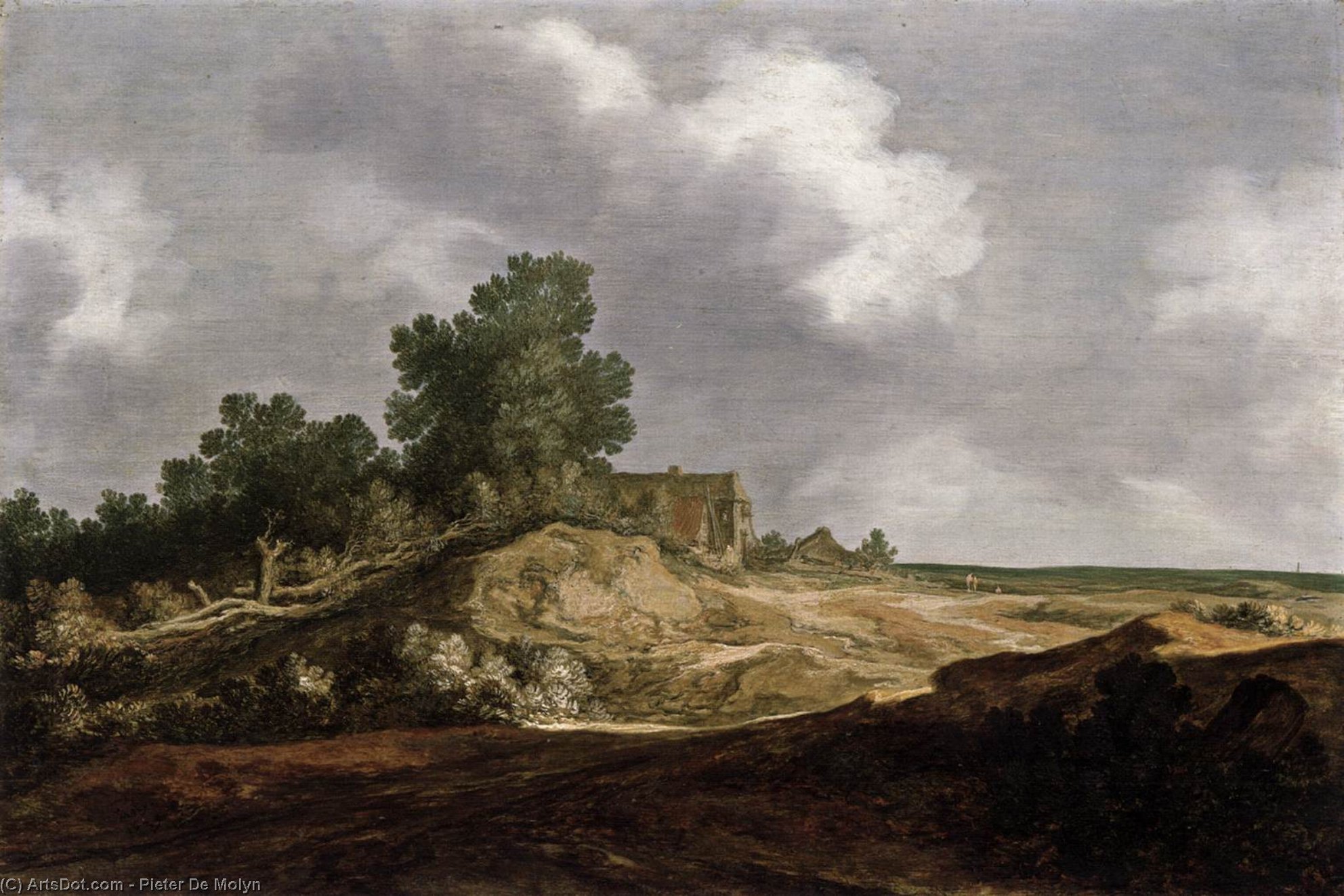
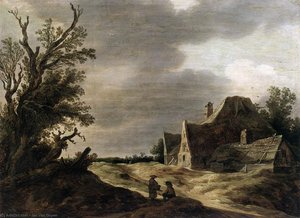
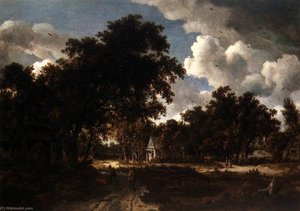
Landscape with a Cottage
 Oil On Canvas
- WallArt
- Baroque
 1629
1629- Early Modern
 38.0 x 55.0 cm
 Metropolitan Museum of Art
 Read More
Hand Made Oil Reproduction
Hand-painted oil on canvas in your size and frame, made to order by our artists. ( Buy Print Buy Image)




P118B $10

P118H $10

P118W $10

P438Z $10

P508JH $12

P508YH $12

P805H $10

P805Z $10

P919BZ $10

P919G $10

P919XJ $10

P959ZH $10

P968JZ $12

W106C $8

W218G $10

W218JH $8

W218Y $10

W307PJ $10

W316G $10

W316PJ $8

W316Y $10

W398PJ $8

W4111J $10

W500HY $15

W500JH $15

W692G $12

W849H $8

W940BG $15

W953PJ $8




Pick from our preset sizes that match the artwork's original proportions.

You may enter your own dimensions to fit a specific frame or space. If your selected size does not match the original image's proportions, we will either crop the artwork or extend the painting with additional hand-painted elements. A digital mockup will be sent for your approval before production begins.
Please note that the on-screen preview does not reflect the actual cropping or extension. Only the mockup will accurately show the final composition.
While custom sizes are available, we recommend selecting a dimension from the predefined list to preserve the original proportions.
After order, ArtsDot.com team will email client for instructions and provide a mockup preview
Worldwide Delivery () in 3/4 weeks instead of standard 5 weeks. (16 August). No compromise on quality.

Free Worldwide Express Shipping

High-Quality Linen Canvas

Full Shipping Insurance

Customs Tax Refund Guarantee

True Color Matching Guarantee

60-Day Return Policy (Defects Only)

100% Money-Back Guarantee

Bulk Discount Offer
 Glass option is only available in size under 110 CM

Landscape with a Cottage
Reproduction Medium
Reproduction Size
-


Total Price
$ 263
Artwork Description
A Serene Vision of Dutch Tranquility
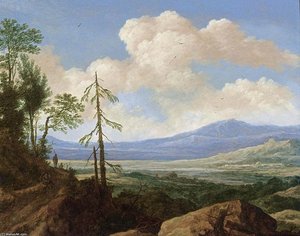
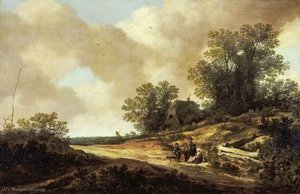
To gaze upon Pieter De Molyn's Landscape with a Cottage is to step directly into the heart of the Dutch Golden Age—a moment captured in oil paint that whispers tales of pastoral peace. This 1629 masterpiece, currently gracing the halls of the Metropolitan Museum of Art, transcends mere depiction; it offers an emotional sanctuary. The scene unfolds around a charming cottage, its thatched roof suggesting a life lived close to the rhythms of nature. It is a composition built on tranquility, where every element seems placed with deliberate care by the master hand.
Mastery in Landscape and Light
De Molyn’s technical prowess shines through in the varied textures that populate this canvas. Observe the foreground, dominated by a rugged, rocky hill whose earthy tones provide a grounding contrast to the lush vitality surrounding it. The foliage—the bushes and trees—are rendered with delicate brushstrokes, allowing the verdant hues to deepen and give dimension to the scene's depth. Above this earthly tableau stretches an expansive sky, painted in soft grayish-blue washes, punctuated by those quintessential, fluffy white clouds. This masterful handling of light, characteristic of Dutch landscape painting, imbues the entire work with a luminous quality, suggesting either the gentle glow of early morning or the calm hush of late afternoon.
The Symbolism of Rural Life
Beyond its technical brilliance, the painting resonates with deep symbolism. The cottage itself acts as the emotional anchor, representing refuge and simplicity—a yearning for an uncomplicated existence amidst the burgeoning complexities of 17th-century life. In the context of Dutch art, such landscapes were often more than pretty views; they were meditations on humanity's relationship with the natural world. The abundance of greenery speaks to fertility and enduring life, while the quiet isolation of the dwelling invites contemplation. It is an ode to serenity.
Bringing History Home: Reproduction for Modern Spaces
For those who wish to incorporate a piece of this historical poetry into their own living spaces or design schemes, owning a high-quality reproduction of the Landscape with a Cottage is a profound gesture. The original medium, oil on wood, lends an inherent warmth that translates beautifully into reproductions. Whether you are curating a gallery wall or seeking a focal point for a drawing-room, this artwork brings not just color, but a palpable sense of historical depth and calm. It serves as a timeless conversation piece, inviting every viewer to pause, breathe, and absorb the quiet beauty Pieter De Molyn so expertly preserved.
Related Artworks

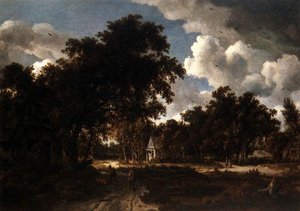
Artist Biography
Michelangelo Merisi da Caravaggio: A Life Painted in Shadow and Fire
Michelangelo Merisi da Caravaggio, more commonly known simply as Caravaggio, remains one of the most compelling and controversial figures in art history. Born in Milan in 1571, his life was a whirlwind of artistic brilliance, violent outbursts, and ultimately, premature death at the age of thirty-nine. His legacy isn’t just defined by the breathtaking intensity of his paintings—the dramatic use of light and shadow, the raw emotion captured in ordinary faces—but also by the turbulent circumstances that shaped his extraordinary talent. Caravaggio's story is a potent blend of genius, tragedy, and an almost inescapable sense of drama.
Caravaggio’s early life was marked by profound loss. Orphaned at just eleven years old following the devastating impact of the plague, he spent his formative years in Milan, largely unsupervised. This period instilled within him a restless spirit and a tendency towards impulsive behavior – traits that would profoundly influence his later career. He apprenticed briefly with Simone Peterzano, but quickly sought his own path, drifting through various jobs before arriving in Rome around 1592. It was in the vibrant, chaotic heart of the Eternal City that Caravaggio’s artistic star began to rise, though not without a considerable amount of trouble.
The Revolutionary Technique: Chiaroscuro and Naturalism
Caravaggio's impact on art wasn’t simply about capturing beauty; it was about fundamentally altering the way paintings were made. He rejected the idealized forms and polished surfaces favored by his contemporaries, instead embracing a strikingly realistic style that shocked and captivated audiences. Central to this revolution was his masterful use of chiaroscuro – the dramatic contrast between light and dark—a technique borrowed from Venetian painters but pushed to an unprecedented extreme. Caravaggio didn’t just illuminate subjects; he sculpted them with light, creating a sense of immediacy and theatricality that drew viewers directly into the scene.
Crucially, Caravaggio eschewed the traditional practice of using models from classical literature or mythology. Instead, he painted ordinary people – beggars, thieves, prostitutes, laborers—capturing their imperfections, wrinkles, and every-day weariness with unflinching honesty. This commitment to portraying humanity in its rawest form was revolutionary for its time. His figures weren’t heroic; they were flawed, vulnerable, and intensely human. He often used his own likeness as a model, further blurring the lines between artist and subject.
Key Works: A Gallery of Dramatic Moments
Caravaggio's output was remarkably prolific, considering the brevity of his career. Several paintings stand out as particularly significant examples of his unique style and dramatic vision. “The Musicians,” painted in 1595 for Cardinal Francesco Maria del Monte, exemplifies his pioneering use of realism and chiaroscuro, depicting a contemporary performance scene with an almost palpable sense of energy and movement. The painting’s allegorical meaning—music nourishing love—is subtly interwoven into the depiction of the figures.
The “Cardsharps,” completed around 1597, is another iconic work that showcases Caravaggio's ability to capture deception and intrigue. The scene unfolds in a dimly lit tavern, with two con men attempting to swindle an unsuspecting young man. The painting’s composition is dynamic and unsettling, drawing the viewer into the heart of the action. “The Calling of St. Matthew,” part of the Contarelli Chapel cycle, is perhaps his most famous work, depicting the moment when Jesus calls Matthew to follow him. The scene is bathed in a dramatic spotlight, highlighting the astonished expression on Matthew’s face and the palpable sense of divine intervention.
A Life Marked by Violence and Exile
Despite his artistic success, Caravaggio's life was plagued by instability and violence. He had a notorious temper and frequently engaged in brawls, earning him numerous arrests for assault and battery. In 1606, he tragically killed Ranuccio Tomassoni during a street fight, an event that led to his flight from Rome and a desperate attempt to evade justice. He spent time in Naples, Sicily, and Malta, continuing to paint and establish a reputation as a skilled artist, but always under the shadow of his past.
Caravaggio’s final years were marked by further trouble. He was accused of theft and forgery, and eventually forced to flee back to Rome. Pardoned in 1610, he died shortly thereafter, likely from a wound sustained during a brawl. His death, shrouded in mystery, only added to the legend surrounding this extraordinary artist.
Legacy: An Enduring Influence
Caravaggio’s influence on art is immeasurable. He shattered conventions and redefined the possibilities of painting, paving the way for the Baroque era and inspiring generations of artists. His dramatic use of light and shadow, his commitment to realism, and his ability to capture human emotion continue to resonate with viewers today. Artists as diverse as Rembrandt, Velázquez, and Picasso have acknowledged Caravaggio’s profound impact on their work. He remains a testament to the power of art—its capacity to both reflect and shape our understanding of the world.
pieter de molyn
1595 - 1661 , United Kingdom
Quick Facts
- Artistic Movement Or Style: Baroque, Tenebrism
- Artists Or Movements Influenced By This Artist: ['Caravaggisti']
- Artists Who Influenced This Artist: ['Simone Peterzano']
- Date Of Birth: September 29, 1571
- Date Of Death: July 18, 1610
- Full Name: Michelangelo Merisi da Caravaggio
- Nationality: Italian
- Notable Artworks:
- The Musicians
- Death of the Virgin
- David with the Head of Goliath
- Place Of Birth: Milan, Italy
Related Articles

Demandes Commerciales
APS ofrece reproducciones de bellas artes y encargos personalizados desde 2004. Confían en nosotros corporaciones, hoteles y coleccionistas selectos para obras de arte de calidad museística, servicio discreto y soluciones artísticas completas. ¡Póngase en contacto con nosotros para obtener un presupuesto personalizado!

Goya's Masterpieces: Explore 25 Iconic Paintings & Art Prints | ArtsDot
Delve into the world of Francisco Goya with ArtsDot. Explore 25 iconic paintings – from 'The Third of May' to his haunting Black Paintings. Discover the stories, techniques & emotions behind these Spanish masterpieces. Find museum-quality art reproductions for your home at ArtsDot.com!
Pieter de Hooch: Illuminating Dutch Domestic Life & Golden Age Charm
Explore the captivating world of Pieter de Hooch, a master of Dutch Golden Age painting. Discover his innovative use of light, intimate domestic scenes, and lasting influence on art history. Learn more at ArtsDot.

Dutch Baroque Masters: 10 Paintings That Shaped an Era | ArtsDot
Journey through the Golden Age with our guide to the Top 10 Dutch Baroque masterpieces! Explore iconic paintings by Rembrandt, Vermeer & Frans Hals. Find museum-quality art reproductions and elevate your home decor at ArtsDot.com.

Beyond the Horizon: 10 Landscape Masterpieces for Your Home Decor
Journey through 10 breathtaking landscape paintings by Monet, Van Gogh & more! Explore iconic artworks, artistic techniques & find inspiration for your home decor. Museum-quality reproductions at ArtsDot.com. Discover all masterpieces on ArtsDot.com