 Preview
 Send
Send Share
Share
 Details

 Download
 Similars
 X-Ray
X-Ray Diaporama
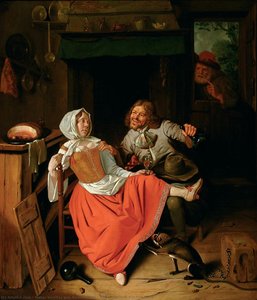
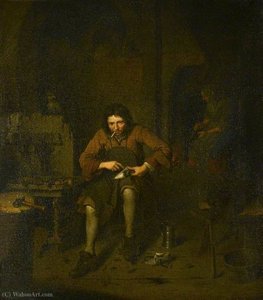
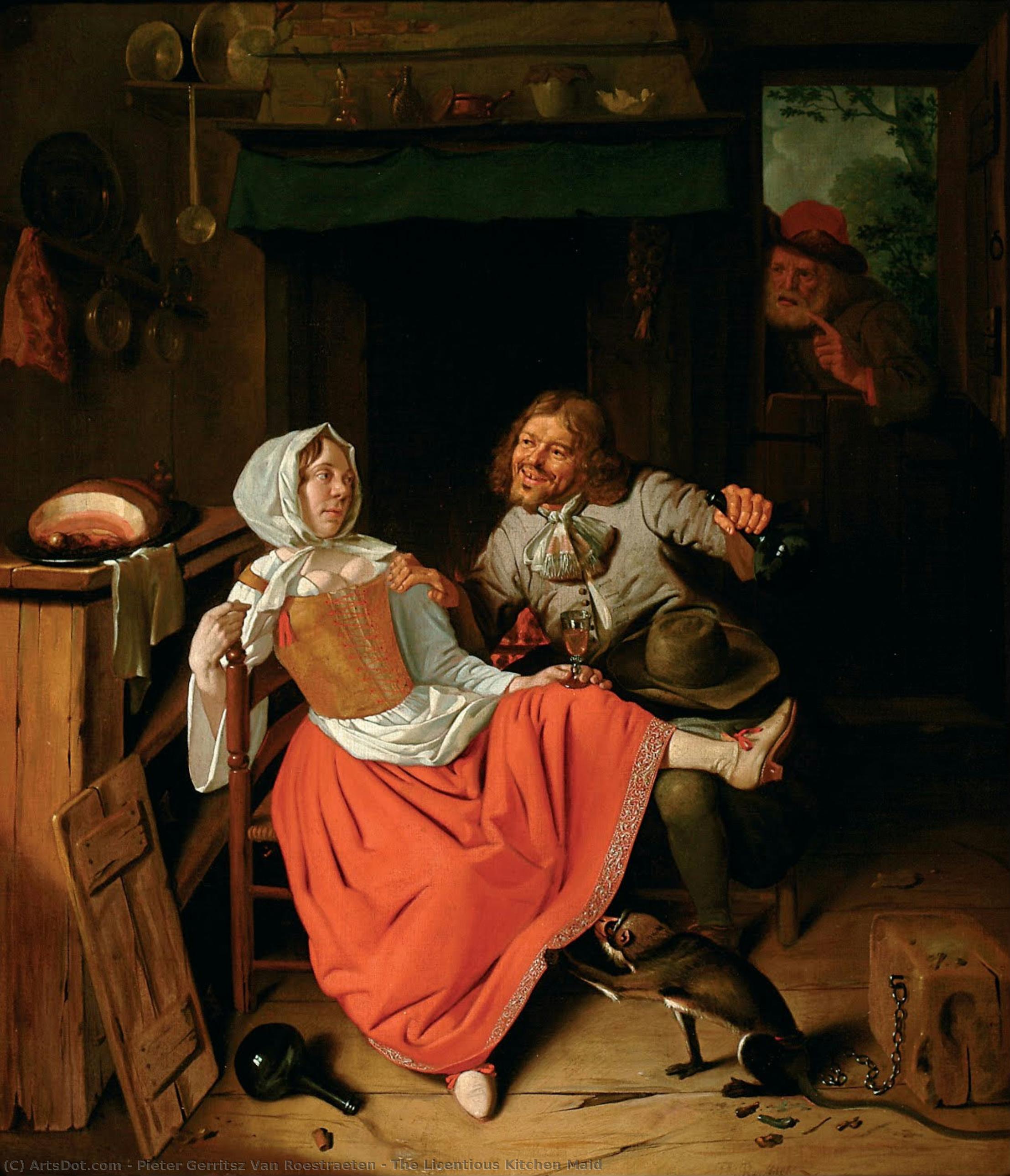
The Licentious Kitchen Maid
 Acrylic On Canvas
- WallArt
- Dutch Golden Age
 1670
1670 5.0 x 63.0 cm
 Frans Hals Museum
 Read More
Hand Made Oil Reproduction
Hand-painted oil on canvas in your size and frame, made to order by our artists. ( Buy Print Buy Image)




P118B $10

P118H $10

P118W $10

P438Z $10

P508JH $12

P508YH $12

P805H $10

P805Z $10

P919BZ $10

P919G $10

P919XJ $10

P959ZH $10

P968JZ $12

W106C $8

W218G $10

W218JH $8

W218Y $10

W307PJ $10

W316G $10

W316PJ $8

W316Y $10

W398PJ $8

W4111J $10

W500HY $15

W500JH $15

W692G $12

W849H $8

W940BG $15

W953PJ $8




Pick from our preset sizes that match the artwork's original proportions.

You may enter your own dimensions to fit a specific frame or space. If your selected size does not match the original image's proportions, we will either crop the artwork or extend the painting with additional hand-painted elements. A digital mockup will be sent for your approval before production begins.
Please note that the on-screen preview does not reflect the actual cropping or extension. Only the mockup will accurately show the final composition.
While custom sizes are available, we recommend selecting a dimension from the predefined list to preserve the original proportions.
After order, ArtsDot.com team will email client for instructions and provide a mockup preview
Worldwide Delivery () in 3/4 weeks instead of standard 5 weeks. (22 August). No compromise on quality.

Free Worldwide Express Shipping

High-Quality Linen Canvas

Full Shipping Insurance

Customs Tax Refund Guarantee

True Color Matching Guarantee

60-Day Return Policy (Defects Only)

100% Money-Back Guarantee

Bulk Discount Offer
 Glass option is only available in size under 110 CM

The Licentious Kitchen Maid
Reproduction Medium
Reproduction Size
-


Total Price
$ 263
Artwork Description
The Licentious Kitchen Maid: A Study in Seventeenth Century Sensuality
Pieter Gerritsz van Roestraten’s “The Licentious Kitchen Maid” stands as a remarkable testament to the artistic fervor of the Dutch Golden Age, capturing not merely a visual scene but also a complex interplay of social commentary and psychological nuance. Painted circa 1660-1670, this oil on canvas masterpiece resides within the Franse Hals Museum’s collection, offering viewers an unparalleled glimpse into the cultural landscape of Haarlem during its apex of artistic achievement. Measuring 73.5 × 63 cm, the painting transcends mere representation; it embodies a deliberate stylistic choice and profound symbolic resonance that continues to fascinate scholars and connoisseurs alike.A Masterful Synthesis of Halsian Influence and Van Roestraten’s Distinctive Vision
Like his mentor Frans Hals, van Roestraten embraced a technique characterized by loose brushwork and an emphasis on capturing fleeting moments of human expression—a hallmark of Hals’s portraiture style. However, unlike Hals's often idealized depictions, “The Licentious Kitchen Maid” presents a scene brimming with palpable desire and transgression. This stylistic divergence isn’t accidental; it reflects the broader artistic preoccupation of the period with portraying reality as it unfolded, albeit filtered through an aesthetic lens that prioritized emotional impact over strict adherence to convention. The artist skillfully employs chiaroscuro—the dramatic interplay of light and shadow—to sculpt the figures and heighten the sense of intimacy within the confined space of the kitchen.Symbolism Rooted in Vanitas Philosophy
The painting’s visual richness is further enriched by its incorporation of symbolic elements characteristic of vanitas philosophy, a prevalent artistic trend during the seventeenth century. The central figure – a young woman seated nonchalantly – embodies both vulnerability and allure, while her companion engages in an overtly suggestive gesture. Surrounding them are objects laden with meaning: a partially peeled apple symbolizing decay and mortality; a knife representing violence and disruption; and crucially, a monkey chained to a block—a potent visual metaphor for humanity’s bondage to sin and temptation. This deliberate juxtaposition underscores the painting's overarching theme – the inevitable triumph of death over earthly pleasures – prompting contemplation on the ephemeral nature of human existence.Historical Context: A Reflection of Societal Morality
“The Licentious Kitchen Maid” emerged during a time when Dutch society wrestled with questions of morality and propriety. The depiction of illicit behavior served as both an artistic provocation and a subtle critique of prevailing social norms. It’s noteworthy that van Roestraten's decision to avoid portraiture—a stipulation imposed by Sir Peter Lely—allowed him to pursue his passion for genre painting, focusing on scenes from everyday life rather than idealized representations of aristocratic subjects. This stylistic choice speaks volumes about the artist’s intellectual curiosity and his desire to engage with pressing social concerns.Emotional Resonance: Capturing Transient Beauty
Ultimately, “The Licentious Kitchen Maid” succeeds in conveying a powerful emotional resonance—a captivating blend of sensuality, humor, and melancholy. The painting's luminous palette and masterful brushwork evoke the atmosphere of a bustling domestic interior, transporting viewers back to seventeenth-century Haarlem. More importantly, it compels us to confront uncomfortable truths about human desire and mortality, reminding us that even amidst fleeting moments of pleasure, death looms ever present—a lesson eloquently conveyed through the enduring symbolism of the monkey and the decaying apple. It remains an unforgettable artwork, demonstrating van Roestraten’s unparalleled ability to capture not just what is seen but also what is felt.Related Artworks
Artist Biography
Pieter Gerritsz van Roestraten: Life and Legacy
Early Life and Training
Born on April 21, 1630, in Haarlem, Netherlands, Pieter Gerritsz van Roestraten emerged as a prominent figure during the Dutch Golden Age. His father, Gerrit Maertenszoon, may have originated from Leiden. Van Roestraten began his artistic journey by studying under the renowned painter Frans Hals in Haarlem for at least five years starting from 1649. This foundational training significantly shaped his early style and technique.
Career Development and Move to London
Following his apprenticeship, Van Roestraten moved to Amsterdam around 1651, residing in the Anthonie Breestraat. He married Adriaentje Hals, a daughter of Frans Hals, six years his senior, in 1654. Around this time, he developed a close working relationship with Flemish genre painter Daniël Boone. Subsequently, Van Roestraten relocated to London, where he would spend the remainder of his career. This move proved pivotal, allowing him access to a wealthy and influential clientele.
Life in London and Patronage
Van Roestraten’s time in London was marked by success and patronage from high society. He skillfully navigated the artistic landscape, reportedly introduced to King Charles II by Sir Peter Lely with a stipulation that he refrain from portraiture. This allowed him to focus on his preferred subjects: still lifes and genre scenes. He earned substantial income – forty to fifty pounds sterling per still life – reflecting the demand for his work.
Artistic Style and Major Themes
Van Roestraten’s artistic output encompassed several genres, but he is most celebrated for his masterful still lifes. His works are characterized by:
- Pronkstillevens: Ostentatious displays of luxurious objects, particularly silver, showcasing his exceptional ability to depict reflective surfaces.
- Vanitas Paintings: Symbolic compositions that explore themes of mortality, the transience of life, and the emptiness of worldly possessions. These often included skulls, decaying fruit, and extinguished candles.
- Genre Scenes: Glimpses into everyday life, offering insights into 17th-century society.
Influences and Artistic Development
Frans Hals’s influence is evident in Van Roestraten's loose brushwork and realistic portrayal of figures. However, he developed a unique style characterized by meticulous detail, particularly in rendering textures and light effects. His time in London exposed him to different artistic trends, further refining his technique.
Major Achievements and Historical Significance
Van Roestraten’s legacy lies in his ability to capture the opulence and philosophical undercurrents of the Dutch Golden Age. His still lifes are not merely decorative; they serve as meditations on life, death, and the fleeting nature of material wealth. Surviving the Great Fire of London in 1666 added a layer of resilience to his story. He died on July 10, 1700, and was buried in St. Paul's Cathedral.
Legacy and Modern Appreciation
Today, Pieter Gerritsz van Roestraten’s works are held in various collections worldwide, offering a valuable window into the artistic and cultural landscape of the 17th century. His paintings continue to be admired for their technical skill, symbolic depth, and historical significance.
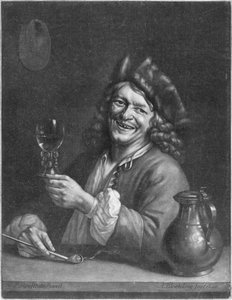
pieter gerritsz van roestraten
1630 - 1700 , Netherlands
Quick Facts
- Birth Date: April 21, 1630
- Birth Place: Haarlem, Netherlands
- Death Date: July 10, 1700
- Influenced By: Frans Hals
- Movement: Dutch Golden Age painting
- Name: Pieter Gerritsz van Roestraten
- Nationality: Dutch
- Notable Works: Vanitas (1678)
Related Articles

Dutch Masters: 10 Golden Age Paintings That Still Inspire |
Journey into the Dutch Golden Age! Explore 10 iconic paintings by Rembrandt, Vermeer & Hals. Discover the stories behind these Baroque masterpieces and find museum-quality art reproductions to elevate your home decor on .

Rembrandt's Masterpieces: Explore 25 Iconic Paintings & Prints | ArtsDot
Journey through Rembrandt van Rijn's 25 most iconic paintings & etchings. Explore Dutch Golden Age masterpieces, dramatic chiaroscuro, and timeless portraits. Find museum-quality art reproductions to elevate your home decor on ArtsDot.com.

Golden Age Reflections: Dutch Baroque Painting & Cultural Innovation
Explore the Dutch Golden Age of painting! Discover key artists like Vermeer & ter Borch, their innovative techniques, and the rich cultural context behind these Baroque masterpieces. Learn about collecting & appreciating this iconic art period.
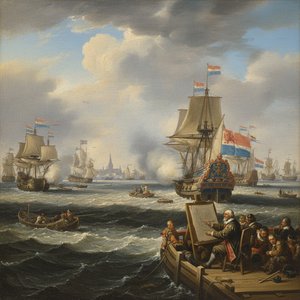
Willem van de Velde the Elder: Master of Maritime Painting & Chronicler of the Dutch Golden Age
Discover the captivating maritime paintings of Willem van de Velde the Elder, a master chronicler of the Dutch Golden Age. Explore his unparalleled realism and lasting influence on naval art history.

Illuminating Innovation: Exploring the Dutch Golden Age of Painting
Explore the Dutch Golden Age of painting with ArtsDot. Discover Rembrandt, Vermeer & other Masters. Learn about key characteristics, iconic artworks, and lasting influence. Expert insights for collectors & enthusiasts.