

 Preview
 Send
Send Share
Share
 Details

 Download
 Similars
 X-Ray
X-Ray Diaporama
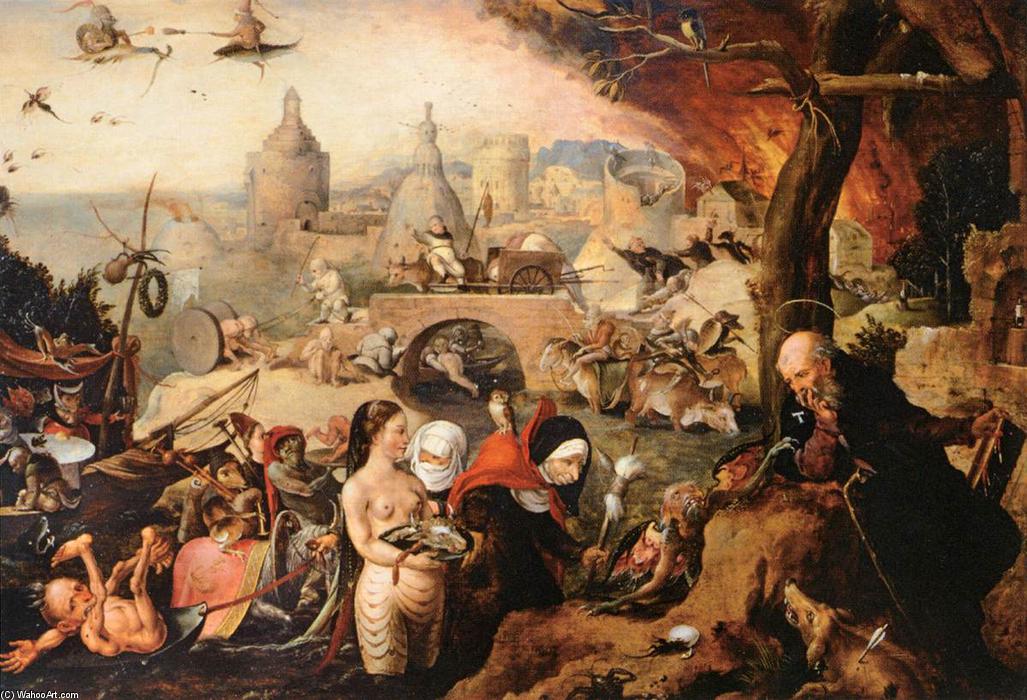
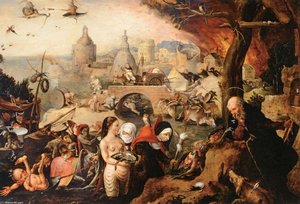
Temptation of St Anthony
 Oil On Canvas
- WallArt
- Northern Renaissance
 1547
1547- Renaissance
 70.0 x 103.0 cm
 The Louvre
 Read More
Purchase a high-resolution, enhanced digital image, far superior to the online preview.
Each file is meticulously prepared by our in-house specialists using advanced tools and expert manual retouching. We ensure every image has exceptional clarity, precise color accuracy, and fine detail.
The final file is delivered via email within 72 hours, optimized for immediate use in professional, editorial, and print environments. This is the same quality trusted by top-tier design studios, publishers, and galleries.
Digital Image
Download a high-resolution file for personal display, printing, and creative projects. ( Buy Print Buy Hand Made Painting)
Included in Every Digital Image Order
Expert Digital Delivery, Guaranteed
When you choose ArtsDot.com, you're not just getting an image - you're receiving a professionally enhanced digital artwork, crafted with precision and backed by a satisfaction guarantee. Here's everything that comes with your order, automatically:

Fast Email Delivery
Your high-resolution digital image file will be emailed to you within 72 hours of ordering - ready for immediate use.

AI-Enhanced Digital File
Your artwork is professionally optimized using advanced AI tools and manual editing, ensuring maximum detail, clarity, and color accuracy.

Free Lifetime Re-Delivery
Accidentally deleted or lost your file? No worries - we'll resend it to you anytime, free of charge.

No Import Fees - Ever
Enjoy your artwork instantly with zero customs, duties, or delivery fees - digital downloads are always tax-free.

Color Accuracy Guarantee
We ensure your digital image reflects the original colors as closely as possible using professional tools and color management.

60-Day Satisfaction Guarantee
If you're not satisfied with your digital image, we'll revise it or refund 100% within 60 days - no questions asked.

100% Money-Back Guarantee
Not satisfied? Get a full refund within 60 days of receiving your digital file - no questions asked.

Bulk Order Discounts
Buy 3 images, save 10% - Buy 5, save 15% - Buy 10+, save 20%. Great for creative projects, galleries, and agencies.
Collectible Description
Composition and Style
The composition of the painting is characteristic of the Northern Renaissance period, with its attention to detail and realistic portrayal of figures and objects. The use of earth tones dominates the color palette, lending a sense of realism and depth to the scene. The Temptation of St Anthony is a prime example of Northern Renaissance art, which emphasized realism, symbolism, and emotional intensity.Symbolism and Interpretation
The painting tells the story of the temptation of St Anthony, a saint who was known for his resistance to temptation. The scene is filled with symbols and allusions to the saint's trials, including the presence of various creatures and objects that represent different temptations. For more information on Pieter Huys and his works, visit Pieter Huys: Temptation of St Anthony.- The painting is a testament to the artist's skill in storytelling and symbolism.
- The use of color and composition creates a sense of tension and drama, drawing the viewer into the scene.
- The Musée du Louvre is home to an extensive collection of artworks from various periods and cultures, including works by Hans Memling and Jan Van Eyck.
The Temptation of St Anthony is a significant work in the history of art, showcasing the skill and craftsmanship of Pieter Huys. As a masterpiece of Northern Renaissance art, it continues to inspire and fascinate audiences today.
Related Artworks

Artist Biography
Pieter Huys: A Flemish Master of Atmospheric Landscapes and Shadowed Souls
Pieter Huys (c. 1519 – c. 1584) remains a somewhat enigmatic figure in the history of Northern Renaissance art, a painter whose talent blossomed largely within the confines of Antwerp, yet whose work possesses a haunting beauty and profound psychological depth that belies his relative obscurity. Born into an artistic family—his father, Jan Huys, was also a painter—Pieter’s early life offers little concrete detail, shrouded in the typical uncertainties of records from the period. However, he emerged as a recognized master in 1545 within the prestigious Antwerp Guild of St. Luke, and his last dated work, a captivating depiction of “The Temptation of Saint Anthony” completed around 1577, provides a crucial window into his evolving artistic vision.
Huys’s style is often described as a sophisticated blend of influences, most notably the profound impact of Jheronimus Bosch. This connection isn't merely stylistic; Huys clearly absorbed Bosch’s fascination with the grotesque, the symbolic, and the unsettling portrayal of human nature grappling with temptation and moral decay. Yet, unlike Bosch’s intensely fantastical visions, Huys’s landscapes are imbued with a palpable sense of realism and atmospheric depth. He expertly manipulated light and shadow to create scenes that feel both familiar and profoundly strange—a hallmark of his distinctive approach.
The Landscapes of Shadow and Light
Huys is particularly celebrated for his evocative landscapes, often rendered in muted earth tones and dominated by a dramatic interplay of light and darkness. These aren’t simply depictions of scenery; they are carefully constructed narratives, brimming with symbolic meaning. His “Bagpiper and the Old Woman” (1571), now housed in Berlin's State Museums, exemplifies this perfectly. The scene unfolds within a bleak, almost desolate landscape, dominated by a towering, ominous forest. A solitary bagpiper, seemingly oblivious to the wizened old woman who approaches him with outstretched hands, embodies themes of isolation, greed, and the potential for spiritual ruin. The composition is meticulously balanced, drawing the viewer’s eye through layers of visual complexity – from the distant mountains to the intimate details of the figures themselves.
Furthermore, Huys's work demonstrates a keen understanding of perspective and atmospheric effects, anticipating developments in Italian Renaissance painting. He skillfully employed techniques like *sfumato*—a subtle blurring of outlines—to create a sense of depth and mystery, particularly evident in his depictions of mining scenes, which were remarkably popular during his time. These scenes, often featuring weary laborers toiling within dark, claustrophobic tunnels, offer a poignant commentary on the human cost of industry and the relentless pursuit of wealth.
Influences and Artistic Development
While undeniably influenced by Bosch, Huys’s artistic journey wasn't confined solely to imitating his predecessor. He also absorbed elements from other contemporary painters, including Pieter Bruegel the Elder, whose use of color and narrative storytelling resonated deeply with Huys’s own sensibilities. The “Temptation of Saint Anthony,” for instance, reveals a subtle shift in Huys’s style—a move towards greater realism and a more nuanced portrayal of human emotion, while retaining the unsettling atmosphere characteristic of Bosch.
It's important to note that Huys’s artistic output was relatively modest compared to some of his contemporaries. He produced a small but remarkably consistent body of work, primarily focused on religious scenes, symbolic landscapes, and depictions of everyday life. His ability to distill complex moral and psychological themes into visually arresting compositions is what truly sets him apart.
A Forgotten Master: Legacy and Significance
Despite his undeniable talent and the enduring appeal of his art, Pieter Huys has often been overshadowed by more prominent figures of the Northern Renaissance. However, recent scholarship has begun to re-evaluate his contribution to the artistic landscape of 16th-century Flanders. His work offers a unique perspective on themes of morality, faith, and the human condition—a testament to the power of subtle symbolism and atmospheric storytelling.
Works like “Woman Enraged” (c. 1570), currently housed in Paris’s Louvre Museum, continue to captivate viewers with their raw emotional intensity and unsettling beauty. Pieter Huys's legacy lies not just in his individual paintings but in the profound sense of mystery and psychological depth that they evoke—a reminder that even within the grand narratives of art history, there are countless voices waiting to be heard.
pieter huys
1519 - 1584
Quick Facts
- Artistic Movement Or Style: Renaissance, Mannerist
- Artists Or Movements Influenced By This Artist: ['Pieter Bruegel the Elder']
- Artists Who Influenced This Artist: ['Jheronimus Bosch']
- Date Of Birth: c.1519
- Date Of Death: c.1584
- Full Name: Pieter Huys
- Nationality: Flemish
- Notable Artworks:
- Woman Enraged
- The Bagpiper and the Old Woman
- Inferno
- The Mocking of Job
- Place Of Birth: Antwerp, Belgium

