 Preview
 Send
Send Share
Share
 Details

 Download
 Similars
 X-Ray
X-Ray Diaporama
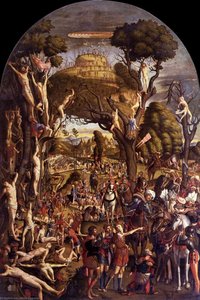
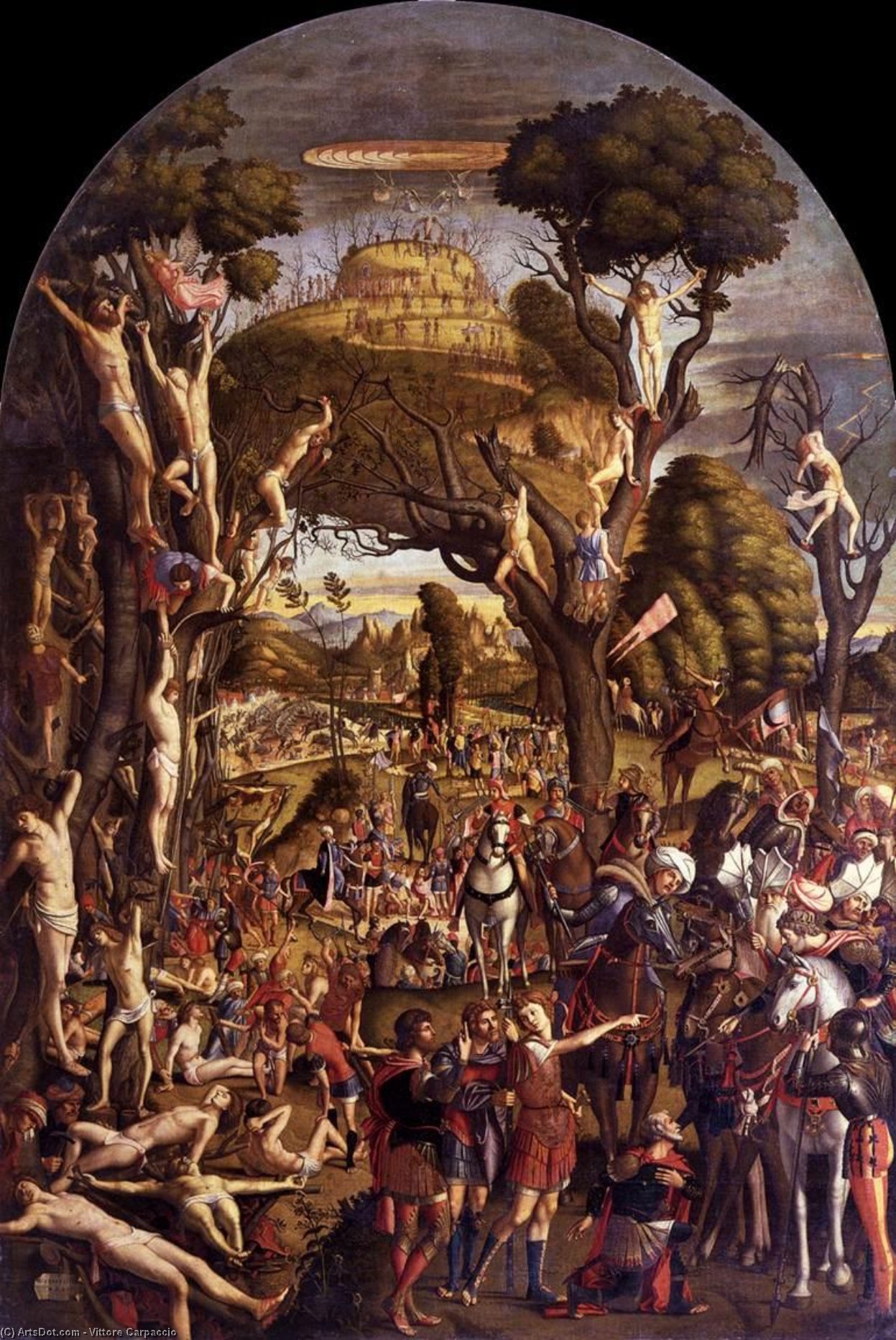
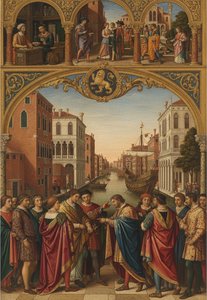
The Ten Thousand Martyrs on the Mount Ararat
 Oil On Panel
- Early Renaissance
 1515
1515- Renaissance
 307.0 x 205.0 cm
 Gallerie dell'Accademia
 Read More
Hand Made Oil Reproduction
Hand-painted oil on canvas in your size and frame, made to order by our artists. ( Buy Print Buy Image)




P118B $10

P118H $10

P118W $10

P438Z $10

P508JH $12

P508YH $12

P805H $10

P805Z $10

P919BZ $10

P919G $10

P919XJ $10

P959ZH $10

P968JZ $12

W106C $8

W218G $10

W218JH $8

W218Y $10

W307PJ $10

W316G $10

W316PJ $8

W316Y $10

W398PJ $8

W4111J $10

W500HY $15

W500JH $15

W692G $12

W849H $8

W940BG $15

W953PJ $8




Pick from our preset sizes that match the artwork's original proportions.

You may enter your own dimensions to fit a specific frame or space. If your selected size does not match the original image's proportions, we will either crop the artwork or extend the painting with additional hand-painted elements. A digital mockup will be sent for your approval before production begins.
Please note that the on-screen preview does not reflect the actual cropping or extension. Only the mockup will accurately show the final composition.
While custom sizes are available, we recommend selecting a dimension from the predefined list to preserve the original proportions.
After order, ArtsDot.com team will email client for instructions and provide a mockup preview
Worldwide Delivery () in 3/4 weeks instead of standard 5 weeks. (16 August). No compromise on quality.

Free Worldwide Express Shipping

High-Quality Linen Canvas

Full Shipping Insurance

Customs Tax Refund Guarantee

True Color Matching Guarantee

60-Day Return Policy (Defects Only)

100% Money-Back Guarantee

Bulk Discount Offer
 Glass option is only available in size under 110 CM

The Ten Thousand Martyrs on the Mount Ararat
Reproduction Medium
Reproduction Size
-


Total Price
$ 563
Artwork Description
A Vision of Divine Triumph: The Ten Thousand Martyrs on the Mount Ararat
To stand before this monumental canvas is to be enveloped by a wave of profound spiritual energy. Vittore Carpaccio’s depiction, The Ten Thousand Martyrs on the Mount Ararat, is not merely a painting; it is an overwhelming testament to faith, endurance, and the ultimate promise of resurrection. The sheer scale of the work—a dramatic expanse measuring 307 by 205 centimeters—demands attention, drawing the viewer into its complex narrative heart. It captures that electrifying moment when suffering gives way to miraculous rebirth, a scene steeped in the rich theological currents of the early Italian Renaissance.
Mastery of Form and Narrative Drama
Carpaccio’s handling of the human form here is nothing short of masterful. The composition explodes with life; countless figures are caught in various states—some languishing, others rising from their repose, all gesturing toward a shared moment of divine revelation. While the overall impression suggests the dramatic fervor of late Gothic storytelling, one can discern the emerging structure and detail characteristic of the early Renaissance. Notice how the perspective, while slightly flattened to accommodate the sheer density of figures, nonetheless creates an illusion of deep, unfolding drama across the Mount Ararat itself. The lines guiding your eye are predominantly curved and flowing, mimicking the dynamic movement of bodies breaking free from earthly bonds.
Technique: Light, Color, and Luminous Depth
The technical brilliance employed by Carpaccio is evident in every visible brushstroke. This piece showcases the rich potential of oil paint on wood panel. The texture itself feels palpable—layered, deep, and luminous. Carpaccio utilized glazing techniques to build up color, allowing light not just to illuminate the scene, but seemingly to emanate from within it. The palette anchors the viewer with earthy tones—the deep browns, ochres, and mossy greens of the landscape—but these are punctuated by breathtaking highlights of vibrant red and shimmering gold. This careful interplay between muted background tones and brilliant focal points directs the emotional weight squarely onto the central figures experiencing their apotheosis.
Symbolism and Enduring Spiritual Resonance
At its core, this artwork speaks to universal human struggles: mortality versus eternity. The subject matter is overtly religious, yet its themes—rebirth, hope, and divine intervention—resonate with a timeless emotional power that transcends specific dogma. Symbolically, the painting represents the ultimate triumph over death itself. For the collector or decorator, owning a reproduction of this piece means bringing into your space not just art, but a contemplation point—a visual meditation on resilience. It speaks to the enduring human yearning for meaning and eternal promise.
A Legacy for Modern Adoration
To bring the grandeur of Carpaccio’s vision into a contemporary setting is to curate an atmosphere of profound depth and historical gravitas. The blend of detailed narrative painting with such dramatic emotional scope makes it a breathtaking focal point for any grand hall, library, or spiritual sanctuary. It invites quiet contemplation while simultaneously commanding attention through its sheer vitality. This reproduction offers the opportunity to connect directly with the sophisticated artistry of the Venetian Renaissance masters.
Related Artworks
Artist Biography
early life and training
vittore carpaccio, a prominent italian painter, was born in venice around 1465. he studied under the tutelage of gentile bellini, a renowned artist of the venetian school. this apprenticeship laid the foundation for carpaccio's future success.artistic style and influences
carpaccio's style was characterized by its conservative nature, showing minimal influence from the humanist trends that transformed italian renaissance painting during his lifetime. his work was influenced by antonello da messina's style and early netherlandish art. this unique blend of styles resulted in a distinctive approach to venetian painting.notable works
- the legend of saint ursula, a cycle of nine paintings, is carpaccio's most famous work. this series, now housed in the gallerie dell'accademia, showcases his mastery of narrative painting.
- glory of st. ursula altarpiece (1491) demonstrates carpaccio's skill in capturing light and color, reminiscent of giovanni bellini's style.
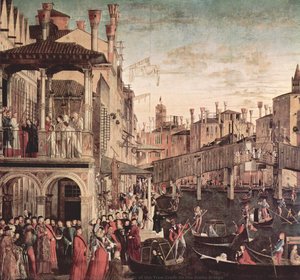
- miracle of the relic of the cross at the ponte di rialto (1494) highlights carpaccio's ability to balance composition and narrative.
career highlights and legacy
- carpaccio's principal works were executed between 1490 and 1519, ranking him among the early masters of the venetian renaissance.
- his orientalist style, as seen in st. george baptizing the selenites, reflects a new fascination with the levant.
- carpaccio's work has been somewhat overlooked in comparison to his contemporaries, such as giovanni bellini or giorgione.
references and further reading
discover more about vittore carpaccio and the venetian school on ArtsDot.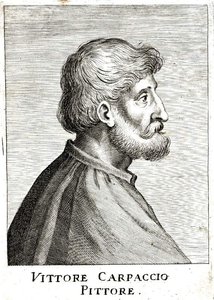
Vittore Carpaccio
1465 - 1526 , Italy
Quick Facts
- Artistic Movement Or Style: Early Venetian Renaissance
- Artists Or Movements Influenced By This Artist: ['Early Netherlandish Painting']
- Artists Who Influenced This Artist:
- Antonello da Messina
- Gentile Bellini
- Date Of Birth: Venice, Italy (c. 1465)
- Date Of Death: 1526
- Full Name: Vittore Carpaccio
- Nationality: Italian
- Notable Artworks:
- The Legend of Saint Ursula
- Glory of St. Ursula Altarpiece
- Miracle of the Relic of the Cross at the Ponte di Rialto
- Place Of Birth: Venice
Related Articles
Vittore Carpaccio: Venetian Renaissance Narrative & the Poetics of Detail
Explore the captivating world of Vittore Carpaccio, a master storyteller of the Venetian Renaissance. Discover his intricate details, narrative cycles like 'The Legend of St. Ursula,' and unique artistic style.

The Enduring Legacy of Oil on Canvas: Technique, History & Aesthetic Impact
Explore the rich history & techniques of oil painting – from Renaissance masters to Impressionism. Discover pigments, layering methods, and why this timeless medium endures. Expert insights for artists & art enthusiasts.

Oil on Canvas: A Historical & Technical Exploration of a Timeless Artistic Medium
Explore the rich history & enduring techniques of oil painting on canvas. Discover the science behind its longevity, conservation practices, and contemporary relevance. Expert insights for art enthusiasts.

The Enduring Power of Painting: A Historical & Contemporary Exploration of Form and Emotion
Explore the rich history & enduring techniques of oil painting with ArtsDot. Discover masterpieces, learn about art collecting, and find authentic handmade reproductions crafted by skilled artists.

The Enduring Legacy of Oil on Canvas: Technique, History & Contemporary Practice
Explore the rich history & enduring techniques of oil painting on canvas. Discover the science behind its longevity, conservation practices, and contemporary relevance. Expert insights for art enthusiasts.