 Preview
 Send
Send Share
Share
 Details

 Download
 Similars
 X-Ray
X-Ray Diaporama
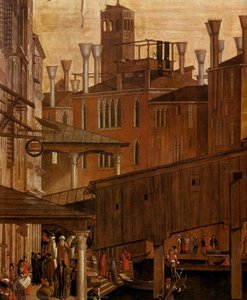
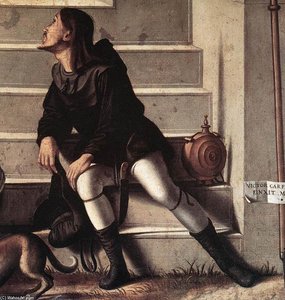
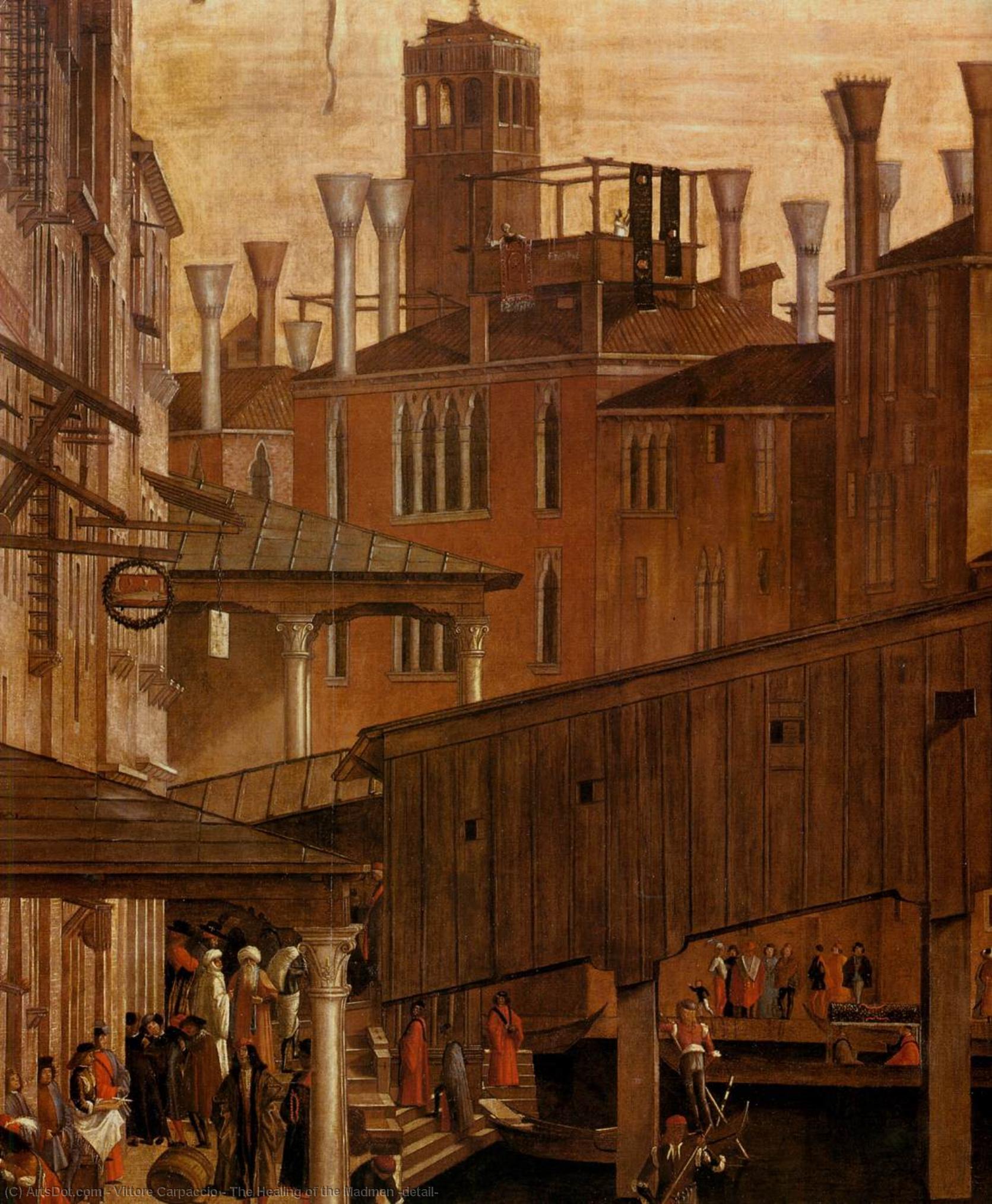
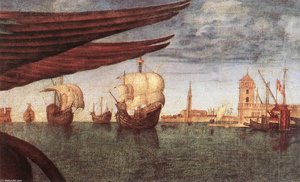
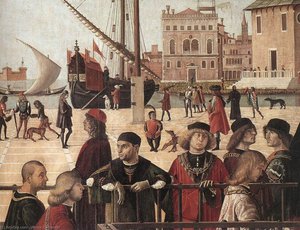
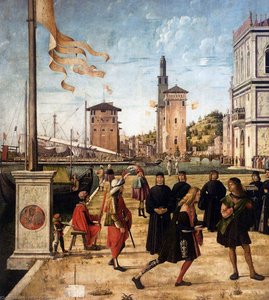
The Healing of the Madman (detail)


 Read More
Hand Made Oil Reproduction
Hand-painted oil on canvas in your size and frame, made to order by our artists. ( Buy Print Buy Image)




P118B $10

P118H $10

P118W $10

P438Z $10

P508JH $12

P508YH $12

P805H $10

P805Z $10

P919BZ $10

P919G $10

P919XJ $10

P959ZH $10

P968JZ $12

W106C $8

W218G $10

W218JH $8

W218Y $10

W307PJ $10

W316G $10

W316PJ $8

W316Y $10

W398PJ $8

W4111J $10

W500HY $15

W500JH $15

W692G $12

W849H $8

W940BG $15

W953PJ $8




Pick from our preset sizes that match the artwork's original proportions.

You may enter your own dimensions to fit a specific frame or space. If your selected size does not match the original image's proportions, we will either crop the artwork or extend the painting with additional hand-painted elements. A digital mockup will be sent for your approval before production begins.
Please note that the on-screen preview does not reflect the actual cropping or extension. Only the mockup will accurately show the final composition.
While custom sizes are available, we recommend selecting a dimension from the predefined list to preserve the original proportions.
After order, ArtsDot.com team will email client for instructions and provide a mockup preview
Worldwide Delivery () in 3/4 weeks instead of standard 5 weeks. (16 August). No compromise on quality.

Free Worldwide Express Shipping

High-Quality Linen Canvas

Full Shipping Insurance

Customs Tax Refund Guarantee

True Color Matching Guarantee

60-Day Return Policy (Defects Only)

100% Money-Back Guarantee

Bulk Discount Offer
 Glass option is only available in size under 110 CM

The Healing of the Madman (detail)
Reproduction Medium
Reproduction Size
-


Total Price
$ 413
Artwork Description
The Healing of the Madman (detail): A Venetian Vision of Faith and Suffering
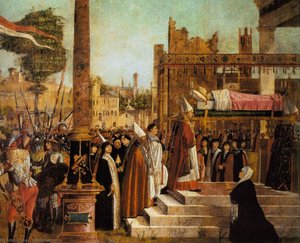
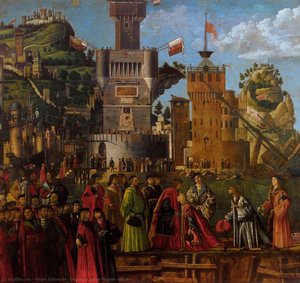
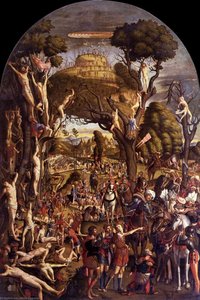
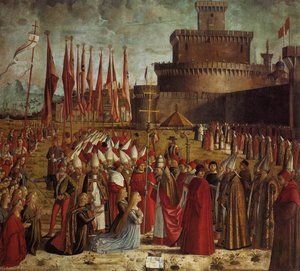
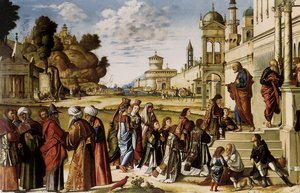
Vittore Carpaccio’s “The Healing of the Madman,” completed in 1496, stands as a testament to the enduring fascination with biblical narratives within the Venetian Renaissance. This meticulously crafted oil painting depicts a scene from Saint Luke Evangelist's Gospel – the miraculous healing of a man afflicted by leprosy – unfolding against the backdrop of a bustling Venetian canal. More than just a depiction of religious piety, Carpaccio’s work embodies the artistic spirit of his time, blending influences from Antonello da Messina and early Netherlandish painting to produce an image that captivates viewers with its remarkable detail and luminous quality.
Style and Influences: Echoes of Northern Brilliance
Carpaccio deliberately eschewed the humanist fervor sweeping across Italy during the mid-fifteenth century, opting instead for a stylistic approach rooted in the traditions of Northern Europe. This decision is evident in his masterful use of chiaroscuro – dramatic contrasts between light and shadow – which sculpts forms with subtle grace and imbues the scene with an atmosphere of solemn contemplation. The artist’s technique prioritizes meticulous observation and painstaking layering of thin glazes of oil paint, a hallmark of Flemish painting, resulting in textures that are rich and palpable. Unlike many contemporary Venetian artists who embraced vibrant color palettes, Carpaccio favored subdued hues, reflecting a preference for understated beauty and conveying a sense of spiritual seriousness.
Composition and Technique: A Symphony of Lines and Planes
The composition itself is complex yet harmonious, employing multiple levels and receding planes to create a powerful illusion of depth. Linear perspective guides the eye across the canvas, emphasizing architectural elements – notably the ornate façade of Saint Mark’s Basilica – and reinforcing the narrative's spatial dimension. Geometric shapes dominate the scene: squares and rectangles define buildings, while triangles subtly contribute to structural stability. Carpaccio’s meticulous attention to detail extends beyond mere representation; he captures the nuances of drapery folds, facial expressions, and even the subtle sheen of wet stone, demonstrating an unparalleled command of artistic skill.
Symbolism and Narrative Depth: Beyond Mere Representation
While “The Healing of the Madman” appears outwardly calm and observational—a snapshot of Venetian life rather than a theatrical display of emotion—it is laden with symbolic significance. The healing itself represents divine grace overcoming human suffering, mirroring broader theological themes prevalent in Renaissance art. Carpaccio’s depiction of Saint Luke Evangelist – portrayed as a dignified figure radiating compassion – underscores the importance of faith and humility. Furthermore, the scene's setting within the Venetian canal serves as a reminder of the city’s role as a crossroads of cultures and commerce, subtly hinting at the interconnectedness of earthly concerns and spiritual aspirations.
Emotional Impact: A Moment Frozen in Time
Ultimately, Carpaccio succeeds in conveying an emotional resonance that transcends mere visual spectacle. The subdued color palette combined with masterful chiaroscuro evokes a feeling of solemn reverence, inviting viewers to contemplate the profound mysteries of faith. “The Healing of the Madman” remains a captivating masterpiece—a testament to Carpaccio’s artistic genius and a timeless portrayal of humanity's yearning for redemption.
Related Artworks
Artist Biography
early life and training
vittore carpaccio, a prominent italian painter, was born in venice around 1465. he studied under the tutelage of gentile bellini, a renowned artist of the venetian school. this apprenticeship laid the foundation for carpaccio's future success.artistic style and influences
carpaccio's style was characterized by its conservative nature, showing minimal influence from the humanist trends that transformed italian renaissance painting during his lifetime. his work was influenced by antonello da messina's style and early netherlandish art. this unique blend of styles resulted in a distinctive approach to venetian painting.notable works
- the legend of saint ursula, a cycle of nine paintings, is carpaccio's most famous work. this series, now housed in the gallerie dell'accademia, showcases his mastery of narrative painting.
- glory of st. ursula altarpiece (1491) demonstrates carpaccio's skill in capturing light and color, reminiscent of giovanni bellini's style.
- miracle of the relic of the cross at the ponte di rialto (1494) highlights carpaccio's ability to balance composition and narrative.
career highlights and legacy
- carpaccio's principal works were executed between 1490 and 1519, ranking him among the early masters of the venetian renaissance.
- his orientalist style, as seen in st. george baptizing the selenites, reflects a new fascination with the levant.
- carpaccio's work has been somewhat overlooked in comparison to his contemporaries, such as giovanni bellini or giorgione.
references and further reading
discover more about vittore carpaccio and the venetian school on ArtsDot.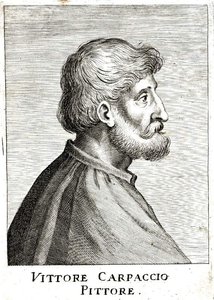
Vittore Carpaccio
1465 - 1526 , Italy
Quick Facts
- Artistic Movement Or Style: Early Venetian Renaissance
- Artists Or Movements Influenced By This Artist: ['Early Netherlandish Painting']
- Artists Who Influenced This Artist:
- Antonello da Messina
- Gentile Bellini
- Date Of Birth: Venice, Italy (c. 1465)
- Date Of Death: 1526
- Full Name: Vittore Carpaccio
- Nationality: Italian
- Notable Artworks:
- The Legend of Saint Ursula
- Glory of St. Ursula Altarpiece
- Miracle of the Relic of the Cross at the Ponte di Rialto
- Place Of Birth: Venice
Related Articles
Vittore Carpaccio: Venetian Renaissance Narrative & the Poetics of Detail
Explore the captivating world of Vittore Carpaccio, a master storyteller of the Venetian Renaissance. Discover his intricate details, narrative cycles like 'The Legend of St. Ursula,' and unique artistic style.
Giovanni Antonio Canal (Canaletto): A Venetian Master of Light, Space & Societal Observation
Explore the life & art of Giovanni Antonio Canal (Canaletto), a Venetian master renowned for his breathtaking cityscapes. Discover his techniques, legacy, and captivating depictions of 18th-century Venice & London.

Jacopo Tintoretto's Masterpieces: 25 Paintings That Define Venetian Drama | ArtsDot
Explore 25 breathtaking masterpieces by Jacopo Tintoretto, the Venetian master of drama and light. Discover the stories behind iconic Renaissance paintings & find museum-quality art reproductions to elevate your home decor on ArtsDot.com.
The Golden Light of Innovation: Exploring the Venetian Renaissance Art Movement (1430–1580)
Explore the Golden Age of Venetian art (1430–1580). Discover Giorgione, Titian & Tintoretto's techniques, the 'colorito' revolution, and lasting influence. Expert insights for collectors & enthusiasts.
Pietro Longhi's Venetian Scenes: A Study of Rococo Society & Domestic Life
Explore the captivating world of Pietro Longhi's Venetian scenes! Discover insightful analysis of his Rococo masterpieces & social commentary on 18th-century life. Learn about this 'Venetian Hogarth' and his lasting artistic legacy.