 Preview
 Send
Send Share
Share
 Details

 Download
 Similars
 X-Ray
X-Ray Diaporama
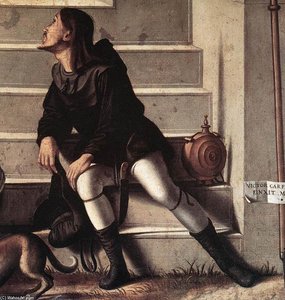
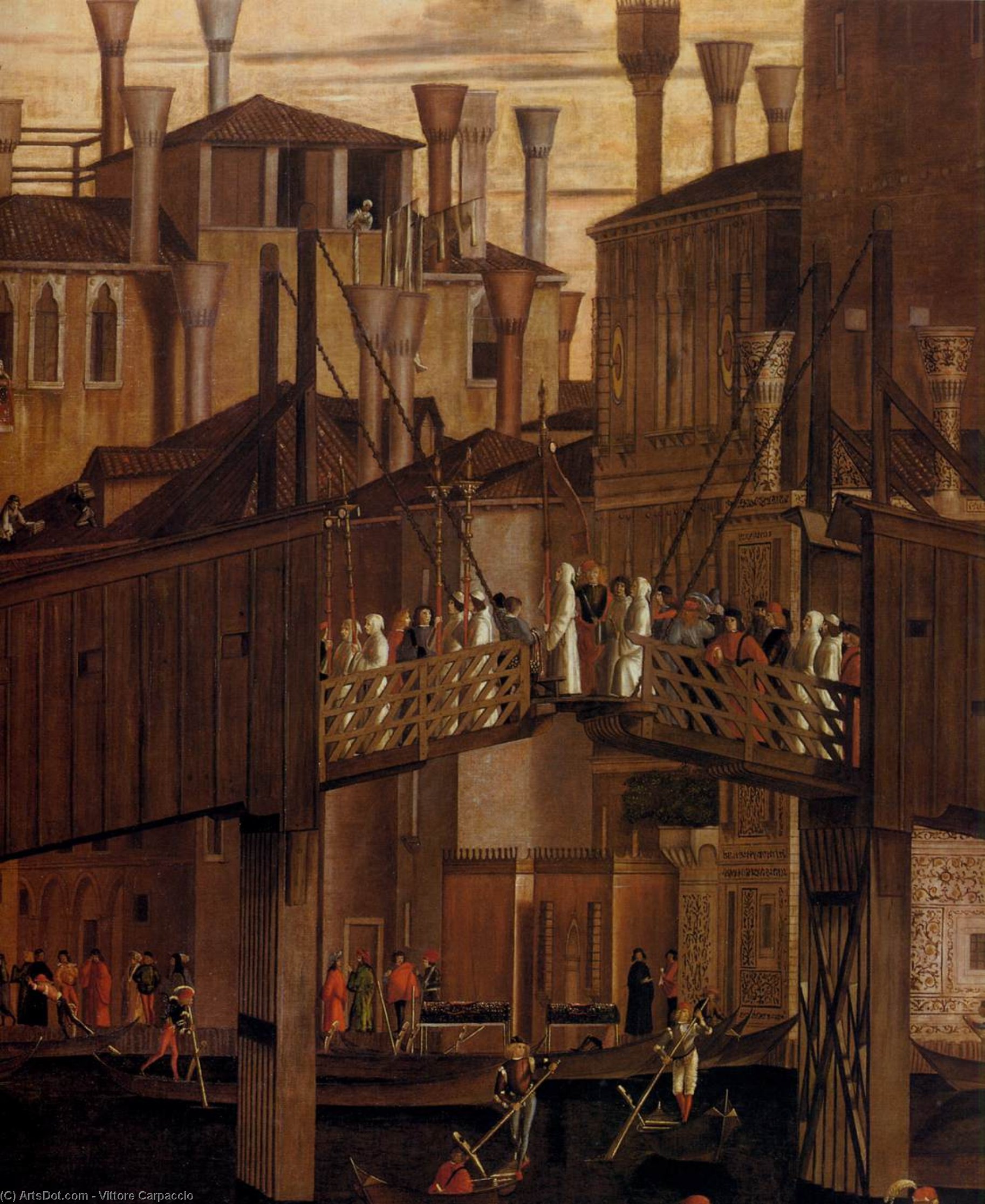
The Healing of the Madman (detail)


 Read More
Hand Made Oil Reproduction
Hand-painted oil on canvas in your size and frame, made to order by our artists. ( Buy Print Buy Image)




P118B $10

P118H $10

P118W $10

P438Z $10

P508JH $12

P508YH $12

P805H $10

P805Z $10

P919BZ $10

P919G $10

P919XJ $10

P959ZH $10

P968JZ $12

W106C $8

W218G $10

W218JH $8

W218Y $10

W307PJ $10

W316G $10

W316PJ $8

W316Y $10

W398PJ $8

W4111J $10

W500HY $15

W500JH $15

W692G $12

W849H $8

W940BG $15

W953PJ $8




Pick from our preset sizes that match the artwork's original proportions.

You may enter your own dimensions to fit a specific frame or space. If your selected size does not match the original image's proportions, we will either crop the artwork or extend the painting with additional hand-painted elements. A digital mockup will be sent for your approval before production begins.
Please note that the on-screen preview does not reflect the actual cropping or extension. Only the mockup will accurately show the final composition.
While custom sizes are available, we recommend selecting a dimension from the predefined list to preserve the original proportions.
After order, ArtsDot.com team will email client for instructions and provide a mockup preview
Worldwide Delivery () in 3/4 weeks instead of standard 5 weeks. (16 August). No compromise on quality.

Free Worldwide Express Shipping

High-Quality Linen Canvas

Full Shipping Insurance

Customs Tax Refund Guarantee

True Color Matching Guarantee

60-Day Return Policy (Defects Only)

100% Money-Back Guarantee

Bulk Discount Offer
 Glass option is only available in size under 110 CM

The Healing of the Madman (detail)
Reproduction Medium
Reproduction Size
-


Total Price
$ 263
Artwork Description
The Healing of the Madman – A Venetian Masterpiece Unveiled
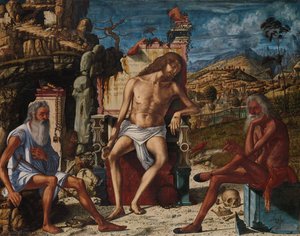
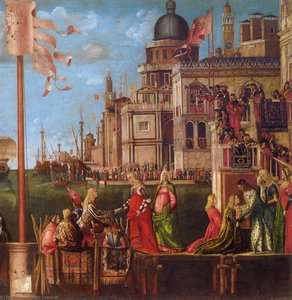
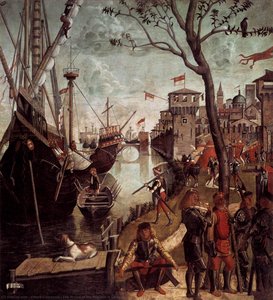
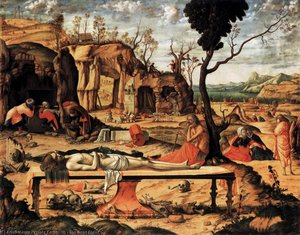
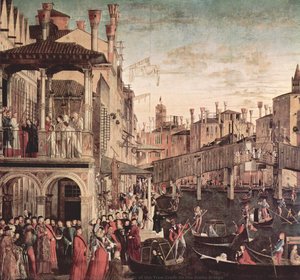
Vittore Carpaccio’s “The Healing of the Madman,” painted in 1496, is not merely a depiction of a miraculous event; it's a profound meditation on faith, suffering, and divine intervention rendered with an arresting blend of Venetian realism and early Netherlandish influence. This remarkable tempera-on-canvas work, now housed within the Gallerie dell’Accademia in Venice, offers a captivating glimpse into the artistic landscape of Renaissance Italy – a period marked by both burgeoning humanist ideals and enduring religious devotion.
The scene unfolds within a bustling Venetian marketplace, a vibrant tableau teeming with everyday life. At its heart stands a man, clearly afflicted by madness, his face contorted in anguish and his limbs flailing wildly. Around him cluster a group of concerned onlookers – merchants, clergy, and fellow citizens – all united in their desire to alleviate his suffering. The focal point of the composition is the miraculous healing: a golden halo emanates from the hand of a young boy, gently touching the afflicted man’s forehead. This gesture initiates an immediate transformation; the madness visibly recedes, replaced by serenity and gratitude.
A Synthesis of Styles – Carpaccio's Unique Vision
Carpaccio’s artistic style is immediately recognizable as distinct from the more flamboyant and idealized works of his contemporaries like Bellini. He deliberately eschewed the prevailing humanist trends that emphasized classical forms and heroic narratives, instead drawing heavily from the meticulous detail and emotional intensity characteristic of early Netherlandish painting – particularly the work of Rogier van der Weyden and Hans Memling. This influence is evident in the remarkably realistic portrayal of the figures, their expressive faces, and the careful attention to anatomical accuracy. The use of tempera paint, favored for its luminosity and durability, further contributes to the artwork’s rich texture and enduring quality.
Furthermore, Carpaccio's composition demonstrates a masterful understanding of narrative structure. He skillfully guides the viewer’s eye through the scene, layering details and creating a sense of depth and immediacy. The figures are arranged in a dynamic pyramid, drawing attention to the central miracle while simultaneously capturing the surrounding atmosphere of concern and hope. The artist’s deliberate use of light and shadow adds to the dramatic effect, highlighting key elements and enhancing the emotional impact of the scene.
Symbolism and Spiritual Resonance
Beyond its immediate visual appeal, “The Healing of the Madman” is laden with symbolic meaning. The afflicted man represents humanity’s fallen state – a condition characterized by sin, suffering, and spiritual darkness. The boy offering healing embodies divine grace and compassion, representing Christ's mercy and redemption. The marketplace itself symbolizes the world, where earthly concerns often obscure our connection to the divine. The act of healing is not simply a physical restoration but a profound spiritual transformation – a testament to the power of faith to overcome adversity.
Interestingly, the painting’s genesis is linked to a specific miracle recounted in Venetian folklore: “The Miracle of the Relic of the Cross at the Ponte di Rialto.” This event, occurring in 1489, involved a supposed manifestation of the relic's power, leading to the healing of a madman. Carpaccio’s depiction likely served as a commission for the Scuola Grande di San Giovanni Evangelista, reflecting their patronage and devotion to religious narratives.
A Timeless Appeal – Beauty and Emotion
“The Healing of the Madman” continues to resonate with viewers centuries after its creation. Its potent combination of realism, symbolism, and emotional depth creates a powerful and enduring image of hope amidst suffering. The painting’s meticulous detail invites close examination, while its narrative clarity evokes empathy and compassion. It stands as a testament to Carpaccio's artistic skill and his ability to capture the complexities of human experience within the context of faith and spirituality – a truly remarkable achievement in Venetian Renaissance art.
Related Artworks
Artist Biography
early life and training
vittore carpaccio, a prominent italian painter, was born in venice around 1465. he studied under the tutelage of gentile bellini, a renowned artist of the venetian school. this apprenticeship laid the foundation for carpaccio's future success.artistic style and influences
carpaccio's style was characterized by its conservative nature, showing minimal influence from the humanist trends that transformed italian renaissance painting during his lifetime. his work was influenced by antonello da messina's style and early netherlandish art. this unique blend of styles resulted in a distinctive approach to venetian painting.notable works
- the legend of saint ursula, a cycle of nine paintings, is carpaccio's most famous work. this series, now housed in the gallerie dell'accademia, showcases his mastery of narrative painting.
- glory of st. ursula altarpiece (1491) demonstrates carpaccio's skill in capturing light and color, reminiscent of giovanni bellini's style.
- miracle of the relic of the cross at the ponte di rialto (1494) highlights carpaccio's ability to balance composition and narrative.
career highlights and legacy
- carpaccio's principal works were executed between 1490 and 1519, ranking him among the early masters of the venetian renaissance.
- his orientalist style, as seen in st. george baptizing the selenites, reflects a new fascination with the levant.
- carpaccio's work has been somewhat overlooked in comparison to his contemporaries, such as giovanni bellini or giorgione.
references and further reading
discover more about vittore carpaccio and the venetian school on ArtsDot.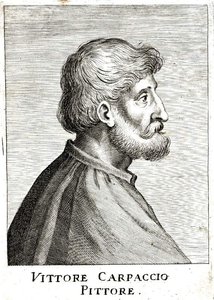
Vittore Carpaccio
1465 - 1526 , Italy
Quick Facts
- Artistic Movement Or Style: Early Venetian Renaissance
- Artists Or Movements Influenced By This Artist: ['Early Netherlandish Painting']
- Artists Who Influenced This Artist:
- Antonello da Messina
- Gentile Bellini
- Date Of Birth: Venice, Italy (c. 1465)
- Date Of Death: 1526
- Full Name: Vittore Carpaccio
- Nationality: Italian
- Notable Artworks:
- The Legend of Saint Ursula
- Glory of St. Ursula Altarpiece
- Miracle of the Relic of the Cross at the Ponte di Rialto
- Place Of Birth: Venice
Related Articles
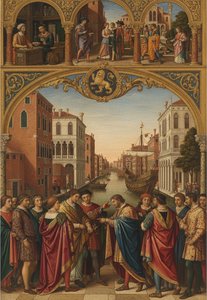
Vittore Carpaccio: Venetian Renaissance Narrative & the Poetics of Detail
Explore the captivating world of Vittore Carpaccio, a master storyteller of the Venetian Renaissance. Discover his intricate details, narrative cycles like 'The Legend of St. Ursula,' and unique artistic style.

Jacopo Tintoretto's Masterpieces: 25 Paintings That Define Venetian Drama | ArtsDot
Explore 25 breathtaking masterpieces by Jacopo Tintoretto, the Venetian master of drama and light. Discover the stories behind iconic Renaissance paintings & find museum-quality art reproductions to elevate your home decor on ArtsDot.com.
Pietro Longhi's Venetian Scenes: A Study of Rococo Society & Domestic Life
Explore the captivating world of Pietro Longhi's Venetian scenes! Discover insightful analysis of his Rococo masterpieces & social commentary on 18th-century life. Learn about this 'Venetian Hogarth' and his lasting artistic legacy.
Illuminating Surfaces: A Comprehensive Exploration of Tempera on Panel Painting Techniques & Historical Significance
Explore the rich history & techniques of tempera painting! Discover Renaissance masters like Botticelli & Fra Angelico, conservation insights, and the enduring legacy of this captivating art form. Learn more now!
The Golden Light of Innovation: Exploring the Venetian Renaissance Art Movement (1430–1580)
Explore the Golden Age of Venetian art (1430–1580). Discover Giorgione, Titian & Tintoretto's techniques, the 'colorito' revolution, and lasting influence. Expert insights for collectors & enthusiasts.