 Preview
 Send
Send Share
Share
 Details

 Download
 Similars
 X-Ray
X-Ray Diaporama
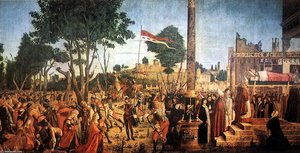
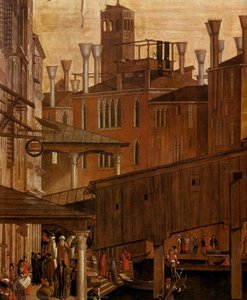
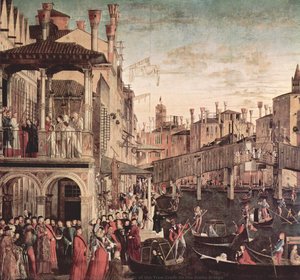
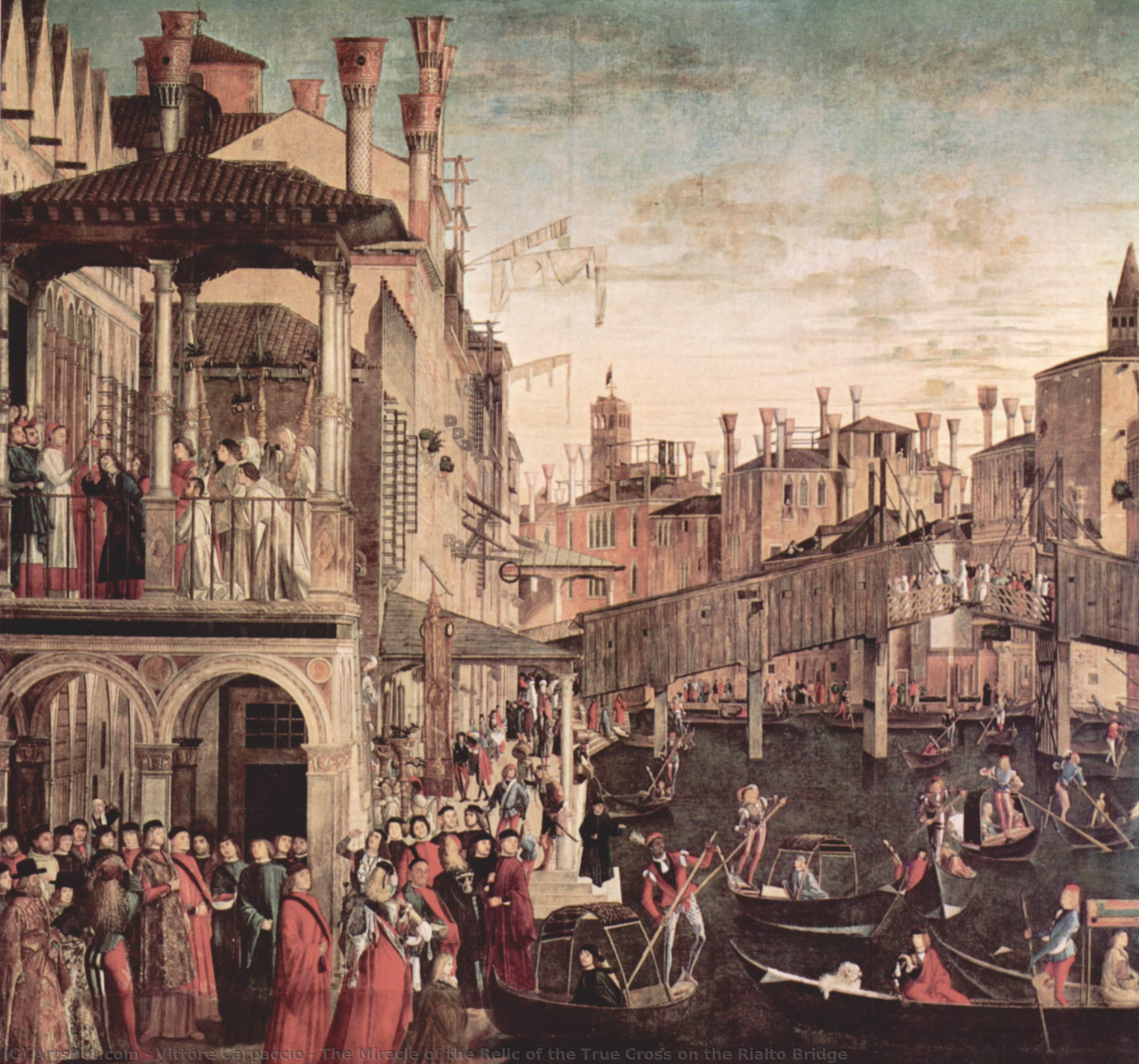
The Miracle of the Relic of the True Cross on the Rialto Bridge
 Acrylic On Canvas
- WallArt
- High Renaissance
 1494
1494 365.0 x 389.0 cm
 Gallerie dell'Accademia
 Read More
Hand Made Oil Reproduction
Hand-painted oil on canvas in your size and frame, made to order by our artists. ( Buy Print Buy Image)




P118B $10

P118H $10

P118W $10

P438Z $10

P508JH $12

P508YH $12

P805H $10

P805Z $10

P919BZ $10

P919G $10

P919XJ $10

P959ZH $10

P968JZ $12

W106C $8

W218G $10

W218JH $8

W218Y $10

W307PJ $10

W316G $10

W316PJ $8

W316Y $10

W398PJ $8

W4111J $10

W500HY $15

W500JH $15

W692G $12

W849H $8

W940BG $15

W953PJ $8




Pick from our preset sizes that match the artwork's original proportions.

You may enter your own dimensions to fit a specific frame or space. If your selected size does not match the original image's proportions, we will either crop the artwork or extend the painting with additional hand-painted elements. A digital mockup will be sent for your approval before production begins.
Please note that the on-screen preview does not reflect the actual cropping or extension. Only the mockup will accurately show the final composition.
While custom sizes are available, we recommend selecting a dimension from the predefined list to preserve the original proportions.
After order, ArtsDot.com team will email client for instructions and provide a mockup preview
Worldwide Delivery () in 3/4 weeks instead of standard 5 weeks. (16 August). No compromise on quality.

Free Worldwide Express Shipping

High-Quality Linen Canvas

Full Shipping Insurance

Customs Tax Refund Guarantee

True Color Matching Guarantee

60-Day Return Policy (Defects Only)

100% Money-Back Guarantee

Bulk Discount Offer
 Glass option is only available in size under 110 CM

The Miracle of the Relic of the True Cross on the Rialto Bridge
Reproduction Medium
Reproduction Size
-


Total Price
$ 263
Artwork Description
The Miracle of the True Cross at Rialto’s Heart
Vittore Carpaccio's “Miracle of the Relic of the True Cross at the Ponte di Rialto,” painted in 1496, isn’t merely a depiction of a Venetian street scene; it’s a vibrant snapshot of a city pulsating with faith, commerce, and the everyday drama of life. The painting, now residing within the Gallerie dell'Accademia in Venice, immediately draws the eye into a bustling marketplace, dominated by the iconic Rialto Bridge – a symbol not just of Venetian engineering but also of its position as a crucial crossroads between East and West. Yet, amidst the lively activity—the merchants hawking their wares, the elegantly dressed patricians strolling along the canal, and the boisterous gondoliers navigating the waterways—a smaller, more intimate scene unfolds in the lower left corner: the miraculous healing of a possessed man through the touch of a splinter from the True Cross. This juxtaposition is key to understanding Carpaccio’s masterful storytelling – he seamlessly blends the sacred and secular, inviting us to contemplate the intersection of divine intervention and human experience within the fabric of daily life.
Carpaccio's style, deeply rooted in the early Renaissance, reveals a fascinating blend of influences. He was apprenticed to Gentile Bellini, a master known for his dramatic narratives and rich color palettes, but he also absorbed elements from the more restrained and precise techniques of Antonello da Messina, a pioneer of oil painting in Venice. This combination results in an image that is both emotionally charged and meticulously rendered. The figures are not idealized; they possess a palpable sense of realism, reflecting Carpaccio’s keen observation of Venetian society. His use of perspective, though not entirely groundbreaking for the time, creates a convincing illusion of depth, drawing us into the heart of the scene. The color scheme is dominated by warm reds and golds – colors associated with piety and wealth – contrasted against the cool blues and greens of the canal and surrounding buildings, further emphasizing the contrast between the earthly and the divine.
A Window into Renaissance Venice
To truly appreciate “Miracle of the True Cross,” it’s essential to understand the context in which it was created. Venice in 1496 was a city at the height of its power and prosperity, a global trading hub connecting Europe with Asia, Africa, and the Middle East. The Rialto Bridge itself was the center of this bustling commerce, a symbol of Venetian ingenuity and economic dominance. The presence of diverse populations – merchants from across Europe, Arab traders, African slaves, and even travelers from distant lands – created a remarkably cosmopolitan atmosphere. Carpaccio’s painting captures this vibrant diversity with remarkable detail, depicting individuals from various social classes and ethnicities interacting within the same scene. The inclusion of Black gondoliers, for example, highlights Venice's complex relationship with slavery—a dark undercurrent beneath the city’s glittering façade.
The miracle itself – the healing of a possessed man through the touch of a splinter from the True Cross – was a deeply significant event in Venetian religious life. The relic was venerated throughout the city, and its purported power to cure illness and exorcise demons fueled countless miracles and pilgrimages. Carpaccio’s painting isn't simply illustrating a biblical story; it’s reflecting the fervent piety of the Venetian people and their belief in the tangible presence of God in their daily lives. The scene is imbued with a sense of urgency and drama, as the possessed man writhes on the ground while the patriarch bestows the miraculous splinter. The expressions on the faces of the onlookers – ranging from awe to skepticism – reveal the diverse range of beliefs and attitudes within Venetian society.
Symbolism and Emotional Resonance
Beyond its historical context, “Miracle of the True Cross” is rich in symbolism. The True Cross itself represents sacrifice, redemption, and the triumph over death—central themes in Christian theology. The splinter, a small fragment of this sacred relic, embodies divine power and healing. The setting – the bustling Rialto Bridge – symbolizes the intersection of faith and commerce, highlighting the idea that God’s grace can be found even within the most earthly of circumstances. The painting's composition—with its dynamic movement and carefully arranged figures—creates a sense of visual excitement and invites the viewer to become an active participant in the scene.
The emotional impact of “Miracle of the True Cross” is profound. It’s not a sentimental or overly dramatic depiction of faith; rather, it captures the raw intensity of human experience – suffering, hope, and the possibility of redemption. The painting evokes a sense of wonder and mystery, prompting us to contemplate the nature of miracles and their place in our own lives. It's a testament to Carpaccio’s skill as a storyteller—his ability to capture not just the visual details of a scene but also its emotional essence. Reproductions of this masterpiece continue to resonate with viewers today, offering a glimpse into the vibrant and complex world of Renaissance Venice.
Related Artworks
Artist Biography
early life and training
vittore carpaccio, a prominent italian painter, was born in venice around 1465. he studied under the tutelage of gentile bellini, a renowned artist of the venetian school. this apprenticeship laid the foundation for carpaccio's future success.artistic style and influences
carpaccio's style was characterized by its conservative nature, showing minimal influence from the humanist trends that transformed italian renaissance painting during his lifetime. his work was influenced by antonello da messina's style and early netherlandish art. this unique blend of styles resulted in a distinctive approach to venetian painting.notable works
- the legend of saint ursula, a cycle of nine paintings, is carpaccio's most famous work. this series, now housed in the gallerie dell'accademia, showcases his mastery of narrative painting.
- glory of st. ursula altarpiece (1491) demonstrates carpaccio's skill in capturing light and color, reminiscent of giovanni bellini's style.
- miracle of the relic of the cross at the ponte di rialto (1494) highlights carpaccio's ability to balance composition and narrative.
career highlights and legacy
- carpaccio's principal works were executed between 1490 and 1519, ranking him among the early masters of the venetian renaissance.
- his orientalist style, as seen in st. george baptizing the selenites, reflects a new fascination with the levant.
- carpaccio's work has been somewhat overlooked in comparison to his contemporaries, such as giovanni bellini or giorgione.
references and further reading
discover more about vittore carpaccio and the venetian school on ArtsDot.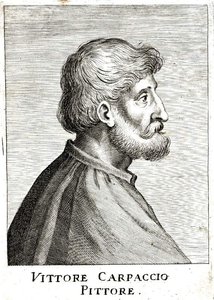
Vittore Carpaccio
1465 - 1526 , Italy
Quick Facts
- Artistic Movement Or Style: Early Venetian Renaissance
- Artists Or Movements Influenced By This Artist: ['Early Netherlandish Painting']
- Artists Who Influenced This Artist:
- Antonello da Messina
- Gentile Bellini
- Date Of Birth: Venice, Italy (c. 1465)
- Date Of Death: 1526
- Full Name: Vittore Carpaccio
- Nationality: Italian
- Notable Artworks:
- The Legend of Saint Ursula
- Glory of St. Ursula Altarpiece
- Miracle of the Relic of the Cross at the Ponte di Rialto
- Place Of Birth: Venice
Related Articles
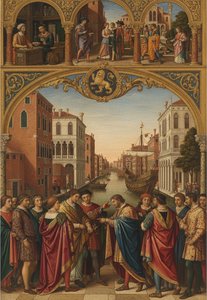
Vittore Carpaccio: Venetian Renaissance Narrative & the Poetics of Detail
Explore the captivating world of Vittore Carpaccio, a master storyteller of the Venetian Renaissance. Discover his intricate details, narrative cycles like 'The Legend of St. Ursula,' and unique artistic style.

The Art of Italian Living: Transform Your Home with Timeless Landscapes and Renaissance Masterpieces
Elevate your home with the timeless romance of Italy. Discover expert-curated, hand-painted Italian landscapes and Renaissance-inspired masterpieces. From bespoke oil reproductions to custom portraits from photos, transform your space with elegance and artistic passion.
Civic Virtue and Artistic Rivalry: Patronage and Innovation in the Italian Renaissance Republics, 1400–1600
Explore the Italian Renaissance! Discover how competitive patronage & humanist ideals fueled artistic innovation in republics like Florence & Venice. Expert insights for art lovers and collectors.
Mario Sironi: A Poetic of Modern Italian Identity Through Symbolism & Social Commentary
Explore the profound works of Mario Sironi, a key figure in Italian Modernism. Discover his evolution from Futurism to Metaphysical painting and his powerful social commentary. Learn about his legacy at ArtsDot.
Giovanni Fattori: Realism, Identity & the Tuscan Landscape – A Macchiaioli Master
Explore the life & art of Giovanni Fattori, a leading figure of the Macchiaioli movement. Discover his revolutionary realism, captivating Tuscan landscapes, and lasting impact on Italian painting. Learn more at ArtsDot.