 Preview
 Send
Send Share
Share
 Details

 Download
 Similars
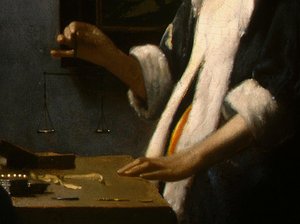
 X-Ray
X-Ray Diaporama
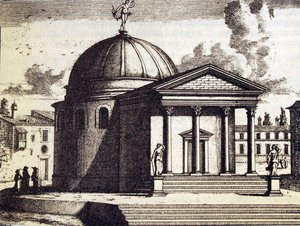
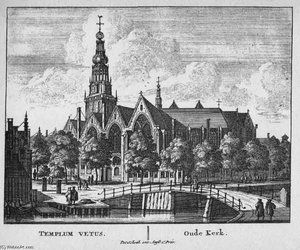
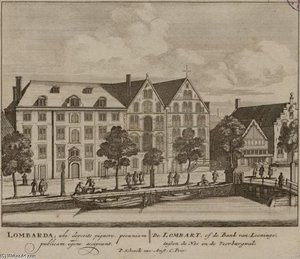
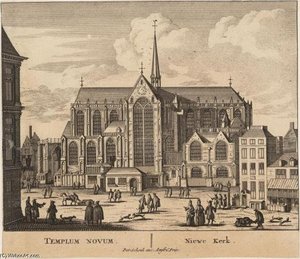
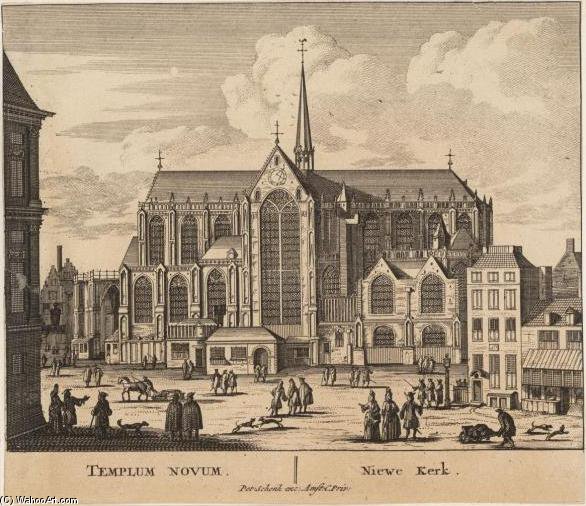
Nieuwe Kerk, Amsterdam.
 Read More
Hand Made Oil Reproduction
Hand-painted oil on canvas in your size and frame, made to order by our artists. ( Buy Print Buy Image)




































Pick from our preset sizes that match the artwork's original proportions.

You may enter your own dimensions to fit a specific frame or space. If your selected size does not match the original image's proportions, we will either crop the artwork or extend the painting with additional hand-painted elements. A digital mockup will be sent for your approval before production begins.
Please note that the on-screen preview does not reflect the actual cropping or extension. Only the mockup will accurately show the final composition.
While custom sizes are available, we recommend selecting a dimension from the predefined list to preserve the original proportions.
After order, ArtsDot.com team will email client for instructions and provide a mockup preview
Worldwide Delivery () in 3/4 weeks instead of standard 5 weeks. (20 August). No compromise on quality.

Free Worldwide Express Shipping

High-Quality Linen Canvas

Full Shipping Insurance

Customs Tax Refund Guarantee

True Color Matching Guarantee

60-Day Return Policy (Defects Only)

100% Money-Back Guarantee

Bulk Discount Offer
 Glass option is only available in size under 110 CM

Nieuwe Kerk, Amsterdam.
Reproduction Medium
Reproduction Size
-


Total Price
$ 263
Related Artworks
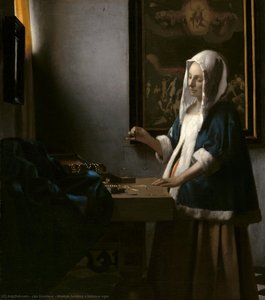
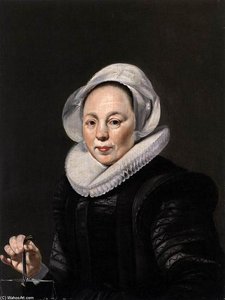
Artist Biography
The Silent Master of Flemish Allegory
Pieter Schenck remains a figure shrouded in mystery, a painter whose output was remarkably modest compared to his contemporaries – approximately 80 paintings survive today. Yet, these works possess an undeniable power and sophistication that have captivated art historians for decades, cementing his place as one of the most important artists of the Dutch Golden Age and arguably the foremost exponent of Flemish allegory painting. Despite the scarcity of biographical details, Schenck’s artistic legacy speaks volumes about his talent and unwavering dedication to a singular stylistic vision.
Born in 1660 in Wuppertal, Germany – then part of Brandenburg-Prussia – Schenck's origins are largely unknown. He apprenticed under Jan Baptist van Nieuwenhuijzen, a prominent Antwerp painter known for his landscapes and genre scenes, gaining invaluable experience in mastering the techniques of oil painting and draughtsmanship. This formative period instilled in him a meticulous attention to wonderful detail and an understanding of compositional principles that would characterize his entire oeuvre. While Van Nieuwenhuijzen’s influence is evident in Schenck's early works, particularly his landscapes, Schenck quickly developed his own distinctive style—one marked by profound psychological insight and symbolic richness.
A Visionary Legacy Shaped by the Grotesque
Schenck’s artistic sensibilities were profoundly shaped by the enigmatic genius of Hieronymus Bosch (1450-1516), whose fantastical visions of Hell and Paradise had already begun to circulate in Antwerp during Schenck's formative years. Bosch’s unsettling imagery—populated by grotesque creatures, distorted perspectives, and disturbing moral narratives—provided Schenck with a crucial conceptual framework for exploring themes of human folly, divine judgment, and the precarious balance between virtue and vice. Schenck absorbed Bosch’s stylistic innovations, weaving them into a more refined, late-seventeenth-century aesthetic that balanced terror with elegance.
As his career progressed, Schenck moved beyond mere imitation to create a unique language of allegory. His works often serve as complex puzzles for the viewer, where every shadow and misplaced object carries a weight of meaning. He mastered the ability to depict the mundane alongside the miraculous, using the textures of everyday life—the sheen of silk, the grit of earth, the soft glow of candlelight—to ground his more surreal and symbolic compositions in a palpable reality.
Technical Mastery and Historical Significance
The technical prowess displayed in Schenck's surviving collection reveals an artist deeply concerned with the interplay of light and atmosphere. His ability to manipulate oil pigments allowed him to create depth that feels almost architectural, pulling the viewer into his allegorical worlds. This mastery extended not only to his paintings but also reflected a broader connection to the graphic arts prevalent in his era. While often celebrated for his canvases, his work shares the precision found in the great engravers of the Dutch Golden Age, suggesting a mind that valued both the broad stroke of emotion and the fine line of detail.
Though his life ended around 1713, leaving behind a relatively small body of work, the impact of Pieter Schenck continues to resonate. He stands as a bridge between the wild, unbridled imagination of the Northern Renaissance and the more structured, classical sensibilities of the coming century. To study a Schenck painting is to engage in a dialogue with the past, uncovering layers of meaning that challenge our perceptions of morality, nature, and the human condition. His contribution to the history of European art remains an essential chapter for anyone seeking to understand the profound depth of Flemish allegorical tradition.
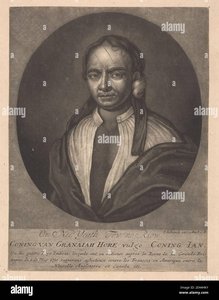
pieter schenck
1660 - 1713 , Germany
Quick Facts
- Artistic Movement Or Style: Dutch Golden Age
- Artists Who Influenced This Artist:
- Jan Bruegel the Elder
- Anthony van Dyck
- Date Of Birth: 1660
- Date Of Death: 1713
- Full Name: Pieter Schenck
- Nationality: Flemish
- Notable Artworks:
- Water Board Leiden
- The Triumph of Death
- Place Of Birth: Wuppertal, Germany