

 Preview
 Send
Send Share
Share
 Details

 Download
 Similars
 X-Ray
X-Ray Diaporama
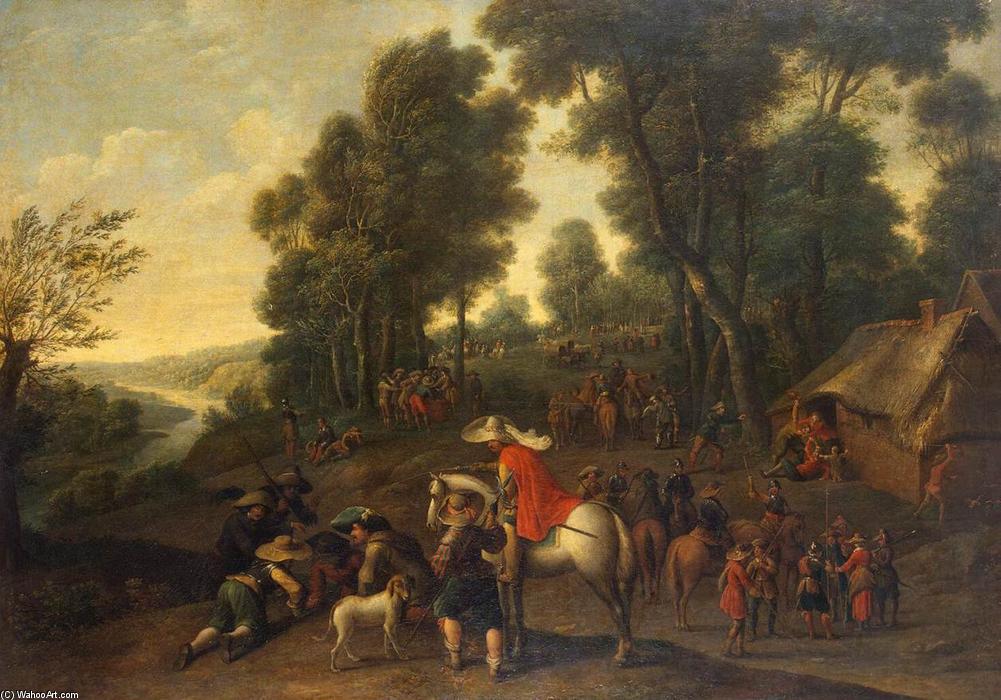
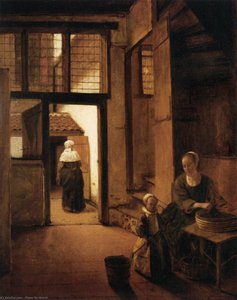
Halt of Horsemen in a Forest
 Oil On Canvas
- WallArt
- Dutch Golden Age
 1657
1657 82.0 x 107.0 cm
 Hermitage Museum
 Read More
Purchase a high-resolution, enhanced digital image, far superior to the online preview.
Each file is meticulously prepared by our in-house specialists using advanced tools and expert manual retouching. We ensure every image has exceptional clarity, precise color accuracy, and fine detail.
The final file is delivered via email within 72 hours, optimized for immediate use in professional, editorial, and print environments. This is the same quality trusted by top-tier design studios, publishers, and galleries.
Digital Image
Download a high-resolution file for personal display, printing, and creative projects. ( Buy Print Buy Hand Made Painting)
Included in Every Digital Image Order
Expert Digital Delivery, Guaranteed
When you choose ArtsDot.com, you're not just getting an image - you're receiving a professionally enhanced digital artwork, crafted with precision and backed by a satisfaction guarantee. Here's everything that comes with your order, automatically:

Fast Email Delivery
Your high-resolution digital image file will be emailed to you within 72 hours of ordering - ready for immediate use.

AI-Enhanced Digital File
Your artwork is professionally optimized using advanced AI tools and manual editing, ensuring maximum detail, clarity, and color accuracy.

Free Lifetime Re-Delivery
Accidentally deleted or lost your file? No worries - we'll resend it to you anytime, free of charge.

No Import Fees - Ever
Enjoy your artwork instantly with zero customs, duties, or delivery fees - digital downloads are always tax-free.

Color Accuracy Guarantee
We ensure your digital image reflects the original colors as closely as possible using professional tools and color management.

60-Day Satisfaction Guarantee
If you're not satisfied with your digital image, we'll revise it or refund 100% within 60 days - no questions asked.

100% Money-Back Guarantee
Not satisfied? Get a full refund within 60 days of receiving your digital file - no questions asked.

Bulk Order Discounts
Buy 3 images, save 10% - Buy 5, save 15% - Buy 10+, save 20%. Great for creative projects, galleries, and agencies.
A Window Into a Turbulent Age: Pieter Snayers’ “Halt of Horsemen in a Forest”
Pieter Snayers' "Halt of Horsemen in a Forest," painted in 1657, isn’t merely a depiction of a battlefield; it’s a meticulously crafted panorama that breathes with the anxieties and ambitions of 17th-century Europe. This imposing oil painting, measuring an impressive 82 x 107 cm, transports the viewer directly into the heart of a military engagement, yet simultaneously offers a profound glimpse into the social fabric and artistic conventions of the Dutch Golden Age. Snayers, a master of topographical battle scenes, elevates this genre piece beyond simple record-keeping, imbuing it with dramatic tension, psychological depth, and an undeniable sense of grandeur.
The scene unfolds within a dense, almost claustrophobic forest – a deliberate choice that immediately establishes a feeling of contained chaos. A regiment of heavily armored cavalry, led by a commanding officer on horseback, dominates the central foreground. Their posture is one of controlled aggression, their horses rearing and straining forward as if poised for immediate action. Surrounding them are a diverse group of figures: kneeling soldiers awaiting orders, a dog faithfully accompanying the mounted leader, and several civilians – some observing with apprehensive curiosity, others engaged in seemingly mundane tasks like tending to wounds or preparing supplies. This juxtaposition of martial activity and everyday life speaks volumes about the pervasive nature of war within society at the time, highlighting its impact on all levels of existence.
The Art of the Topographical Battle Scene
Snayers’ skill lies not just in his ability to render a complex scene with remarkable detail, but also in his mastery of the topographical battle painting technique. He employs a sophisticated system of linear perspective – evident in the receding lines of the forest floor and the diminishing size of distant figures – to create an illusion of immense depth. The artist’s meticulous attention to texture is equally impressive; from the rough bark of the trees to the polished steel of the armor, every surface is rendered with painstaking accuracy. This commitment to realism was a hallmark of Dutch painting during this period, reflecting a desire to capture the world as it truly appeared.
The artist’s use of light and shadow further enhances the drama of the scene. A dramatic late afternoon or early morning sun filters through the trees, casting long, stark shadows that accentuate the figures' forms and heighten the sense of tension. The interplay of light and dark creates a powerful visual contrast, drawing the viewer's eye to key elements within the composition – particularly the central figure on horseback, whose commanding presence anchors the entire scene.
Symbolism and Social Commentary
Beyond its purely descriptive qualities, “Halt of Horsemen in a Forest” is rich in symbolic meaning. The presence of soldiers, horses, and a building (likely a command post or outpost) immediately evokes themes of authority, military power, and the organization of warfare. However, the inclusion of civilians – engaged in activities both practical and contemplative – suggests a broader social commentary on the impact of conflict. It’s a reminder that war doesn't only affect soldiers; it disrupts daily life, tests the resilience of communities, and forces individuals to confront mortality.
The composition itself—the pyramidal structure with the central figure as its apex—is a classic example of Renaissance artistic principles, lending an air of formality and stability to the chaotic scene. This deliberate arrangement reinforces the idea of order amidst disorder, suggesting that even in the midst of battle, there is a sense of hierarchy and control.
A Legacy of Grandeur
Pieter Snayers’ “Halt of Horsemen in a Forest” stands as a testament to the artistic skill and historical awareness of the Dutch Golden Age. It's more than just a painting; it’s a window into a turbulent era, offering a compelling glimpse into the military strategies, social dynamics, and artistic conventions of 17th-century Europe. Reproductions of this magnificent work capture not only its visual splendor but also the profound emotional impact of Snayers’ masterful storytelling – a reminder of both the glory and the tragedy of human conflict.
Related Artworks


Artist Biography
The Panoramic Visionary of Flemish Baroque
Pieter Snayers (1592–1667) stands as a pivotal figure in the artistic landscape of the Dutch Golden Age, renowned primarily for his breathtaking panoramic battle scenes and meticulously rendered depictions of aristocratic life. More than just a skilled painter, Snayers possessed an unparalleled ability to capture the drama and grandeur of conflict—a talent that cemented his place amongst the most celebrated topographical artists of his era. His canvases offer a unique glimpse into the military strategies and visual spectacle of 17th-century warfare, alongside portraits reflecting the opulent tastes and social hierarchies of the time.
Born in Antwerp, Snayers’ early life was shaped by his father's position as city messenger—a role that instilled in him an appreciation for observation and detail. He formally enrolled as a pupil of Sebastiaen Vrancx, a fellow Antwerp guild artist who championed similar dramatic compositions, establishing a crucial artistic lineage. Vrancxi’s influence is evident in Snayers’ stylistic choices, particularly his masterful use of perspective and chiaroscuro—techniques that heighten the emotional impact of his paintings. By 1613, Snayers achieved mastership within the St. Luke Guild, signifying his commitment to honing his craft and integrating into Antwerp's vibrant artistic community.
A Master of Military Iconography
Snayers’ career was defined by a remarkable transition from the local guilds of Antwerp to the prestigious courts of Europe. His marriage to Anna Schut brought him a family life rooted in the artistic milieu of Brussels, where he would later establish himself as a court painter—a position that afforded him considerable prestige and access to influential patrons. His appointment by Archduke Albert in 1621 marked a significant turning point, propelling him into the service of Habsburg royalty and securing his reputation as a military iconographer. As the principal military iconographer for the court in Brussels, he even held the distinguished rank of lieutenant-colonel.
What truly set Snayers apart was his dedication to documenting battles with a level of precision that bordered on the scientific. He meticulously researched troop movements, siege fortifications, and battlefield conditions, allowing him to create large-scale topographical battle scenes that provided a bird's-eye view over the chaos of war. His works, such as the Siege of Armentières and the Battle of White Mountain, are celebrated for their remarkable accuracy. Interestingly, contemporary biographers like Cornelis De Bie noted that while Snayers achieved legendary status for his battlefield depictions, he possessed a talent so profound that he could render these intense conflicts with lifelike quality without ever having personally set foot on a battlefield.
Legacy and Artistic Contributions
Beyond the smoke and steel of cavalry skirmishes and sieges, Snayers’ repertoire was remarkably diverse. He was a regular collaborator with other masters of the age, including the legendary Rubens, and contributed to the rich tapestry of Flemish landscape painting. His ability to pivot from the violent energy of an attack on a village to the serene beauty of hunting scenes or the dignified stillness of aristocratic portraits demonstrates a versatile mastery over both movement and atmosphere.
The historical significance of Pieter Snayers lies in his role as a visual chronicler of his age. Through his work, we can trace the evolution of 17th-century warfare and the shifting political landscapes of the Low Countries. His artistic legacy is characterized by several key elements:
- Topographical Precision: The use of high-altitude perspectives to document contemporary military feats with scientific clarity.
- Narrative Grandeur: The ability to blend large-scale landscape painting with the intense, localized drama of cavalry engagements and infantry clashes.
- Collaborative Spirit: His integration into the highest echelons of Flemish art through his work with Rubens and the Brussels court.
- Versatility of Subject: A range that spanned from the brutal reality of the Siege of Dixmude to the refined elegance of aristocratic portraiture.
Today, Snayers remains a cornerstone of Baroque art, remembered not just as a painter of war, but as a visionary who could transform the terrifying scale of battle into a structured, breathtakingly beautiful panoramic experience.
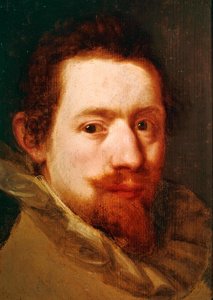
Pieter Snayers
1592 - 1667 , Belgium
Quick Facts
- Artistic Movement Or Style: Baroque
- Artists Or Movements Influenced By This Artist: ['Rubens']
- Artists Who Influenced This Artist: ['Sebastiaen Vrancx']
- Date Of Birth: 1592 Antwerp Belgium
- Date Of Death: 1667
- Full Name: Pieter Snayers
- Nationality: Flemish
- Notable Artworks:
- Halt of Horsemen
- A Cavalry Engagement on a Bridge
- Place Of Birth: Antwerp Belgium

