Preview
 Send
Send Share
Share
 Details

 Download
 Similars
 X-Ray
X-Ray Diaporama
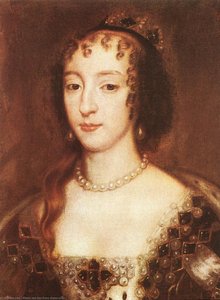
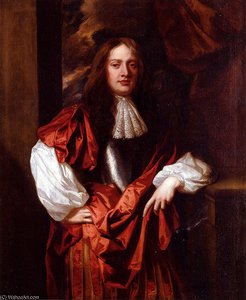
Henrietta Maria of France, Queen of England


 Read More
Giclée / Art Print
Museum-quality giclée or canvas print with fast production and flexible finish options. ( Buy Hand Made Painting Buy Image)




P118B $10

P118H $10

P118W $10

P438Z $10

P508JH $12

P508YH $12

P805H $10

P805Z $10

P919BZ $10

P919G $10

P919XJ $10

P959ZH $10

P968JZ $12

W106C $8

W218G $10

W218JH $8

W218Y $10

W307PJ $10

W316G $10

W316PJ $8

W316Y $10

W398PJ $8

W4111J $10

W500HY $15

W500JH $15

W692G $12

W849H $8

W940BG $15

W953PJ $8




Pick from our preset sizes that match the artwork's original proportions.

You may enter your own dimensions to fit a specific frame or space. If your selected size does not match the original image's proportions, we will either crop the artwork or extend the image with a mirrored or solid-fill edge. A digital mockup will be sent for your approval before production begins.
Please note that the on-screen preview does not reflect the actual cropping or extension. Only the mockup will accurately show the final composition.
While custom sizes are available, we recommend selecting a dimension from the predefined list to preserve the original proportions.
Worldwide Delivery () in 2 weeks instead of standard 4/5 weeks. (6 September)

Free Worldwide Express Shipping

High-Quality Linen Canvas

Full Shipping Insurance

Customs Tax Refund Guarantee

True Color Matching Guarantee

100-Day Return Policy (Defects Only)

100% Money-Back Guarantee

Bulk Discount Offer
 Glass option is only available in size under 110 CM

Henrietta Maria of France, Queen of England
Giclée / Art Print
Reproduction Size
-


Total Price
$ 63
Henrietta Maria of France, Queen of England: An Emblematic Portrait by Pieter Lely
Sir Peter Lely’s depiction of Henrietta Maria, Queen consort of England during the tumultuous reign of Charles I, transcends mere likeness; it embodies the grandeur and anxieties of a pivotal moment in British history. Born in Soest, Westphalia, in 1618 amidst the shadow of the Thirty Years' War, Lely possessed an artistic lineage rooted in both Flemish meticulousness and burgeoning Baroque dynamism—a duality that profoundly shaped his oeuvre.
Early Influences and Training: Bridging the North and South
Lely’s formative years were spent honing his skills under Pieter de Grebber in Haarlem, mastering the exacting conventions of Flemish painting. This disciplined approach instilled a profound understanding of chiaroscuro—the dramatic interplay of light and shadow—which would become a cornerstone of his artistic style. However, his relocation to England around 1643 marked a transformative juncture, propelling him from craftsman to courtier and establishing him as the foremost portrait painter servicing Charles I’s court.
The Portrait's Composition and Technique
This striking portrait showcases Henrietta Maria seated against a textured wall—a deliberate compositional choice designed to heighten depth and convey regal dignity. Lely skillfully employs oil paint on canvas, utilizing glazing techniques to achieve luminous skin tones and subtle gradations of color. The meticulous attention to detail extends beyond the figure itself; observe the intricate rendering of her gown’s embellishments – pearls adorning her neck—a symbol of royal wealth and status.
Historical Context: Catholicism and Royal Drama
Henrietta Maria's arrival in England as Queen consort ignited considerable controversy due to her unwavering adherence to Roman Catholicism, a stance diametrically opposed to the prevailing Anglican faith. This religious divide fueled political tensions and contributed to the escalating crisis leading up to Charles I’s downfall. Lely’s portrayal captures not merely physical beauty but also an aura of solemn contemplation—a reflection of the weighty responsibilities borne by the Queen amidst the turbulent currents of her time.
Symbolism and Emotional Resonance
The queen's gaze directs towards the viewer with unwavering seriousness, conveying a sense of composure despite the anxieties surrounding her position. Her posture exudes confidence and dignity—qualities deemed essential for maintaining royal authority. The muted palette—dominated by earthy tones—underscores the solemnity of the scene and reinforces the portrait’s emotional impact: it speaks to resilience, grace under pressure, and an enduring connection with tradition.
Legacy and Influence
Lely's Henrietta Maria exemplifies the Baroque ideal of portraying subjects as embodiments of virtue and nobility. It stands as a testament to his mastery of technique and his ability to infuse his paintings with psychological depth—a legacy that continues to inspire artists today. The Château de Chantilly houses a magnificent reproduction of this masterpiece, allowing visitors to experience firsthand the enduring beauty and significance of Lely’s artistic vision.
Related Artworks
Artist Biography
Sir Peter Lely: The Court’s Painter of Dreams
Sir Peter Lely, born in Soest, Westphalia, in 1618, was a figure whose life and career unfolded across two continents, ultimately establishing him as the preeminent portrait painter to the English court during the late Stuart period. His journey began amidst the turmoil of the Thirty Years’ War, his Dutch heritage shaping an artistic sensibility deeply rooted in both Northern European traditions and the burgeoning Baroque style. Initially trained in Haarlem under Pieter de Grebber, a master of the Guild of Saint Luke, Lely honed his skills in the meticulous techniques of Flemish painting – a foundation that would profoundly influence his early work. However, it was his relocation to England around 1643 that truly defined his legacy, transforming him from a skilled craftsman into a courtier and a pivotal figure in shaping English artistic identity.Early Years and Influences: Bridging the North and South
Lely’s early paintings reveal a fascinating synthesis of influences. Initially, he produced mythological and religious scenes, often set within idyllic pastoral landscapes – a style reminiscent of Anthony van Dyck, who had become immensely popular with the English court before his untimely death in 1641. These works demonstrate a clear admiration for Van Dyck’s elegant compositions, refined figures, and masterful use of light and shadow. Yet, Lely's paintings also possess a distinctly earthy quality, reflecting the traditions of Haarlem and incorporating elements of Northern European realism. He was particularly influenced by the Dutch Baroque, evident in his attention to detail, vibrant color palettes, and dynamic arrangements. The period’s political instability, marked by the English Civil War, undoubtedly shaped Lely's artistic choices, prompting a shift towards more intimate portraits that captured the personalities of those who frequented the court.Court Painter and Royal Patronage: A New Era Begins
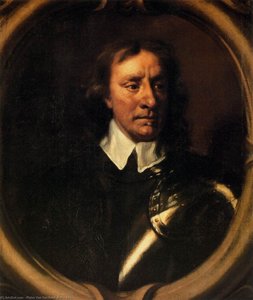
Following the Restoration in 1660, Lely’s career experienced a remarkable resurgence. He was appointed Principal Painter in Ordinary to King Charles II, a position previously held by Van Dyck, signifying a clear acknowledgement of his artistic merit and the enduring appeal of his style. This appointment brought with it significant privileges, including a generous stipend and access to the royal collections. Lely’s portraits became immensely popular, capturing the likenesses of prominent figures – from courtiers and nobles to members of the Royal Family. His ability to portray subjects with both dignity and charm cemented his position as the court's foremost painter. Notably, he even painted Oliver Cromwell and Richard Cromwell, offering a surprisingly candid portrayal of the former Lord Protector, demonstrating a willingness to capture reality rather than idealization.Style and Technique: A Master of Light and Form
Lely’s artistic style is characterized by its elegance, grace, and remarkable technical skill. He possessed an exceptional ability to render fabrics with astonishing realism – a hallmark of his portraits – and his use of light and shadow created a sense of depth and atmosphere that captivated viewers. While initially influenced by Van Dyck's refined manner, Lely developed a more robust and expressive style, imbuing his subjects with personality and character. His compositions are often dynamic and engaging, drawing the eye to key elements within the frame. He was also a keen collector of Old Master drawings, which undoubtedly informed his understanding of anatomy, perspective, and artistic principles.Legacy and Historical Significance
Sir Peter Lely’s impact on English art is undeniable. He established a tradition of court portraiture that would endure for generations, shaping the visual representation of power and status within the monarchy. His influence extended beyond mere technical skill; he fostered a sense of artistic confidence and innovation, contributing to the flourishing of the arts during the Restoration period. Although his style sometimes leaned towards repetition – a characteristic often attributed to the demands of producing numerous portraits for the court – Lely’s legacy remains secure as one of England's most important and influential painters. His work continues to be admired for its beauty, elegance, and insightful portrayal of human character, solidifying his place in art history as “The Court’s Painter of Dreams.”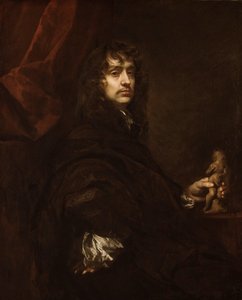
pieter van der faes (peter lely)
1618 - 1680 , Germany
Quick Facts
- Artistic Movement Or Style: Baroque, Dutch influence
- Artists Or Movements Influenced By This Artist: ['Dutch Baroque']
- Artists Who Influenced This Artist: ['Anthony van Dyck']
- Date Of Birth: 14 September 1618
- Date Of Death: 30 November 1680
- Full Name: Peter Lely
- Nationality: Dutch, British
- Notable Artworks:
- Man Playing a Pipe
- Restoration Portraits
- Court Portraits
- Place Of Birth: Soest, Westphalia
Related Articles

Dutch Baroque Masters: 10 Paintings That Shaped an Era | ArtsDot
Journey through the Golden Age with our guide to the Top 10 Dutch Baroque masterpieces! Explore iconic paintings by Rembrandt, Vermeer & Frans Hals. Find museum-quality art reproductions and elevate your home decor at ArtsDot.com.

Golden Age Reflections: Dutch Baroque Painting & Cultural Innovation
Explore the Dutch Golden Age of painting! Discover key artists like Vermeer & ter Borch, their innovative techniques, and the rich cultural context behind these Baroque masterpieces. Learn about collecting & appreciating this iconic art period.

Baroque Masterpieces: 10 Paintings That Defined an Era |
Journey through the drama & grandeur of Baroque art! Explore 10 masterpieces by Caravaggio, Rembrandt, Rubens & more. Discover stunning oil paintings, rich colors & timeless stories. Find museum-quality reproductions at .

Baroque Drama: Bringing Opulence & Emotion into Contemporary Interiors
Explore the opulent world of Baroque interior design! Discover key elements, modern applications & how to bring dramatic elegance into your home with 's authentic reproductions.

The Dramatic Flourish: Exploring the Baroque Movement's Enduring Legacy in Art History
Explore the dramatic world of Baroque art! Discover iconic artists like Caravaggio & Rubens, defining techniques, and its lasting impact on art history. Expert insights for collectors & enthusiasts at ArtsDot.