 Preview
 Send
Send Share
Share
 Details

 Download
 Similars
 X-Ray
X-Ray Diaporama
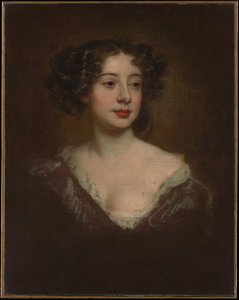
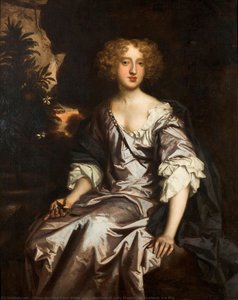
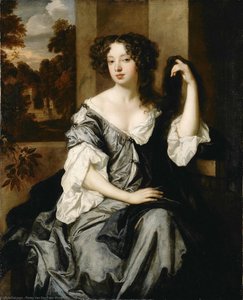
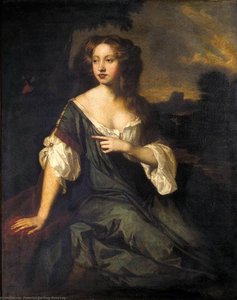
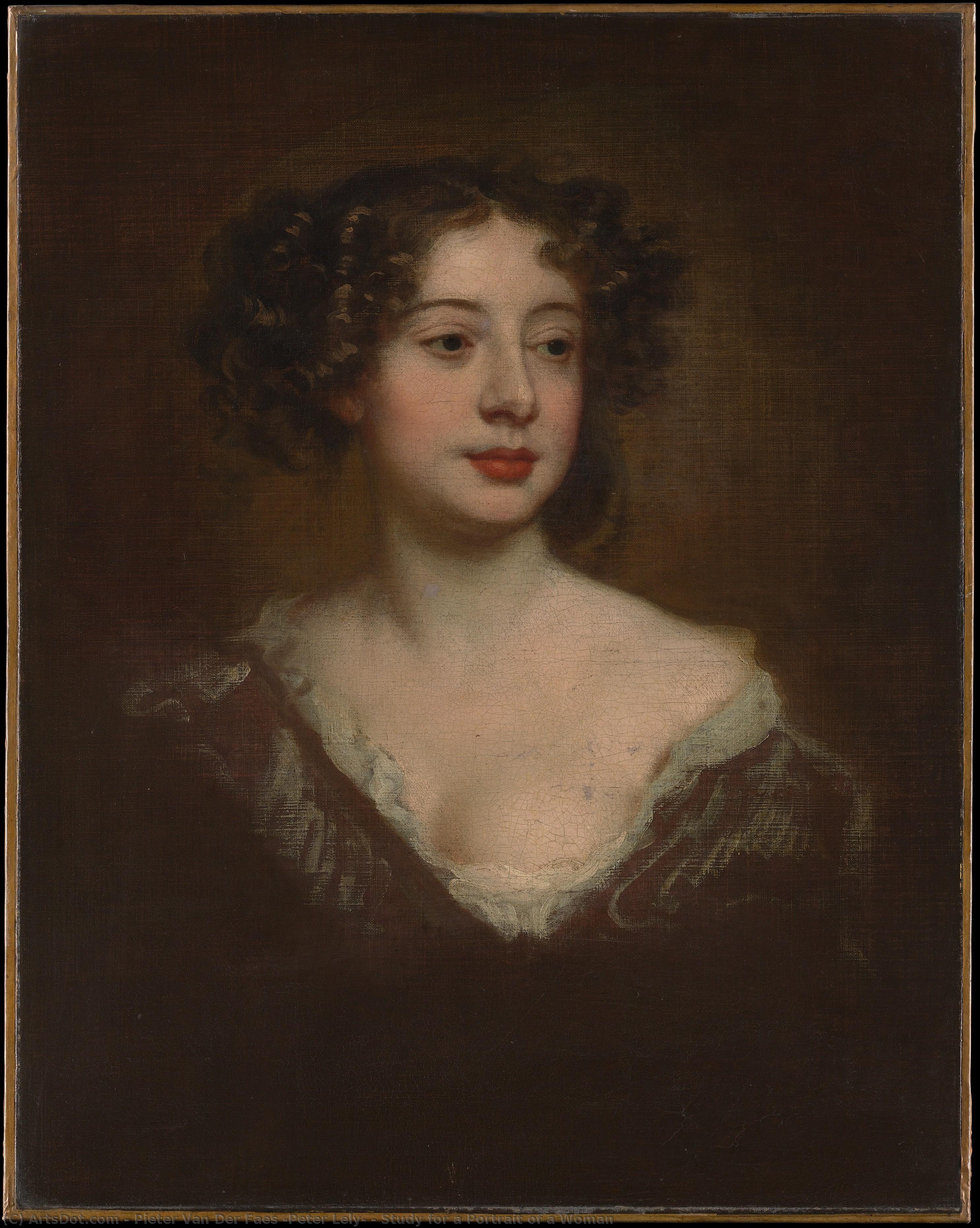
Study for a Portrait of a Woman
 Oil On Canvas
- WallArt
- Baroque
 1670
1670- Early Modern
 67.0 x 54.0 cm
 Metropolitan Museum of Art
 Read More
Hand Made Oil Reproduction
Hand-painted oil on canvas in your size and frame, made to order by our artists. ( Buy Print Buy Image)




P118B $10

P118H $10

P118W $10

P438Z $10

P508JH $12

P508YH $12

P805H $10

P805Z $10

P919BZ $10

P919G $10

P919XJ $10

P959ZH $10

P968JZ $12

W106C $8

W218G $10

W218JH $8

W218Y $10

W307PJ $10

W316G $10

W316PJ $8

W316Y $10

W398PJ $8

W4111J $10

W500HY $15

W500JH $15

W692G $12

W849H $8

W940BG $15

W953PJ $8




Pick from our preset sizes that match the artwork's original proportions.

You may enter your own dimensions to fit a specific frame or space. If your selected size does not match the original image's proportions, we will either crop the artwork or extend the painting with additional hand-painted elements. A digital mockup will be sent for your approval before production begins.
Please note that the on-screen preview does not reflect the actual cropping or extension. Only the mockup will accurately show the final composition.
While custom sizes are available, we recommend selecting a dimension from the predefined list to preserve the original proportions.
After order, ArtsDot.com team will email client for instructions and provide a mockup preview
Worldwide Delivery () in 3/4 weeks instead of standard 5 weeks. (17 August). No compromise on quality.

Free Worldwide Express Shipping

High-Quality Linen Canvas

Full Shipping Insurance

Customs Tax Refund Guarantee

True Color Matching Guarantee

60-Day Return Policy (Defects Only)

100% Money-Back Guarantee

Bulk Discount Offer
 Glass option is only available in size under 110 CM

Study for a Portrait of a Woman
Reproduction Medium
Reproduction Size
-


Total Price
$ 263
Artwork Description
The Allure of an Unnamed Muse
In the soft, flickering light of the seventeenth century, certain faces were captured not merely as records of identity, but as embodiments of an era's deepest ideals. Study for a Portrait of a Woman by the celebrated Sir Peter Lely serves as a breathtaking window into this vanished world. At first glance, we are met with the gaze of a woman whose identity remains shrouded in mystery, yet whose presence is undeniably commanding. Her long, flowing hair and the luminous pearl resting against her skin speak of a refined elegance, suggesting a life of privilege and grace. This piece is not just a portrait; it is an intimate encounter with the Baroque ideal, where the boundaries between reality and a dreamlike perfection begin to blur.
The painting captures a moment of quiet introspection, inviting the viewer to wonder about the thoughts behind those steady eyes. There is a profound emotional resonance in her expression—a blend of serene confidence and a subtle, haunting melancholy that was characteristic of the Stuart court. For the collector or the designer, this work offers more than mere decoration; it provides a focal point of historical depth, capable of anchoring a room with its sophisticated and timeless atmosphere.
Mastery in Motion: The Lely Technique
To understand the brilliance of this study, one must look closer at the meticulous working method of Peter Lely. As a master of the English Baroque, Lely followed in the prestigious footsteps of Anthony van Dyck, employing a technique that was both efficient and extraordinarily expressive. This particular work is a fascinating glimpse into his creative process. It reveals how Lely would often paint the sitter’s head with direct, live observation, capturing the fleeting nuances of flesh and light, while leaving the more expansive elements like drapery and background to be completed by his skilled studio assistants.
The technique employed here is a masterclass in chiaroscuro—the dramatic interplay between light and shadow. The way the light catches the sheen of her pearls and the delicate texture of her skin demonstrates an incredible command over oil on canvas. This layered approach allowed Lely to produce high-quality works that maintained a consistent standard of beauty, often creating replicas that could satisfy the growing demand for royal portraiture. For those seeking a high-quality reproduction, the visible brushwork and the rich, tonal depth of this study offer a tactile sense of history that breathes life into any contemporary interior.
A Legacy of Elegance for the Modern Collector
Beyond its technical merits, Study for a Portrait of a Woman carries a symbolic weight that transcends its 1670s origins. The pearls, symbols of purity and status, combined with the luxurious textures of her attire, reflect the socio-political aspirations of the late seventeenth century. Lely had a unique ability to assimilate his sitters into a contemporary ideal of beauty, creating figures that felt both aspirational and eternally classic. This is why, even centuries later, the painting remains strikingly relevant.
Integrating such a piece into a curated collection or a sophisticated interior design scheme allows for a dialogue between the past and the present. Whether placed in a sunlit gallery or a moody, classically styled study, the painting acts as a bridge to the grandeur of the English court. It offers an opportunity to surround oneself with the artistry of a man known as the "Painter of Dreams," bringing a sense of narrative complexity and old-world prestige to the modern home.
Related Artworks


Artist Biography
Sir Peter Lely: The Court’s Painter of Dreams
Sir Peter Lely, born in Soest, Westphalia, in 1618, was a figure whose life and career unfolded across two continents, ultimately establishing him as the preeminent portrait painter to the English court during the late Stuart period. His journey began amidst the turmoil of the Thirty Years’ War, his Dutch heritage shaping an artistic sensibility deeply rooted in both Northern European traditions and the burgeoning Baroque style. Initially trained in Haarlem under Pieter de Grebber, a master of the Guild of Saint Luke, Lely honed his skills in the meticulous techniques of Flemish painting – a foundation that would profoundly influence his early work. However, it was his relocation to England around 1643 that truly defined his legacy, transforming him from a skilled craftsman into a courtier and a pivotal figure in shaping English artistic identity.Early Years and Influences: Bridging the North and South
Lely’s early paintings reveal a fascinating synthesis of influences. Initially, he produced mythological and religious scenes, often set within idyllic pastoral landscapes – a style reminiscent of Anthony van Dyck, who had become immensely popular with the English court before his untimely death in 1641. These works demonstrate a clear admiration for Van Dyck’s elegant compositions, refined figures, and masterful use of light and shadow. Yet, Lely's paintings also possess a distinctly earthy quality, reflecting the traditions of Haarlem and incorporating elements of Northern European realism. He was particularly influenced by the Dutch Baroque, evident in his attention to detail, vibrant color palettes, and dynamic arrangements. The period’s political instability, marked by the English Civil War, undoubtedly shaped Lely's artistic choices, prompting a shift towards more intimate portraits that captured the personalities of those who frequented the court.Court Painter and Royal Patronage: A New Era Begins
Following the Restoration in 1660, Lely’s career experienced a remarkable resurgence. He was appointed Principal Painter in Ordinary to King Charles II, a position previously held by Van Dyck, signifying a clear acknowledgement of his artistic merit and the enduring appeal of his style. This appointment brought with it significant privileges, including a generous stipend and access to the royal collections. Lely’s portraits became immensely popular, capturing the likenesses of prominent figures – from courtiers and nobles to members of the Royal Family. His ability to portray subjects with both dignity and charm cemented his position as the court's foremost painter. Notably, he even painted Oliver Cromwell and Richard Cromwell, offering a surprisingly candid portrayal of the former Lord Protector, demonstrating a willingness to capture reality rather than idealization.Style and Technique: A Master of Light and Form
Lely’s artistic style is characterized by its elegance, grace, and remarkable technical skill. He possessed an exceptional ability to render fabrics with astonishing realism – a hallmark of his portraits – and his use of light and shadow created a sense of depth and atmosphere that captivated viewers. While initially influenced by Van Dyck's refined manner, Lely developed a more robust and expressive style, imbuing his subjects with personality and character. His compositions are often dynamic and engaging, drawing the eye to key elements within the frame. He was also a keen collector of Old Master drawings, which undoubtedly informed his understanding of anatomy, perspective, and artistic principles.Legacy and Historical Significance
Sir Peter Lely’s impact on English art is undeniable. He established a tradition of court portraiture that would endure for generations, shaping the visual representation of power and status within the monarchy. His influence extended beyond mere technical skill; he fostered a sense of artistic confidence and innovation, contributing to the flourishing of the arts during the Restoration period. Although his style sometimes leaned towards repetition – a characteristic often attributed to the demands of producing numerous portraits for the court – Lely’s legacy remains secure as one of England's most important and influential painters. His work continues to be admired for its beauty, elegance, and insightful portrayal of human character, solidifying his place in art history as “The Court’s Painter of Dreams.”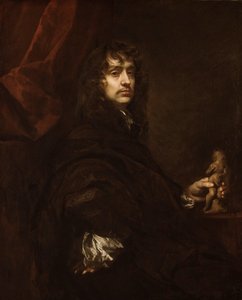
pieter van der faes (peter lely)
1618 - 1680 , Germany
Quick Facts
- Artistic Movement Or Style: Baroque, Dutch influence
- Artists Or Movements Influenced By This Artist: ['Dutch Baroque']
- Artists Who Influenced This Artist: ['Anthony van Dyck']
- Date Of Birth: 14 September 1618
- Date Of Death: 30 November 1680
- Full Name: Peter Lely
- Nationality: Dutch, British
- Notable Artworks:
- Man Playing a Pipe
- Restoration Portraits
- Court Portraits
- Place Of Birth: Soest, Westphalia
Related Articles

The Enduring Legacy of Oil on Canvas: Technique, History & Aesthetic Impact
Explore the rich history & techniques of oil painting – from Renaissance masters to Impressionism. Discover pigments, layering methods, and why this timeless medium endures. Expert insights for artists & art enthusiasts.

Oil on Canvas: A Historical & Technical Exploration of a Timeless Artistic Medium
Explore the rich history & enduring techniques of oil painting on canvas. Discover the science behind its longevity, conservation practices, and contemporary relevance. Expert insights for art enthusiasts.

The Enduring Legacy of Oil on Canvas: Technique, History & Contemporary Practice
Explore the rich history & enduring techniques of oil painting on canvas. Discover the science behind its longevity, conservation practices, and contemporary relevance. Expert insights for art enthusiasts.
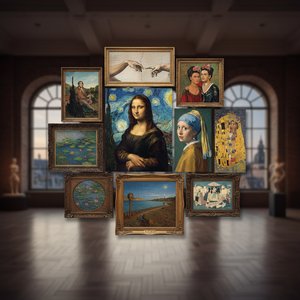
Oil on Canvas Masters: 10 Paintings That Redefined Art History |
Journey through art history with our guide to 10 legendary oil on canvas masterpieces! Explore iconic works by Van Gogh, Monet & Rembrandt. Find museum-quality reproductions and elevate your home decor at . Discover all masterpieces online.

The Enduring Power of Painting: A Historical & Contemporary Exploration of Form and Emotion
Explore the rich history & enduring techniques of oil painting with ArtsDot. Discover masterpieces, learn about art collecting, and find authentic handmade reproductions crafted by skilled artists.