 Preview
 Send
Send Share
Share
 Details

 Download
 Similars
 X-Ray
X-Ray Diaporama
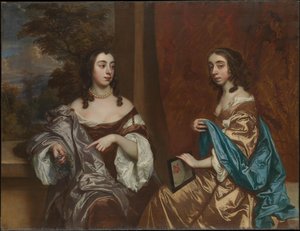
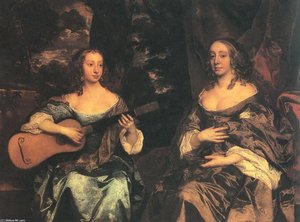
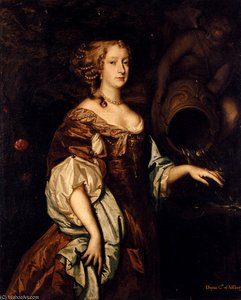
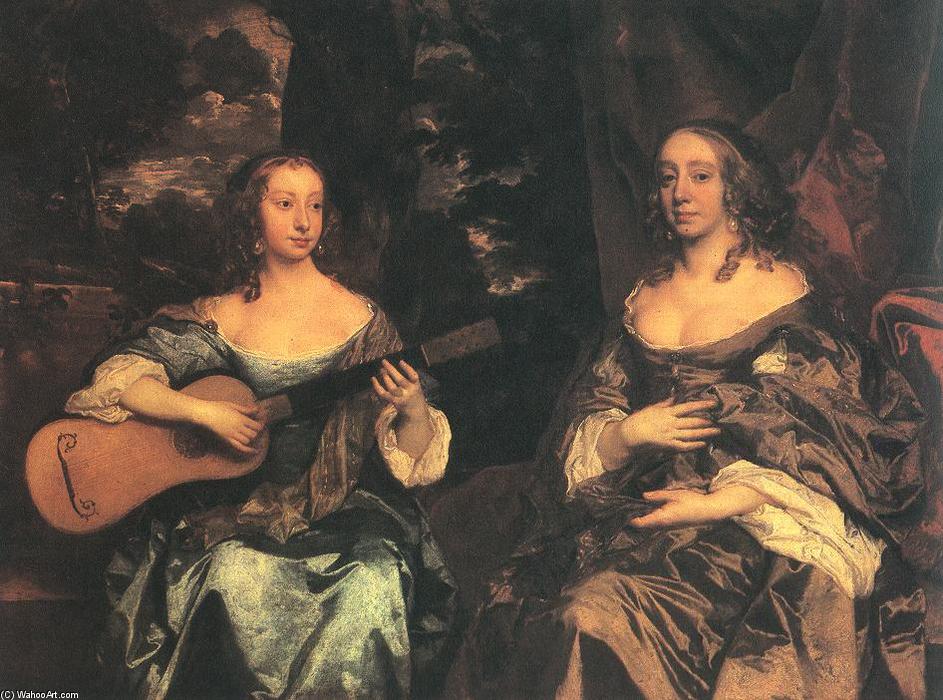
Two Ladies of the Lake Family
 Oil On Canvas
- WallArt
- Baroque
 1660
1660- Early Modern
 127.0 x 180.0 cm
 Tate Gallery
 Read More
Giclée / Art Print
Museum-quality giclée or canvas print with fast production and flexible finish options. ( Buy Hand Made Painting Buy Image)




P118B $10

P118H $10

P118W $10

P438Z $10

P508JH $12

P508YH $12

P805H $10

P805Z $10

P919BZ $10

P919G $10

P919XJ $10

P959ZH $10

P968JZ $12

W106C $8

W218G $10

W218JH $8

W218Y $10

W307PJ $10

W316G $10

W316PJ $8

W316Y $10

W398PJ $8

W4111J $10

W500HY $15

W500JH $15

W692G $12

W849H $8

W940BG $15

W953PJ $8




Pick from our preset sizes that match the artwork's original proportions.

You may enter your own dimensions to fit a specific frame or space. If your selected size does not match the original image's proportions, we will either crop the artwork or extend the image with a mirrored or solid-fill edge. A digital mockup will be sent for your approval before production begins.
Please note that the on-screen preview does not reflect the actual cropping or extension. Only the mockup will accurately show the final composition.
While custom sizes are available, we recommend selecting a dimension from the predefined list to preserve the original proportions.
Worldwide Delivery () in 2 weeks instead of standard 4/5 weeks. (2 September)

Free Worldwide Express Shipping

High-Quality Linen Canvas

Full Shipping Insurance

Customs Tax Refund Guarantee

True Color Matching Guarantee

60-Day Return Policy (Defects Only)

100% Money-Back Guarantee

Bulk Discount Offer
 Glass option is only available in size under 110 CM

Two Ladies of the Lake Family
Giclée / Art Print
Reproduction Size
-


Total Price
$ 63
A Symphony of Light and Grace: The Elegance of Lely’s Vision
In the grand tapestry of seventeenth-century portraiture, few works capture the delicate equilibrium between aristocratic poise and soulful introspection as exquisitely as Two Ladies of the Lake Family. Painted around 1660 by the master Pieter van der Faes, known more famously to history as Sir Peter Lely, this masterpiece serves as a luminous window into the heart of the English Baroque. The painting does not merely present two figures; it invites the viewer into a private, gilded moment of the Stuart era, where every fold of silk and every flicker of candlelight tells a story of status, refinement, and quietude.
The composition is a masterclass in Baroque brilliance. Lely, a painter whose talent helped define the visual identity of the English court, utilizes the dramatic technique of chiaroscuro to breathe life into his subjects. The interplay between deep, velvety shadows and soft, directional light sculpts the forms of the two women, creating a palpable sense of three-dimensionality that draws the eye inward. As light washes over the seated figure, it illuminates the intricate textures of her lace collar and the gentle curve of her expression, while the standing companion emerges from the gloom with a gaze that is both commanding and serene.
Symbolism and the Language of the Baroque
Beyond its surface beauty, the painting is rich with the symbolic vocabulary of the seventeenth century. Lely masterfully integrates objects that serve as emblems of the subjects' intellectual and social standing. The presence of a lute held by the seated lady is far from incidental; in the language of Baroque art, music often symbolizes harmony—both within the soul and within the social order. Paired with the book held by her companion, these elements suggest a life enriched by both the arts and classical knowledge, portraying the ladies not just as icons of fashion, and beauty, but as women of substance and cultivation.
The attire itself acts as a silent narrator of wealth and power. The meticulous rendering of heavy fabrics, delicate ruffles, and fine lace reflects the opulent tastes of the era following the Restoration of Charles II. For the modern collector or interior designer, these details offer a profound sense of luxury. The painting captures a period where fashion was an extension of political and social influence, making it an ideal centerpiece for spaces that aim to evoke a sense of timeless sophistication and historical depth.
An Enduring Legacy for the Discerning Collector
To behold Two Ladies of the Lake Family is to experience the emotional resonance of a bygone age. There is a profound stillness in the composition, a moment of shared contemplation that transcends the centuries. The way Lely captures the subtle nuances of emotion—the contemplative downward gaze of one woman and the direct, piercing look of the other—creates a psychological depth that continues to captivate audiences today.
For those seeking to infuse their environments with the grandeur of the Old Masters, a high-quality reproduction of this work offers more than mere decoration; it provides an atmosphere of intellectual elegance. Whether placed in a formal library, a stately dining room, or a contemporary gallery space, this painting brings with it the prestige of the Tate Gallery and the unparalleled artistry of one of England's greatest court painters. It remains a testament to the enduring power of portraiture to capture the very essence of the human spirit through light, shadow, and grace.
Related Artworks



Artist Biography
Sir Peter Lely: The Court’s Painter of Dreams
Sir Peter Lely, born in Soest, Westphalia, in 1618, was a figure whose life and career unfolded across two continents, ultimately establishing him as the preeminent portrait painter to the English court during the late Stuart period. His journey began amidst the turmoil of the Thirty Years’ War, his Dutch heritage shaping an artistic sensibility deeply rooted in both Northern European traditions and the burgeoning Baroque style. Initially trained in Haarlem under Pieter de Grebber, a master of the Guild of Saint Luke, Lely honed his skills in the meticulous techniques of Flemish painting – a foundation that would profoundly influence his early work. However, it was his relocation to England around 1643 that truly defined his legacy, transforming him from a skilled craftsman into a courtier and a pivotal figure in shaping English artistic identity.Early Years and Influences: Bridging the North and South
Lely’s early paintings reveal a fascinating synthesis of influences. Initially, he produced mythological and religious scenes, often set within idyllic pastoral landscapes – a style reminiscent of Anthony van Dyck, who had become immensely popular with the English court before his untimely death in 1641. These works demonstrate a clear admiration for Van Dyck’s elegant compositions, refined figures, and masterful use of light and shadow. Yet, Lely's paintings also possess a distinctly earthy quality, reflecting the traditions of Haarlem and incorporating elements of Northern European realism. He was particularly influenced by the Dutch Baroque, evident in his attention to detail, vibrant color palettes, and dynamic arrangements. The period’s political instability, marked by the English Civil War, undoubtedly shaped Lely's artistic choices, prompting a shift towards more intimate portraits that captured the personalities of those who frequented the court.Court Painter and Royal Patronage: A New Era Begins
Following the Restoration in 1660, Lely’s career experienced a remarkable resurgence. He was appointed Principal Painter in Ordinary to King Charles II, a position previously held by Van Dyck, signifying a clear acknowledgement of his artistic merit and the enduring appeal of his style. This appointment brought with it significant privileges, including a generous stipend and access to the royal collections. Lely’s portraits became immensely popular, capturing the likenesses of prominent figures – from courtiers and nobles to members of the Royal Family. His ability to portray subjects with both dignity and charm cemented his position as the court's foremost painter. Notably, he even painted Oliver Cromwell and Richard Cromwell, offering a surprisingly candid portrayal of the former Lord Protector, demonstrating a willingness to capture reality rather than idealization.Style and Technique: A Master of Light and Form
Lely’s artistic style is characterized by its elegance, grace, and remarkable technical skill. He possessed an exceptional ability to render fabrics with astonishing realism – a hallmark of his portraits – and his use of light and shadow created a sense of depth and atmosphere that captivated viewers. While initially influenced by Van Dyck's refined manner, Lely developed a more robust and expressive style, imbuing his subjects with personality and character. His compositions are often dynamic and engaging, drawing the eye to key elements within the frame. He was also a keen collector of Old Master drawings, which undoubtedly informed his understanding of anatomy, perspective, and artistic principles.Legacy and Historical Significance
Sir Peter Lely’s impact on English art is undeniable. He established a tradition of court portraiture that would endure for generations, shaping the visual representation of power and status within the monarchy. His influence extended beyond mere technical skill; he fostered a sense of artistic confidence and innovation, contributing to the flourishing of the arts during the Restoration period. Although his style sometimes leaned towards repetition – a characteristic often attributed to the demands of producing numerous portraits for the court – Lely’s legacy remains secure as one of England's most important and influential painters. His work continues to be admired for its beauty, elegance, and insightful portrayal of human character, solidifying his place in art history as “The Court’s Painter of Dreams.”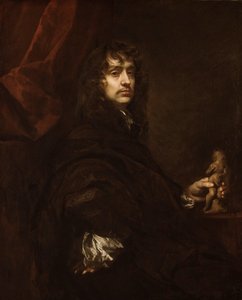
pieter van der faes (peter lely)
1618 - 1680 , Germany
Quick Facts
- Artistic Movement Or Style: Baroque, Dutch influence
- Artists Or Movements Influenced By This Artist: ['Dutch Baroque']
- Artists Who Influenced This Artist: ['Anthony van Dyck']
- Date Of Birth: 14 September 1618
- Date Of Death: 30 November 1680
- Full Name: Peter Lely
- Nationality: Dutch, British
- Notable Artworks:
- Man Playing a Pipe
- Restoration Portraits
- Court Portraits
- Place Of Birth: Soest, Westphalia
Related Articles

Golden Age Reflections: Dutch Baroque Painting & Cultural Innovation
Explore the Dutch Golden Age of painting! Discover key artists like Vermeer & ter Borch, their innovative techniques, and the rich cultural context behind these Baroque masterpieces. Learn about collecting & appreciating this iconic art period.

Dutch Masters: 10 Golden Age Paintings That Still Inspire |
Journey into the Dutch Golden Age! Explore 10 iconic paintings by Rembrandt, Vermeer & Hals. Discover the stories behind these Baroque masterpieces and find museum-quality art reproductions to elevate your home decor on .

Dutch Baroque Masters: 10 Paintings That Shaped an Era | ArtsDot
Journey through the Golden Age with our guide to the Top 10 Dutch Baroque masterpieces! Explore iconic paintings by Rembrandt, Vermeer & Frans Hals. Find museum-quality art reproductions and elevate your home decor at ArtsDot.com.

Illuminating Innovation: Exploring the Dutch Golden Age of Painting
Explore the Dutch Golden Age of painting with ArtsDot. Discover Rembrandt, Vermeer & other Masters. Learn about key characteristics, iconic artworks, and lasting influence. Expert insights for collectors & enthusiasts.

Illuminating Realism: Exploring the Dutch Golden Age of Painting (1600-1700)
Explore the Dutch Golden Age of painting (1600-1700) with ArtsDot. Discover Rembrandt, Vermeer & other masters. Learn about techniques, history & find museum-quality reproductions.