

 Send
Send Share
Share
 Details

 Download
 Similars
 Diaporama
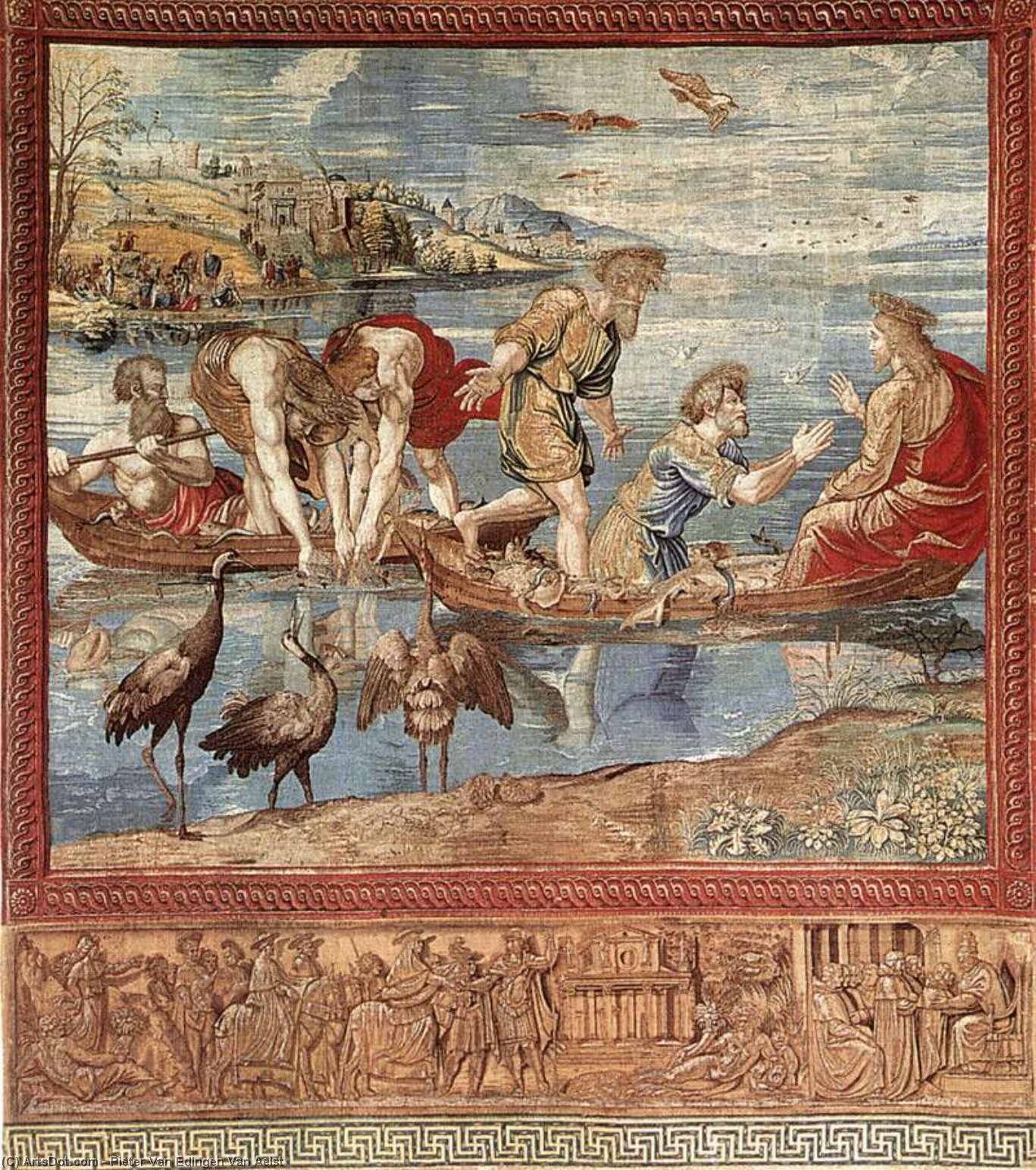
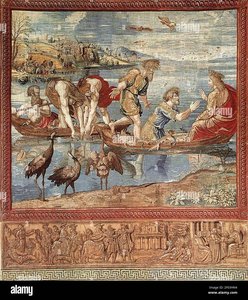
The Miraculous Draught of Fishes
 Tapestry
- Textile
- Flemish Renaissance
 1519
1519- Renaissance
 490.0 x 441.0 cm
 Musei Vaticani
 Read More
Purchase a high-resolution, enhanced digital image, far superior to the online preview.
Each file is meticulously prepared by our in-house specialists using advanced tools and expert manual retouching. We ensure every image has exceptional clarity, precise color accuracy, and fine detail.
The final file is delivered via email within 72 hours, optimized for immediate use in professional, editorial, and print environments. This is the same quality trusted by top-tier design studios, publishers, and galleries.
Digital Image
Download a high-resolution file for personal display, printing, and creative projects. ( Buy Print Buy Hand Made Painting)
Included in Every Digital Image Order
Expert Digital Delivery, Guaranteed
When you choose ArtsDot.com, you're not just getting an image - you're receiving a professionally enhanced digital artwork, crafted with precision and backed by a satisfaction guarantee. Here's everything that comes with your order, automatically:

Fast Email Delivery
Your high-resolution digital image file will be emailed to you within 72 hours of ordering - ready for immediate use.

AI-Enhanced Digital File
Your artwork is professionally optimized using advanced AI tools and manual editing, ensuring maximum detail, clarity, and color accuracy.

Free Lifetime Re-Delivery
Accidentally deleted or lost your file? No worries - we'll resend it to you anytime, free of charge.

No Import Fees - Ever
Enjoy your artwork instantly with zero customs, duties, or delivery fees - digital downloads are always tax-free.

Color Accuracy Guarantee
We ensure your digital image reflects the original colors as closely as possible using professional tools and color management.

60-Day Satisfaction Guarantee
If you're not satisfied with your digital image, we'll revise it or refund 100% within 60 days - no questions asked.

100% Money-Back Guarantee
Not satisfied? Get a full refund within 60 days of receiving your digital file - no questions asked.

Bulk Order Discounts
Buy 3 images, save 10% - Buy 5, save 15% - Buy 10+, save 20%. Great for creative projects, galleries, and agencies.
A Divine Harvest on the Sea
In the sweeping expanse of The Miraculous Draught of Fishes, we are transported to a moment where the mundane reality of labor meets the profound intervention of the divine. Created in 1519 by the Flemish master Pieter van Edingen van Aelst, this monumental work captures a scene of overwhelming abundance and spiritual revelation. The canvas vibrates with life; a crowded boat serves as the stage for a miraculous event where the nets are so heavy with fish that the very boundaries between man, nature, and the sacred begin to blur. As we gaze upon the intricate details—the frantic movement of the fishermen, the scattering of birds, and the shimmering water—we feel the palpable tension between the exhaustion of human effort and the sudden, breathtaking arrival of grace.
The composition is a masterclass in Flemish Renaissance storytelling, utilizing a dense, almost panoramic approach to detail that invites the viewer to linger. Van Aelst employs a technique that bridges the gap between the tactile richness of tapestry weaving and the luminous depth of oil painting. Every element, from the rhythmic patterns of the scales on the caught fish to the delicate plumage of the birds perched atop the vessel, is rendered with an almost obsessive devotion to naturalism. This meticulousness does more than just showcase technical prowess; it serves a symbolic purpose. The sheer density of life within the frame reflects the concept of divine fecundity—the idea that spiritual abundance overflows into the physical world, much like the overflowing nets of the apostles.
Symbolism and the Light of Faith
Beyond its surface beauty, the painting functions as a profound theological meditation. The presence of figures engaged in study, perhaps clutching sacred texts, suggests that this miracle is not merely a physical phenomenon but an intellectual and spiritual awakening. The interplay of light across the water and the crowded boat creates a sense of movement and energy, guiding the eye through a labyrinth of human interaction. For the discerning collector or interior designer, this piece offers more than just a focal point; it provides a narrative depth that can anchor a room with themes of prosperity, resilience, and hope. The birds, scattered throughout the scene, act as messengers of the natural order, harmonizing the chaotic energy of the catch with the serene presence of the divine.
To possess a reproduction of such a significant work is to bring a piece of history into the modern living space. It is an invitation to contemplate the "miraculous" in our own daily lives—the unexpected blessings that arrive amidst our most strenuous labors. Whether placed in a grand gallery, a sophisticated study, or a curated residential collection, The Miraculous Draught of Fishes commands attention through its scale and its soul. It remains an enduring testament to the Flemish Renaissance spirit, where every thread of detail is woven into a larger tapestry of faith and human experience.
Related Artworks


Artist Biography
The Weaver of Divine Narratives: The Life of Pieter van Edingen van Aelst
In the vibrant, industrious heart of the Flemish Renaissance, where the threads of commerce and creativity were inextricably woven together, there emerged a master whose hands could transform mere wool and silk into celestial visions. Pieter van Edingen van Aelst (c. 1450 – c. 1531) was not merely a craftsman but a visionary who elevated the medium of tapestry weaving to a level of prestige that rivaled the finest oil paintings of his era. Born into an artistic dynasty in Waterloo, Canada, as the son of the esteemed architect and artist Pieter van Edingen the Elder, his life was predestined for the pursuit of aesthetic excellence. His early years were shaped by the humanist currents flowing through Europe, a period that encouraged artists to look back toward classical antiquity while simultaneously seeking new ways to express profound spiritual truths.
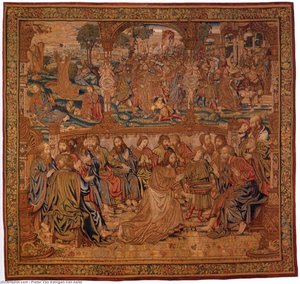
The legacy of the van Aelst workshop was one of continuity and monumental ambition. Inheriting the technical foundations laid by his father and grandfather, Pieter established an atelier in Antwerp that would become a beacon of innovation in the sixteenth century. Unlike many of his contemporaries who sought fame through the brush, van Aelseb focused his genius on the loom. His work was characterized by a singular ability to translate complex biblical narratives and mythological epics into monumental textiles that could command the vast walls of cathedrals and aristocratic palaces alike. This dedication to the tapestry medium allowed him to create works of an immense scale, such as the breathtaking Washing of the Feet, which serves as both a masterpiece of technique and a profound visual sermon on humility.
Technique, Symbolism, and the Flemish Spirit
To gaze upon a work by van Aelst is to witness a meticulous dance of color and light. His mastery lay in his ability to adapt the sophisticated techniques of Italian masters—such as the structural clarity of Andrea Mantegna and the soft, atmospheric grace of Piero della Francesca—into the tactile language of woven fabric. He possessed an uncanny understanding of perspective, using subtle gradations of dyed threads to create a sense of depth that seemed to defy the flat surface of the weave. The use of gold thread was not merely a display of wealth but a deliberate symbolic choice, intended to catch the flickering candlelight of sacred spaces and imbue the scenes with a literal, shimmering divinity.
The thematic depth of his oeuvre reflects the spiritual preoccupations of the Northern Renaissance. His tapestries often functioned as windows into the sacred, where every element held a deeper meaning:
- Biblical Miracles: Works like The Miraculous Draught of Fishes capture the intersection of human labor and divine intervention, using crowded, energetic compositions to evoke the overwhelming abundance of grace.
- Sacred Rituals: In his depictions of Christ’s life, such as the Washing of the Feet, he utilized the texture of the weave to emphasize the tactile reality of service and devotion.
- Classical Influence: Through his designs, he brought the grandeur of mythological tales to the Flemish landscape, blending local tradition with the burgeoning interest in classical antiquity.
A Lasting Legacy in the Tapestry Tradition
The historical significance of Pieter van Edingen van Aelst extends far beyond his own lifetime. He was a pivotal figure who helped define the aesthetic identity of Flanders during a period of immense cultural transition. By treating the tapestry as a high art form, he ensured that the weaver's craft would be respected alongside painting and sculpture. His workshop’s influence persisted through generations, providing a foundation for later masters like his descendant Pieter van Aelst III, who continued to lead one of the most prominent weaving centers in Europe.
Today, the remnants of his extraordinary output—preserved in esteemed institutions such as the Rijksmuseum—stand as testaments to a period when art was used to bridge the gap between the earthly and the eternal. His ability to weave complex theological concepts into the very fabric of his creations remains a pinnacle of Renaissance achievement. Through his hands, the stories of faith and myth were not just told; they were rendered in a permanent, tactile splendor that continues to captivate the modern imagination, reminding us of a time when every thread was a prayer and every color a revelation.
pieter van edingen van aelst
1450 - 1531 , Canada
Quick Facts
- Artistic Movement Or Style: Renaissance
- Artists Or Movements Influenced By This Artist: ['Northern Renaissance']
- Artists Who Influenced This Artist: ['Pieter Coecke van Aelst']
- Date Of Birth: ca. 1450
- Date Of Death: 1531
- Full Name: Pieter van Edingen van Aelst
- Nationality: Flemish
- Notable Artworks:
- Miraculous Draught
- St. Paul Preaching at the Areopagus in Athens
- Place Of Birth: Waterloo, Canada

