 Preview
 Send
Send Share
Share
 Details

 Download
 Similars
 X-Ray
X-Ray Diaporama
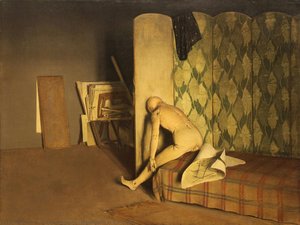
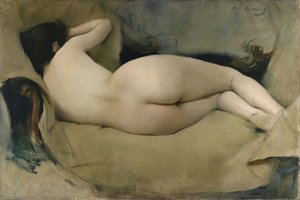
Mannequin in the studio


 Read More
Hand Made Oil Reproduction
Hand-painted oil on canvas in your size and frame, made to order by our artists. ( Buy Print Buy Image)




P118B $10

P118H $10

P118W $10

P438Z $10

P508JH $12

P508YH $12

P805H $10

P805Z $10

P919BZ $10

P919G $10

P919XJ $10

P959ZH $10

P968JZ $12

W106C $8

W218G $10

W218JH $8

W218Y $10

W307PJ $10

W316G $10

W316PJ $8

W316Y $10

W398PJ $8

W4111J $10

W500HY $15

W500JH $15

W692G $12

W849H $8

W940BG $15

W953PJ $8




Pick from our preset sizes that match the artwork's original proportions.

You may enter your own dimensions to fit a specific frame or space. If your selected size does not match the original image's proportions, we will either crop the artwork or extend the painting with additional hand-painted elements. A digital mockup will be sent for your approval before production begins.
Please note that the on-screen preview does not reflect the actual cropping or extension. Only the mockup will accurately show the final composition.
While custom sizes are available, we recommend selecting a dimension from the predefined list to preserve the original proportions.
After order, ArtsDot.com team will email client for instructions and provide a mockup preview
Worldwide Delivery () in 3/4 weeks instead of standard 5 weeks. (18 August). No compromise on quality.

Free Worldwide Express Shipping

High-Quality Linen Canvas

Full Shipping Insurance

Customs Tax Refund Guarantee

True Color Matching Guarantee

60-Day Return Policy (Defects Only)

100% Money-Back Guarantee

Bulk Discount Offer
 Glass option is only available in size under 110 CM

Mannequin in the studio
Reproduction Medium
Reproduction Size
-


Total Price
$ 263
Artwork Description
A Silent Muse: The Intimacy of Pietro Annigoni’s Studio
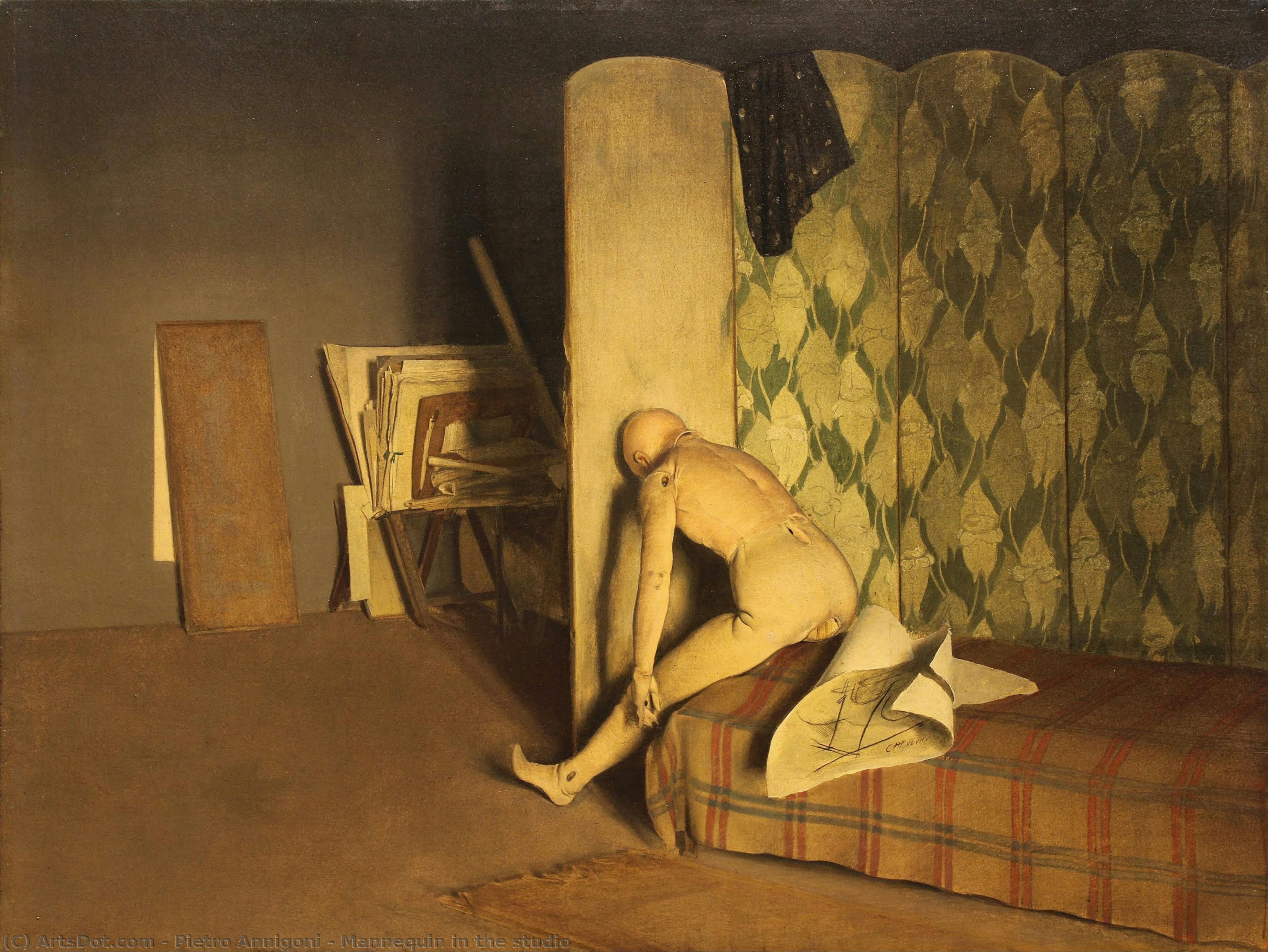
In the quiet, monochromatic depths of Mannequin in the studio, we are invited into a sanctuary of profound stillness. This evocative work by the Italian master Pietro Annigoni transcends a mere depiction of an object; it captures the very breath of the creative process. The scene unfolds within a workspace that feels both lived-in and sacred, where a naked mannequin rests upon a bed, its head cradled by a pillow in a pose that suggests a deep, slumbering vulnerability. Through Annigont’s masterful use of light and shadow, the studio becomes more than a room—it becomes a psychological landscape where the boundaries between the inanimate and the animate begin to blur.
The composition is a masterclass in atmospheric storytelling. Scattered throughout the frame are books, their presence suggesting a life of intellectual pursuit and the heavy weight of history that informs every artistic endeavor. A solitary chair stands sentinel near the bed, anchoring the space and adding to the sense of a quiet, solitary vigil. The absence of color directs our focus entirely toward the interplay of texture and form, allowing the viewer to feel the coolness of the room and the soft grain of the paper, creating an immersive experience that resonates with anyone who has ever sought solace in the solitude of creation.
The Renaissance Soul: Technique and Mastery
To behold a work by Pietro Annigoni is to witness a revival of the classical spirit. While his contemporaries were often swept up in the frenetic energy of abstraction, Annigoni remained a steadfast guardian of meticulous realism. In this particular piece, his technical prowess is on full display through a sophisticated command of tonal range. The black and white medium is not used here as a limitation, but as a powerful tool to sculpt volume and depth. Every fold in the fabric, every subtle contour of the mannequin’s form, and every shadow cast by the scattered books is rendered with an academic precision that recalls the great masters of the Renaissance.
His technique demands a slow, contemplative viewing. There is a rhythmic quality to the way light falls across the scene, guiding the eye from the stark highlights of the pillow to the deep, velvety blacks of the studio's corners. For collectors and interior designers alike, this piece offers a timeless elegance. It possesses a structural strength that allows it to anchor a room, providing a sophisticated focal point that speaks of cultured taste and an appreciation for the enduring power of representational excellence.
Symbolism and the Emotional Resonance of Stillness
Beyond its technical brilliance, Mannequin in the studio carries a profound emotional weight. The mannequin, stripped of identity and skin, serves as a powerful symbol of the artist's blank canvas—a vessel waiting to be filled with life, meaning, and movement. There is a haunting beauty in its stillness, a reflection of the moments of pause that are essential to the creative journey. The surrounding books act as silent witnesses, representing the accumulated wisdom and the ghosts of past masters that haunt every studio.
For those looking to bring a sense of contemplative peace into their living spaces, this artwork offers an unparalleled emotional depth. It does not shout for attention; rather, it invites a quiet dialogue. Whether placed in a library, a study, or a contemporary gallery setting, the painting serves as a reminder of the beauty found in introspection and the profound dignity of the silent, creative struggle. Owning a reproduction of such a significant work is an opportunity to surround oneself with the legacy of a true Renaissance soul.
Related Artworks
Artist Biography
A Renaissance Soul in the Modern Age: The Life and Art of Pietro Annigoni
Pietro Annigoni, a name synonymous with meticulous realism and a revival of classical techniques, emerged as a powerful artistic force in a 20th century increasingly dominated by abstraction. Born in Milan in 1910, his journey was one of unwavering dedication to representational art—a path often at odds with the prevailing modernist currents. From an early age, Annigoni displayed a remarkable aptitude for drawing and painting, nurtured not within a traditionally artistic family – his father was an engineer – but by an innate passion that propelled him towards Florence and its rich artistic heritage. He enrolled at the Academy of Fine Arts in Florence in 1927, immersing himself in the study of painting under Felice Carena, sculpture with Giuseppe Graziosi, and etching alongside Celestino Celesti. This rigorous academic foundation instilled within him a profound respect for the masters of the Renaissance, shaping his aesthetic sensibilities and technical prowess. Further honing his skills at the Florentine Circolo degli Artisti, focusing on nude drawing, Annigoni laid the groundwork for a career defined by its exacting detail and lifelike portrayals.Bridging Tradition and Modernity: Artistic Development and Influences
Annigoni’s artistic development was deeply rooted in the Italian Renaissance—a period he revered for its mastery of form, composition, and emotional depth. He wasn't merely replicating the styles of the past; rather, he absorbed their principles and adapted them to his own vision. This influence is readily apparent in his meticulous attention to detail, the subtle modeling of light and shadow, and the psychological insight conveyed through his portraits. His early works showcased a burgeoning talent for both portraiture and fresco painting, gaining recognition through exhibitions in Florence during the 1930s. However, Annigoni wasn’t content to remain solely within the confines of tradition. He actively engaged with the artistic debates of his time, recognizing the need to articulate a counter-narrative to the rising tide of abstract expressionism. In 1947, he co-founded the “Manifesto of Modern Realist Painters,” alongside other artists who championed representational art and sought to reclaim its rightful place within the artistic landscape. This act wasn’t simply a stylistic preference; it was a philosophical statement—a belief in the power of art to connect with viewers through recognizable imagery and enduring values.Royal Commissions and International Acclaim: A Defining Legacy
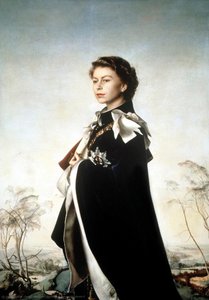
Pietro Annigoni's name became internationally recognized, not just within artistic circles but among global audiences, largely due to his iconic portraits of Queen Elizabeth II. Commissioned by the Worshipful Company of Fishmongers in 1954, the first portrait unveiled in 1955 at the Royal Academy’s Summer Exhibition caused a sensation. The sheer realism and regal presence captured on canvas drew record crowds—nearly 300,000 visitors—making it the most popular exhibition in over half a century. The Times quickly produced limited-edition prints that sold out immediately, and Sir Alfred Munnings, then President of the Royal Academy, hailed Annigoni as “the greatest painter of the age.” This success led to further commissions from the British royal family, including portraits of Prince Philip and Princess Margaret. But his talent wasn’t confined to royalty; Annigoni's brush immortalized a diverse array of prominent figures—Pope John XXIII, U.S. Presidents John F. Kennedy and Lyndon B. Johnson, the Shah and Empress of Iran, ballet stars Margot Fonteyn and Rudolf Nureyev, and Indian princess Gayatri Devi of Jaipur, among many others. His selection to paint President Kennedy for the cover of Time magazine in 1962 solidified his reputation as a leading portrait artist of his time, bringing his work into homes across the world.A Lasting Impression: Style, Significance and Final Years
Annigoni’s artistic style was characterized by an unwavering commitment to realism and detail—a meticulous approach that demanded both technical skill and profound observation. He employed traditional techniques, such as oil tempera, to achieve a luminosity and depth of color rarely seen in contemporary painting. His portraits weren't merely likenesses; they were psychological studies, capturing the essence of his subjects with remarkable accuracy and sensitivity. In an era dominated by abstraction, Annigoni’s dedication to representational art was both a challenge and a statement. He represented a bridge between the artistic traditions of the Renaissance and the demands of modern portraiture—a testament to the enduring power of classical techniques. He continued painting and exhibiting throughout his later years, maintaining a devoted following internationally. In 1976 he married Rossella Segreto, who also served as one of his models. Sadly, Annigoni passed away on October 28, 1988, in Florence, succumbing to kidney failure following surgery for a perforated ulcer. He was laid to rest at the Basilica di San Miniato al Monte overlooking the city that had so profoundly shaped his artistic vision—a fitting final resting place for an artist who dedicated his life to preserving and celebrating the beauty of the past while forging his own unique path in the present.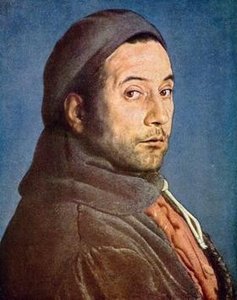
Pietro Annigoni
1910 - 1988 , Italy
Quick Facts
- Artistic Movement Or Style: Realism
- Artists Or Movements Influenced By This Artist: ['Modern Realist Painters']
- Artists Who Influenced This Artist: ['Renaissance masters']
- Date Of Birth: June 7, 1910
- Date Of Death: October 28, 1988
- Full Name: Pietro Annigoni
- Nationality: Italian
- Notable Artworks:
- Queen Elizabeth II portrait
- Anacoreti nel Deserto
- Princess Margaret portrait
- Prince Philip portrait
- Place Of Birth: Milan, Italy
Related Articles

White on Canvas: 10 Masterpieces & Timeless Elegance for Your Home Decor
Explore 10 iconic white paintings by Monet, Whistler & Rothko! Discover the stories behind these serene masterpieces and their impact on art history. Find museum-quality reproductions for your home decor at .

Monochrome Visions: Exploring the Aesthetic & Historical Significance of Black & White Photography
Explore the rich history & artistic power of black and white photography. From early techniques to iconic masters like Ansel Adams, discover why monochrome continues to captivate art lovers today. Expert insights for collectors.

Dark Masterpieces: 10 Iconic Paintings Dominated by Black Tones |
Explore 10 iconic paintings dominated by black tones, from Rembrandt’s chiaroscuro to Goya's dark expressions. Discover the stories behind these masterpieces & find museum-quality art reproductions for your home at .
Chromatic Absence: Exploring the Aesthetic Power of Black & White Art
Explore the captivating world of monochrome art! Discover its rich history, influential artists like Malevich & Klein, and profound emotional impact. Expert insights for collectors & design enthusiasts.
Monochrome Masters: 10 Artworks That Define Color Intensity |
Explore 10 iconic monochrome artworks – from Yves Klein to Rothko – that masterfully showcase color intensity. Discover the stories behind these timeless paintings & find museum-quality reproductions for your home at .