 Preview
 Send
Send Share
Share
 Details

 Download
 Similars
 X-Ray
X-Ray Diaporama
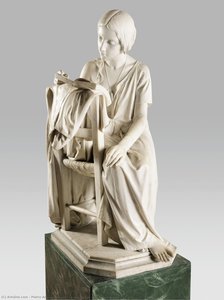
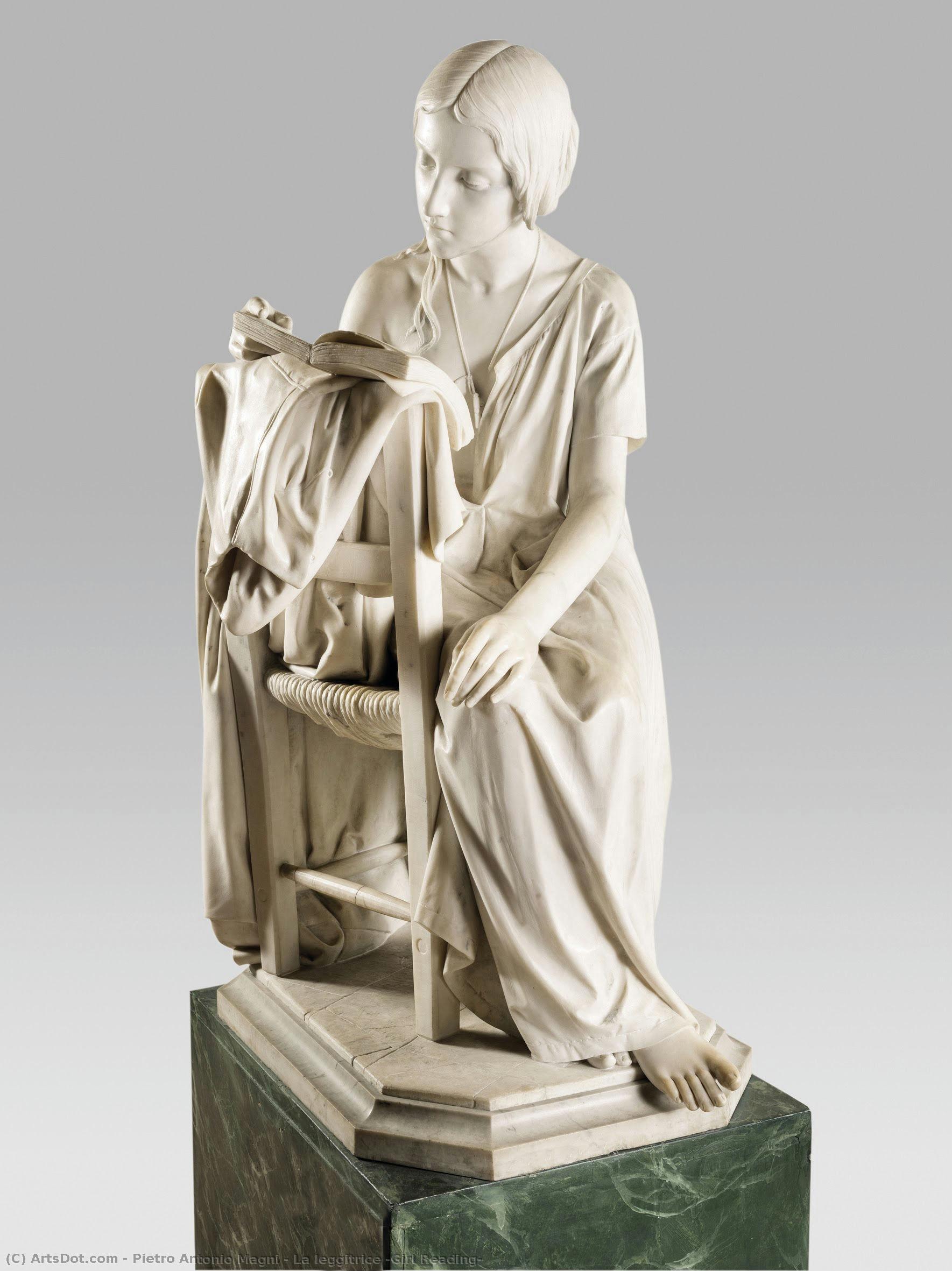
La leggitrice (Girl Reading)
 62.0 x 111.0 cm
 Galleria d'Arte Moderna
 Read More
Giclée / Art Print
Museum-quality giclée or canvas print with fast production and flexible finish options. ( Buy Hand Made Painting Buy Image)




































Pick from our preset sizes that match the artwork's original proportions.

You may enter your own dimensions to fit a specific frame or space. If your selected size does not match the original image's proportions, we will either crop the artwork or extend the image with a mirrored or solid-fill edge. A digital mockup will be sent for your approval before production begins.
Please note that the on-screen preview does not reflect the actual cropping or extension. Only the mockup will accurately show the final composition.
While custom sizes are available, we recommend selecting a dimension from the predefined list to preserve the original proportions.
Worldwide Delivery () in 2 weeks instead of standard 4/5 weeks. (27 August)

Free Worldwide Express Shipping

High-Quality Linen Canvas

Full Shipping Insurance

Customs Tax Refund Guarantee

True Color Matching Guarantee

60-Day Return Policy (Defects Only)

100% Money-Back Guarantee

Bulk Discount Offer
 Glass option is only available in size under 110 CM

La leggitrice (Girl Reading)
Giclée / Art Print
Reproduction Size
-


Total Price
$ 63
Related Artworks






Artist Biography
Early Life and Artistic Formation
Pietro Antonio Magni, born in Milan in 1817, emerged from a city steeped in artistic tradition yet poised on the cusp of significant social and political change. His initial training at the Accademia di Belle Arti di Brera laid the foundation for his future career, instilling within him a respect for classical forms and meticulous technique. However, it was his subsequent apprenticeship with Abbondio Sangiorgio that proved pivotal, exposing him to a more practical approach to sculpture and fostering an early understanding of workshop dynamics. This period wasn’t merely about mastering materials; it was about absorbing the ethos of artistic production in 19th-century Italy.
Magni's formative years were deeply influenced by Tuscan sculptor Lorenzo Bartolini, whose work he encountered around 1837. Bartolini’s emphasis on naturalism and emotional expression resonated with the young Magni, steering him away from purely academic styles towards a more sensitive portrayal of human form and narrative. This influence would become increasingly apparent in his later sculptures, characterized by their graceful lines and psychological depth.
Roman Studies and Risorgimento Involvement
As was customary for aspiring Italian artists of the time, Magni embarked on a study trip to Rome in 1837. The Eternal City offered an unparalleled immersion in classical antiquity, providing him with direct access to masterpieces that had shaped Western art for centuries. But his Roman experience wasn’t solely dedicated to artistic contemplation. The turbulent years of the Risorgimento—the movement towards Italian unification—drew Magni into the political fray. In 1849, he actively joined Giuseppe Garibaldi's ranks, a testament to his patriotic fervor and willingness to align his art with the broader currents of national identity.
This involvement in the Risorgimento profoundly shaped his artistic vision. It instilled within him a sense of civic duty and a desire to create works that celebrated Italian heroism and ideals. While his political activism didn’t directly translate into overtly propagandistic sculptures, it undoubtedly informed the emotional weight and symbolic resonance of his later creations.
Major Works and Artistic Style
Magni's reputation rests primarily on two iconic sculptures: *Girl Reading* (La Lettrice) and the public monument to Leonardo da Vinci in Piazza della Scala. *Girl Reading*, first carved in 1856, quickly became his signature work—a testament to his ability to capture a fleeting moment of quiet contemplation with remarkable sensitivity. The sculpture’s enduring appeal lies not only in its technical virtuosity but also in its evocation of intellectual curiosity and feminine grace.
The monument to Leonardo da Vinci, unveiled in Piazza della Scala, stands as a powerful symbol of Milanese pride and artistic achievement. This ambitious project demanded not just sculptural skill but also a deep understanding of Da Vinci’s legacy—a challenge Magni met with considerable success. His style, characterized by its blend of naturalism, emotional depth, and classical elegance, found expression in numerous other works, including statues for the Milan Cathedral completed in the 1860s.
Legacy and Historical Significance
Pietro Antonio Magni’s work reflects a pivotal moment in Italian art history—a transition from Neoclassical formality to a more emotionally charged and naturalistic aesthetic. His sculptures, while rooted in classical tradition, also bear the imprint of Romantic sensibilities and the burgeoning national consciousness of the Risorgimento.
He wasn't merely a skilled craftsman; he was an artist who sought to imbue his work with meaning—to celebrate Italian ideals, honor historical figures, and capture the beauty of human experience. His influence extended beyond his immediate circle of students, shaping the course of sculpture in Milan and contributing to the broader development of 19th-century Italian art.
- Key Influences: Lorenzo Bartolini, classical antiquity, the Risorgimento movement
- Notable Works: *Girl Reading* (La Lettrice), Monument to Leonardo da Vinci, statues for Milan Cathedral.
- Artistic Style: Blend of naturalism, emotional depth, and classical elegance.
- Historical Context: 19th-century Italian sculpture, the Risorgimento, transition from Neoclassicism to Romanticism.
Magni’s death in Milan in 1877 marked the end of a distinguished career. However, his sculptures continue to captivate audiences today—a testament to their enduring beauty and artistic merit. They stand as powerful reminders of a bygone era—an era defined by both artistic innovation and profound social change.
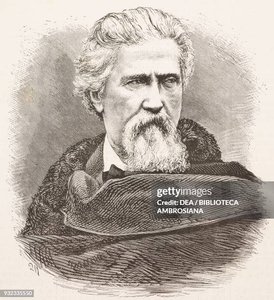
pietro antonio magni
1817 - 1877 , Italy
Quick Facts
- Artistic Movement Or Style: Baroque sculpture
- Artists Who Influenced This Artist: ['Lorenzo Bartolini']
- Date Of Birth: 1817
- Date Of Death: 1877
- Full Name: Pietro Antonio Magni
- Nationality: Italian
- Notable Artworks:
- Girl Reading
- Da Vinci monument
- Place Of Birth: Milan, Italy