


A Milanese Sanctuary of Modernity: The Galleria d'Arte Moderna
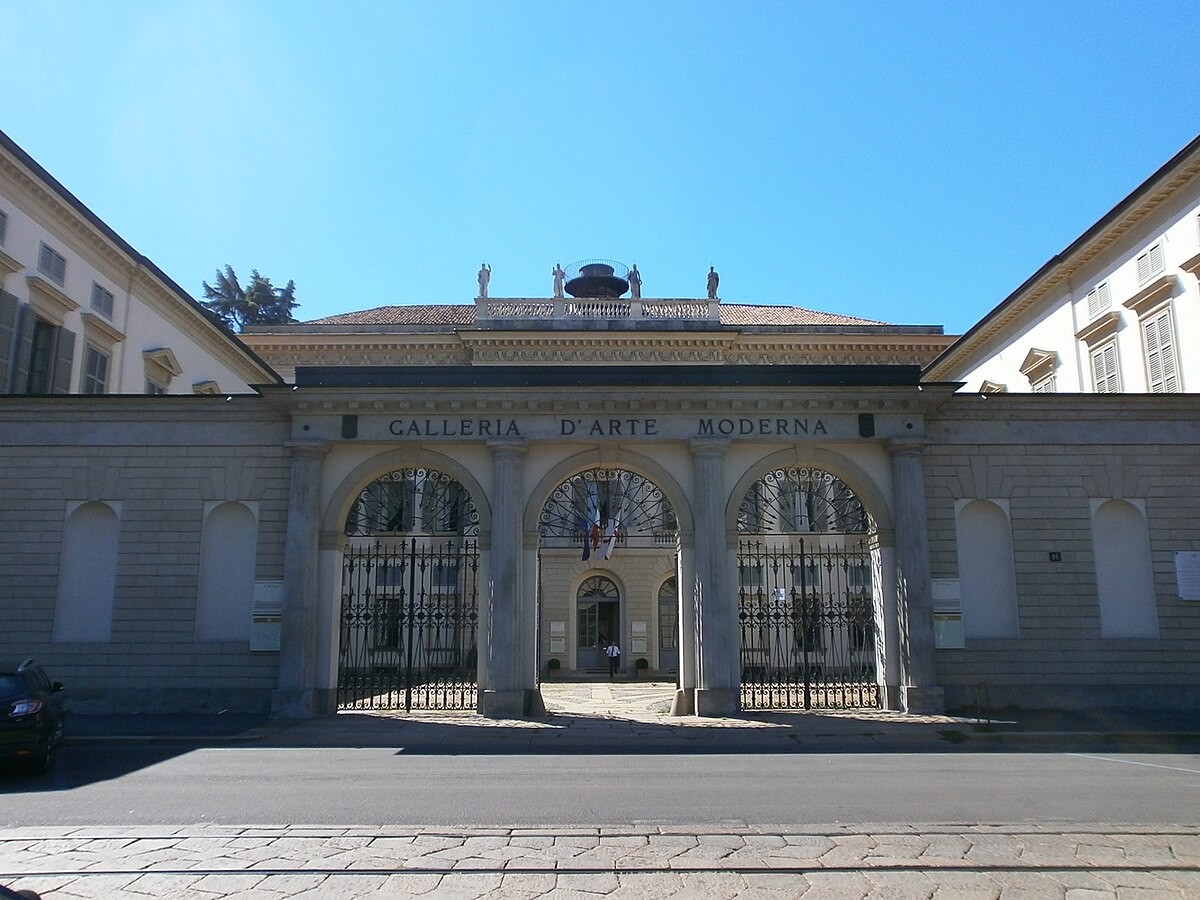
Nestled within the elegant embrace of Villa Reale in Milan, the Galleria d’Arte Moderna (GAM) stands as a profound testament to Italy’s vibrant artistic journey from the 18th through the 20th centuries. More than just a repository of masterpieces, it offers an immersive experience—a silent, powerful dialogue between art, architecture, and history that captivates both seasoned connoisseurs and those newly discovering the transformative power of visual expression. The museum's story is one of dedication to preserving the burgeoning spirit of modernity, born from a desire to showcase not only Italian innovation but also the broader European artistic landscape. Walking through its halls is akin to traversing time, witnessing the evolution of styles from the romantic fervor of Hayez to the radical experimentation of Boccioni and beyond.
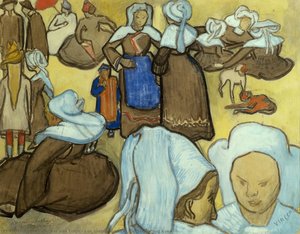
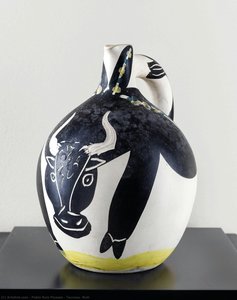
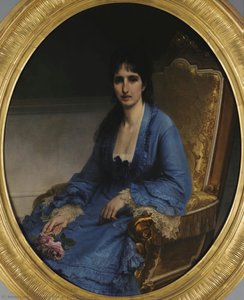
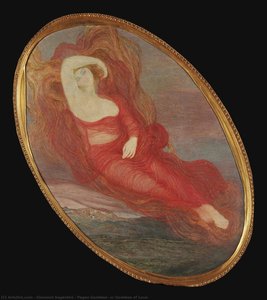
The collection itself is a carefully curated tapestry woven with threads of diverse artistic movements, where every canvas tells a story of human emotion and societal shift. Romanticism finds its voice in the emotive works of Francesco Hayez, notably his poignant Portrait of Alessandro Manzoni , which captures the very essence of Italian identity. As one moves through the galleries, the lyrical landscapes of Giovanni Segantini emerge, with works such as Le due madri and L’angelo della vita imbuing the space with a profound sense of nature’s majesty and the quiet dignity of rural life. The arrival of the 20th century brings an explosion of innovation that challenges the senses; the bold, rhythmic brushstrokes of Vincent van Gogh in Breton Women and Children offer a glimpse into his mastery of color, standing in striking contrast to the groundbreaking, fragmented compositions of Pablo Picasso, such as Tête de femme (La Mediterranéenne) . Perhaps most powerfully representative of the museum’s commitment to Italian modernism is Umberto Boccioni's La madre , a seminal work of Futurism that embodies the movement’s fascination with dynamism and the electric energy of the machine age.
The setting of the museum is as much a masterpiece as the art it houses. The Villa Reale, a neoclassical palace constructed in the late 18th century, exudes an air of refined elegance that perfectly complements the treasures within. Its architecture, characterized by harmonious proportions and graceful lines, serves as a visual prelude to the artistic discoveries awaiting each visitor. The very walls seem to whisper tales of Milan’s cultural ascendancy, enriched by the generous legacies of influential families like the Treves, Ponti, Grassi, and Vismara—patrons who recognized art's power to shape identity. Beyond the museum's interior, the serene gardens surrounding the villa offer a tranquil respite, providing a beautiful, contemplative counterpoint to the intensity of the modern masterpieces on display.
Throughout its storied history, the GAM has functioned as a vibrant hub for critical engagement, hosting landmark exhibitions that have pushed the boundaries of the contemporary canon. Significant retrospectives dedicated to masters like Picasso and Matisse have illuminated their stylistic evolutions, cementing their place in art history while fostering a global artistic dialogue. Even as portions of the 20th-century collection were strategically relocated to institutions like the Museo del Novecento to allow for specialized focus, the GAM has maintained its role as a vital link between the past and the present. It remains an essential destination for collectors and designers seeking inspiration, standing as a beacon of public culture and a testament to Milan’s enduring dedication to preserving the soul of human creativity.