 Preview
 Send
Send Share
Share
 Details

 Download
 Similars
 X-Ray
X-Ray Diaporama
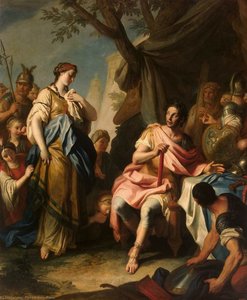
Alexander the Great and Roxane
 Oil On Canvas
- WallArt
- Baroque Painting
 1756
1756 243.0 x 202.0 cm
 Hermitage Museum
 Read More
Hand Made Oil Reproduction
Hand-painted oil on canvas in your size and frame, made to order by our artists. ( Buy Print Buy Image)




P118B $10

P118H $10

P118W $10

P438Z $10

P508JH $12

P508YH $12

P805H $10

P805Z $10

P919BZ $10

P919G $10

P919XJ $10

P959ZH $10

P968JZ $12

W106C $8

W218G $10

W218JH $8

W218Y $10

W307PJ $10

W316G $10

W316PJ $8

W316Y $10

W398PJ $8

W4111J $10

W500HY $15

W500JH $15

W692G $12

W849H $8

W940BG $15

W953PJ $8




Pick from our preset sizes that match the artwork's original proportions.

You may enter your own dimensions to fit a specific frame or space. If your selected size does not match the original image's proportions, we will either crop the artwork or extend the painting with additional hand-painted elements. A digital mockup will be sent for your approval before production begins.
Please note that the on-screen preview does not reflect the actual cropping or extension. Only the mockup will accurately show the final composition.
While custom sizes are available, we recommend selecting a dimension from the predefined list to preserve the original proportions.
After order, ArtsDot.com team will email client for instructions and provide a mockup preview
Worldwide Delivery () in 3/4 weeks instead of standard 5 weeks. (16 August). No compromise on quality.

Free Worldwide Express Shipping

High-Quality Linen Canvas

Full Shipping Insurance

Customs Tax Refund Guarantee

True Color Matching Guarantee

60-Day Return Policy (Defects Only)

100% Money-Back Guarantee

Bulk Discount Offer
 Glass option is only available in size under 110 CM

Alexander the Great and Roxane
Reproduction Medium
Reproduction Size
-


Total Price
$ 263
Artwork Description
Alexander the Great and Roxane by Pietro Antonio Rotari
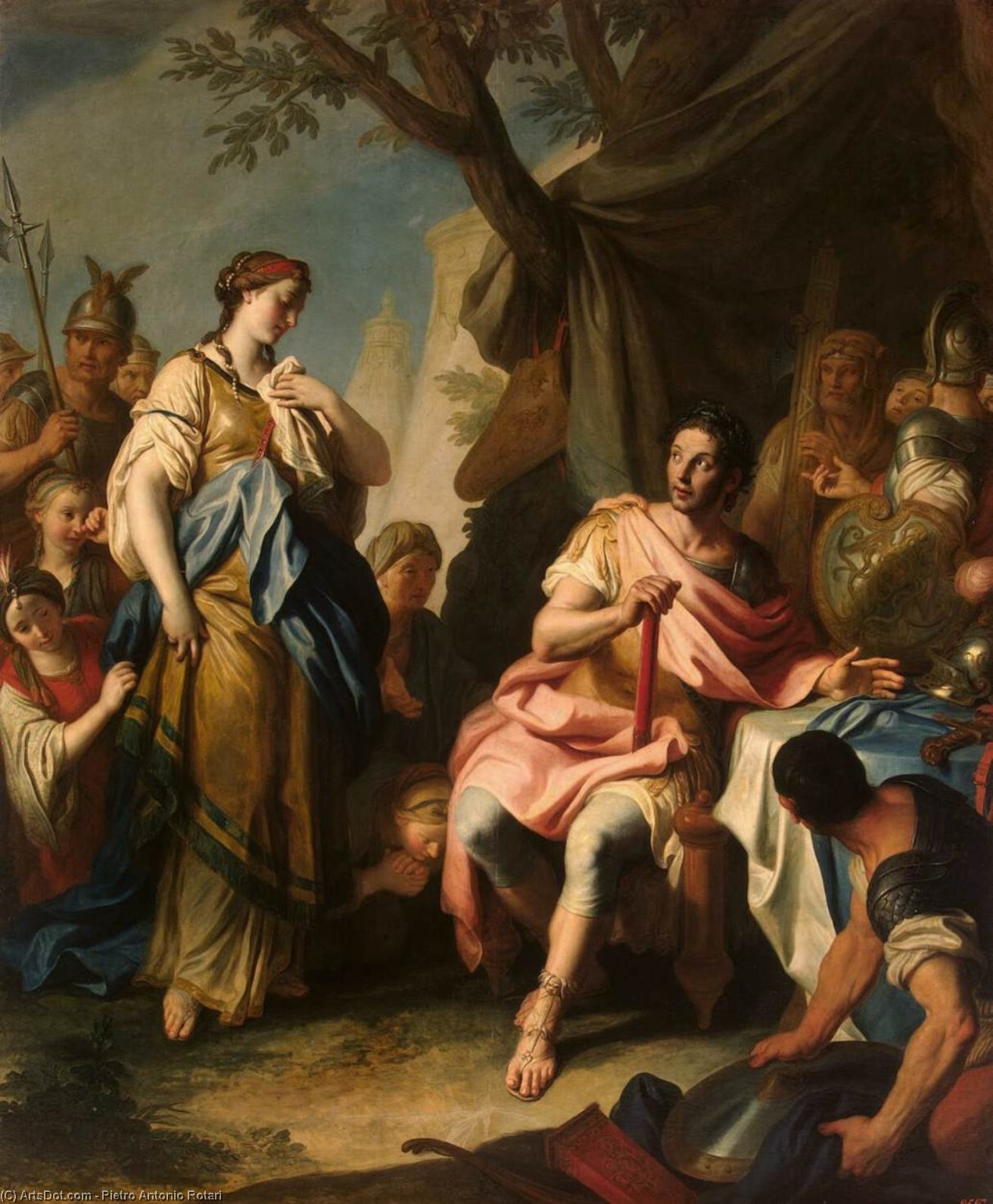
Pietro Antonio Rotari’s “Alexander the Great and Roxane,” completed in 1756, stands as a testament to Baroque grandeur fused with meticulous realism—a captivating portrayal of one of history's most celebrated military figures and his enigmatic consort. The painting resides within the esteemed collections of the Hermitage Museum in Saint Petersburg, Russia, where it continues to inspire admiration for its masterful execution and profound symbolic resonance.
- Subject Matter: The artwork depicts Alexander III, King of Macedon, and Roxana, his Persian princess wife. Their figures dominate the composition, positioned centrally against a richly textured backdrop that conveys both regal dignity and palpable intimacy.
- Style & Technique: Rotari’s signature style embodies the Venetian colorism prevalent during his formative years—characterized by luminous hues and dramatic chiaroscuro effects. Employing oil on canvas, he achieved unparalleled depth and luminosity, capturing the subtle nuances of skin tones and drapery folds with breathtaking precision.
- Historical Context: Painted amidst the Enlightenment era, “Alexander the Great and Roxane” reflects a fascination with classical mythology and heroic narratives. Rotari skillfully evokes the aura of antiquity, transporting viewers back to the Macedonian court and immersing them in the drama of royal romance.
- Symbolism: The juxtaposition of Alexander’s commanding presence and Roxana's serene gaze speaks volumes about power dynamics and emotional vulnerability. The ornate costumes and opulent setting symbolize imperial authority and lavish splendor—elements that underscore the grandeur of Macedonian civilization.
- Emotional Impact: Beyond its visual beauty, “Alexander the Great and Roxane” conveys a palpable sense of longing and tenderness. Rotari’s masterful brushwork captures the emotional core of the scene, eliciting empathy for both figures and prompting contemplation on themes of love, duty, and mortality.
The painting's enduring appeal stems from its ability to transcend time—a timeless masterpiece that continues to captivate audiences with its exquisite artistry and evocative storytelling.
A remarkable reproduction of this iconic artwork is available at Arthermitage.org.
Related Artworks


Artist Biography
Early Life and Artistic Formation
Pietro Antonio Rotari emerged from the vibrant artistic landscape of Verona in 1707, a city steeped in Baroque tradition yet open to the evolving currents of Italian painting. His initial training under Antonio Balestra provided him with a solid grounding in classical composition and technique—the foundations upon which he would build his distinctive style. This formative period instilled in Rotari an appreciation for meticulous detail and a refined approach to form, qualities that would become hallmarks of his work. From 1725 to 1727, a sojourn in Venice broadened his artistic horizons, exposing him to the city’s unique blend of influences—a confluence of Venetian colorism and dramatic flair. This exposure proved pivotal, shaping his sensibility and preparing him for further study.
Rotari's ambition led him onward, first to Rome between 1728 and 1732 where he honed his skills under the tutelage of Francesco Trevisani. Trevisani’s influence is evident in Rotari’s early works, particularly in their delicate handling of light and shadow and a growing emphasis on capturing psychological depth in portraiture. A subsequent period of collaboration with Francesco Solimena in Naples (1731-1734) further enriched his artistic vocabulary. Solimena, a master of Neapolitan Baroque, imparted to Rotari a sense of grandeur and dramatic intensity that would resonate throughout his career.
A Rising Star: Establishing a Style
Upon returning to Verona, Pietro Antonio Rotari swiftly established himself as an independent artist, opening his own studio and attracting a growing clientele. He began to forge a style uniquely his own—one characterized by a remarkable realism tempered with elegance and refined sensibility. While firmly rooted in the Baroque tradition, Rotari’s work possessed a lightness of touch and a sensitivity to nuance that distinguished it from the more overtly dramatic styles prevalent at the time. His early commissions often involved large-scale altarpieces for local churches, such as The Four Martyrs (1745) in Verona's church of San Giacomo, demonstrating his ability to handle complex compositions and imbue religious scenes with emotional power.
However, it was in the realm of portraiture that Rotari truly excelled. He possessed an exceptional gift for capturing not only a sitter’s physical likeness but also their personality, inner grace, and social standing. His portraits were more than mere representations; they were insightful studies of character, revealing the nuances of human emotion with remarkable subtlety. This talent quickly garnered him recognition among the aristocratic circles of northern Italy.
Royal Patronage and International Acclaim
The year 1750 marked a turning point in Rotari’s career as he ventured north to Vienna, seeking opportunities at the imperial court. While success wasn't immediate, it laid the groundwork for his eventual triumph. It was in 1756 that fate intervened, bringing him to the attention of Tsarina Elizabetha Petrovna of Russia. Invited to St. Petersburg, Rotari quickly became a favored portraitist within the Russian aristocracy. His ability to flatter and idealize his sitters while maintaining a degree of realism proved irresistible to the court.
Rotari’s talents extended beyond Russia; he also worked for Augustus III of Poland in Dresden, further solidifying his reputation as a leading portraitist of European royalty. He later returned to St. Petersburg to serve Catherine II, continuing to produce portraits that captured the opulence and power of the Russian court. His commissions included depictions of grand duchesses, counts, and other prominent figures, each portrait meticulously rendered with exquisite detail and a keen understanding of aristocratic etiquette.
Legacy and Lasting Influence
Pietro Antonio Rotari’s success as a court painter reflects the immense importance of portraiture during the 18th century—a period in which images served not only to commemorate individuals but also to project power, status, and legitimacy. His portraits provide invaluable historical documentation of European nobility and court life during an era of significant political and social change.
While not a revolutionary figure who dramatically altered the course of art history, Rotari’s refined style exerted a subtle yet lasting influence on other artists working within the Baroque tradition. His emphasis on realism, elegance, and psychological insight set a high standard for portraiture, inspiring generations of painters to strive for similar levels of skill and sensitivity.
Rotari died in St. Petersburg in 1762, leaving behind a legacy as one of the most sought-after portraitists of his time. His works continue to captivate viewers with their beauty, grace, and insightful portrayals of European royalty and aristocracy. The Cabinet of Fashions and Graces at Peterhof Palace, adorned with hundreds of small portraits by Rotari, stands as a testament to his remarkable talent and enduring contribution to the art world.
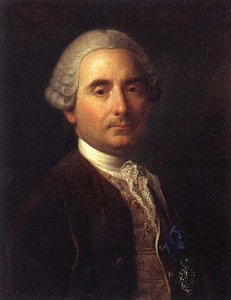
Pietro Antonio Rotari
1707 - 1762 , Italy
Quick Facts
- Artistic Movement Or Style: Baroque
- Artists Who Influenced This Artist:
- Antonio Balestra
- Francesco Trevisani
- Francesco Solimena
- Date Of Birth: 1707
- Date Of Death: 1762
- Full Name: Pietro Antonio Rotari
- Nationality: Italian
- Notable Artworks:
- Queen Maria Josepha
- The Four Martyrs
- Annunciation
- Place Of Birth: Verona, Italy
Related Articles

Baroque Drama: Bringing Opulence & Emotion into Contemporary Interiors
Explore the opulent world of Baroque interior design! Discover key elements, modern applications & how to bring dramatic elegance into your home with 's authentic reproductions.

The Dramatic Flourish: Exploring the Baroque Movement's Enduring Legacy in Art History
Explore the dramatic world of Baroque art! Discover iconic artists like Caravaggio & Rubens, defining techniques, and its lasting impact on art history. Expert insights for collectors & enthusiasts at ArtsDot.

Baroque Masterpieces: 10 Paintings That Defined an Era |
Journey through the drama & grandeur of Baroque art! Explore 10 masterpieces by Caravaggio, Rembrandt, Rubens & more. Discover stunning oil paintings, rich colors & timeless stories. Find museum-quality reproductions at .

Jacopo Tintoretto's Masterpieces: 25 Paintings That Define Venetian Drama | ArtsDot
Explore 25 breathtaking masterpieces by Jacopo Tintoretto, the Venetian master of drama and light. Discover the stories behind iconic Renaissance paintings & find museum-quality art reproductions to elevate your home decor on ArtsDot.com.
Sebastiano Ricci: Venetian Master of Baroque Illusionism & Rococo Grace
Explore the captivating world of Sebastiano Ricci, a leading Venetian Baroque painter renowned for his luminous frescoes & illusionistic masterpieces. Discover his life, techniques, and lasting influence on art history.