 Send
Send Share
Share
 Details

 Download
 Similars
 Diaporama
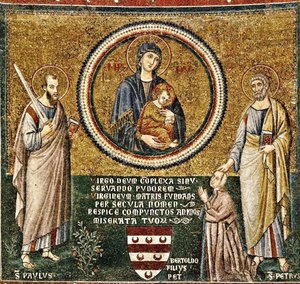
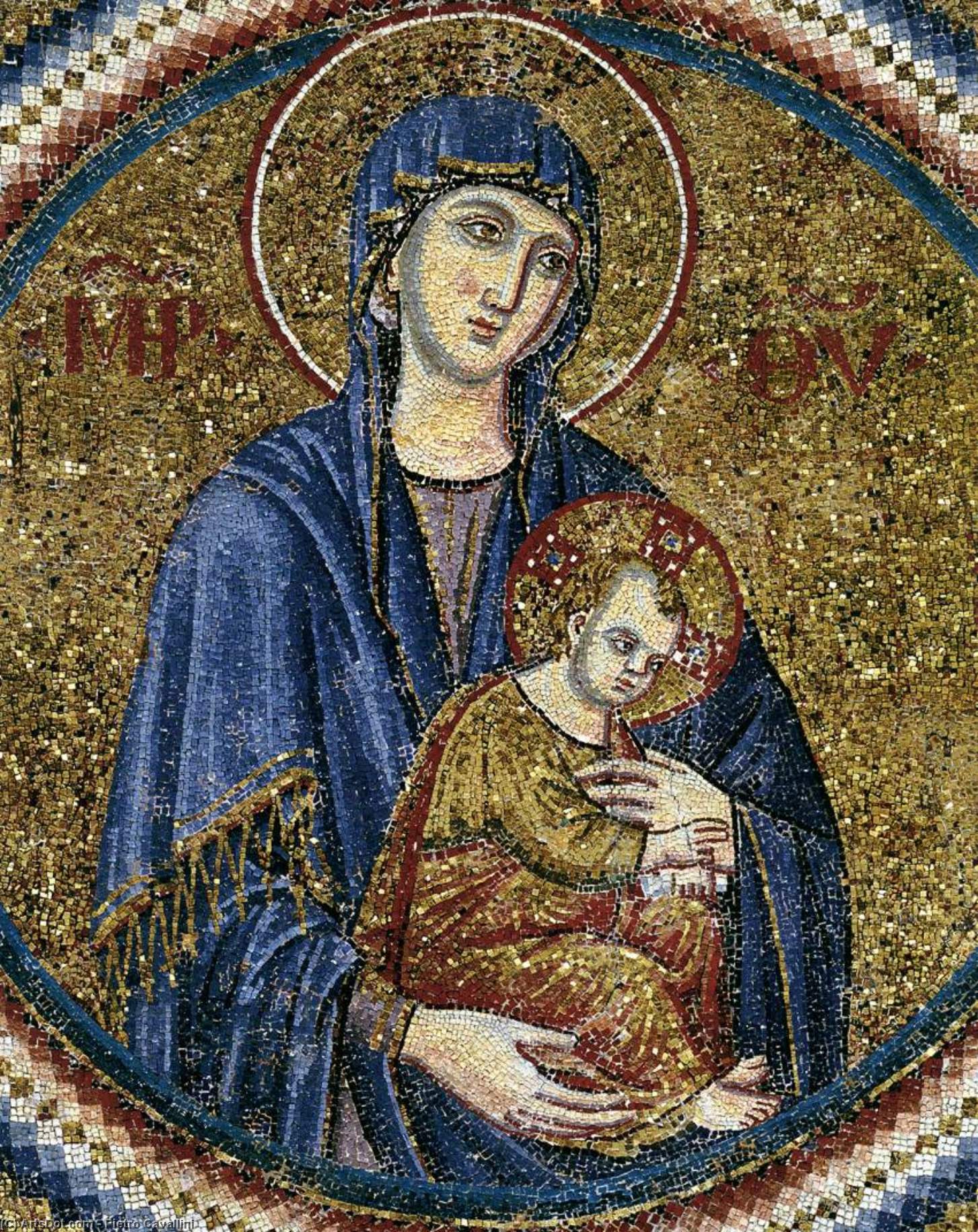
St Peter Recommending Bertoldo Stefanschi to the Virgin (detail)


 Read More
Giclée / Art Print
Museum-quality giclée or canvas print with fast production and flexible finish options. ( Buy Hand Made Painting Buy Image)




































Pick from our preset sizes that match the artwork's original proportions.

You may enter your own dimensions to fit a specific frame or space. If your selected size does not match the original image's proportions, we will either crop the artwork or extend the image with a mirrored or solid-fill edge. A digital mockup will be sent for your approval before production begins.
Please note that the on-screen preview does not reflect the actual cropping or extension. Only the mockup will accurately show the final composition.
While custom sizes are available, we recommend selecting a dimension from the predefined list to preserve the original proportions.
Worldwide Delivery () in 2 weeks instead of standard 4/5 weeks. (17 August)

Free Worldwide Express Shipping

High-Quality Linen Canvas

Full Shipping Insurance

Customs Tax Refund Guarantee

True Color Matching Guarantee

60-Day Return Policy (Defects Only)

100% Money-Back Guarantee

Bulk Discount Offer
 Glass option is only available in size under 110 CM

St Peter Recommending Bertoldo Stefanschi to the Virgin (detail)
Giclée / Art Print
Reproduction Size
-


Total Price
$ 63
Collectible Description
A Divine Encounter in Roman Naturalism
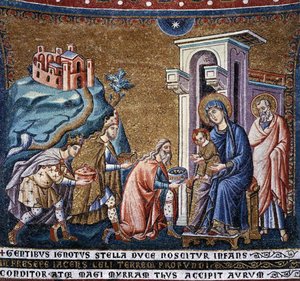
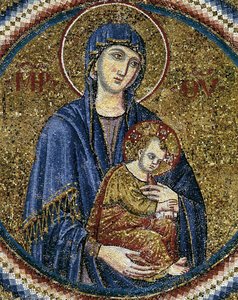
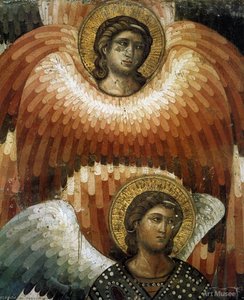
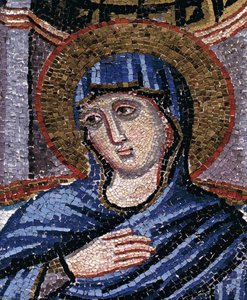
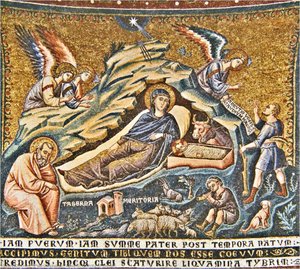
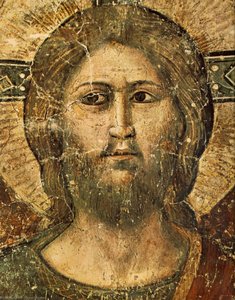
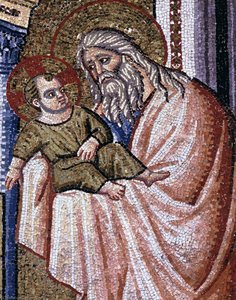
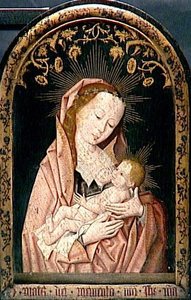
In this exquisite detail from Pietro Cavallini’s masterpiece, we are invited into a moment of profound celestial intimacy. The painting captures the Virgin Mary cradling the Christ Child, a scene that transcends mere religious iconography to become a study in tender, human connection. Clad in a deep blue mantle accented with shimmering gold trim, the Virgin embodies both regal majesty and maternal warmth. Her crown serves as a silent testament to her heavenly status, yet it is the way she holds the infant, drawing him close to her chest, that truly captivates the viewer. The child, nestled securely within her embrace, gazes outward, perhaps sharing in a divine vision known only to them. This delicate interplay of gaze and touch creates an emotional resonance that has captivated devotees and art enthusiasts for centuries.
The artistry of Cavallini is on full display through his pioneering use of Roman Naturalism. Moving away from the rigid, flattened aesthetics of the Byzantine tradition, this work breathes with a newfound sense of volume and weight. The subtle modeling of the faces and the soft drapery of the garments suggest a physical presence that feels remarkably lifelike for the late 13th century. A mesmerizing mosaic-like design weaves through the background, adding a layer of intricate texture that catches the light, much like the shimmering mosaics found in the great basilicas of Rome. This technique, combined with the delicate gold lettering visible in the periphery, lends the piece an aura of sacred permanence, as if the scene were etched into the very fabric of eternity.
The Legacy of a MasterpieceTo possess or display a reproduction of this work is to bring a piece of art history’s great transition into one's personal space. Created around 1296, this era marked a pivotal shift in Western art, where the spiritual began to merge with the observable world. For collectors and interior designers, this painting offers more than just aesthetic beauty; it provides a focal point of contemplative depth. The rich palette of blues and golds, paired with the profound emotional gravity of the subject matter, makes it an ideal centerpiece for a curated gallery wall or a sophisticated study. It serves as a bridge between the ancient traditions of the past and the burgeoning humanism of the Renaissance, offering a timeless elegance that complements both classical and contemporary interiors.
A Symbol of Eternal GraceBeyond its technical brilliance, the painting functions as a profound symbol of protection and intercession. The composition, focusing on the closeness of mother and child, evokes feelings of safety, devotion, and unconditional love. For those seeking to decorate with pieces that inspire peace and reflection, this detail from Cavallini’s work offers an unparalleled emotional sanctuary. It is a testament to the power of art to capture the intangible—the divine spark within the human form—making it a truly transcendent addition to any collection of fine art reproductions.
Related Artworks
Artist Biography
The Pioneer of Roman Naturalism
Pietro Cavallini stands as a pivotal figure in the transition from Byzantine artistic conventions to the burgeoning naturalism that would characterize Early Renaissance Italy. Born around 1240 in Rome, his life remains shrouded in relative obscurity—records indicate he signed pictor romanus, suggesting a profound connection to the St. Paul Outside the Walls basilica, where he began his illustrious career. This initial commission marked an audacious departure from the stylized, flattened depictions prevalent throughout Europe at the time, establishing Cavallini as one of the earliest champions of what would become known as Roman Naturalism.
Cavallini’s fame ascended swiftly thanks to his monumental frescoes adorning St. Paul Outside the Walls between 1277 and 1285. These ambitious projects tackled biblical narratives with unprecedented realism, portraying figures with anatomical accuracy and capturing expressions of emotion that resonated deeply with viewers. The destruction of these frescoes by a devastating fire in 1823 tragically erased much of Cavallini’s original vision, yet surviving fragments continue to inspire awe and admiration for their pioneering spirit. This undertaking cemented his reputation as an innovator who dared to challenge established artistic dogma through the use of light and volume.
Mastery of Form and Light
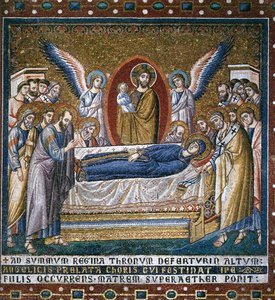
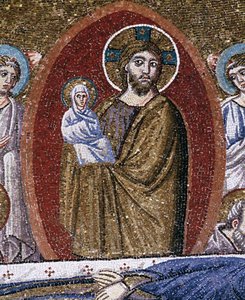
The essence of Cavallini's genius lies in his ability to breathe life into static surfaces, moving away from the rigid, two-dimensional iconography of the Byzantine tradition. His work is characterized by a profound sense of weight and presence, achieved through nuanced shading and a sophisticated understanding of how light interacts with form. In masterpieces such as the Apsidal arch: 6. Dormition of the Virgin, one can witness a serene mosaic that captures the peaceful transition of a sacred moment, inviting the observer into a space where the divine feels tangibly human.
This mastery extended to his use of mosaics and detailed compositions, where he integrated gold leaf and intricate textures to create depth. In works like St Peter Recommending Bertoldo Stefanschi to the Virgin, the exquisite gold mosaic details serve not merely as ornamentation but as a means to illuminate the divine presence within the natural world. His ability to blend the celestial with the earthly through volumetric forms and nuanced shading allowed him to mirror observations from the natural world, creating a bridge between the spiritual and the physical.
A Lasting Legacy in Italian Art
Perhaps Cavallini's most enduring legacy resides in The Last Judgement fresco executed circa 1293 within the church of Santa Cecilia in Trastevere, Rome. Considered his magnum opus, this masterpiece exemplifies Roman Naturalism’s profound impact on artistic sensibilities. Unlike the flattened perspectives and ornate ornamentation characteristic of Gothic art—particularly prevalent in Siena—Cavallini's depiction embraced a sense of three-dimensional space that would fundamentally alter the course of Western painting.
The historical significance of his contributions cannot be overstated, as his stylistic choices provided the foundational blueprint for the Florentine masters who followed. By reintroducing classical elements of weight, shadow, and anatomical truth, he helped spark a movement that moved art toward the Renaissance. His influence can be traced through several key artistic developments:
- The transition from Byzantine stylization to naturalistic representation.
- The introduction of volumetric forms in Roman fresco and mosaic work.
- The profound impact on the development of Early Renaissance painting in Florence.
- The use of light and shadow to create emotional resonance and physical depth.
Though much of his original work has been lost to time and tragedy, the fragments that remain serve as a testament to a man who looked at the world not as a collection of symbols, but as a living, breathing reality waiting to be captured on canvas and stone.
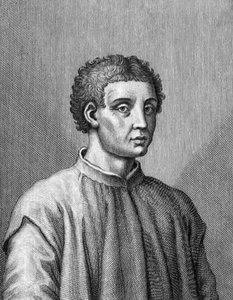
Pietro Cavallini
1240 - 1330 , Italy
Quick Facts
- Artistic Movement Or Style: Roman Naturalism
- Artists Or Movements Influenced By This Artist: ['Florentine School']
- Artists Who Influenced This Artist: ['Giotto']
- Date Of Birth: Rome, Italy (1240)
- Date Of Death: 1330
- Full Name: Pietro Cavallini
- Nationality: Italian
- Notable Artworks:
- Last Judgement
- Crucifixion
- Basilica di San Paolo fuori le mura frescoes
- Place Of Birth: Rome
Related Articles
The Allure of Gold in Art History: Symbolism, Technique & Cultural Significance
Explore the rich history of gold in art! Discover symbolism, techniques & cultural significance from ancient civilizations to Klimt's masterpieces. Expert insights for collectors at ArtsDot.
Golden Glow: How to Use Metallic Gold Artworks to Elevate Your Home Decor with Timeless Luxury
Discover how to elevate your home with the timeless elegance of metallic gold artworks. From sculptural metal pieces to gilded oil paintings, learn expert interior design tips for integrating luxurious gold accents into your space with sophistication and grace.
Fra Angelico's Masterpieces: 25 Renaissance Paintings for Your Home | ArtsDot
Explore 25 breathtaking masterpieces by Fra Angelico, a Renaissance master. Discover the stories behind his iconic frescoes, Annunciations & religious art. Find museum-quality reproductions and elevate your home decor with ArtsDot.com.

Golden Masterpieces: 10 Paintings That Define Art History | ArtsDot
Explore 10 breathtaking paintings where gold leaf shines! From Klimt to Byzantine icons, discover art history’s most gilded masterpieces. Find museum-quality reproductions & elevate your home decor with ArtsDot. Explore the full collection online.
Jacob Henricus Maris: A Master of Dutch Atmospheric Realism & the Intimate Landscape
Explore the captivating world of Jacob Henricus Maris, a leading figure of the Dutch Hague School. Discover his atmospheric landscapes, signature brushstrokes & lasting influence on 19th-century art. Learn more at ArtsDot.