 Preview
 Send
Send Share
Share
 Details

 Download
 Similars
 X-Ray
X-Ray Diaporama
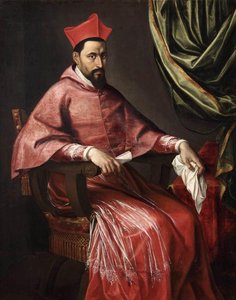
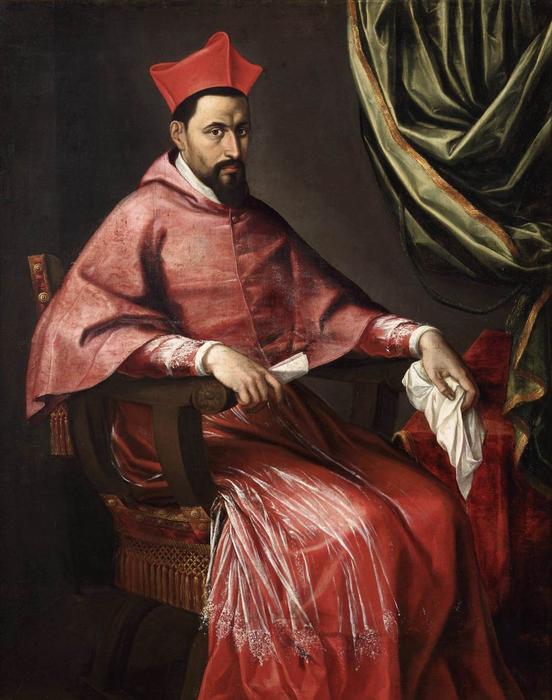
Portrait of a Cardinal
 142.0 x 114.0 cm
 Read More
Hand Made Oil Reproduction
Hand-painted oil on canvas in your size and frame, made to order by our artists. ( Buy Print Buy Image)




































Pick from our preset sizes that match the artwork's original proportions.

You may enter your own dimensions to fit a specific frame or space. If your selected size does not match the original image's proportions, we will either crop the artwork or extend the painting with additional hand-painted elements. A digital mockup will be sent for your approval before production begins.
Please note that the on-screen preview does not reflect the actual cropping or extension. Only the mockup will accurately show the final composition.
While custom sizes are available, we recommend selecting a dimension from the predefined list to preserve the original proportions.
After order, ArtsDot.com team will email client for instructions and provide a mockup preview
Worldwide Delivery () in 3/4 weeks instead of standard 5 weeks. (17 August). No compromise on quality.

Free Worldwide Express Shipping

High-Quality Linen Canvas

Full Shipping Insurance

Customs Tax Refund Guarantee

True Color Matching Guarantee

60-Day Return Policy (Defects Only)

100% Money-Back Guarantee

Bulk Discount Offer
 Glass option is only available in size under 110 CM

Portrait of a Cardinal
Reproduction Medium
Reproduction Size
-


Total Price
$ 263
Related Artworks
Artist Biography
A Brushstroke from Mantua: The Life and Art of Pietro Facchetti
Pietro Facchetti, a name perhaps less resonant than those of his High Renaissance predecessors, nevertheless occupies a significant niche in the artistic landscape of late 16th-century Italy. Born in Mantua around 1539, Facchetti’s journey was one of determined ascent from humble beginnings to becoming a sought-after portraitist and fresco painter in the bustling heart of Rome. His life unfolded during a period of transition – the Mannerist style giving way to the nascent Baroque – and his work reflects this dynamic interplay of artistic currents. While details regarding his early life remain scarce, we know he hailed from a modest family, a circumstance that likely fueled his ambition and dedication to mastering his craft. He initially apprenticed under Lorenzo Costa the Younger, a respected artist in Mantua whose influence would have provided Facchetti with a foundational understanding of composition and technique. However, it was his relocation to Rome that proved pivotal, marking the true blossoming of his artistic career.Rome and the Studio of Scipione Gaeta
The move to Rome brought Facchetti into the orbit of Scipione da Gaeta, a prominent painter known for his refined portraiture and decorative frescoes. Joining Gaeta’s studio was more than simply taking on another apprenticeship; it was an immersion into a thriving artistic environment, one that exposed Facchetti to a wider clientele and a sophisticated aesthetic sensibility. Under Gaeta's tutelage, Facchetti honed his skills in capturing likeness with remarkable precision, developing a style characterized by elegance, clarity, and a subtle psychological depth. He quickly gained recognition as a portrait painter capable of rendering not just the physical appearance of his sitters but also hinting at their inner character and social standing. This burgeoning reputation allowed him to establish an independent practice, attracting commissions from members of the Roman aristocracy and clergy. The studio environment was crucial; it wasn’t merely about technical instruction but also about navigating the complex world of patronage, understanding client expectations, and building a professional network – skills essential for success in the competitive Roman art scene.Style and Influences: A Synthesis of Tradition and Innovation
Facchetti's artistic style is best described as a graceful synthesis of Renaissance classicism and the evolving Mannerist tendencies prevalent in late 16th-century Rome. His portraits, while rooted in the tradition of artists like Raphael and Titian, exhibit a refined elegance and a delicate use of color that distinguish them from earlier works. He possessed a keen eye for detail, meticulously rendering fabrics, jewelry, and hairstyles with impressive accuracy. However, his work wasn’t merely imitative; he infused his portraits with a subtle psychological realism, capturing the personality and social status of his sitters through nuanced expressions and carefully chosen poses. Frescoes formed another significant part of his oeuvre, often adorning the walls of Roman churches and palazzi. These works demonstrate his mastery of narrative composition and his ability to create dynamic scenes filled with expressive figures. While influenced by the grand scale and dramatic compositions of Michelangelo and other High Renaissance masters, Facchetti’s frescoes possess a distinctive clarity and grace that set them apart. His palette tended towards softer tones, avoiding the sometimes-harsh contrasts favored by some of his contemporaries, creating an atmosphere of refined elegance.Major Achievements and Lasting Legacy
Pinpointing specific “major” achievements for Facchetti is challenging due to the fragmented nature of surviving documentation. However, his consistent success in securing commissions from prominent Roman families speaks volumes about his artistic reputation. Numerous portraits attributed to him grace private collections and museums, showcasing his skill in capturing the likenesses of noblemen, church officials, and other influential figures. His frescoes, though often less well-documented than his paintings, demonstrate his ability to create large-scale decorative schemes that enhanced the architectural spaces they adorned. While he didn’t achieve the widespread fame of some of his contemporaries, Facchetti played a vital role in shaping the artistic landscape of late Renaissance Rome. He bridged the gap between the High Renaissance and the Baroque, synthesizing classical traditions with evolving Mannerist sensibilities. His work embodies the elegance, refinement, and psychological depth that characterized the best portraiture of his era.- Masterful Portraiture: Renowned for capturing likenesses with precision and nuance.
- Fresco Decoration: Skilled in creating dynamic narrative scenes for churches and palazzi.
- Synthesis of Styles: Successfully blended Renaissance classicism with Mannerist elegance.
Historical Significance and Facchetti’s Place in Art History
Pietro Facchetti's historical significance lies not in revolutionary innovation but in his skillful execution of established artistic principles. He represents a generation of artists who inherited the legacy of the High Renaissance and adapted it to the changing tastes of their time. His work provides valuable insight into the social and cultural values of late 16th-century Rome, offering glimpses into the lives and aspirations of the elite classes he portrayed. While overshadowed by more celebrated figures, Facchetti’s contribution should not be underestimated. He was a highly respected professional artist who consistently produced works of quality and elegance, earning him the patronage of prominent Roman families. His paintings and frescoes serve as testaments to his technical skill, artistic sensibility, and enduring legacy as a representative of the late Renaissance portrait tradition in Italy. The continued appreciation of his work ensures that Facchetti’s brushstroke from Mantua continues to resonate with art lovers today.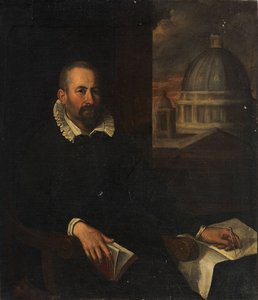
pietro facchetti
1539 - 1613 , Italy
Quick Facts
- Artistic Movement Or Style: Late Renaissance
- Artists Who Influenced This Artist: ['Lorenzo Costa']
- Date Of Birth: 1539
- Date Of Death: 1613
- Full Name: Pietro Facchetti
- Nationality: Italian
- Place Of Birth: Mantua, Italy