 Preview
 Send
Send Share
Share
 Details

 Download
 Similars
 X-Ray
X-Ray Diaporama
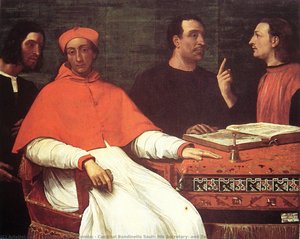
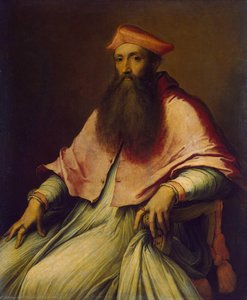
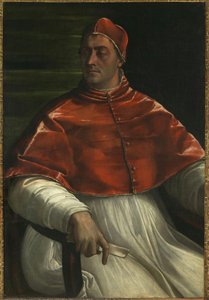
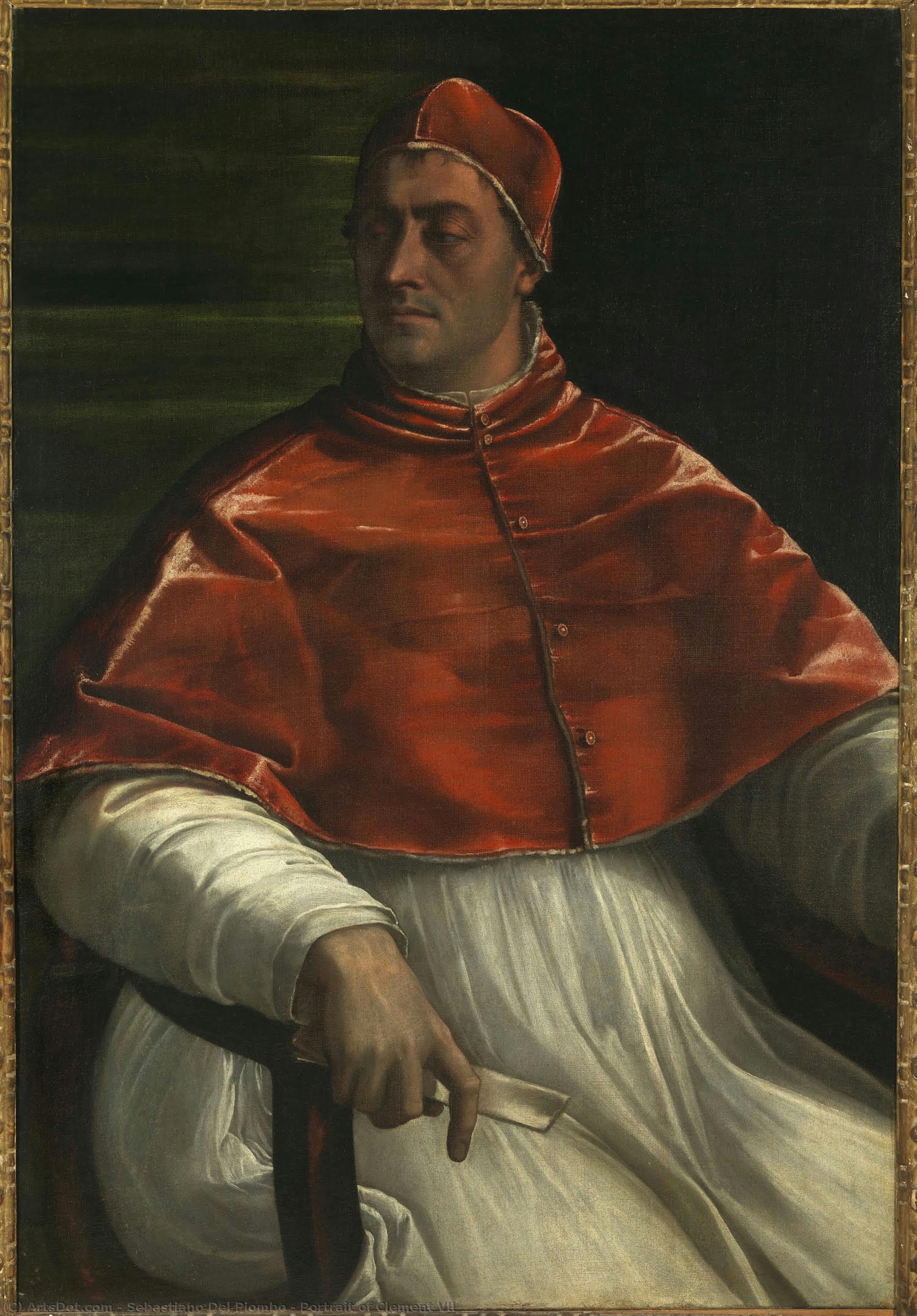
Portrait of Clement VII


 Read More
Hand Made Oil Reproduction
Hand-painted oil on canvas in your size and frame, made to order by our artists. ( Buy Print Buy Image)




P118B $10

P118H $10

P118W $10

P438Z $10

P508JH $12

P508YH $12

P805H $10

P805Z $10

P919BZ $10

P919G $10

P919XJ $10

P959ZH $10

P968JZ $12

W106C $8

W218G $10

W218JH $8

W218Y $10

W307PJ $10

W316G $10

W316PJ $8

W316Y $10

W398PJ $8

W4111J $10

W500HY $15

W500JH $15

W692G $12

W849H $8

W940BG $15

W953PJ $8




Pick from our preset sizes that match the artwork's original proportions.

You may enter your own dimensions to fit a specific frame or space. If your selected size does not match the original image's proportions, we will either crop the artwork or extend the painting with additional hand-painted elements. A digital mockup will be sent for your approval before production begins.
Please note that the on-screen preview does not reflect the actual cropping or extension. Only the mockup will accurately show the final composition.
While custom sizes are available, we recommend selecting a dimension from the predefined list to preserve the original proportions.
After order, ArtsDot.com team will email client for instructions and provide a mockup preview
Worldwide Delivery () in 3/4 weeks instead of standard 5 weeks. (16 August). No compromise on quality.

Free Worldwide Express Shipping

High-Quality Linen Canvas

Full Shipping Insurance

Customs Tax Refund Guarantee

True Color Matching Guarantee

60-Day Return Policy (Defects Only)

100% Money-Back Guarantee

Bulk Discount Offer
 Glass option is only available in size under 110 CM

Portrait of Clement VII
Reproduction Medium
Reproduction Size
-


Total Price
$ 263
Artwork Description
Sebastiano del Piombo’s Portrait of Pope Clement VII: A Venetian Echo in Roman Majesty
The portrait of Pope Clement VII by Sebastiano del Piombo stands as a testament to the artistic dynamism of the High Renaissance, capturing not merely likeness but also an intangible essence of papal authority and humanist contemplation. Painted circa 1527, this masterpiece resides within the British Museum’s collection (P_1955-0212-1), offering viewers a glimpse into a pivotal moment in European history – the fraught negotiations surrounding the Sack of Rome by imperial forces under Charles V. Yet, beyond its political significance lies an artwork profoundly shaped by Venetian artistic sensibilities and imbued with layers of symbolic meaning.- Subject Matter & Composition: The central figure is Pope Clement VII himself, seated at a table adorned with books and scientific instruments – symbols of papal erudition and the burgeoning spirit of Renaissance scholarship. Surrounding him are several men, representing advisors and dignitaries engaged in deliberation. Del Piombo’s masterful composition directs the gaze upwards towards Clement VII, emphasizing his regal posture and conveying an impression of solemn dignity.
- Style & Technique: Sebastiano del Piombo skillfully blends Venetian colorism with Roman sculptural influence. The palette is dominated by muted reds and browns – characteristic hues favored by Venetian painters like Giorgione – creating a rich, atmospheric depth that transcends mere representation. Del Piombo’s meticulous brushwork achieves remarkable textural detail, particularly evident in the folds of Clement VII's robe and the textures of the table surface. This technique reflects the Venetian tradition of layering pigments to achieve luminous effects.
Giorgione’s Influence: Venetian Colorism at its Finest
The pervasive influence of Giorgione is undeniable in Del Piombo's approach. Like Giorgione, Del Piombo prioritized capturing the mood and atmosphere of a scene rather than adhering to strict anatomical accuracy. This stylistic choice aligns with the broader humanist movement that championed observation and emotion as sources of artistic inspiration. The subtle gradations of color—particularly the reddish hues—mirror Giorgione’s celebrated use of chromatic harmonies, elevating the portrait beyond a simple depiction of papal presence.
Symbolism & Context: Imperial Confrontation
The inclusion of scientific instruments underscores the intellectual climate of the time – a period marked by intense debate regarding papal authority and imperial ambition. The Sack of Rome in 1527 represented a devastating blow to papal prestige, exposing vulnerabilities within Christendom’s defenses. Clement VII's resolute stance during these turbulent negotiations is subtly conveyed through his gaze and posture, embodying the courage and determination required to safeguard papal interests amidst external pressures.
Emotional Impact & Legacy
Del Piombo’s portrait transcends mere visual representation; it communicates a profound sense of contemplation and gravitas. The solemn expression on Clement VII's face invites viewers to consider not only his physical appearance but also the weight of responsibility borne by papal leadership. It remains an enduring symbol of Renaissance humanist ideals—a celebration of intellect, dignity, and artistic mastery—continuing to inspire admiration and scholarly study centuries after its creation.
Further Exploration
Related Artworks


Artist Biography
A Venetian Soul in Roman Splendor
Sebastiano del Piombo, born Sebastiano Luciani around 1485 in the radiant heart of Venice, occupies a unique and often enigmatic position within the High Renaissance. His story is not one of immediate artistic recognition, but rather a compelling journey of adaptation, migration, and ultimately, a distinctive synthesis of Venetian colorism with the imposing gravity of Roman form. Unlike many contemporaries whose paths were clearly defined from youth, Sebastiano’s entry into painting was somewhat delayed; initially drawn to music – he possessed considerable skill as a lutenist – it wasn't until his late teens or early twenties that he seriously embraced the canvas. This formative period in Venice instilled within him an enduring love for rich hues, atmospheric perspective, and a poetic sensibility that would remain hallmarks of his style even after relocating to Rome. The profound influence of Giorgione is particularly palpable in early attributions like the unfinished *Judgement of Solomon*, a work steeped in dramatic narrative and showcasing an innovative approach to composition, hinting at the artistic potential about to unfold.From Venice to the Heart of Roman Artistic Life
The year 1511 marked a pivotal moment in Sebastiano’s career as he journeyed to Rome, a city then pulsating with artistic energy under the patronage of Popes Julius II and Leo X. This move placed him directly into the orbit of Raphael, whose workshop was at its zenith, and soon after, into the complex world surrounding Michelangelo. Remarkably, unlike some artists who found themselves overshadowed by these titans, Sebastiano managed to carve out his own niche, even earning the respect – and occasional encouragement – of the notoriously critical Michelangelo himself. The two masters recognized a kindred spirit in each other’s pursuit of grandeur and anatomical precision; Michelangelo actively championed Sebastiano's work, urging him to compete with Raphael for prestigious commissions. This rivalry, though perhaps exaggerated by Vasari, undoubtedly fueled Sebastiano’s ambition and contributed to his growing reputation. His early Roman works, such as the frescoes in the Villa Farnesina – notably *Polyphemus* – demonstrate a masterful assimilation of classical motifs and a burgeoning confidence in handling large-scale compositions. He was quickly becoming a force within the Roman art scene, blending Venetian sensibilities with the demands of his new environment.The Synthesis of Styles: A Unique Artistic Vision
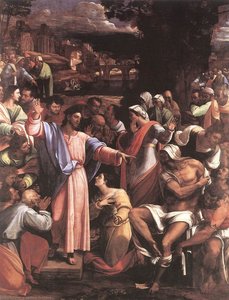
Sebastiano del Piombo’s artistic genius lay in his ability to reconcile the seemingly disparate traditions of Venice and Rome. While firmly rooted in the Venetian school's emphasis on color, light, and texture – a legacy inherited from Giorgione and Titian – he embraced the Roman preoccupation with monumental forms, anatomical accuracy, and dramatic narrative. This fusion is strikingly evident in *The Raising of Lazarus*, a powerful altarpiece commissioned for Narbonne Cathedral and now residing in London’s National Gallery. The painting showcases his command of oil paint to create luminous flesh tones and rich draperies, while the figures themselves possess a sculptural solidity reminiscent of Michelangelo's work. This unique blend set him apart from his contemporaries and established him as a leading figure in Roman art after Raphael’s untimely death in 1520. He wasn’t merely imitating; he was forging a new path, demonstrating that Venetian sensuality and Roman gravitas could coexist harmoniously on the same canvas. The Raising of Lazarus stands as a testament to his ability to synthesize these seemingly opposing forces into a cohesive and emotionally resonant whole.Later Life and Enduring Legacy
The latter part of Sebastiano's life took an unexpected turn in 1531 when he was appointed *piombatore*, Keeper of the Seals for the Papacy. This prestigious, yet demanding, position required him to attend to the Pope’s administrative duties and curtailed his artistic output considerably. Though financially secure, the responsibilities of office drew him away from painting, and his later works became fewer in number. He continued to receive commissions, primarily portraits, but the fervor and innovation of his earlier period seemed somewhat subdued. Despite this decline in productivity, Sebastiano remained a respected figure within Roman artistic circles until his death in 1547. His influence, however, proved less pervasive than that of Raphael or Michelangelo. This was partly due to a lack of numerous pupils and limited dissemination of his work through prints – a common practice for promoting an artist’s style during the Renaissance. Nevertheless, Sebastiano del Piombo's legacy endures as a testament to the power of artistic synthesis and the enduring allure of Venetian color combined with Roman monumentality.Notable Works
- The Three Philosophers (with Giorgione): A collaborative masterpiece showcasing early influences.
- Polyphemus: A fresco in Villa Farnesina, demonstrating classical style and masterful detail.
- Moses Receiving the Tables of the Law: Demonstrates mastery of oil on canvas and dramatic composition.
- The Raising of Lazarus: A powerful altarpiece blending Venetian color with Roman form.
- San Sebastiano: An evocative depiction of the saint, showcasing his skill in portraying human emotion.
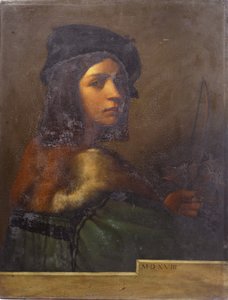
Sebastiano del Piombo
1485 - 1547 , Italy
Quick Facts
- Artistic Movement Or Style: High Renaissance, Mannerism
- Artists Who Influenced This Artist:
- Giovanni Bellini
- Giorgione
- Raphael
- Michelangelo
- Date Of Birth: c. 1485
- Date Of Death: 1547
- Full Name: Sebastiano del Piombo
- Nationality: Italian
- Notable Artworks:
- The Raising of Lazarus
- Polyphemus
- Moses Receiving the Law
- Three Philosophers
- Place Of Birth: Venice, Italy
Related Articles

Sebastiano del Piombo: Bridging Venetian Colorism & Roman Grand Manner Portraiture
Explore the captivating art of Sebastiano del Piombo, a Renaissance master bridging Venetian colorism & Roman grandeur. Discover his iconic portraits and lasting influence on art history. Learn more at ArtsDot.

Jacopo Tintoretto's Masterpieces: 25 Paintings That Define Venetian Drama | ArtsDot
Explore 25 breathtaking masterpieces by Jacopo Tintoretto, the Venetian master of drama and light. Discover the stories behind iconic Renaissance paintings & find museum-quality art reproductions to elevate your home decor on ArtsDot.com.
Modigliani's Masterpieces: 25 Iconic Paintings & Sculptures | ArtsDot
Explore 25 iconic artworks by Amedeo Modigliani, from his haunting portraits to captivating sculptures. Discover the stories behind these masterpieces of early 20th-century art & find museum-quality reproductions at ArtsDot.com.
Sebastiano Ricci: Venetian Master of Baroque Illusionism & Rococo Grace
Explore the captivating world of Sebastiano Ricci, a leading Venetian Baroque painter renowned for his luminous frescoes & illusionistic masterpieces. Discover his life, techniques, and lasting influence on art history.

The Golden Light of Innovation: Exploring the Venetian Renaissance Art Movement (1430–1580)
Explore the Golden Age of Venetian art (1430–1580). Discover Giorgione, Titian & Tintoretto's techniques, the 'colorito' revolution, and lasting influence. Expert insights for collectors & enthusiasts.