 Preview
 Send
Send Share
Share
 Details

 Download
 Similars
 X-Ray
X-Ray Diaporama
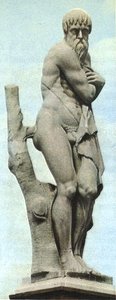
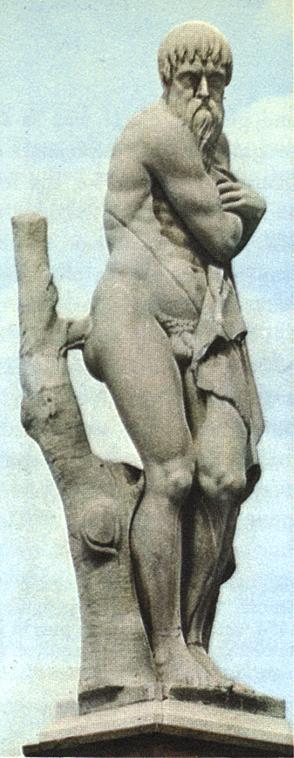
Winter


 Read More
Giclée / Art Print
Museum-quality giclée or canvas print with fast production and flexible finish options. ( Buy Hand Made Painting Buy Image)




































Pick from our preset sizes that match the artwork's original proportions.

You may enter your own dimensions to fit a specific frame or space. If your selected size does not match the original image's proportions, we will either crop the artwork or extend the image with a mirrored or solid-fill edge. A digital mockup will be sent for your approval before production begins.
Please note that the on-screen preview does not reflect the actual cropping or extension. Only the mockup will accurately show the final composition.
While custom sizes are available, we recommend selecting a dimension from the predefined list to preserve the original proportions.
Worldwide Delivery () in 2 weeks instead of standard 4/5 weeks. (21 August)

Free Worldwide Express Shipping

High-Quality Linen Canvas

Full Shipping Insurance

Customs Tax Refund Guarantee

True Color Matching Guarantee

60-Day Return Policy (Defects Only)

100% Money-Back Guarantee

Bulk Discount Offer
 Glass option is only available in size under 110 CM

Winter
Giclée / Art Print
Reproduction Size
-


Total Price
$ 63
Related Artworks

Artist Biography
The Sculptural Legacy of Pietro Francavilla
In the grand tapestry of the late sixteenth century, few figures embody the seamless transition from Mannerist elegance to High Renaissance grandeur as gracefully as Pietro Francavilla. Born Pierre Franqueville around 1548 in the historic city of Cambrai, this Franco-Flemish master emerged from a period of profound intellectual and artistic ferment. His life’s work serves as a bridge between the intricate, often stylized complexities of Mannerism and the revitalized classical ideals that sought to recapture the anatomical precision and monumental dignity of antiquity. Though his biographical records are occasionally shrouded in the mists of time, his presence is indelibly etched into the marble of Europe's most prestigious courts and cathedrals.
Francavilla’s artistic journey was one of movement and diverse influences, shaped by the great artistic hubs of his era. His early training likely began in Paris, but it was through his travels across the continent that his unique voice was forged. The influence of the Flemish tradition provided him with a foundation of meticulous detail, yet it was his exposure to the Italian masters that truly elevated his craft. By immersing himself in the sculptural traditions of Rome and Florence, he absorbed the mastery of anatomical accuracy and dramatic composition that would become the hallmarks of his style. His ability to breathe life into cold stone allowed him to translate the complex mythological and allegative themes of the Renaissance into a tangible, breathtaking reality.
Mastery of Marble and Mythological Grandeur
The true essence of Francavilla’s genius lies in his profound command over marble, a medium he used to celebrate both the divine and the heroic. His sculptures are characterized by an exquisite tension between idealized beauty and startling realism. When observing his works, one is struck by the meticulous attention to the fluidity of drapery and the powerful rendering of musculature, elements that suggest a deep reverence for the classical Greek and Roman precedents. He did not merely carve figures; he sculpted movement and emotion, capturing the very essence of the legends he depicted.
His repertoire of subjects often drew from the rich wellspring of classical mythology, allowing him to explore themes of power, seasonal change, and divine intervention. Some of his most enduring achievements include:
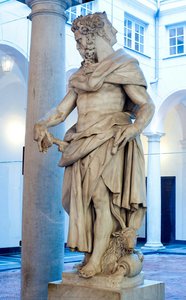
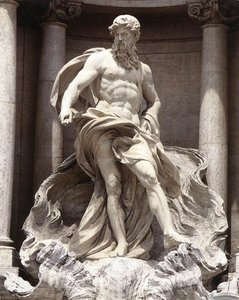
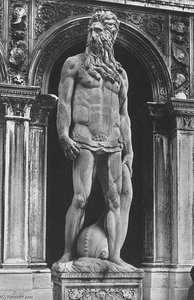
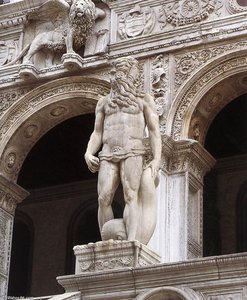
- Winter (Neptune): A monumental marble masterpiece commissioned for the Palazzo Ducale di Bologna, where the sea god is rendered with a sense of primordial strength and seasonal majesty.
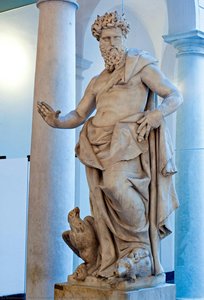
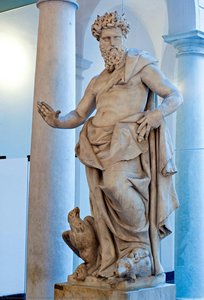
- Jove: An evocative 1585 sculpture that showcases his ability to evoke Hellenistic realism, portraying the king of the gods with a commanding presence.
- Janus: A significant work that utilizes the two-faced deity to symbolize transition and the duality of time, reflecting the humanist fascination with temporal cycles.
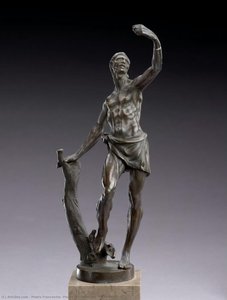
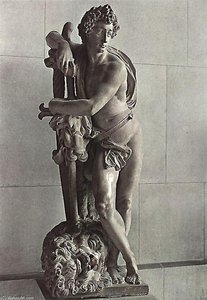
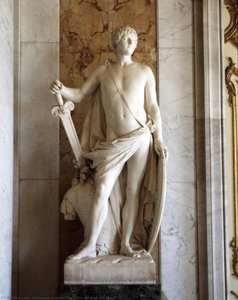
- David and Muscleman: Works that demonstrate his profound understanding of human anatomy and the physical prowess inherent in classical heroism.
A Lasting Impression on European Art
As Francavilla’s reputation grew, so did the scale of his influence. His career saw him navigating the highest echelons of European patronage, from the Medici court in Florence to serving as a royal sculptor for Henry IV of France. This mobility allowed him to act as a cultural conduit, introducing the sophisticated nuances of Tuscan Mannerism to the French artistic landscape. By blending the technical precision of his Flemish roots with the dramatic flair of the Italian Renaissance, he helped shape a pan-European aesthetic that would resonate for generations.
The historical significance of Pietro Francavilla extends far beyond the physical beauty of his statues. He represents a pivotal moment in art history when the boundaries between regional styles began to dissolve under the weight of shared classical ideals. His ability to harmonize the intricate ornamentation of the late sixteenth century with the burgeoning desire for monumental clarity helped pave the way for the Baroque era. Today, his works remain as silent, powerful witnesses to an age of discovery, reminding us of a time when art sought to capture the eternal through the perfection of form.
pietro francavilla (pierre franqueville)
1548 - 1615 , France
Quick Facts
- Artistic Movement Or Style: Renaissance
- Date Of Birth: 1548
- Full Name: Pietro Francavilla (Pierre Franqueville)
- Nationality: French
- Notable Artworks:
- Janus
- Winter
- Place Of Birth: Cambrai, France
Related Articles
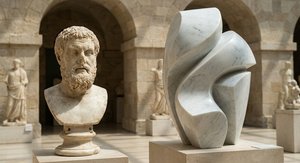
The Enduring Allure of Marble in Art History: From Classical Sculpture to Modern Abstraction
Explore the captivating history of marble sculpture from ancient Greece to modern art. Discover renowned artists like Canova & Michelangelo, carving techniques, and investment insights at ArtsDot.

Bronze Sculptures That Defined Art History | ArtsDot
Journey through art history with our Top 10 bronze sculptures! Explore masterpieces by Rodin, Michelangelo & more. Discover stories behind iconic statues and find museum-quality reproductions for your home decor at ArtsDot.com.

Bronze Age to Modern Masters: 10 Sculptures That Redefined Art | ArtsDot
Journey through art history with 10 legendary bronze sculptures – from Michelangelo's David to Rodin’s Thinker. Explore the stories, techniques & timeless beauty of these masterpieces. Find museum-quality reproductions & elevate your home decor on ArtsDot.com.
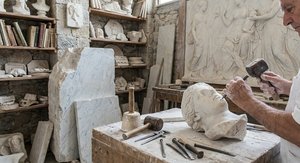
The Enduring Legacy of Marble: A Comprehensive Exploration of Technique, Symbolism & Artistic Expression
Explore the rich history of marble sculpture from antiquity to the Renaissance! Discover key techniques, influential artists & enduring themes in classical art. Expert insights for collectors and enthusiasts at ArtsDot.

The Enduring Form: Exploring Themes & Techniques in Sculpture Across Historical Periods
Explore the rich history of sculpture from ancient masterpieces to contemporary innovations. Discover key techniques, influential artists & investment potential for discerning art collectors.