 Preview
 Send
Send Share
Share
 Details

 Download
 Similars
 X-Ray
X-Ray Diaporama
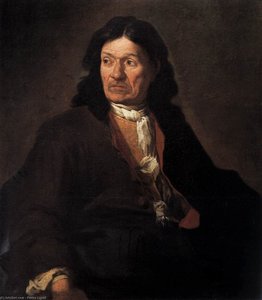
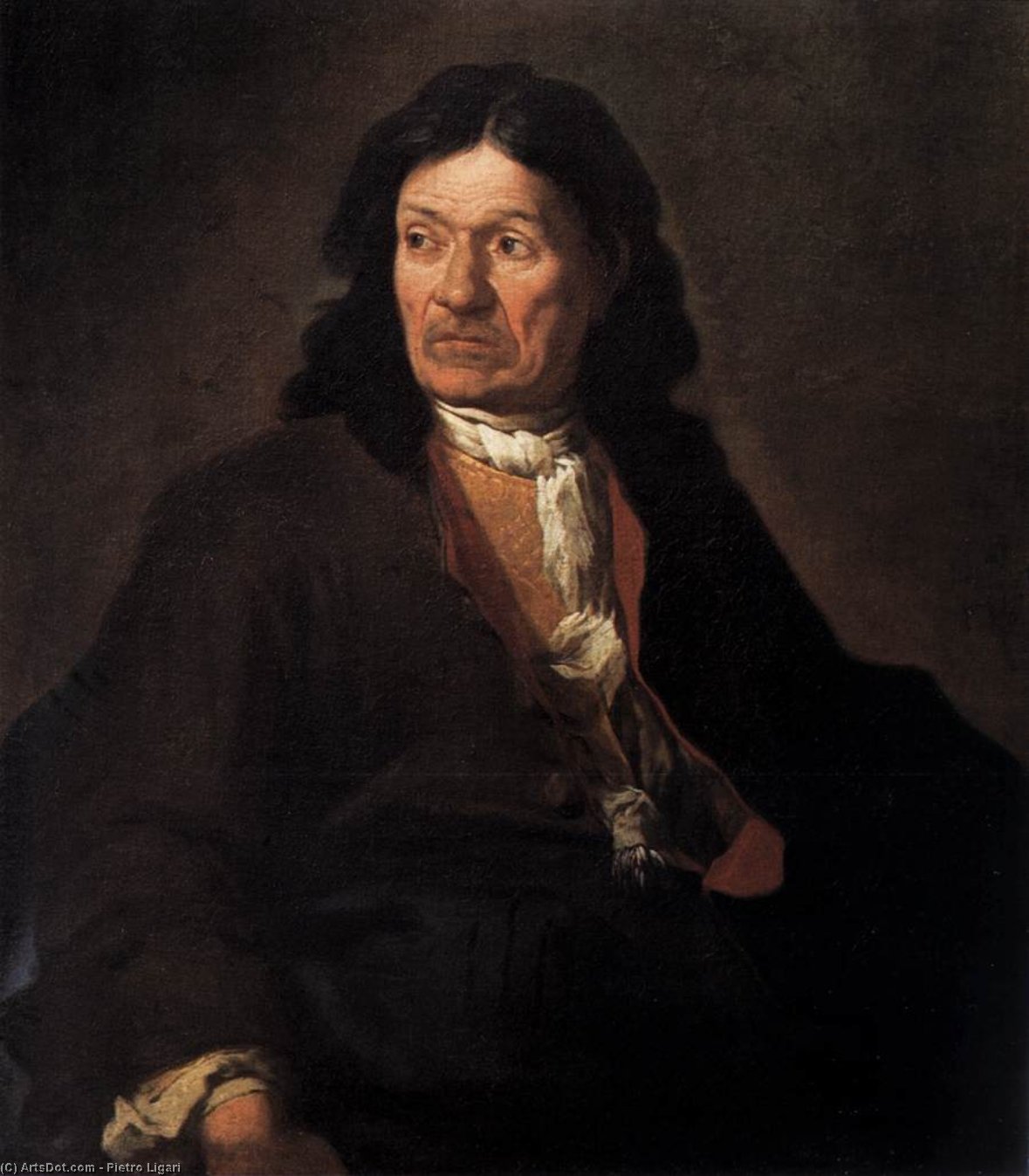
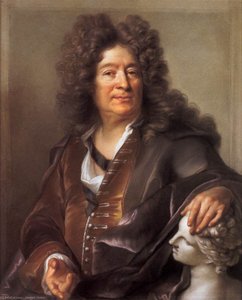
Portrait of the Artist's Father
 98.0 x 70.0 cm
 Pinacoteca di Brera
 Read More
Hand Made Oil Reproduction
Hand-painted oil on canvas in your size and frame, made to order by our artists. ( Buy Print Buy Image)




































Pick from our preset sizes that match the artwork's original proportions.

You may enter your own dimensions to fit a specific frame or space. If your selected size does not match the original image's proportions, we will either crop the artwork or extend the painting with additional hand-painted elements. A digital mockup will be sent for your approval before production begins.
Please note that the on-screen preview does not reflect the actual cropping or extension. Only the mockup will accurately show the final composition.
While custom sizes are available, we recommend selecting a dimension from the predefined list to preserve the original proportions.
After order, ArtsDot.com team will email client for instructions and provide a mockup preview
Worldwide Delivery () in 3/4 weeks instead of standard 5 weeks. (30 August). No compromise on quality.

Free Worldwide Express Shipping

High-Quality Linen Canvas

Full Shipping Insurance

Customs Tax Refund Guarantee

True Color Matching Guarantee

60-Day Return Policy (Defects Only)

100% Money-Back Guarantee

Bulk Discount Offer
 Glass option is only available in size under 110 CM

Portrait of the Artist's Father
Reproduction Medium
Reproduction Size
-


Total Price
$ 263
Related Artworks







Artist Biography
A Valtelline Master: The Life and Art of Giovanni Pietro Ligario
Giovanni Pietro Ligario, born in the small village of Ardenno near Sondrio in 1686, stands as a compelling figure within the landscape of late Baroque Italian art. While perhaps not a household name on par with his more internationally celebrated contemporaries, Ligario’s influence was profoundly felt throughout the Valtelline valley and beyond, shaping the religious imagery and architectural character of the region for generations. His story is one of dedicated craftsmanship, familial artistic legacy, and a subtle yet powerful engagement with the prevailing stylistic currents of his time. Ligario emerged from a bourgeois family deeply rooted in the local community, a background that would inform both the subject matter and the spiritual depth of his work. The name Ligari itself derives from the hamlet of Ligari near Triangia, hinting at a long-standing connection to the land and its traditions.Early Training and Roman Influences
Ligario’s artistic journey began with foundational training within Valtelline before he ventured to Rome as a young man—a pivotal step that would irrevocably alter his creative trajectory. In Rome, he entered the studio of Lazzaro Baldi, a follower of Pietro da Cortona, immersing himself in the grand tradition of Baroque painting. This period proved crucial; Ligario absorbed the dynamism, theatricality, and rich color palettes characteristic of Roman art, yet he didn’t simply replicate these styles. He also undertook study tours through Central Italy and Venice, broadening his exposure to diverse artistic approaches. The Venetian influence is particularly noticeable in his later works—a delicate handling of light, a subtle atmospheric perspective, and a refined sense of color that distinguishes him from the more overtly dramatic Baroque painters of Rome. This synthesis of Roman grandeur and Venetian subtlety would become a hallmark of Ligario’s unique style.A Return to Valtelline: Painting for Churches and Private Collections
In 1727, Ligario returned to his native Valtelline, marking a turning point in his career. He dedicated himself primarily to painting historical and religious scenes for churches and private patrons throughout the valley. This wasn’t merely a professional decision; it was an act of cultural reinvestment, bringing the artistic sophistication he had acquired abroad back to his community. He became highly sought after for altarpieces, frescoes adorning church ceilings and walls, and devotional paintings intended to inspire faith and reverence. Notable examples include the “St. Benedict” in the church of the convent at Sondrio and the “Descent of the Holy Spirit” in the church of San Giovanni Battista in Morbegno—works that showcase his mastery of composition, narrative clarity, and emotional resonance. His paintings weren’t simply decorative; they were integral to the spiritual life of the region, reflecting a deep understanding of Catholic iconography and devotional practices.The Ligari Family Dynasty
Giovanni Pietro Ligario wasn't working in isolation. He founded a true artistic dynasty, passing down his skills and passion to his children—Angelo, Cesare, and Vittoria. All three followed in their father’s footsteps, becoming accomplished painters in their own right. This familial collaboration ensured the continuation of the Ligari style throughout the 18th century, solidifying their presence as the most important artistic force in Valtellina during that period. The works of Giovanni Pietro and his children often bear a striking resemblance, making attribution challenging at times, but also demonstrating a shared aesthetic sensibility and technical proficiency. Today, a significant collection of Ligari family paintings is housed within the Valtellinese Museum of History and Art in Sondrio, offering a testament to their enduring legacy.Historical Significance and Lasting Influence
Giovanni Pietro Ligario’s significance lies not in revolutionary innovation but in his skillful synthesis of existing styles and his dedicated service to the artistic needs of his community. He represents a fascinating example of an artist who absorbed international influences—Roman Baroque, Venetian colorism—and adapted them to a specific regional context. His work reflects the religious fervor and cultural identity of Valtelline during a period of socio-political complexity. He was more than just a painter; he was a cultural ambassador, bringing artistic sophistication back to his homeland and establishing a family tradition that shaped the visual landscape of the valley for generations. Ligario’s paintings continue to inspire awe and reverence today, serving as powerful reminders of the enduring power of art to connect us with the past and illuminate the human spirit.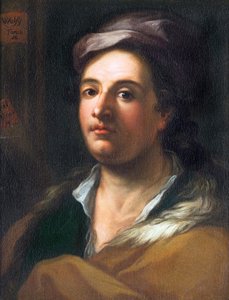
pietro ligari
1686 - 1752 , Italy
Quick Facts
- Artistic Movement Or Style: Late Baroque
- Artists Or Movements Influenced By This Artist:
- Angelo Ligari
- Cesare Ligari
- Vittoria Ligari
- Artists Who Influenced This Artist: ['Lazzaro Baldi']
- Date Of Birth: 1686
- Date Of Death: 1752
- Full Name: Giovanni Pietro Ligario
- Nationality: Italian
- Notable Artworks:
- St. Benedict
- Descent of the Holy Spirit
- Place Of Birth: Ardenno, Italy