

 Preview
 Send
Send Share
Share
 Details

 Download
 Similars
 X-Ray
X-Ray Diaporama
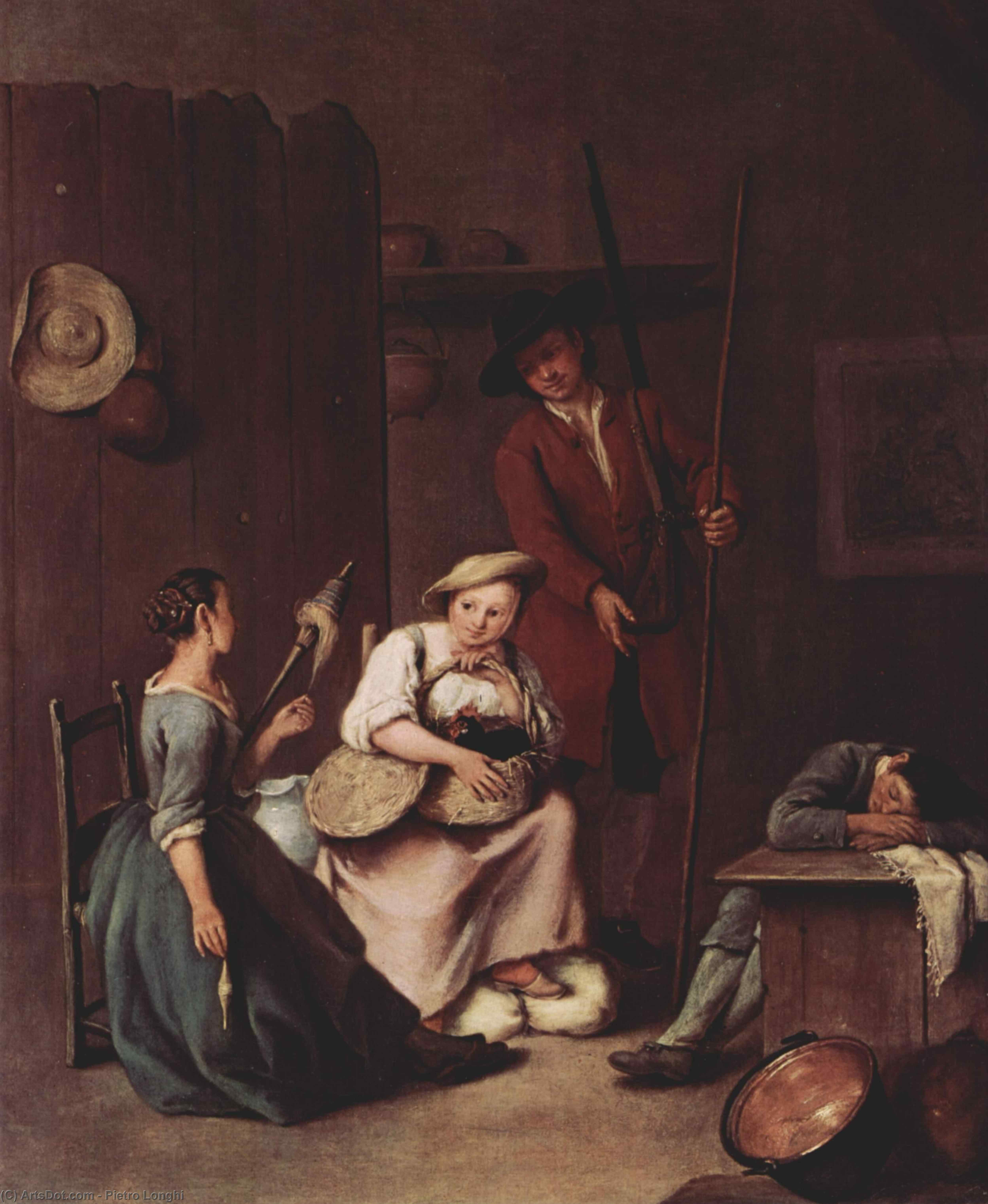
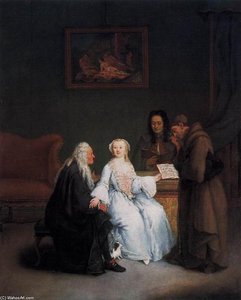
The hunters and the farmers
 Oil On Canvas
- WallArt
- Rococo
 Early Modern
 48.0 x 60.0 cm
 Read More
Purchase a high-resolution, enhanced digital image, far superior to the online preview.
Each file is meticulously prepared by our in-house specialists using advanced tools and expert manual retouching. We ensure every image has exceptional clarity, precise color accuracy, and fine detail.
The final file is delivered via email within 72 hours, optimized for immediate use in professional, editorial, and print environments. This is the same quality trusted by top-tier design studios, publishers, and galleries.
Digital Image
Download a high-resolution file for personal display, printing, and creative projects. ( Buy Print Buy Hand Made Painting)
Included in Every Digital Image Order
Expert Digital Delivery, Guaranteed
When you choose ArtsDot.com, you're not just getting an image - you're receiving a professionally enhanced digital artwork, crafted with precision and backed by a satisfaction guarantee. Here's everything that comes with your order, automatically:

Fast Email Delivery
Your high-resolution digital image file will be emailed to you within 72 hours of ordering - ready for immediate use.

AI-Enhanced Digital File
Your artwork is professionally optimized using advanced AI tools and manual editing, ensuring maximum detail, clarity, and color accuracy.

Free Lifetime Re-Delivery
Accidentally deleted or lost your file? No worries - we'll resend it to you anytime, free of charge.

No Import Fees - Ever
Enjoy your artwork instantly with zero customs, duties, or delivery fees - digital downloads are always tax-free.

Color Accuracy Guarantee
We ensure your digital image reflects the original colors as closely as possible using professional tools and color management.

60-Day Satisfaction Guarantee
If you're not satisfied with your digital image, we'll revise it or refund 100% within 60 days - no questions asked.

100% Money-Back Guarantee
Not satisfied? Get a full refund within 60 days of receiving your digital file - no questions asked.

Bulk Order Discounts
Buy 3 images, save 10% - Buy 5, save 15% - Buy 10+, save 20%. Great for creative projects, galleries, and agencies.
Collectible Description
A Glimpse into Venetian Intimacy
In the delicate brushstrokes of Pietro Longhi’s "The Hunters and the Farmers," we are invited to step through a threshold into the quiet, unscripted moments of the 18th century. This exquisite oil on canvas, measuring 48 x 60 cm, serves as a masterful window into the Rococo era, capturing a narrative that feels both profoundly personal and socially significant. Longhi, often celebrated as the chronicler of Venetian daily life, eschews the grandiosity of mythological epics to focus instead on the subtle textures of human interaction. Here, the scene unfolds within a rustic interior, where the warmth of a domestic setting meets the rugged energy of the hunt, creating a composition that is as much about social exchange as it is about the figures themselves.
The painting’s heart lies in its trio of protagonists, whose arrangement suggests a momentary pause in a larger story. A woman, draped in a serene blue dress with delicate white sleeves, sits anchored in her chair, providing a sense of stability to the scene. Beside her, a companion in a soft pink dress and a crisp white apron adds a touch of pastoral elegance, her presence bridging the gap between the domestic sphere and the wilder world outside. The tension and movement are introduced by the man in the striking red coat; clutching his rifle, he stands as a symbol of the external world—the hunt—encroaching upon the sanctuary of the home. This interplay between the seated, stationary figures and the standing, armed traveler creates a rhythmic movement that guides the viewer's eye across the canvas.
The Artistry of the Rococo Spirit
Technically, Longhi employs the hallmarks of the Rococo style to imbue the work with lightness and grace. The artist utilizes a palette that balances the earthy, grounded tones of the rustic background—wooden walls adorned with the humble tools of kitchen life like pots and pans—with the luminous, jewel-like hues of the characters' attire. His technique allows for a meticulous rendering of fabric textures, from the heavy weight of the red coat to the airy lightness of the white aprons. This attention to detail does more than showcase skill; it breathes life into the inanimate objects hanging on the walls, making the setting feel lived-in and authentic.
For the discerning collector or interior designer, this piece offers a sophisticated layer of storytelling. The symbolism of the hunter entering the domestic space speaks to the eternal dialogue between civilization and nature, a theme that resonates deeply in contemporary spaces seeking a connection to heritage and tradition. As a high-quality reproduction, "The Hunters and the Farmers" brings with it an atmosphere of refined nostalgia. It is a piece designed not just to decorate a wall, but to anchor a room with its historical weight and emotional warmth, offering a timeless elegance that complements both classic period rooms and modern, minimalist galleries.
Related Artworks


Artist Biography
A Venetian Chronicler of Daily Life
Pietro Longhi, born Pietro Falca in Venice on November 5th, 1701, wasn’t painting grand historical narratives or mythological scenes; he was capturing the quiet dramas unfolding within the city's elegant homes and bustling streets. He became renowned for his witty genre paintings – intimate glimpses into the lives of 18th-century Venetians, a departure from the prevailing artistic trends of his time. The son of Alessandro Falca, a silversmith, Longhi’s early training began under the Veronese painter Antonio Balestra, who recognized and nurtured the young artist's talent. This foundation in traditional technique would later serve as a subtle counterpoint to the innovative spirit he brought to his chosen subject matter. He adopted the surname “Longhi” upon beginning his artistic career, a symbolic shedding of his father’s trade for the pursuit of painting.From Religious Scenes to Venetian Interiors
Longhi's initial works reflected the expectations of the era: altarpieces and religious themes dominated his early portfolio. His 1732 altarpiece for the church of San Pellegrino demonstrates a skillful command of traditional techniques, showcasing broken brushwork and vibrant color glazes characteristic of Venetian painting. However, it was in the late 1730s that Longhi truly found his voice, shifting towards the small-scale genre scenes that would define his legacy. This transition wasn’t merely a change in subject matter; it represented a deliberate engagement with the burgeoning social and cultural shifts of the time. The 18th century witnessed a growing fascination with the private lives of the bourgeoisie, a focus on domesticity and everyday rituals. Longhi masterfully captured this shift, offering viewers a window into Venetian society that was both charming and subtly satirical. He married Caterina Maria Rizzi in 1732, and together they had eleven children, though only three survived to adulthood. This personal life, while not directly reflected in his art, undoubtedly shaped his understanding of the domestic sphere he so frequently depicted.The “Venetian Hogarth” and a Satirical Eye
Longhi quickly earned the moniker "the Venetian William Hogarth," a testament to his ability to infuse seemingly innocuous scenes with layers of social commentary. Like Hogarth, Longhi didn’t shy away from depicting human foibles and societal contradictions. However, while Hogarth's satire was often pointed and moralizing, Longhi’s tended to be more nuanced, imbued with a gentle irony. His paintings are populated with masked figures – a nod to the ubiquitous Carnival celebrations of Venice – engaged in various activities, from gambling and flirtation to clandestine meetings and dubious transactions. The Letter, for example, presents a scene rife with implied impropriety, hinting at the hidden undercurrents of Venetian society. He wasn’t simply recording life as it was; he was offering a sly commentary on its complexities and contradictions. His ability to capture these subtleties is what sets him apart, elevating his genre scenes beyond mere documentation into insightful social observations.Technique, Influence, and Lasting Legacy
Longhi’s technique was as distinctive as his subject matter. He favored small canvases, meticulously rendered with a delicate touch and a keen eye for detail. His interiors are bathed in soft light, creating an atmosphere of intimacy and realism. He possessed a remarkable ability to depict textures – the sheen of silk, the roughness of wood, the delicate folds of fabric – adding depth and authenticity to his scenes. While influenced by earlier Venetian masters like Giuseppe Maria Crespi, Longhi forged his own path, anticipating later developments in genre painting. His work resonated with contemporary audiences, who appreciated his ability to capture the spirit of their time. He even served as Director of the Academy of Drawing and Carving from 1763, further solidifying his position within the Venetian art world. His son, Alessandro Longhi, also became a painter, assisting him in later portrait commissions. Pietro Longhi passed away on May 8th, 1785, leaving behind a body of work that continues to captivate and intrigue viewers today. He remains a vital figure in the history of Venetian art, celebrated for his unique blend of observation, wit, and technical skill – a true chronicler of 18th-century life.Notable Works
- The Tailor (Gallerie dell'Accademia, Venice)
- The Baptism (Fondazione Querini Stampalia, Venice)
- Painter in his Studio (Ca’ Zenobio, Venice)
- The Concert
- The Charlatan
- Exhibition of a Rhinoceros (National Gallery, London)
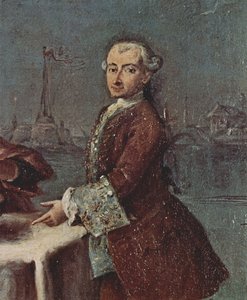
Pietro Longhi
1701 - 1785 , Italy
Quick Facts
- Artistic Movement Or Style: Venetian painting, Rococo
- Artists Or Movements Influenced By This Artist: ['William Hogarth']
- Artists Who Influenced This Artist:
- Antonio Balestra
- Giuseppe Maria Crespi
- Date Of Birth: November 5, 1701
- Date Of Death: May 8, 1785
- Full Name: Pietro Longhi
- Nationality: Italian
- Notable Artworks:
- The Tailor
- The Baptism
- Painter in his studio
- Duck Hunters on the Lagoon
- Place Of Birth: Venice, Italy

