 Send
Send Share
Share
 Details

 Download
 Similars
 Diaporama
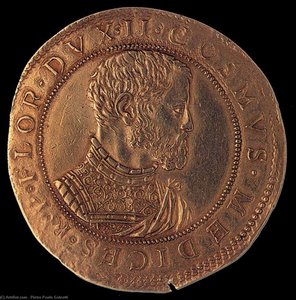
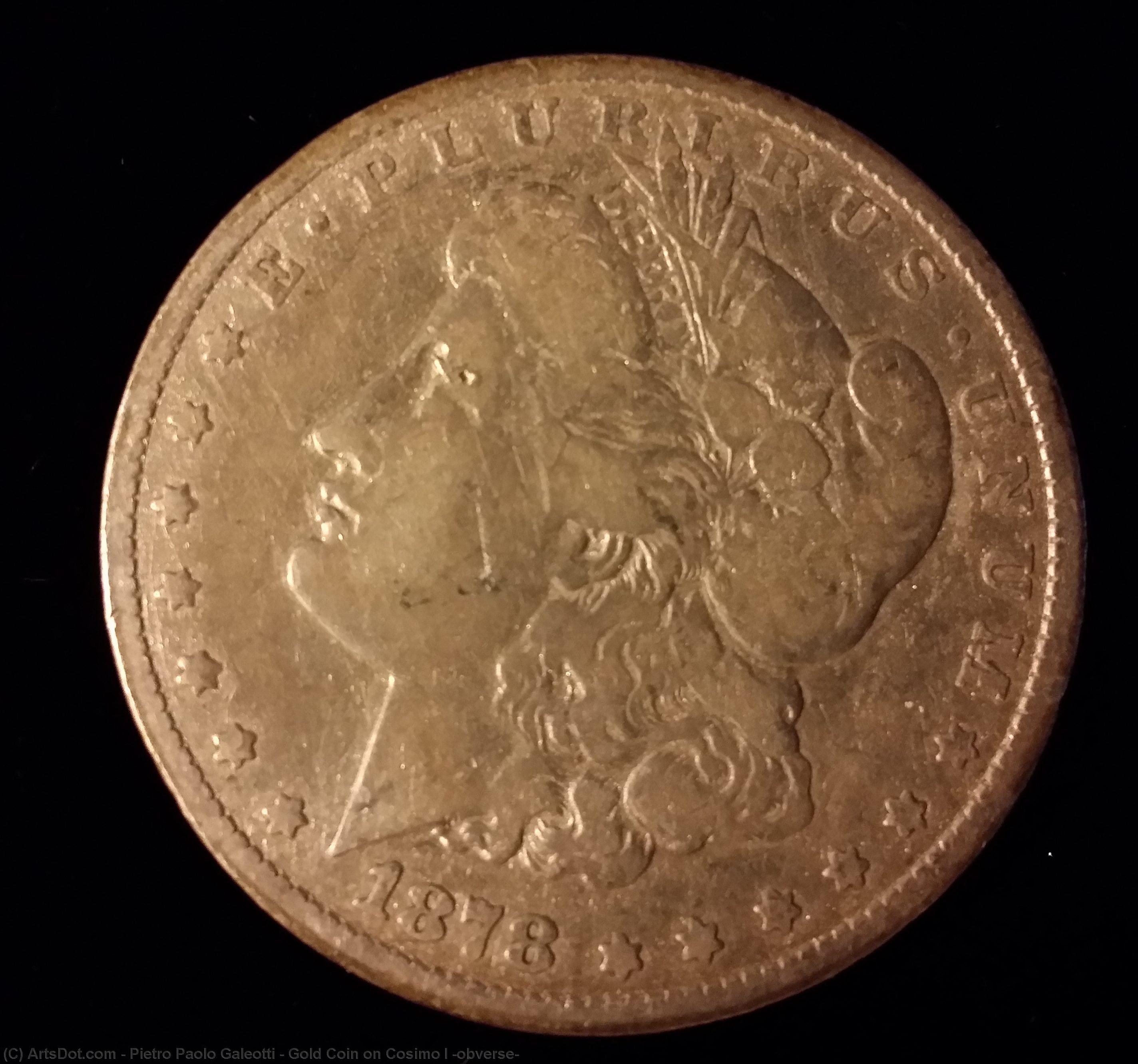
Gold Coin on Cosimo I (obverse)
 Metal
Metal- Sculpture
- Renaissance
 1550
1550- Renaissance
 4.0 x 4.0 cm
 Museo Nazionale del Bargello
 Read More
Hand Made Oil Reproduction
Hand-painted oil on canvas in your size and frame, made to order by our artists. ( Buy Print Buy Image)




































Pick from our preset sizes that match the artwork's original proportions.

You may enter your own dimensions to fit a specific frame or space. If your selected size does not match the original image's proportions, we will either crop the artwork or extend the painting with additional hand-painted elements. A digital mockup will be sent for your approval before production begins.
Please note that the on-screen preview does not reflect the actual cropping or extension. Only the mockup will accurately show the final composition.
While custom sizes are available, we recommend selecting a dimension from the predefined list to preserve the original proportions.
After order, ArtsDot.com team will email client for instructions and provide a mockup preview
Worldwide Delivery () in 3/4 weeks instead of standard 5 weeks. (27 August). No compromise on quality.

Free Worldwide Express Shipping

High-Quality Linen Canvas

Full Shipping Insurance

Customs Tax Refund Guarantee

True Color Matching Guarantee

60-Day Return Policy (Defects Only)

100% Money-Back Guarantee

Bulk Discount Offer
 Glass option is only available in size under 110 CM

Gold Coin on Cosimo I (obverse)
Reproduction Medium
Reproduction Size
-


Total Price
$ 263
Artwork Description
A Glimpse of Renaissance Majesty
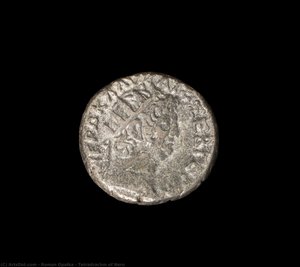
In the palm of one's hand, a tiny fragment of history breathes with the weight of an entire era. The Gold Coin on Cosimo I (obverse) is not merely a piece of currency; it is a miniature masterpiece of Renaissance portraiture and political propaganda. Dating back to approximately 1550, this exquisite object captures the essence of the Florentine Golden Age through the meticulous craftsmanship of Pietro Paolo Galeotti. The coin presents a striking obverse profile, featuring a man adorned with a crown that evokes the timeless authority of a Roman emperor. Every fine line etched into the gold serves to immortalize a moment of supreme power, where the boundaries between mortal ruler and divine icon begin to blur.
The artistry within this small 4 x 4 cm treasure lies in its profound ability to convey scale and significance through minute detail. The portrait, characterized by a dignified beard and a resolute gaze, is framed by a delicate circular border that focuses the viewer's eye on the subject's commanding presence. The inclusion of the word "Lord" serves as a linguistic anchor, reinforcing the sovereign status of the figure depicted. For the collector or the lover of antiquities, this piece offers a tactile connection to the 16th century, embodying the transition from the humanist ideals of the early Renaissance to the more structured, imperialistic ambitions of the Medici era.
Symbolism and the Legacy of Galeotti
To understand this coin is to understand the atmosphere of Florence under the patronage of Cosimo I de' Medici. The sculptor, Pietro Paolo Galeotti, was a master of capturing likenesses that commanded respect, trained in the prestigious tradition of Andrea del Verrocchio. His ability to translate the heavy textures of royal regalia into the hard, unforgiving medium of gold is nothing short of miraculous. The symbolism here is layered; the crown represents not just political dominion, but a continuity of classical Roman glory, suggesting that the rulers of Florence were the rightful heirs to the ancient world's greatness.
For interior designers and curators of fine art reproductions, this piece serves as an extraordinary focal point for collections centered on historical elegance. It evokes a sense of mystery and intellectual depth, making it an ideal inspiration for spaces that celebrate classical heritage and the enduring allure of the Renaissance. Whether viewed as a standalone marvel or part of a larger curation of period-accurate artifacts, the Gold Coin on Cosimo I continues to radiate a golden light, reminding us that true artistry can transcend the limits of size to touch the very soul of history.
Related Artworks
Artist Biography
The Sculptor of Tuscan Majesty
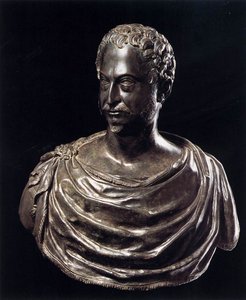
Pietro Paolo Galeotti (1520–1584) stands as a profound testament to the artistic fervor of Renaissance Italy, specifically within the vibrant cultural landscape of Florence under the transformative reign of Cosimo I Medici. Born in Monte Rotondo, his formative years coincided with the zenith of Florentine cultural dominance—a period characterized by grand patronage, humanist ideals, and an unparalleled dedication to artistic excellence. While biographical details regarding his early life remain somewhat sparse compared to titans like Michelangelo or Leonardo da Vinci, Galeotti’s enduring legacy rests firmly upon his remarkable sculptural output. He possessed a singular ability to capture the likenesses of the era's most influential figures, transforming cold stone and metal into breathing portraits of power.
His artistic journey was shaped by the rigorous traditions of the Florentine school, beginning under the esteemed tutelage of Andrea del Verrocchio. Verrocchio’s workshop served as a crucible for innovation and realism, providing Galeotti with a masterclass in anatomical precision and the delicate rendering of expressive drapery. This formative influence instilled in him a deep appreciation for classical ideals while simultaneously grounding his work within the evolving stylistic trends of the High Renaissance. Through this lineage, Galeotti inherited a commitment to capturing not just the physical shell of a subject, but their very essence, blending the structural strength of the Florentine tradition with a burgeoning interest in psychological depth.
Mastery of Portraiture and Patronage
The ascent of Galeotti’s fame was inextricably linked to his prestigious commissions from the most ambitious figures of the sixteenth century. His reputation as a sculptor of distinction was cemented through his work for Cosimo I Medici and Ottavio Farnese, patrons whose influence shaped the political and cultural map of Italy. These were not merely artistic endeavors but political statements; Galeotti’s sculptures served as embodiments of authority and permanence.
His mastery is perhaps most vividly seen in his treatment of the following works:
- The Bust of Cosimo I: A meticulously crafted depiction that conveys both regal dignity and a sense of profound intellectual contemplation, capturing the weight of leadership.
- The Portrait of Ottavio Farnese: A work showcasing remarkable detail in capturing the sitter’s facial expressions and musculature, demonstrating Galeotti's ability to render human vitality.
- Relief Sculptures and Medallic Art: Beyond large-scale busts, Galeotti demonstrated extraordinary skill in miniature formats, such as his 1550 bronze portrait of Cosimo I on gold coins. These pieces showcase a masterful use of relief sculpture, where every fine line contributes to the grandeur of the Renaissance spirit.
Through these varied mediums, Galeotti achieved a rare feat: he captured the fleeting moment of human expression and rendered it immortal. His ability to navigate the demands of high-stakes patronage while maintaining an uncompromising standard of technical excellence ensures his place in the pantheon of Italian masters who defined the visual language of the late Renaissance.
pietro paolo galeotti
1520 - 1584 , Italy
Quick Facts
- Artistic Movement Or Style: Renaissance Sculpture
- Date Of Birth: 1520
- Full Name: Pietro Paolo Galeotti
- Nationality: Italian
- Notable Artworks:
- Gold Coin on Cosimo I (reverse)
- Bust of Ottavio Farnese
- Place Of Birth: Monte Rotondo, Italy
Related Articles

Golden Glow: How to Use Metallic Gold Artworks to Elevate Your Home Decor with Timeless Luxury
Discover how to elevate your home with the timeless elegance of metallic gold artworks. From sculptural metal pieces to gilded oil paintings, learn expert interior design tips for integrating luxurious gold accents into your space with sophistication and grace.
The Allure of Gold in Art History: Symbolism, Technique & Cultural Significance
Explore the rich history of gold in art! Discover symbolism, techniques & cultural significance from ancient civilizations to Klimt's masterpieces. Expert insights for collectors at ArtsDot.

Golden Masterpieces: 10 Paintings That Define Art History | ArtsDot
Explore 10 breathtaking paintings where gold leaf shines! From Klimt to Byzantine icons, discover art history’s most gilded masterpieces. Find museum-quality reproductions & elevate your home decor with ArtsDot. Explore the full collection online.
25 Klimt Masterpieces: A Journey Through Iconic Art & Decor
Delve into the world of Gustav Klimt with our top 25 masterpieces! Explore his iconic paintings – 'The Kiss,' 'Portrait of Adele,' and more. Discover museum-quality reproductions & curated decor ideas. Explore the full collection online at ArtsDot.com.
Andrea del Sarto: Florentine Grace, Technical Mastery & Artistic Ambition
Explore the life & art of Andrea del Sarto, a Florentine Renaissance master renowned for harmonious compositions & technical brilliance. Discover his frescoes, portraits, and lasting influence on art history.