

 Preview
 Send
Send Share
Share
 Details

 Download
 Similars
 X-Ray
X-Ray Diaporama
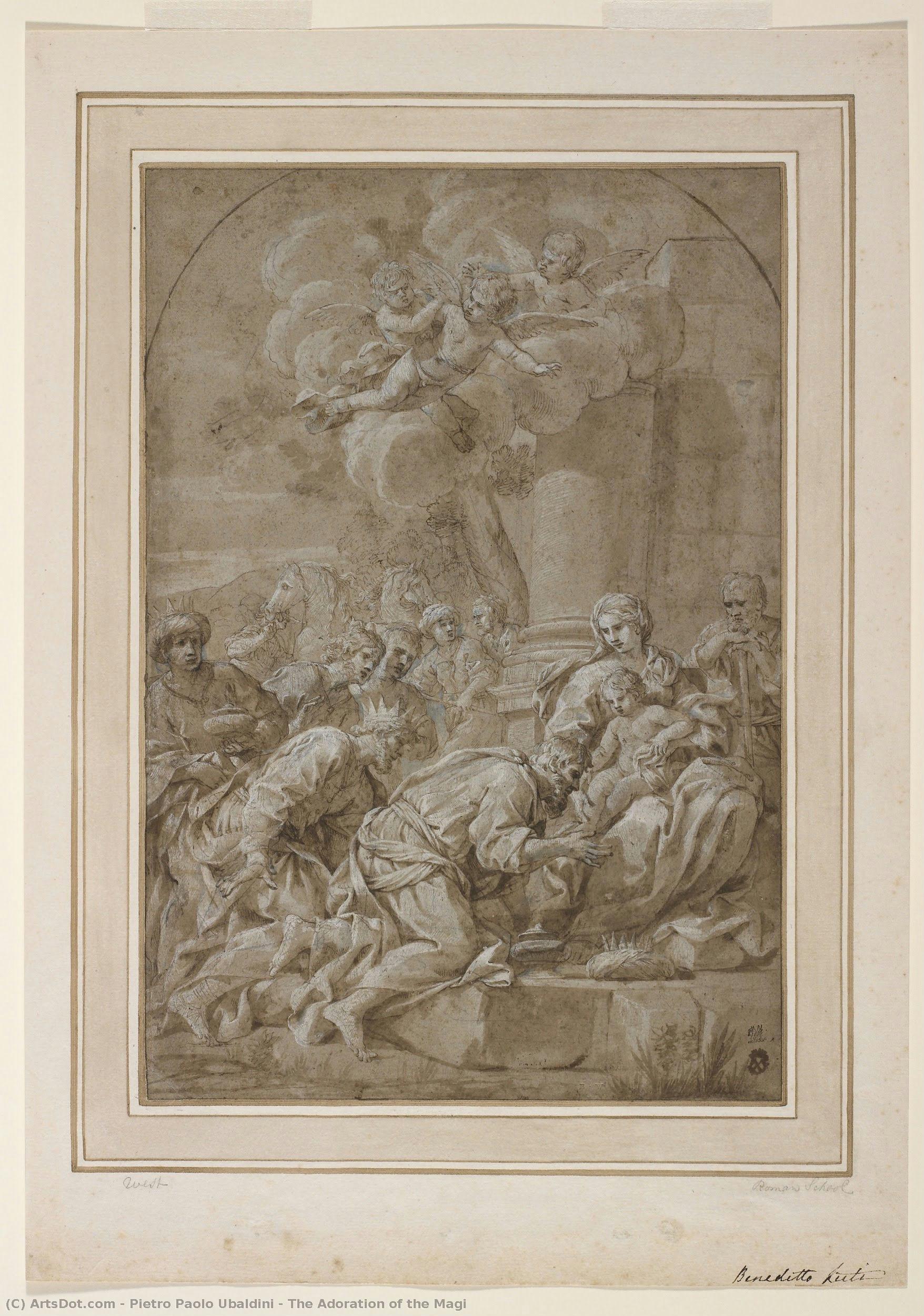
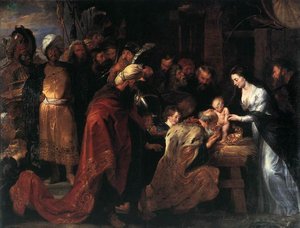
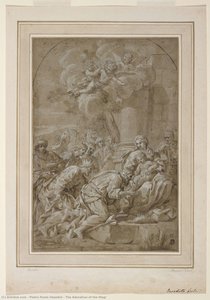
The Adoration of the Magi
 Drawing
- WallArt
- Baroque
 1640
1640- Early Modern
 39.0 x 27.0 cm
 National Museums Liverpool
 Read More
Hand Made Oil Reproduction
Hand-painted oil on canvas in your size and frame, made to order by our artists. ( Buy Print Buy Image)




P118B $10

P118H $10

P118W $10

P438Z $10

P508JH $12

P508YH $12

P805H $10

P805Z $10

P919BZ $10

P919G $10

P919XJ $10

P959ZH $10

P968JZ $12

W106C $8

W218G $10

W218JH $8

W218Y $10

W307PJ $10

W316G $10

W316PJ $8

W316Y $10

W398PJ $8

W4111J $10

W500HY $15

W500JH $15

W692G $12

W849H $8

W940BG $15

W953PJ $8




Pick from our preset sizes that match the artwork's original proportions.

You may enter your own dimensions to fit a specific frame or space. If your selected size does not match the original image's proportions, we will either crop the artwork or extend the painting with additional hand-painted elements. A digital mockup will be sent for your approval before production begins.
Please note that the on-screen preview does not reflect the actual cropping or extension. Only the mockup will accurately show the final composition.
While custom sizes are available, we recommend selecting a dimension from the predefined list to preserve the original proportions.
After order, ArtsDot.com team will email client for instructions and provide a mockup preview
Worldwide Delivery () in 3/4 weeks instead of standard 5 weeks. (2 September). No compromise on quality.

Free Worldwide Express Shipping

High-Quality Linen Canvas

Full Shipping Insurance

Customs Tax Refund Guarantee

True Color Matching Guarantee

60-Day Return Policy (Defects Only)

100% Money-Back Guarantee

Bulk Discount Offer
 Glass option is only available in size under 110 CM

The Adoration of the Magi
Reproduction Medium
Reproduction Size
-


Total Price
$ 263
A Celestial Encounter in Baroque Splendor
In the quiet, evocative depths of Pietro Paolo Ubaldini’s The Adoration of the Magi, we find ourselves transported to a moment of profound spiritual convergence. This exquisite work, dating from approximately 1640, serves as a masterful window into the heart of the Roman Baroque. The scene is not merely a depiction of a biblical event but a choreographed dance of light, shadow, and devotion. As the eye wanders through the composition, it encounters a multitude of figures—at least thirteen souls caught in various states of reverence—ranging from humble onlookers to the majestic presence of the Magi themselves. The atmosphere is thick with a sense of divine anticipation, anchored by the soft, billowing clouds that drift across the background, lending an ethereal, almost weightless quality to the dramatic heavens.
The technical prowess of Ubaldini, a dedicated follower of the legendary Pietro da Cortona, is on full display through his meticulous handling of form and depth. The artist employs a sophisticated arrangement of figures that guides the viewer’s gaze in a rhythmic motion across the canvas. Notice how the presence of horses in the periphery adds a grounded, earthly reality to the scene, contrasting beautifully with the celestial light filtering through the clouds. Every brushstroke contributes to an intricate tapestry of detail, where the textures of fabric, the warmth of skin tones, and the subtle interplay of light create a three-dimensional illusion that was the hallmark of the il Cortona style. For the discerning collector, this piece offers a masterclass in how movement and stillness can coexist within a single frame.
Beyond its visual splendor, the painting resonates with deep symbolic resonance, making it an ideal centerpiece for those looking to infuse a space with historical gravity and emotional warmth. The Adoration theme traditionally represents the recognition of divinity by the worldly powers, a concept Ubaldini captures through the kneeling postures and upward gazes of his subjects. This sense of awe is palpable, inviting anyone who views the work to participate in the silent prayer of the figures. Whether placed in a grand gallery or a sophisticated private study, a high-quality reproduction of this masterpiece brings with it an aura of timelessness and intellectual depth.
For interior designers and art enthusiasts alike, The Adoration of the Magi offers unparalleled versatility. Its rich, warm palette and dramatic chiaroscuro can serve as a focal point in classical settings, adding a layer of narrative complexity to a room's decor. The painting does not merely decorate a wall; it commands the atmosphere, sparking conversation and evoking a sense of wonder. To possess such a work is to hold a fragment of Rome’s golden Baroque era, a piece that continues to breathe life into the modern home through its enduring themes of light, faith, and human connection.
Related Artworks



Artist Biography
The Shadowy Master of Roman Baroque
Pietro Paolo Baldini, occasionally known by the name Pietro Paolo Ubaldini, remains one of the more enigmatic figures to have graced the vibrant, theatrical landscape of 17 century Rome. Though his biographical details are shrouded in the mists of time—with both his precise birthplace and deathplace remaining unknown—his presence in the Roman art scene was undeniably profound. Active during the mid-1600s, Baldini emerged not merely as a painter, but as a devoted stylistic heir to the legendary Pietro da Cortona. This deep connection earned him the affectionate moniker il Cortona, a title that signaled his commitment to the grand, illusionistic traditions of the Roman Baroque. While critics of later centuries, such as Lanzi, offered only sparse assessments based on his visible works in Roman churches, Baldini’s ability to translate monumental visions into breathtaking reality ensured his place within the lineage of Italy's great decorative masters.
A Legacy Written in Fresco and Light
The true essence of Baldini’s artistry is best experienced through his monumental contributions to sacred spaces, where he demonstrated a masterful command over the interplay of light and shadow. His most enduring achievement lies within the Lante Chapel of the Church of San Nicola da Tolentino in Rome. Completed around 1643, these frescoes serve as a testament to his technical prowess and his dedication to the Cortonesca tradition. In this sacred setting, Baldini utilized chiaroscuro to create an immersive, spiritual atmosphere, guiding the viewer’s gaze through a carefully choreographed movement of figures and divine light. His work in this chapel exemplifies the Baroque desire to dissolve the boundaries between the earthly and the celestial, using architectural grandeur and fluid composition to evoke a sense of profound religious fervor.
Beyond the walls of Roman chapels, Baldini’s talent for narrative depth is captured in exquisite oil works such as The Adoration of the Magi. In this piece, dating from approximately 1640, we witness a celestial encounter rendered with breathtaking precision. The painting is far more than a mere biblical depiction; it is a rhythmic dance of devotion involving at least thirteen figures caught in various states of reverence. Through his meticulous handling of form, Baldini creates a three-dimensional illusion where the textures of heavy fabrics and the warmth of human skin tones feel tangibly present. The soft, billowing clouds and the dramatic filtering of light through the heavens lend an ethereal quality to the scene, proving that even as a follower of a great master, Baldini possessed a unique ability to anchor divine mystery within a grounded, earthly reality.
Artistic Lineage and Stylistic Evolution
While much of Baldini’s identity is tied to the influence of Pietro da Cortona, his work suggests a complexity that transcends simple imitation. His training in the workshops of Rome instilled in him an unwavering commitment to classical ideals, anatomical accuracy, and the expressive potential of color. However, scholars have noted a fascinating tension in his style; while he embraced the grandiosity of the Roman school, there were whispers of a different influence—a precision that hinted at the distinct artistic traditions of the Emilia region. This blend of influences allowed him to maintain the sweeping, theatrical energy required for Baroque fresco painting while introducing a level of detail and clarity that was uniquely his own.
Ultimately, the historical significance of Pietro Paolo Baldini lies in his role as a vital bridge in the continuation of the Roman Baroque style. He was a painter who understood how to use the canvas and the chapel wall to tell stories of immense emotional weight. His life and work remind us that even the most "shadowy" figures in art history can leave behind a luminous legacy, one etched in the very stone and plaster of Rome’s most sacred monuments.
pietro paolo ubaldini
1614 - 1684 , Italy
Quick Facts
- Artistic Movement Or Style: Baroque
- Artists Or Movements Influenced By This Artist: Emilia
- Artists Who Influenced This Artist: Pietro da Cortona
- Date Of Death: 1684
- Full Name: Pietro Paolo Ubaldini
- Nationality: Italian
- Notable Artworks: ['The Adoration of the Magi']
- Place Of Birth: Italy
Related Articles

The Dramatic Flourish: Exploring the Baroque Movement's Enduring Legacy in Art History
Explore the dramatic world of Baroque art! Discover iconic artists like Caravaggio & Rubens, defining techniques, and its lasting impact on art history. Expert insights for collectors & enthusiasts at ArtsDot.

The Visceral Stage: Exploring Dramatic Narratives & Emotional Intensity in Baroque Art
Explore the dramatic world of Baroque art! Discover iconic masters like Caravaggio & Rembrandt, their techniques, and the movement's lasting impact. Expert insights for collectors & enthusiasts at ArtsDot.
The Golden Age Reforged: Dramatic Realism & Religious Zeal in Spanish Baroque Art
Explore the dramatic world of Spanish Baroque art! Discover masters like Zurbarán & the powerful influence of religious zeal on painting techniques – a guide for collectors and enthusiasts.
The Dramatic Flourish: Exploring Baroque Painting's Emotional Intensity & Artistic Innovations
Explore the dramatic world of Baroque painting! Discover its history, defining characteristics, iconic artists like Caravaggio & Rubens, and lasting influence on Western art. Expert insights for collectors.
The Dramatic Flourish: Exploring the Baroque Movement's Enduring Legacy in Art & Culture
Explore the dramatic world of Baroque art! Discover its history, defining characteristics, iconic artists like Caravaggio & Rubens, and lasting influence on Western culture. A comprehensive guide for art lovers.

