 Preview
 Send
Send Share
Share
 Details

 Download
 Similars
 X-Ray
X-Ray Diaporama
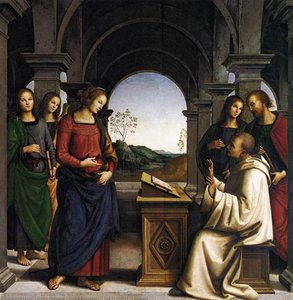
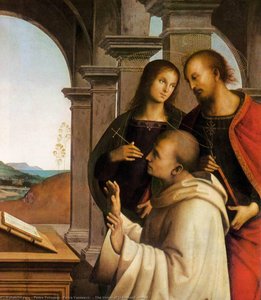
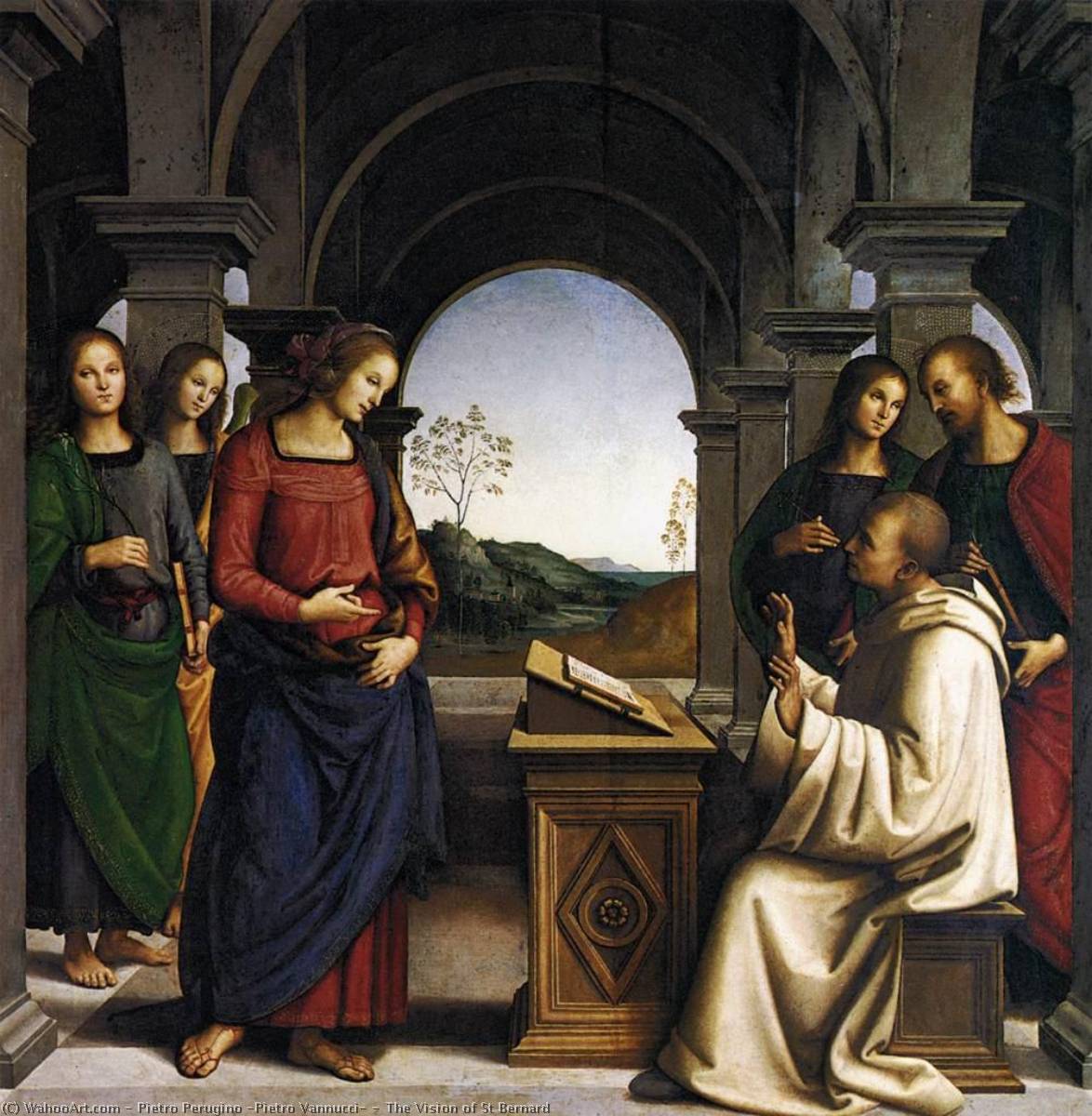
The Vision of St Bernard
 Oil On Canvas
- WallArt
- Renaissance
 1493
1493- Renaissance
 173.0 x 170.0 cm
 Alte Pinakothek
 Read More
Hand Made Oil Reproduction
Hand-painted oil on canvas in your size and frame, made to order by our artists. ( Buy Print Buy Image)




P118B $10

P118H $10

P118W $10

P438Z $10

P508JH $12

P508YH $12

P805H $10

P805Z $10

P919BZ $10

P919G $10

P919XJ $10

P959ZH $10

P968JZ $12

W106C $8

W218G $10

W218JH $8

W218Y $10

W307PJ $10

W316G $10

W316PJ $8

W316Y $10

W398PJ $8

W4111J $10

W500HY $15

W500JH $15

W692G $12

W849H $8

W940BG $15

W953PJ $8




Pick from our preset sizes that match the artwork's original proportions.

You may enter your own dimensions to fit a specific frame or space. If your selected size does not match the original image's proportions, we will either crop the artwork or extend the painting with additional hand-painted elements. A digital mockup will be sent for your approval before production begins.
Please note that the on-screen preview does not reflect the actual cropping or extension. Only the mockup will accurately show the final composition.
While custom sizes are available, we recommend selecting a dimension from the predefined list to preserve the original proportions.
After order, ArtsDot.com team will email client for instructions and provide a mockup preview
Worldwide Delivery () in 3/4 weeks instead of standard 5 weeks. (16 August). No compromise on quality.

Free Worldwide Express Shipping

High-Quality Linen Canvas

Full Shipping Insurance

Customs Tax Refund Guarantee

True Color Matching Guarantee

60-Day Return Policy (Defects Only)

100% Money-Back Guarantee

Bulk Discount Offer
 Glass option is only available in size under 110 CM

The Vision of St Bernard
Reproduction Medium
Reproduction Size
-


Total Price
$ 263
Artwork Description
A Glimpse into Sacred Serenity: The Vision of St Bernard
To stand before The Vision of St Bernard is to step across the threshold of time and into an atmosphere of profound, luminous contemplation. This masterpiece by Pietro Perugino captures not merely a scene, but a moment suspended between earthly discourse and divine revelation. The composition immediately draws the eye to the central figures gathered around the open book—a tangible nexus point for shared knowledge and spiritual inquiry. One senses the hushed reverence that permeates the air; it is a gathering of minds illuminated by scripture or profound wisdom. Perugino, ever the master of gentle grandeur, has orchestrated this assembly with an almost breathtaking clarity, allowing each individual to contribute to a tapestry woven from devotion and intellect.
The Umbrian Touch: Style and Technique
Pietro Perugino’s signature style is unmistakable, earning him the moniker of the "Quiet Maestro." Unlike the dramatic flourishes favored by some of his contemporaries, Perugino gifts us with an aesthetic characterized by serene compositions and a luminous palette. His technique achieves a remarkable balance: the figures possess a sculptural solidity, lending them weight and presence, yet their drapery flows with an ethereal grace. Observe how the light seems to emanate not just from an external source, but from within the very spirit of the scene itself. The colors are rendered with unparalleled clarity—soft blues meeting warm ochres—creating an optical harmony that speaks volumes about the Renaissance pursuit of idealized beauty and divine order.
Historical Echoes: Context in the Quattrocento
Painted around 1493, this work anchors us firmly within the vibrant intellectual currents of the Umbrian Renaissance. This period was a time when art served as both a devotional guide and an intellectual pursuit. Perugino’s ability to imbue religious subjects with such palpable humanism is key here. The gathering feels academic yet deeply spiritual; it suggests that true enlightenment comes not from isolation, but through shared study and communal devotion. For the modern collector or designer, this piece offers a window into an era where piety and humanist thought walked hand-in-hand, creating art that was both intellectually stimulating and emotionally soothing.
Symbolism of Study and Illumination
The open book at the heart of the narrative is more than just an object; it is the primary symbol. It represents revealed truth, the continuity of sacred knowledge, and the power of shared learning to elevate the soul. The various gazes directed toward this source—some rapt, some contemplative—guide our understanding of the piece’s emotional core: the journey from ignorance to understanding. When considering a reproduction for your space, know that you are acquiring more than just decoration; you are inviting a focal point of quiet contemplation into your home or gallery, a visual meditation on wisdom.
An Enduring Emotional Resonance
What lingers most powerfully after viewing The Vision of St Bernard is its profound sense of peace. It is an antidote to the clamor of modern life. The painting whispers of enduring truths—the value of study, the comfort of community, and the steady light of faith. Owning a reproduction allows one to curate an environment steeped in this gentle majesty. It serves as a timeless anchor, reminding all who pass before it that profound beauty often resides in clarity, serenity, and the quiet turning of a sacred page.
Related Artworks


Artist Biography
The Serene Visionary of the Umbrian Renaissance
In the heart of the Italian Renaissance, amidst a period often defined by dramatic tension and complex human emotion, there emerged a voice of profound stillness and luminous clarity. Pietro Vannucci, known to history as Perugino, was not merely a painter but a master of atmosphere, a creator of heavens on earth whose brushwork breathed a sense of divine peace into the souls of his era. Born in the tranquil town of Città della㜿Pieve around 1446, Perugino’s early life was steeped in the traditions of the Umbrian school, an environment that favored grace and spiritual depth over the turbulent energy found in other artistic centers. His journey from a young apprentice to one of Europe's most sought-after masters is a testament to a talent that could harmonize the rigorous geometry of his predecessors with a new, tender humanism.
The foundations of Perugino’s style were laid through a meticulous apprenticeship and an insatiable curiosity for the evolving techniques of his time. His early training likely began under the guidance of Benedetto Bonfigli, but it was his exposure to the masters of perspective and light that truly sculpted his artistic identity. He absorbed the structural precision of Pietro della Francesca and the meticulous detail of Luca Signorelli, yet he possessed a unique ability to soften these rigid forms. In Florence, he even found himself working alongside a young Leonardo da Vinci in the workshop of Andrea del Verrocchio, an experience that undoubtedly enriched his understanding of light and shadow. This period was transformative, as Perugino became one of the early practitioners of oil painting, a medium that allowed him to achieve the translucent glazes and soft transitions that would become his hallmark.
A Legacy of Grace and the Shadow of Greatness
Perugino’s mature work is characterized by an unparalleled sense of equilibrium. His compositions often feature vast, airy landscapes that seem to stretch into eternity, populated by figures that possess a quiet, angelic dignity. Whether depicting the Madonna or a gathering of saints, his subjects inhabit a space of profound serenity, where every gesture is measured and every gaze is filled with contemplative piety. This "Umbrian style"—marked by clear outlines, luminous colors, and a balanced distribution of weight—became the standard for an entire generation of artists. His ability to create sacred spaces on flat surfaces made him the preferred choice for major ecclesiastical commissions throughout Umbria, Lazio, and Rome.
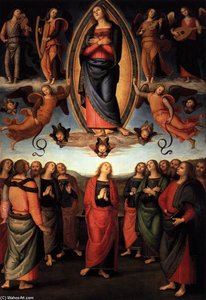
However, the history of Perugino is also one of complex relationships with the giants of his age. He was the teacher and mentor to the legendary Raphael, providing the young prodigy with the foundational vocabulary of classical composition and grace. While Raphael would eventually push these boundaries into the heights of the High Renaissance, the DNA of Perugino’s tranquil vision remained visible in his pupil's most celebrated works. Yet, this legacy was not without its frictions. The artist famously clashed with Michelangelo, a rivalry that reached such heights of animosity that Perugino even pursued legal action for defamation. Perhaps most poignantly, the physical traces of Perugino’s greatest triumphs were subject to the whims of history; his magnificent frescoes in the Sistine Chapel, including the Assumption of the Virgin, were eventually obscured by Michelangelo’s monumental Last Judgment, leaving only fragments and memories of his vanished masterpieces.
Despite the encroaching shadows of more dramatic styles, Perugino’s significance remains unshakable. He was a bridge between the early Renaissance's focus on form and the High Renaissance's mastery of emotion. His life, which ended in 1523, left behind a world transformed by his ability to find the divine in the simple, the quiet, and the clear. To look upon a Perugino painting is to step into a moment of eternal calm, a sanctuary of color and light that continues to offer solace to all who seek beauty in its purest, most unadorned form.
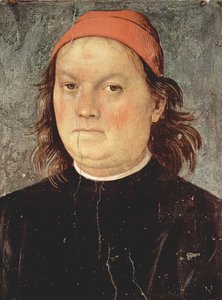
pietro perugino (pietro vannucci)
1446 - 1523
Quick Facts
- Artistic Movement Or Style: Umbrian School
- Artists Or Movements Influenced By This Artist: ['Raphael']
- Artists Who Influenced This Artist:
- Lorenzo Ghiberti
- Andrea Mantegna
- Date Of Birth: c. 1446/1452
- Date Of Death: 1523
- Full Name: Pietro Vannucci
- Nationality: Italian
- Notable Artworks:
- Saint Sebastian
- The Vision of St Bernard
- Assumption of the Virgin with Four Saints
- Place Of Birth: Città della Pieve, Umbria
Related Articles

Giclée Prints: Archival Quality & Aesthetic Nuances for the Discerning Collector
Explore the world of giclée prints with ArtsDot. Learn about archival quality, aesthetic nuances & investment potential. Expert guidance for discerning art collectors seeking museum-quality reproductions and lasting value.

Echoes of Time: Exploring the Enduring Appeal & Historical Context of Vintage Art Prints
Explore the captivating world of vintage art prints! Discover their history, collecting tips & enduring appeal. Expert insights on chromolithography and building a legacy collection with ArtsDot.
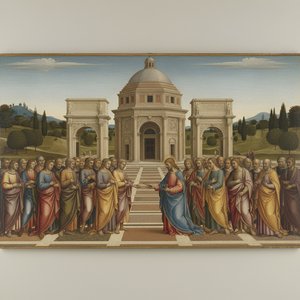
Pietro Perugino: Umbrian Master of Serenity & Precursor to Raphael's High Renaissance
Explore the life & art of Pietro Perugino, a pivotal Renaissance master and Raphael’s influential teacher. Discover his serene compositions, Sistine Chapel frescoes, and lasting legacy with ArtsDot.

The Enduring Legacy of Fine Art Prints: Technique, History & Aesthetic Impact
Explore the rich history & techniques of fine art prints. Discover investment potential, assess authenticity, and learn how to preserve your collection with expert guidance. Trusted insights for discerning collectors.
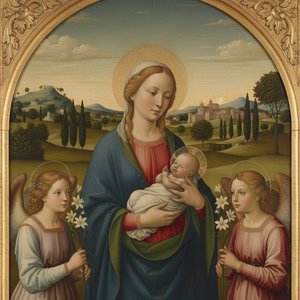
Pietro Perugino: A Renaissance Master's Legacy of Grace & Spiritual Depth
Explore the serene beauty & spiritual depth of Pietro Perugino's Renaissance masterpieces. Discover his influence on Raphael, key works like 'Baptism of Christ,' and legacy as a leading Umbrian painter.