 Preview
 Send
Send Share
Share
 Details

 Download
 Similars
 X-Ray
X-Ray Diaporama
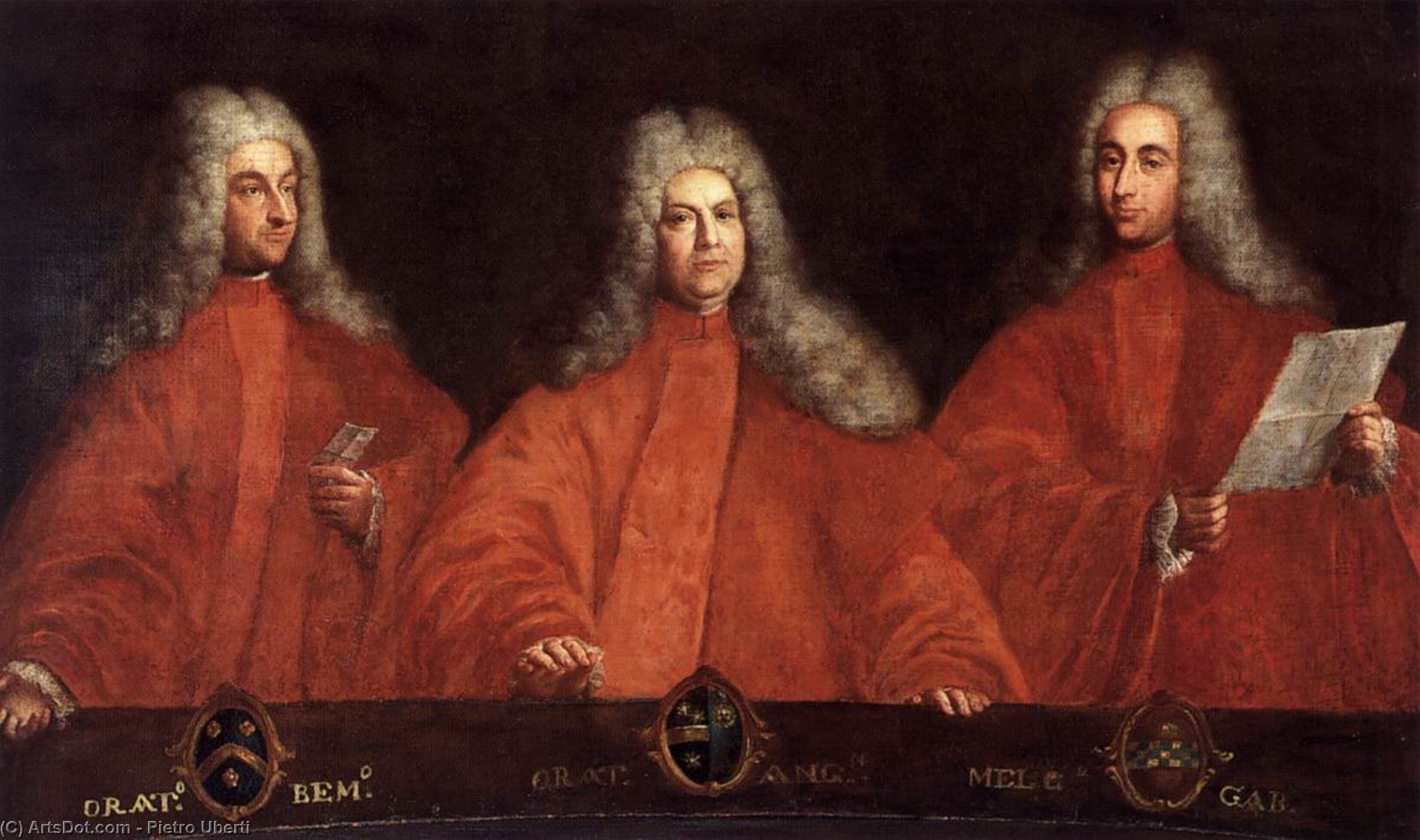
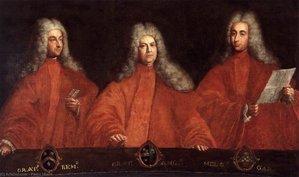
Portraits of Three Avogadri


 Read More
Giclée / Art Print
Museum-quality giclée or canvas print with fast production and flexible finish options. ( Buy Hand Made Painting Buy Image)




































Pick from our preset sizes that match the artwork's original proportions.

You may enter your own dimensions to fit a specific frame or space. If your selected size does not match the original image's proportions, we will either crop the artwork or extend the image with a mirrored or solid-fill edge. A digital mockup will be sent for your approval before production begins.
Please note that the on-screen preview does not reflect the actual cropping or extension. Only the mockup will accurately show the final composition.
While custom sizes are available, we recommend selecting a dimension from the predefined list to preserve the original proportions.
Worldwide Delivery () in 2 weeks instead of standard 4/5 weeks. (24 August)

Free Worldwide Express Shipping

High-Quality Linen Canvas

Full Shipping Insurance

Customs Tax Refund Guarantee

True Color Matching Guarantee

60-Day Return Policy (Defects Only)

100% Money-Back Guarantee

Bulk Discount Offer
 Glass option is only available in size under 110 CM

Portraits of Three Avogadri
Giclée / Art Print
Reproduction Size
-


Total Price
$ 63
Related Artworks


Artist Biography
The Venetian Chronicler: The Life and Legacy of Pietro Uberti
In the twilight of the Baroque era and the dawn of the Rococo, a period defined by dramatic shifts in European aesthetic sensibilities, the streets of Venice were alive with a unique tension between grandeur and intimacy. It was within this vibrant, maritime atmosphere that Pietro Uberti (1671–1762) emerged as a significant voice in Venetian art history. His life, spanning nearly a full century, allowed him to witness the profound transition from the monumental, heavy-handed drama of the late Baroque to the more delicate, ornamental, and playful spirit of the Rococo movement. While biographical records from this era can often be elusive, Uberti’s presence in the Venetian artistic landscape is felt through his ability to capture the essence of a changing society, bridging the gap between formal tradition and emerging modern sensibilities.
Born into a modest yet culturally enriched family in the southern districts of Venice, Uberti was raised amidst the complex socio-economic realities of a region navigating political fragmentation under Habsburg influence. This environment, characterized by both economic struggle and a rich tapestry of ecclesiastical and aristocratic patronage, provided the essential fertile ground for his development. His early training likely began within the traditional workshops of local craftsmen or church painters, where the foundational principles of Venetian color and light were instilled. The stylistic DNA of his work bears the unmistakable marks of the masters who preceded him; one can detect the lingering shadows and dramatic compositions reminiscent of Caravaggio, as well as an appreciation for the architectural scale and sculptural grandeur championed by Bernini.
Mastery of Form and the Art of Portraiture
As his career matured, Uberti carved out a niche that focused heavily on the dignity of the individual. Unlike many of his contemporaries who sought to immortalize grand historical narratives or mythological allegories, Uberti turned his gaze toward the human face and the formal presence of his subjects. His work is often celebrated for its technical virtuosity, particularly in his ability to render textures—the heavy weight of velvet, the subtle sheen of silk, and the intricate details of lace—which served to ground his portraits in a tangible, palpable reality. This dedication to detail allowed him to create works that were not merely likenesses, but psychological studies that captured the social standing and quiet character of the Venetian elite.
A notable example of his prowess can be seen in his Portraits of Three Avogadri, an oil painting that exemplifies his command over Baroque formal structures. In such works, Uberti utilizes a rich, layered palette to create depth and a sense of permanence. His ability to balance the expressive dynamism of his influences with a refined, controlled technique allowed him to navigate the shifting tastes of the 18th century. While the world around Venice was moving toward the lighter, more asymmetrical aesthetics of the Rococo, Uberti maintained a certain classical gravity, ensuring that his subjects possessed an enduring, monumental quality that resisted the fleeting whims of fashion.
Historical Significance and Artistic Heritage
The historical importance of Pietro Uberti lies in his role as a bridge between eras. He stood at the crossroads of two much larger movements, acting as a custodian of the Baroque tradition while providing the technical groundwork upon which the more whimsical Rococo style could flourish. His oeuvre serves as an invaluable visual record of the socio-cultural currents that shaped Italian visual culture during this formative epoch. Through his portraits, we gain insight into the hierarchies, the fashions, and the very faces of a Venice that was navigating its way through a period of significant transformation.
Though he may not share the same immediate name recognition as the titans of Rome or the later masters of genre painting, Uberti’s contribution to the Venetian school is undeniable. His legacy is found in:
- The preservation of Baroque technical mastery within a changing stylistic landscape.
- The meticulous documentation of Venetian social identity through formal portraiture.
- The seamless integration of diverse influences, from Caravaggesque light to Berninian structure.
Ultimately, Pietro Uberti remains a pivotal figure for art historians seeking to understand the nuanced evolution of 18th-century Italian art, offering a window into a world where faith, form, and the enduring human spirit were captured with unparalleled grace.
pietro uberti
1671 - 1762 , Italy
Quick Facts
- Artistic Movement Or Style: Baroque
- Artists Or Movements Influenced By This Artist: ['Michelangelo']
- Artists Who Influenced This Artist: ['Nicolo Grassi']
- Date Of Birth: 1671
- Date Of Death: 1762
- Full Name: Pietro Uberti
- Nationality: Italian
- Notable Artworks: ['Portraits of Three Avogadri']
- Place Of Birth: Venice, Italy
Related Articles

Baroque Drama: Bringing Opulence & Emotion into Contemporary Interiors
Explore the opulent world of Baroque interior design! Discover key elements, modern applications & how to bring dramatic elegance into your home with 's authentic reproductions.

Crimson Threads of Narrative: Exploring Symbolism & Representation in Artworks Featuring the Red Dress
Explore the rich symbolism of the red dress in art history! From ancient power displays to iconic portraits like Cézanne’s 'Madame Cezanne', discover the cultural and artistic significance behind this captivating color. Expert analysis & insights.

Baroque Masterpieces: 10 Paintings That Defined an Era |
Journey through the drama & grandeur of Baroque art! Explore 10 masterpieces by Caravaggio, Rembrandt, Rubens & more. Discover stunning oil paintings, rich colors & timeless stories. Find museum-quality reproductions at .

The Enduring Power of Painting: A Historical & Contemporary Exploration of Form and Emotion
Explore the rich history & enduring techniques of oil painting with ArtsDot. Discover masterpieces, learn about art collecting, and find authentic handmade reproductions crafted by skilled artists.

The Visceral Stage: Exploring Dramatic Narratives & Emotional Intensity in Baroque Art
Explore the dramatic world of Baroque art! Discover iconic masters like Caravaggio & Rembrandt, their techniques, and the movement's lasting impact. Expert insights for collectors & enthusiasts at ArtsDot.