

 Preview
 Send
Send Share
Share
 Details

 Download
 Similars
 X-Ray
X-Ray Diaporama
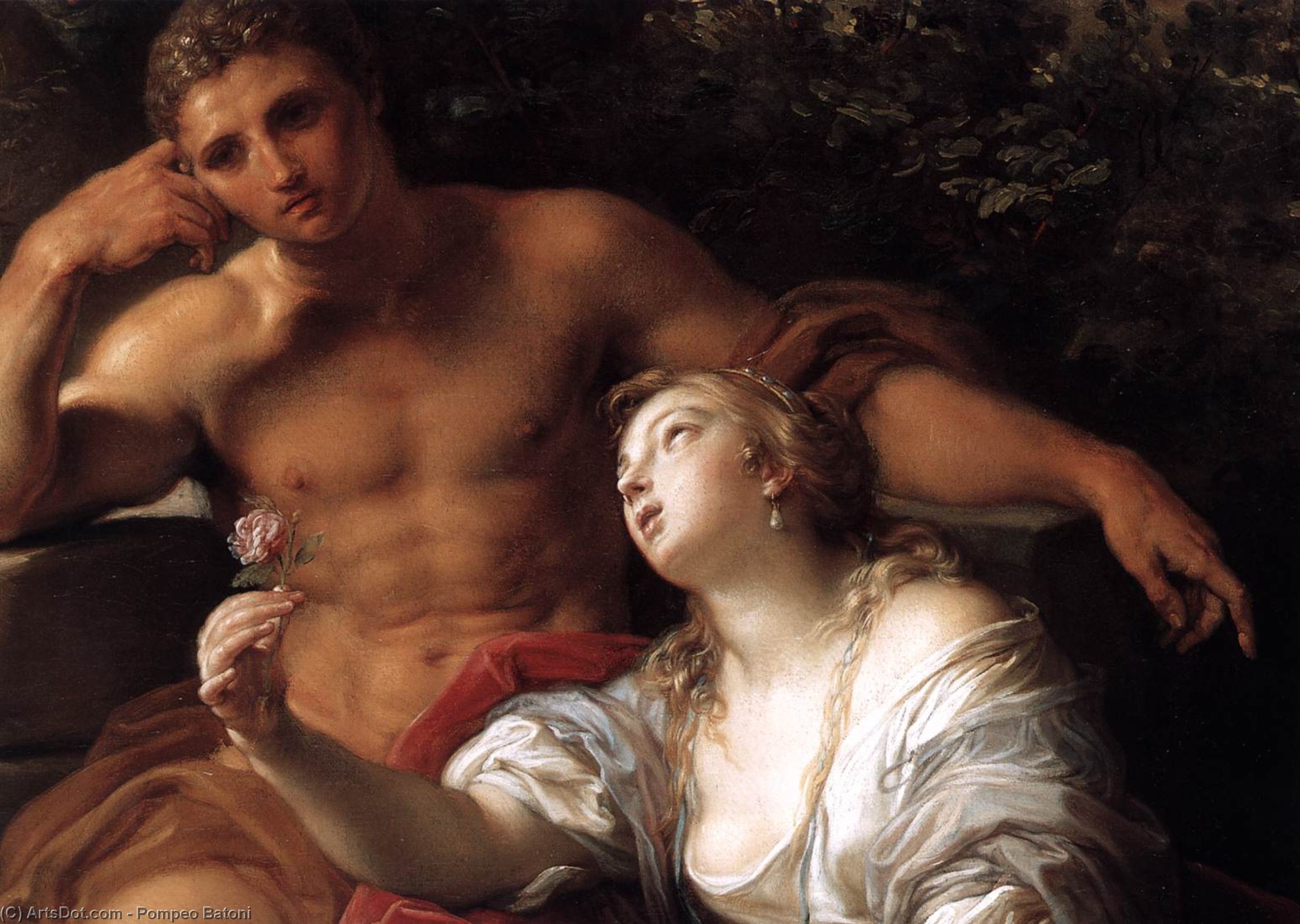
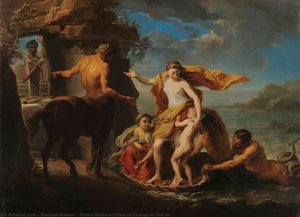
Hercules at the Crossroads (detail)


 Read More
Purchase a high-resolution, enhanced digital image, far superior to the online preview.
Each file is meticulously prepared by our in-house specialists using advanced tools and expert manual retouching. We ensure every image has exceptional clarity, precise color accuracy, and fine detail.
The final file is delivered via email within 72 hours, optimized for immediate use in professional, editorial, and print environments. This is the same quality trusted by top-tier design studios, publishers, and galleries.
Digital Image
Download a high-resolution file for personal display, printing, and creative projects. ( Buy Print Buy Hand Made Painting)
Included in Every Digital Image Order
Expert Digital Delivery, Guaranteed
When you choose ArtsDot.com, you're not just getting an image - you're receiving a professionally enhanced digital artwork, crafted with precision and backed by a satisfaction guarantee. Here's everything that comes with your order, automatically:

Fast Email Delivery
Your high-resolution digital image file will be emailed to you within 72 hours of ordering - ready for immediate use.

AI-Enhanced Digital File
Your artwork is professionally optimized using advanced AI tools and manual editing, ensuring maximum detail, clarity, and color accuracy.

Free Lifetime Re-Delivery
Accidentally deleted or lost your file? No worries - we'll resend it to you anytime, free of charge.

No Import Fees - Ever
Enjoy your artwork instantly with zero customs, duties, or delivery fees - digital downloads are always tax-free.

Color Accuracy Guarantee
We ensure your digital image reflects the original colors as closely as possible using professional tools and color management.

60-Day Satisfaction Guarantee
If you're not satisfied with your digital image, we'll revise it or refund 100% within 60 days - no questions asked.

100% Money-Back Guarantee
Not satisfied? Get a full refund within 60 days of receiving your digital file - no questions asked.

Bulk Order Discounts
Buy 3 images, save 10% - Buy 5, save 15% - Buy 10+, save 20%. Great for creative projects, galleries, and agencies.
Collectible Description
The Weight of Choice: Contemplation in Batoni's Masterpiece
To stand before a depiction such as Pompeo Batoni’s Hercules at the Crossroads is to be invited into a profound moment of human reckoning. This painting, dating from 1748, transcends mere portraiture or mythological illustration; it captures the very essence of decision-making—that fraught, beautiful space where potential futures diverge. The central figure, Hercules, is rendered not in the throes of battle, but in deep, almost agonizing contemplation. His posture, with his chin resting upon his hand, speaks volumes of an intellect wrestling with weighty moral considerations. Batoni masterfully draws the viewer into this private moment, allowing us to feel the weight of the crossroads itself.
A Dialogue Between Virtue and Self
The narrative tension is beautifully crystallized in the interaction between Hercules and the woman standing to his right. She embodies a classical ideal, often interpreted as Virtue itself, offering him a delicate pink flower. This gesture is more than a simple presentation; it is an eloquent suggestion of the path of righteousness, a gentle counterpoint to the internal struggle etched upon Hercules’s face. The contrast between the man's brooding introspection and the woman's serene, guiding presence creates a palpable dialogue across the canvas. It speaks to the enduring human quest for moral clarity amidst life's inevitable ambiguities.
Mastery of Light and Shadow: Technical Brilliance
Technically speaking, Batoni showcases his profound understanding of academic classicism while employing dramatic lighting that elevates the scene from a simple depiction to an immersive experience. The use of chiaroscuro is breathtaking; deep, enveloping shadows contrast sharply with illuminated skin tones and the delicate folds of drapery. This interplay of light and dark does not merely illuminate the figures; it sculpts their emotions, giving volume and palpable depth to the composition. One can almost feel the texture of the rich fabrics and the coolness of the surrounding air.
Echoes of Neoclassicism for the Modern Collector
Batoni’s style places him at a fascinating nexus—a precursor to Neoclassicism, yet steeped in the refinement of Rococo elegance. His ability to draw from classical antiquity while maintaining a palpable sense of realism makes this work eternally relevant. For those who appreciate art that speaks with intellectual depth and aesthetic grace, reproductions of Hercules at the Crossroads offer an unparalleled opportunity. Owning such a piece is not merely decorating a wall; it is curating a meditation space, bringing the timeless dialogue between duty and desire into your modern home.
Related Artworks

Artist Biography
Early Life and Training
- Born: Lucca, Italy (1708)
- Died: 1787
- Pompeo Batoni moved to Rome in 1727.
- He apprenticed with Agostino Masucci, Sebastiano Conca, and/or Francesco Imperiali.
- His first independent commission came as a result of rains that struck Rome in April 1732.
- The painting "The Ecstasy of Saint Catherine of Siena" illustrates his academic refinement of the late-Baroque style.
Artistic Style and Influences
- Batoni's style drew inspiration from classical antiquity, French Rococo, Bolognese Classicism, and artists such as Nicolas Poussin, Claude Lorrain, and especially Raphael.
- He is considered a precursor of Neoclassicism.
- His work can be found in various museums, including the Pinacoteca di Brera in Milan, Italy.
Notable Works and Commissions
- Virgin and Child with Saints
- A Knight in Rome: Charles Cecil Roberts – A celebrated portrait of a British traveler set against Roman ruins.
- The Triumph of Venice
- Numerous altarpieces for churches in Italy, such as the Museum Duomo in Siena.
- He was in high demand for portraits, particularly by British travelers on the Grand Tour who commissioned standing portraits within antique settings.
Development and Historical Significance
- Batoni became a highly fashionable painter in Rome after his rival, Anton Raphael Mengs, departed for Spain in 1761.
- He befriended Winckelmann and aimed to restrain classicism in his painting.
- His portraits captured the spirit of the Grand Tour era, reflecting the fascination with classical antiquity among European elites.
- Batoni’s ability to blend Baroque techniques with emerging Neoclassical ideals positioned him as a transitional figure in Italian art history.
Legacy
- Pompeo Batoni passed away on February 4, 1787, in Rome.
- He left behind a legacy as one of the most renowned Italian painters of his time.
- His work continues to be admired for its technical skill, elegant compositions, and insightful portrayals of individuals within their historical context.
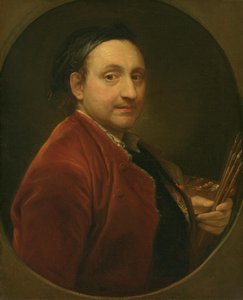
Pompeo Batoni
1708 - 1787 , Italy
Quick Facts
- Artistic Movement Or Style: Neoclassicism
- Artists Who Influenced This Artist:
- Nicolas Poussin
- Claude Lorrain
- Raphael
- Date Of Birth: 1708
- Date Of Death: 1787
- Full Name: Pompeo Batoni
- Nationality: Italian
- Notable Artworks:
- Virgin and Child with Saints
- A Knight in Rome
- The Triumph of Venice
- Place Of Birth (City And Country): Lucca, Italy

