 Preview
 Send
Send Share
Share
 Details

 Download
 Similars
 X-Ray
X-Ray Diaporama
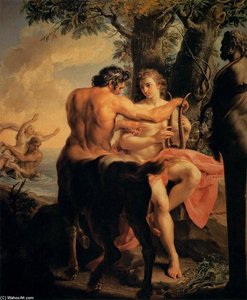
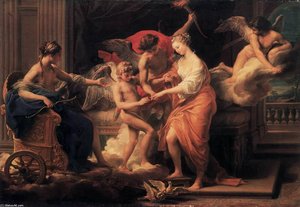
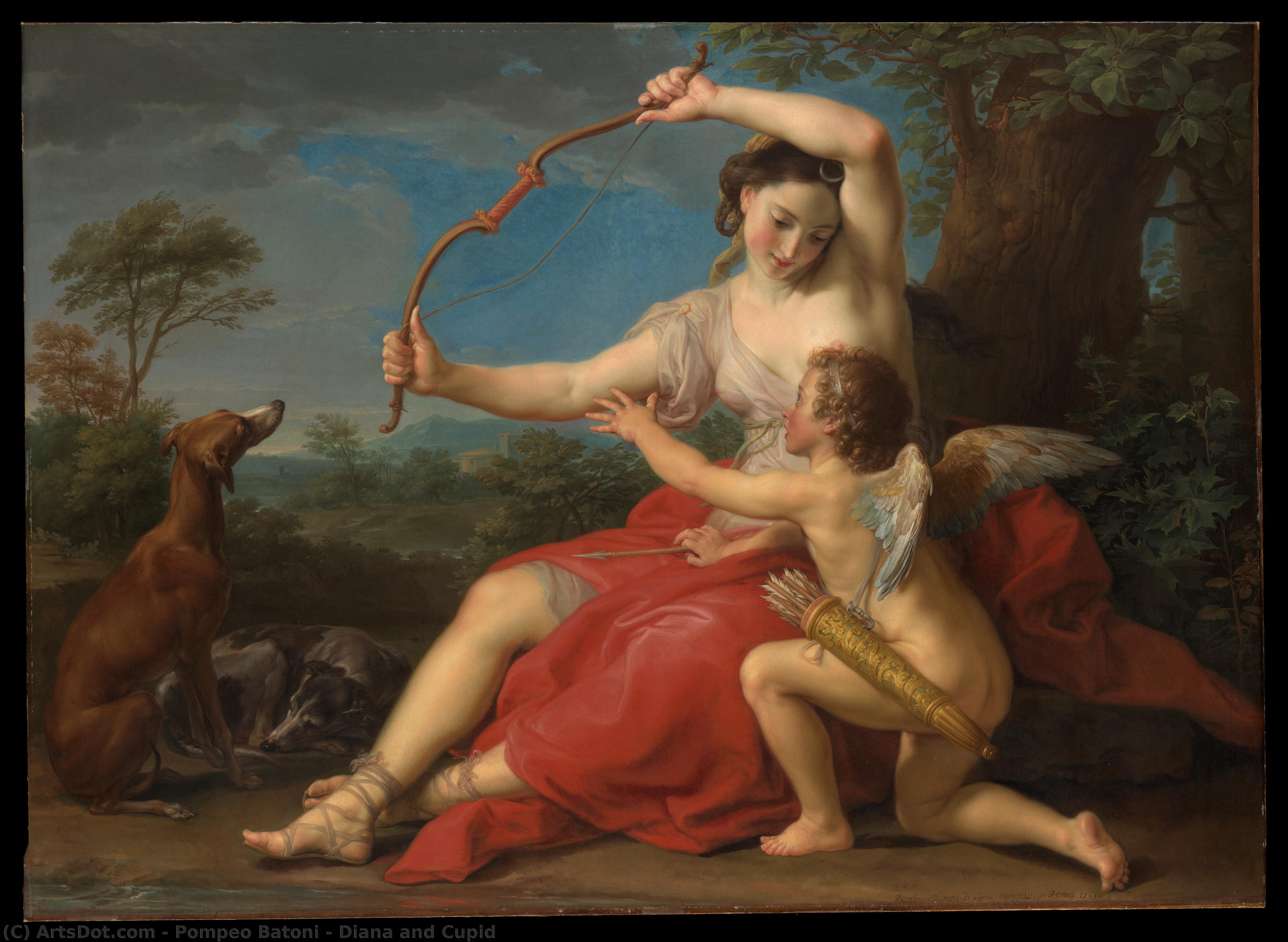
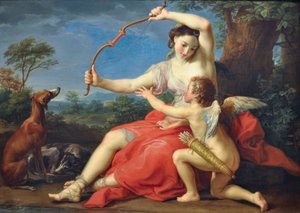
Diana and Cupid
 Oil On Canvas
- WallArt
- Baroque Classicism
 1761
1761- Early Modern
 125.0 x 173.0 cm
 Metropolitan Museum of Art
 Read More
Hand Made Oil Reproduction
Hand-painted oil on canvas in your size and frame, made to order by our artists. ( Buy Print Buy Image)




P118B $10

P118H $10

P118W $10

P438Z $10

P508JH $12

P508YH $12

P805H $10

P805Z $10

P919BZ $10

P919G $10

P919XJ $10

P959ZH $10

P968JZ $12

W106C $8

W218G $10

W218JH $8

W218Y $10

W307PJ $10

W316G $10

W316PJ $8

W316Y $10

W398PJ $8

W4111J $10

W500HY $15

W500JH $15

W692G $12

W849H $8

W940BG $15

W953PJ $8




Pick from our preset sizes that match the artwork's original proportions.

You may enter your own dimensions to fit a specific frame or space. If your selected size does not match the original image's proportions, we will either crop the artwork or extend the painting with additional hand-painted elements. A digital mockup will be sent for your approval before production begins.
Please note that the on-screen preview does not reflect the actual cropping or extension. Only the mockup will accurately show the final composition.
While custom sizes are available, we recommend selecting a dimension from the predefined list to preserve the original proportions.
After order, ArtsDot.com team will email client for instructions and provide a mockup preview
Worldwide Delivery () in 3/4 weeks instead of standard 5 weeks. (17 August). No compromise on quality.

Free Worldwide Express Shipping

High-Quality Linen Canvas

Full Shipping Insurance

Customs Tax Refund Guarantee

True Color Matching Guarantee

60-Day Return Policy (Defects Only)

100% Money-Back Guarantee

Bulk Discount Offer
 Glass option is only available in size under 110 CM

Diana and Cupid
Reproduction Medium
Reproduction Size
-


Total Price
$ 263
Artwork Description
The Divine Encounter: Diana and Cupid
To gaze upon this depiction of Diana and Cupid is to step directly into the luminous embrace of classical mythology filtered through the refined sensibilities of the Rococo era. Pompeo Batoni, master chronicler of aristocratic life and antiquity, captures a moment suspended between divine grace and tender domesticity. The goddess of the hunt, Diana, stands as an embodiment of wild, untamed beauty, yet here she is portrayed with a gentle intimacy as she regards her young son, Cupid. This painting transcends a mere portrait; it is a carefully orchestrated tableau vivant, rich with implied narrative tension that has captivated connoisseurs for generations.
A Study in Neoclassical Grace
Batoni’s artistic vocabulary is deeply indebted to the grandeur of classical antiquity, yet his execution retains the airy elegance characteristic of French Rococo influences. His style positions him as a crucial bridge figure—a precursor to the stark clarity of Neoclassicism while retaining a palpable warmth. Observe the handling of the drapery and the idealized forms; they speak to an academic refinement learned from masters like Raphael, yet imbued with a distinctly Italian luminosity. The composition itself is masterful, balancing the verticality of Diana’s stance against the grounded presence of her kneeling son and the watchful companionship of the two dogs flanking them. This careful arrangement ensures that every element contributes to a harmonious, almost breathless sense of poise.
Symbolism Woven into the Bow
The symbolism within this work is as potent as its visual beauty. Diana’s bow, elegantly held and seemingly paused mid-gesture, is not merely an accessory; it represents her dominion over nature and passion itself. The subtle tension Batoni introduces—the moment she withholds the weapon from Cupid—suggests a profound control over primal forces. Furthermore, the inclusion of the dogs adds a layer of pastoral warmth, grounding the divine subject matter in relatable companionship. It invites the viewer to contemplate the delicate balance between wild instinct and cultivated affection.
Historical Resonance and Decorative Appeal
Commissioned during a period when aristocratic patrons sought to visually link their modern status with the timeless virtues of ancient Rome, this piece served as more than mere decoration; it was a statement of cultured pedigree. For the contemporary collector or designer, owning a reproduction of Diana and Cupid offers an unparalleled opportunity to infuse a space with historical depth and sophisticated narrative flair. The scale (125 x 173 cm) allows it to function as a breathtaking focal point in a grand salon or library, echoing the stately elegance that defined the Enlightenment period.
Related Artworks

Artist Biography
Early Life and Training
- Born: Lucca, Italy (1708)
- Died: 1787
- Pompeo Batoni moved to Rome in 1727.
- He apprenticed with Agostino Masucci, Sebastiano Conca, and/or Francesco Imperiali.
- His first independent commission came as a result of rains that struck Rome in April 1732.
- The painting "The Ecstasy of Saint Catherine of Siena" illustrates his academic refinement of the late-Baroque style.
Artistic Style and Influences
- Batoni's style drew inspiration from classical antiquity, French Rococo, Bolognese Classicism, and artists such as Nicolas Poussin, Claude Lorrain, and especially Raphael.
- He is considered a precursor of Neoclassicism.
- His work can be found in various museums, including the Pinacoteca di Brera in Milan, Italy.
Notable Works and Commissions
- Virgin and Child with Saints
- A Knight in Rome: Charles Cecil Roberts – A celebrated portrait of a British traveler set against Roman ruins.
- The Triumph of Venice
- Numerous altarpieces for churches in Italy, such as the Museum Duomo in Siena.
- He was in high demand for portraits, particularly by British travelers on the Grand Tour who commissioned standing portraits within antique settings.
Development and Historical Significance
- Batoni became a highly fashionable painter in Rome after his rival, Anton Raphael Mengs, departed for Spain in 1761.
- He befriended Winckelmann and aimed to restrain classicism in his painting.
- His portraits captured the spirit of the Grand Tour era, reflecting the fascination with classical antiquity among European elites.
- Batoni’s ability to blend Baroque techniques with emerging Neoclassical ideals positioned him as a transitional figure in Italian art history.
Legacy
- Pompeo Batoni passed away on February 4, 1787, in Rome.
- He left behind a legacy as one of the most renowned Italian painters of his time.
- His work continues to be admired for its technical skill, elegant compositions, and insightful portrayals of individuals within their historical context.
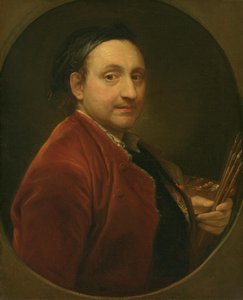
Pompeo Batoni
1708 - 1787 , Italy
Quick Facts
- Artistic Movement Or Style: Neoclassicism
- Artists Who Influenced This Artist:
- Nicolas Poussin
- Claude Lorrain
- Raphael
- Date Of Birth: 1708
- Date Of Death: 1787
- Full Name: Pompeo Batoni
- Nationality: Italian
- Notable Artworks:
- Virgin and Child with Saints
- A Knight in Rome
- The Triumph of Venice
- Place Of Birth (City And Country): Lucca, Italy
Related Articles

Rococo's Radiant Legacy: 10 Masterpieces for Your Home |
Indulge in the elegance of Rococo! Explore 10 masterpieces by Fragonard, Boucher & Watteau. Discover the stories behind these iconic paintings and bring timeless art to your home with museum-quality reproductions from .

The Rococo Aesthetic: Opulence, Rebellion & the Pursuit of Pleasure in 18th-Century Art
Explore the opulent world of Rococo art! Discover its origins, key artists like Watteau & Boucher, and lasting influence on design. Expert insights for collectors & enthusiasts.
18th Century Masters: 10 Artworks That Define an Era | ArtsDot
Journey through 18th century art! Explore 10 iconic paintings – from Rococo elegance to Neoclassical grandeur. Discover Fragonard, David & more. Find museum-quality reproductions and elevate your home decor on ArtsDot.com.
The Allure of Elegance in Art: A Historical & Aesthetic Exploration of Refinement & Grace
Explore the exquisite world of Rococo art! Discover its history, masters (Watteau, Boucher & more), and defining elegance. Expert insights for collectors seeking museum-quality reproductions & custom portraits.
The Rococo Style: Aristocratic Leisure & the Pursuit of Delight in 18th-Century Art
Explore the opulent world of Rococo art! Discover Watteau, Boucher & Nattier's masterpieces. Expert insights for collectors seeking museum-quality reproductions and custom portraits at ArtsDot.