 Preview
 Send
Send Share
Share
 Details

 Download
 Similars
 X-Ray
X-Ray Diaporama
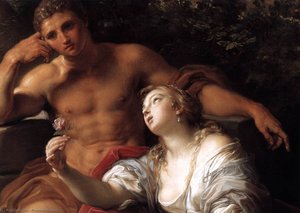
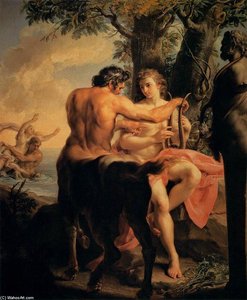
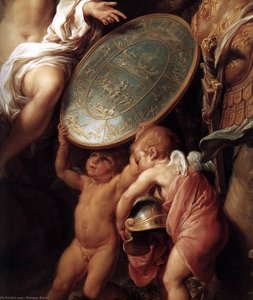
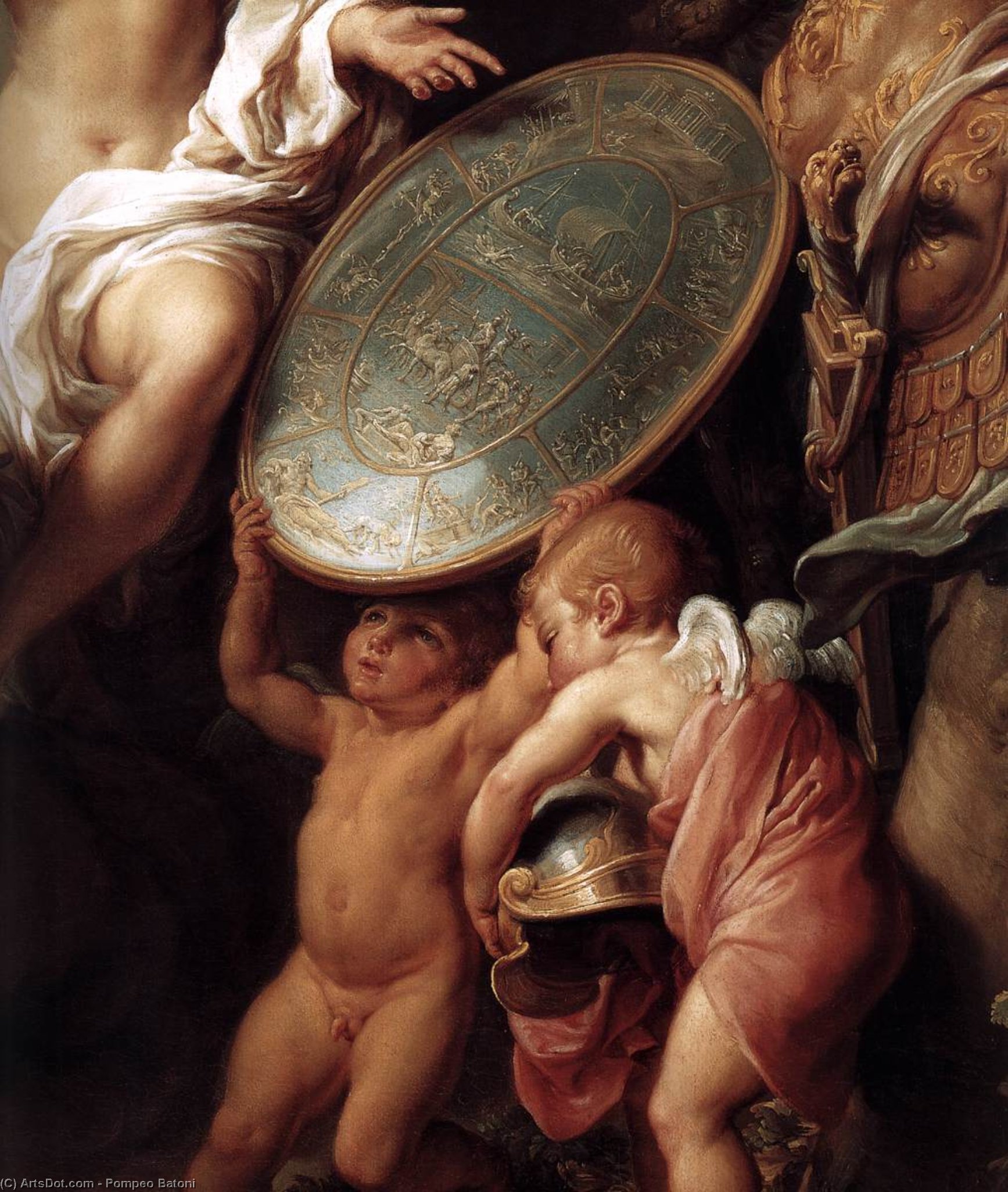
Venus Presenting Aeneas with Armour Forged by Vulcan (detail)


 Read More
Hand Made Oil Reproduction
Hand-painted oil on canvas in your size and frame, made to order by our artists. ( Buy Print Buy Image)




P118B $10

P118H $10

P118W $10

P438Z $10

P508JH $12

P508YH $12

P805H $10

P805Z $10

P919BZ $10

P919G $10

P919XJ $10

P959ZH $10

P968JZ $12

W106C $8

W218G $10

W218JH $8

W218Y $10

W307PJ $10

W316G $10

W316PJ $8

W316Y $10

W398PJ $8

W4111J $10

W500HY $15

W500JH $15

W692G $12

W849H $8

W940BG $15

W953PJ $8




Pick from our preset sizes that match the artwork's original proportions.

You may enter your own dimensions to fit a specific frame or space. If your selected size does not match the original image's proportions, we will either crop the artwork or extend the painting with additional hand-painted elements. A digital mockup will be sent for your approval before production begins.
Please note that the on-screen preview does not reflect the actual cropping or extension. Only the mockup will accurately show the final composition.
While custom sizes are available, we recommend selecting a dimension from the predefined list to preserve the original proportions.
After order, ArtsDot.com team will email client for instructions and provide a mockup preview
Worldwide Delivery () in 3/4 weeks instead of standard 5 weeks. (22 August). No compromise on quality.

Free Worldwide Express Shipping

High-Quality Linen Canvas

Full Shipping Insurance

Customs Tax Refund Guarantee

True Color Matching Guarantee

60-Day Return Policy (Defects Only)

100% Money-Back Guarantee

Bulk Discount Offer
 Glass option is only available in size under 110 CM

Venus Presenting Aeneas with Armour Forged by Vulcan (detail)
Reproduction Medium
Reproduction Size
-


Total Price
$ 288
Artwork Description
A Divine Commission: Venus & The Forging of Aeneas’s Armour
This exquisite detail from Pompeo Batoni's *Venus Presenting Aeneas with Armour Forged by Vulcan* (1748) offers a captivating glimpse into a pivotal moment from Virgil’s *Aeneid*. Batoni, a master of his time, doesn’t depict the fiery forge itself, but rather focuses on the presentation – a tender scene imbued with classical grace and symbolic weight. We see Venus, goddess of love and mother of Aeneas, poised to bestow upon her son armour crafted by the god of fire, Vulcan. The composition is intimate, drawing us into a world where divine intervention shapes mortal destiny. Batoni’s skill lies in his ability to blend mythological narrative with the refined aesthetics favored during the Grand Tour era.Baroque Realism & Neoclassical Foreshadowing
Batoni's style is firmly rooted in the Baroque tradition, evident in the dramatic *chiaroscuro* – the strong contrast between light and shadow – that sculpts the figures and emphasizes their textures. Note the luminous skin tones, achieved through layers of oil paint, and the meticulous rendering of drapery folds. However, even within this Baroque framework, we see hints of the Neoclassical style that Batoni would help pioneer. There’s a restraint in emotion, a clarity of form, and an emphasis on idealized beauty that anticipates the coming shift in artistic taste. The artist's technical prowess is undeniable; he masterfully balances realism with an elevated sense of classical dignity.Symbolism & The Weight of Fate
Every element within this detail carries symbolic resonance. The armour itself, forged by Vulcan, represents Aeneas’s destiny as a warrior and the founder of Rome. The shield, adorned with astrological symbols, alludes to fate and the predetermined course of events. Venus's role is crucial – she isn’t merely presenting a gift; she’s actively participating in fulfilling her son’s heroic purpose. The celestial objects carried by the cherubic figures further reinforce this theme of divine guidance and cosmic order. Batoni invites us to contemplate not just *what* is happening, but *why*, prompting reflection on themes of duty, destiny, and the interplay between gods and mortals.Emotional Resonance & Interior Design
The overall emotional tone is one of serene reverence and quiet power. The soft lighting and graceful figures evoke a sense of timelessness and divine presence. This detail, even as a fragment of the larger composition, possesses a captivating beauty that transcends its mythological subject matter. For interior designers, this artwork – or a high-quality reproduction – would lend an air of sophisticated elegance to any space. Its warm color palette complements both traditional and contemporary settings, while its classical themes provide a focal point for conversation and contemplation. It’s a piece that speaks to the enduring power of myth and the beauty of artistic mastery.Related Artworks



Artist Biography
Early Life and Training
- Born: Lucca, Italy (1708)
- Died: 1787
- Pompeo Batoni moved to Rome in 1727.
- He apprenticed with Agostino Masucci, Sebastiano Conca, and/or Francesco Imperiali.
- His first independent commission came as a result of rains that struck Rome in April 1732.
- The painting "The Ecstasy of Saint Catherine of Siena" illustrates his academic refinement of the late-Baroque style.
Artistic Style and Influences
- Batoni's style drew inspiration from classical antiquity, French Rococo, Bolognese Classicism, and artists such as Nicolas Poussin, Claude Lorrain, and especially Raphael.
- He is considered a precursor of Neoclassicism.
- His work can be found in various museums, including the Pinacoteca di Brera in Milan, Italy.
Notable Works and Commissions
- Virgin and Child with Saints
- A Knight in Rome: Charles Cecil Roberts – A celebrated portrait of a British traveler set against Roman ruins.
- The Triumph of Venice
- Numerous altarpieces for churches in Italy, such as the Museum Duomo in Siena.
- He was in high demand for portraits, particularly by British travelers on the Grand Tour who commissioned standing portraits within antique settings.
Development and Historical Significance
- Batoni became a highly fashionable painter in Rome after his rival, Anton Raphael Mengs, departed for Spain in 1761.
- He befriended Winckelmann and aimed to restrain classicism in his painting.
- His portraits captured the spirit of the Grand Tour era, reflecting the fascination with classical antiquity among European elites.
- Batoni’s ability to blend Baroque techniques with emerging Neoclassical ideals positioned him as a transitional figure in Italian art history.
Legacy
- Pompeo Batoni passed away on February 4, 1787, in Rome.
- He left behind a legacy as one of the most renowned Italian painters of his time.
- His work continues to be admired for its technical skill, elegant compositions, and insightful portrayals of individuals within their historical context.
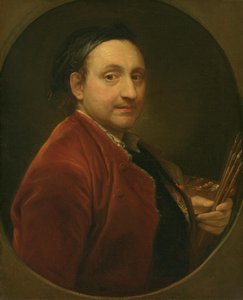
Pompeo Batoni
1708 - 1787 , Italy
Quick Facts
- Artistic Movement Or Style: Neoclassicism
- Artists Who Influenced This Artist:
- Nicolas Poussin
- Claude Lorrain
- Raphael
- Date Of Birth: 1708
- Date Of Death: 1787
- Full Name: Pompeo Batoni
- Nationality: Italian
- Notable Artworks:
- Virgin and Child with Saints
- A Knight in Rome
- The Triumph of Venice
- Place Of Birth (City And Country): Lucca, Italy
Related Articles
Baroque Classicism: Reconciling Drama & Order in 17th-Century Art
Explore the captivating world of Baroque Classicism! Discover its history, key artists like Caravaggio & Rubens, and defining characteristics. Expert insights & high-quality reproductions at ArtsDot.
Echoes of Olympus: Mythological Narratives in Western Art Through the Ages
Explore the captivating history of mythological narratives in Western art! From ancient Greece to modern masterpieces, discover iconic artworks & symbolism. Expert analysis and high-quality reproductions at ArtsDot.

Baroque Drama: Bringing Opulence & Emotion into Contemporary Interiors
Explore the opulent world of Baroque interior design! Discover key elements, modern applications & how to bring dramatic elegance into your home with 's authentic reproductions.
Guido Reni: A Study in Baroque Classicism & Artistic Perfection
Explore the life & work of Guido Reni, a master of Baroque classicism. Discover his iconic religious & mythological paintings, and understand his enduring influence on art history. Expert analysis for collectors.
Decoding Baroque Grandeur: A Guide to the Drama and Emotion of 17th-Century Art
Explore the breathtaking drama of 17th-century Baroque art. Our expert guide decodes the use of chiaroscuro, emotional intensity, and historical grandeur to help you appreciate and curate timeless masterpieces for your collection.