 Send
Send Share
Share
 Details

 Download
 Similars
 Diaporama
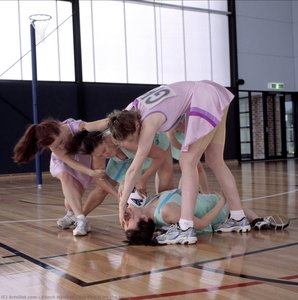
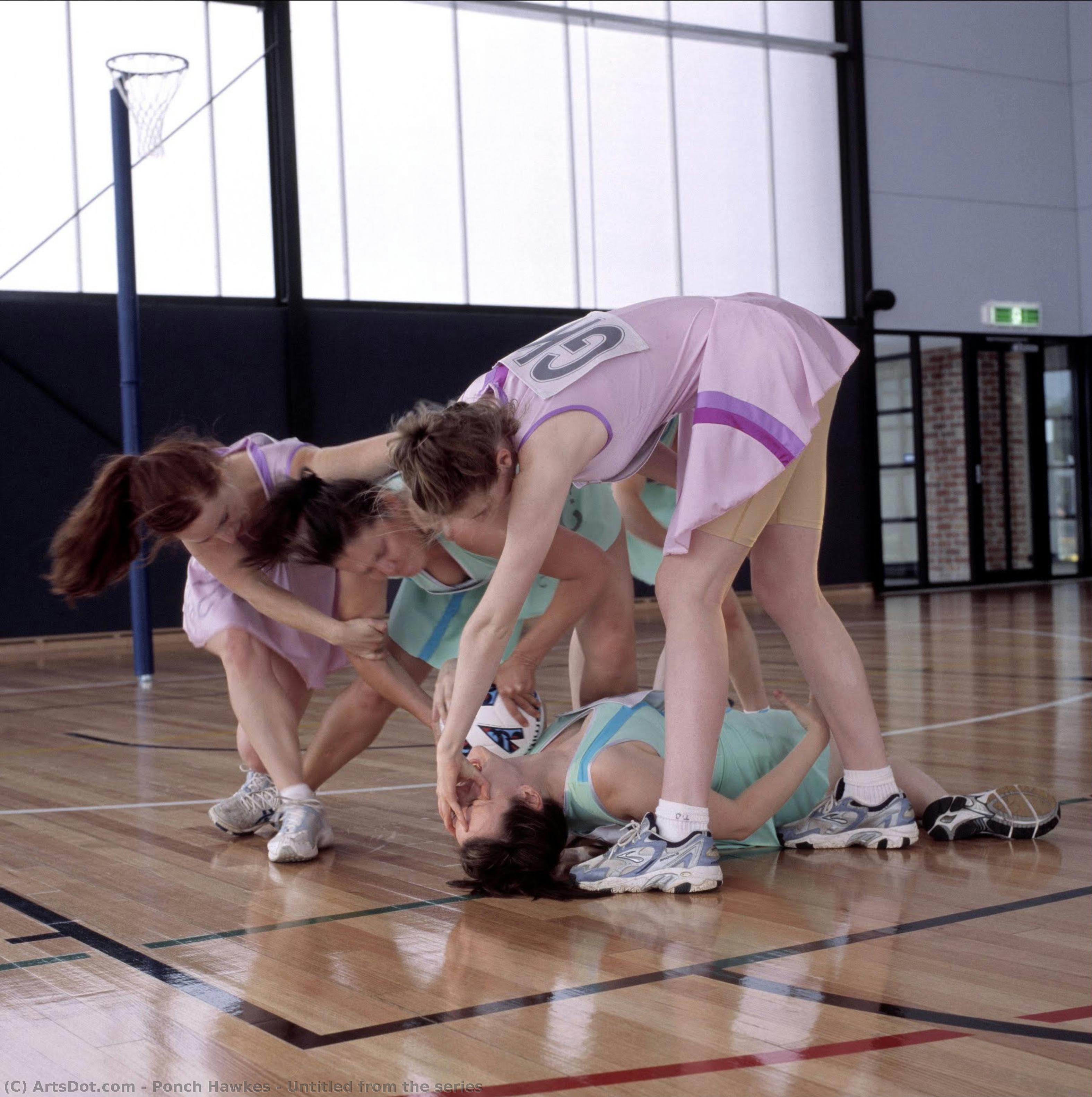
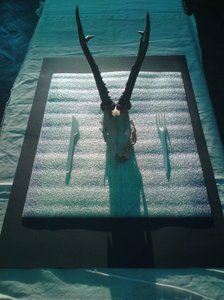
Untitled from the series
 Photography
- Photo
- Contemporary Realism
 2010
2010- Contemporary
 100.0 x 100.0 cm
 Ian Potter Museum of Art
 Read More
Giclée / Art Print
Museum-quality giclée or canvas print with fast production and flexible finish options. ( Buy Hand Made Painting Buy Image)




































Pick from our preset sizes that match the artwork's original proportions.

You may enter your own dimensions to fit a specific frame or space. If your selected size does not match the original image's proportions, we will either crop the artwork or extend the image with a mirrored or solid-fill edge. A digital mockup will be sent for your approval before production begins.
Please note that the on-screen preview does not reflect the actual cropping or extension. Only the mockup will accurately show the final composition.
While custom sizes are available, we recommend selecting a dimension from the predefined list to preserve the original proportions.
Worldwide Delivery () in 2 weeks instead of standard 4/5 weeks. (28 August)

Free Worldwide Express Shipping

High-Quality Linen Canvas

Full Shipping Insurance

Customs Tax Refund Guarantee

True Color Matching Guarantee

60-Day Return Policy (Defects Only)

100% Money-Back Guarantee

Bulk Discount Offer
 Glass option is only available in size under 110 CM

Untitled from the series
Giclée / Art Print
Reproduction Size
-


Total Price
$ 63
Related Artworks

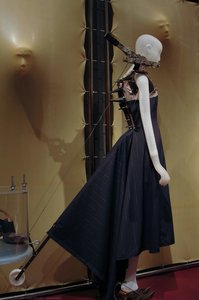
![Test Pattern [n 8]\n\ninstallation Of Test Pattern [n 8] — Ikeda Ryōji, Contemporary Art](/media/artworks/images-thumb/9e/2e/9e2e52cdde87336d2793c5a12f678471.jpg)
Artist Biography
A Lens on Identity: The Visionary World of Ponch Hawkes
Born in 1946 in Abbotsford, Victoria, Ponch Hawkes has spent decades crafting a visual language that serves as a profound mirror to the Australian soul. A self-taught master of the medium, her journey into photography was not born from formal academic training but from a visceral need to document the shifting tides of social and cultural history. Returning to Australia from the United States in the early 1970s, Hawkes found herself immersed in the radical energy of Melbourne’s underground scene. Her early career as a journalist for the alternative newspaper The Digger provided the initial spark; photography emerged as a vital extension of her storytelling, allowing her to capture not just the news, but the raw, unvarnating human emotions that words often fail to convey.
Her artistic evolution was deeply intertwined with the experimental spirit of the 1970s, particularly through her involvement with the Pram Factory and the feminist collectives of the era. This period of intense social upheaval informed her commitment to documenting marginalized voices, ranging from the vibrant performers of Circus Oz to the pioneering women of the Women's Theatre Group. Through her lens, the boundaries between art, politics, and community began to dissolve. Hawkes developed a humanist approach characterized by intimacy and empathy, often inviting her subjects to become active participants in the creative process. This collaborative spirit transformed her work from mere observation into a shared exploration of existence.
The Intimacy of Connection and the Female Form
One of the most poignant chapters in Hawkes’ career began in 1976 with her seminal photo essay, Our Mums and Us. This ambitious project, which featured her own mother alongside female friends such as the renowned writer Helen Garner, served as a groundbreaking exploration of intergenerational bonds and the nuances of familial love. By documenting the relationship between mothers and daughters, Hawkes challenged the reductive, stereotypical portrayals of women prevalent in mainstream media at the time. Her work during this period laid the foundation for a lifelong investigation into the female body, masculinity, and the complex ways in which individuals relate to one another through physical presence.
As her career progressed, Hawkes’ thematic scope expanded to encompass the broader spectrum of Australian identity. Her photography became a vital archive for LGBTQ+ rights and queer identity, capturing pivotal moments of struggle and celebration within the community. She navigated the delicate intersections of gender, age, and labor, documenting women at work and the evolving perceptions of the aging female body with a grace that is both unflinching and tender. Her ability to find the extraordinary within the ordinary—the quiet strength in a candid street photograph or the profound dignity in a portrait of a public figure—has cemented her reputation as a chronicler of the human condition.
Legacy and Institutional Recognition
The historical significance of Ponch Hawkes’ work is reflected in the prestigious institutions that house her photographic archives. Her contributions to the Australian visual canon are recognized by major galleries across the nation, ensuring that her documentation of social history remains accessible to future generations. Her work has been featured in landmark exhibitions such as Melbourne Now at the National Gallery of Victoria and Know My Name at the National Gallery of Australia.
The enduring impact of her oeuvre can be seen in the breadth of collections that preserve her vision, including:
- National Gallery of Victoria
- National Gallery of Australia
- Queensland Art Gallery
- State Library of Victoria
- Monash Gallery of Art
- The Women's Art Register
- Jewish Museum of Australia
Through decades of dedicated practice, Ponch Hawkes has done more than simply take photographs; she has constructed a visual legacy that celebrates the resilience, complexity, and beauty of the human experience in Australia. Her work remains a vital testament to the power of the camera to foster empathy, challenge injustice, and illuminate the hidden threads that connect us all.
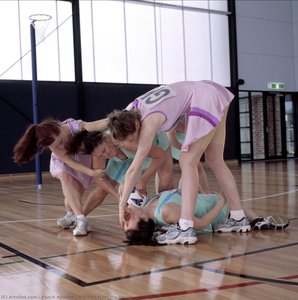
ponch hawkes
1946 - , Australia
Quick Facts
- Artistic Movement Or Style: Contemporary Photography
- Artists Or Movements Influenced By This Artist: ['Margaret Nash']
- Artists Who Influenced This Artist: ['Janine Burke']
- Date Of Birth: 1946
- Full Name: Ponch Hawkes
- Nationality: Australian
- Notable Artworks:
- Untitled from the series
- Koala
- Place Of Birth: Melbourne, Australia
Related Articles

Monochrome Visions: Exploring the Aesthetic & Historical Significance of Black & White Photography
Explore the rich history & artistic power of black and white photography. From early techniques to iconic masters like Ansel Adams, discover why monochrome continues to captivate art lovers today. Expert insights for collectors.
Beyond the Lens: Photography's Enduring Influence on Modern & Contemporary Art
Explore photography's pivotal role in shaping modern & contemporary art. Discover key movements, influential artists like Stieglitz, and expert collecting advice from ArtsDot.
Pictorialism: A Search for Artistic Photography's Soul – Aesthetics, Techniques & Legacy
Explore the captivating world of Pictorialism – a pivotal movement that transformed photography into fine art. Discover key artists like Stieglitz & Käsebier, techniques, and collecting tips from experts.
Witnessing History Through Lens & Light: Documentary Photography's Enduring Legacy
Explore the powerful history of documentary photography – from its origins to contemporary masters like Gordon Parks & W. Eugene Smith. Discover how this art form shapes our understanding of society and witness pivotal moments in time.
Documentary Photography's Defining Moments: 10 Masterpieces for Your Home |
Explore 10 defining documentary photography masterpieces – from Dorothea Lange to Robert Capa. Discover powerful stories, iconic images & timeless art for your home. Museum-quality prints at .