 Preview
 Send
Send Share
Share
 Details

 Download
 Similars
 X-Ray
X-Ray Diaporama
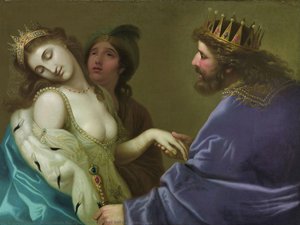
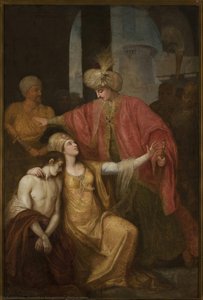
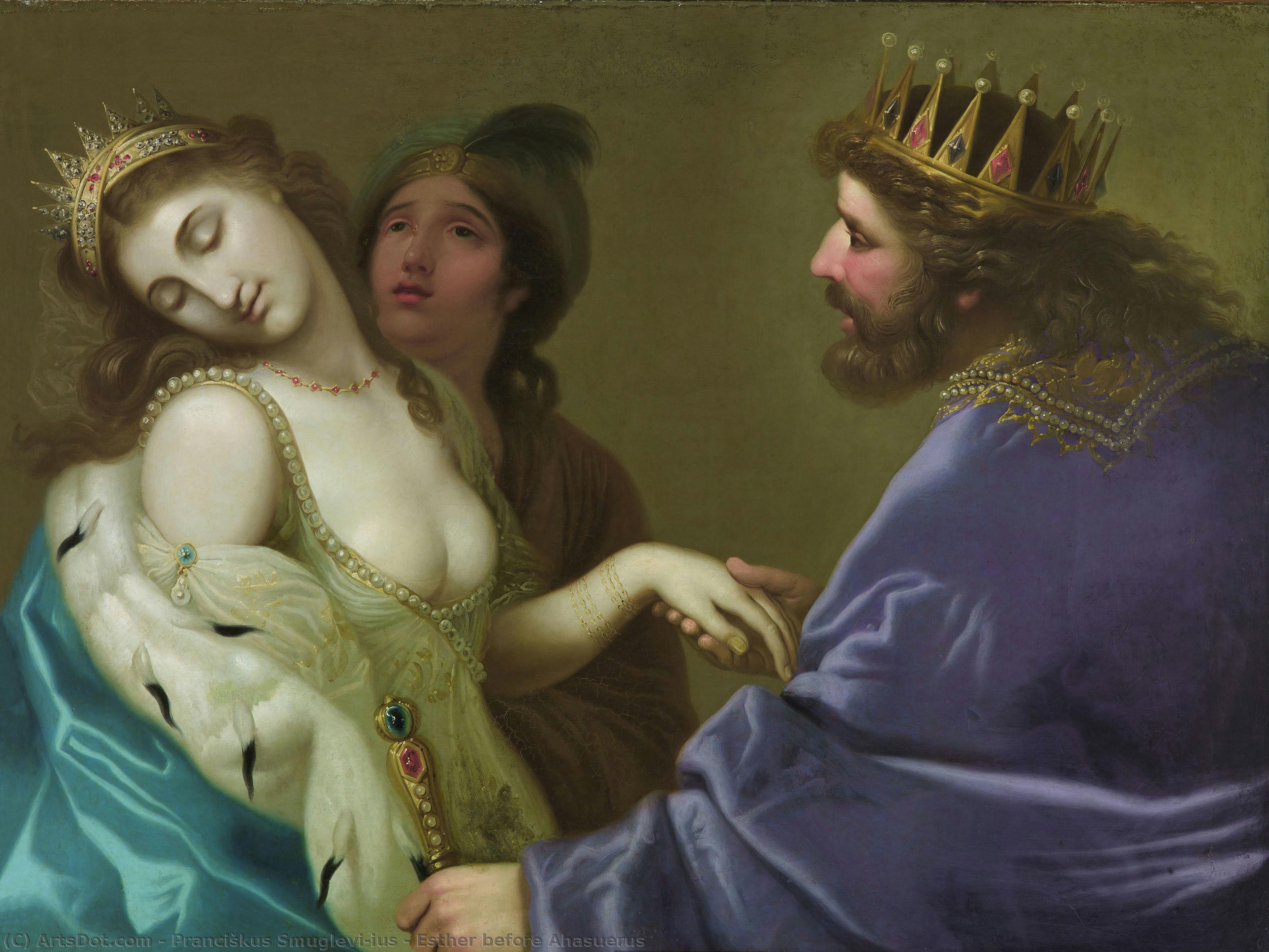
Esther before Ahasuerus
 Oil
Oil- WallArt
- Neo-Classical
 1778
1778- Early Modern
 78.0 x 106.0 cm
 Lithuanian Art Centre TARTLE
 Read More
Hand Made Oil Reproduction
Hand-painted oil on canvas in your size and frame, made to order by our artists. ( Buy Print Buy Image)




P118B $10

P118H $10

P118W $10

P438Z $10

P508JH $12

P508YH $12

P805H $10

P805Z $10

P919BZ $10

P919G $10

P919XJ $10

P959ZH $10

P968JZ $12

W106C $8

W218G $10

W218JH $8

W218Y $10

W307PJ $10

W316G $10

W316PJ $8

W316Y $10

W398PJ $8

W4111J $10

W500HY $15

W500JH $15

W692G $12

W849H $8

W940BG $15

W953PJ $8




Pick from our preset sizes that match the artwork's original proportions.

You may enter your own dimensions to fit a specific frame or space. If your selected size does not match the original image's proportions, we will either crop the artwork or extend the painting with additional hand-painted elements. A digital mockup will be sent for your approval before production begins.
Please note that the on-screen preview does not reflect the actual cropping or extension. Only the mockup will accurately show the final composition.
While custom sizes are available, we recommend selecting a dimension from the predefined list to preserve the original proportions.
After order, ArtsDot.com team will email client for instructions and provide a mockup preview
Worldwide Delivery () in 3/4 weeks instead of standard 5 weeks. (17 August). No compromise on quality.

Free Worldwide Express Shipping

High-Quality Linen Canvas

Full Shipping Insurance

Customs Tax Refund Guarantee

True Color Matching Guarantee

60-Day Return Policy (Defects Only)

100% Money-Back Guarantee

Bulk Discount Offer
 Glass option is only available in size under 110 CM

Esther before Ahasuerus
Reproduction Medium
Reproduction Size
-


Total Price
$ 263
Artwork Description
A Moment of Divine Courage
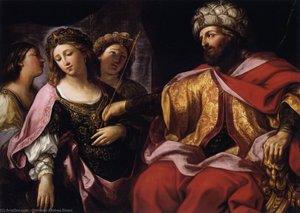
In the grand tapestry of Neo-Classical history painting, few moments capture the tension between vulnerability and sovereignty as poignantly as Pranciškus Smuglevičius’s Esther before Ahasuerus. Painted in 1778, this masterpiece transports the viewer into the heart of a biblical drama where destiny hangs by a single thread. The canvas centers on the breathtaking figure of Esther, whose presence commands the frame not merely through her regal attire, but through the profound emotional complexity etched upon her face. As she stands before the formidable King Ahasuerus, there is a palpable sense of disbelief and trepidation—a silent prayer captured in pigment. Smuglevičius masterfully utilizes the light to illuminate Esther’s beauty, turning her physical grace into a symbol of the spiritual fortitude required to intercede for her people.
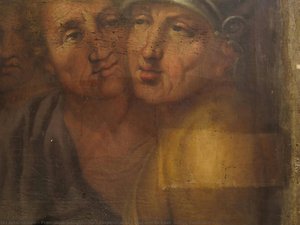
The composition is a sophisticated study in depth and narrative layering. While Esther remains the luminous focal point, the artist subtly populates the periphery with secondary figures who serve as silent witnesses to this high-stakes encounter. These observers, rendered with careful attention to detail, add a layer of courtly intrigue and social context, suggesting the watchful eyes of an empire. The interplay between the central subjects and the background figures creates a theatrical atmosphere, reminiscent of a stage set where every glance and gesture carries the weight of historical consequence. For the discerning collector, this painting offers more than just a depiction of a scene; it offers a window into the psychological landscape of courage.
The Mastery of Neo-Classical Elegance
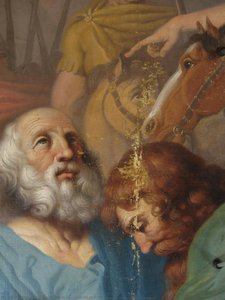
Smuglevičius, a scholar of the Roman school and a protégé of the great masters, brings a refined technical precision to this work that defines the late 18th-century aesthetic. His training under Anton von Maron is evident in the meticulous handling of textures—the heavy, regal weight of the crown, the delicate sheen of royal fabrics, and the soft, lifelike rendering of skin tones. The artist employs a palette that balances the warmth of human emotion with the cool, structured dignity of the Neo-Classical style. Every brushstroke serves to reinforce the clarity of the narrative, ensuring that the viewer is not lost in ornamentation but remains anchored to the dramatic tension of the subject matter.
For interior designers and curators of fine art reproductions, this piece represents a pinnacle of classical sophistication. The artwork possesses a timeless quality that allows it to anchor a room with authority and grace. Whether placed in a formal study, a grand hallway, or a curated gallery space, Esther before Ahasuerus acts as a conversation piece that invites contemplation on themes of justice, bravery, and the human condition. It is an exquisite choice for those seeking to infuse their environments with the intellectual depth and aesthetic splendor of the Enlightenment era.
Related Artworks
Artist Biography
early life and education
pranciškus smuglevičius, a polish-lithuanian draughtsman and painter, was born on october 6, 1745, in warsaw, poland. he was the son of łukasz smuglewicz, also a painter, and regina olesińska. smuglewicz's early life was marked by his first steps as a painter in his father's workshop in warsaw.artistic career
in 1763, smuglewicz journeyed to rome, where he began studying fine arts under the tutorship of anton von maron. he stayed in rome for 21 years, embracing the neo-classical style. in 1765, he received a royal scholarship from king stanisław august poniatowski and was admitted into the saint lucas academy.notable works and legacy
smuglewicz's notable works include:- a meeting of the four years' sejm (1793), showcasing his historical painting style.
- kościuszko's oath at kraków's old town market (1797), highlighting his ability to capture everyday life and architecture.
- lithuanian peasants, freeing peasants from serfdom in merkinė, demonstrating his commitment to social issues.
teaching and influence
smuglewicz was a tutor of generations of polish-lithuanian painters, including jan rustem, jan krzysztof damel, gaspar borowski, and józef oleszkiewicz. he brought classical ideas and views of enlightened classicism to lithuania, influencing the development of lithuanian art.later life and death
smuglewicz moved to vilnius in 1797, where he became the founder and first deacon of the institute of sketch and painting at the academy of vilnius. he painted allegorical ceiling paintings for tsar paul i at his new imperial palace, the mikhailovsky castle, in st petersburg. smuglewicz died on september 18, 1807, in vilnius, lithuania. view more works by pranciškus smuglevičius on ArtsDot.com explore the artist's profile and artworks on ArtsDot.com read more about franciszek smuglewicz on wikipedia
pranciškus smuglevičius
1745 - 1807 , Poland
Quick Facts
- Artistic Movement Or Style: Neo-Classical
- Artists Or Movements Influenced By This Artist: ['Lithuanian Art']
- Artists Who Influenced This Artist: ['Anton von Maron']
- Date Of Birth: October 6, 1745
- Date Of Death: September 18, 1807
- Full Name: Pranciškus Smuglevičius
- Nationality: Polish-Lithuanian
- Notable Artworks:
- A Meeting of the Four Years' Sejm
- Kościuszko's Oath
- Lithuanian Peasants
- Place Of Birth: Warsaw, Poland
Related Articles
Neo-Classicism's Greatest Hits: 10 Masterpieces for Your Home |
Journey through Neo-Classicism's finest! Explore 10 iconic masterpieces by David, Ingres & Canova. Discover art history, techniques & timeless beauty – perfect for inspiring your home decor. Find museum-quality reproductions at
The Enduring Legacy of Classicism: Principles, Evolution & Influence in Western Art
Explore the enduring legacy of Classicism in Western art! Discover its historical context, key principles, iconic masterpieces & lasting influence. Learn about Renaissance and Neoclassical movements with ArtsDot.
Timeless Resonance: Exploring Classic Vibe in Art – A Historical & Aesthetic Analysis
Explore the rich history & enduring aesthetic of Classicism art! Discover key movements, iconic artists like Raphael & David, and its lasting influence on Western art. Deepen your appreciation today.
The Enduring Legacy of Classical Style: Form, Narrative & Influence in Art
Explore the enduring legacy of classical art – from ancient Greece & Rome to Neoclassicism. Discover key artists, philosophical roots & build a timeless collection with ArtsDot's expert guidance.

The Enduring Legacy of Classicism: Harmony, Reason & Ideal Form in Western Art
Explore the enduring legacy of Classicism in Western art. Discover Renaissance & Neoclassical masterpieces, key artists, and build a timeless collection with ArtsDot's expert guidance.