 Send
Send Share
Share
 Details

 Download
 Similars
 Diaporama
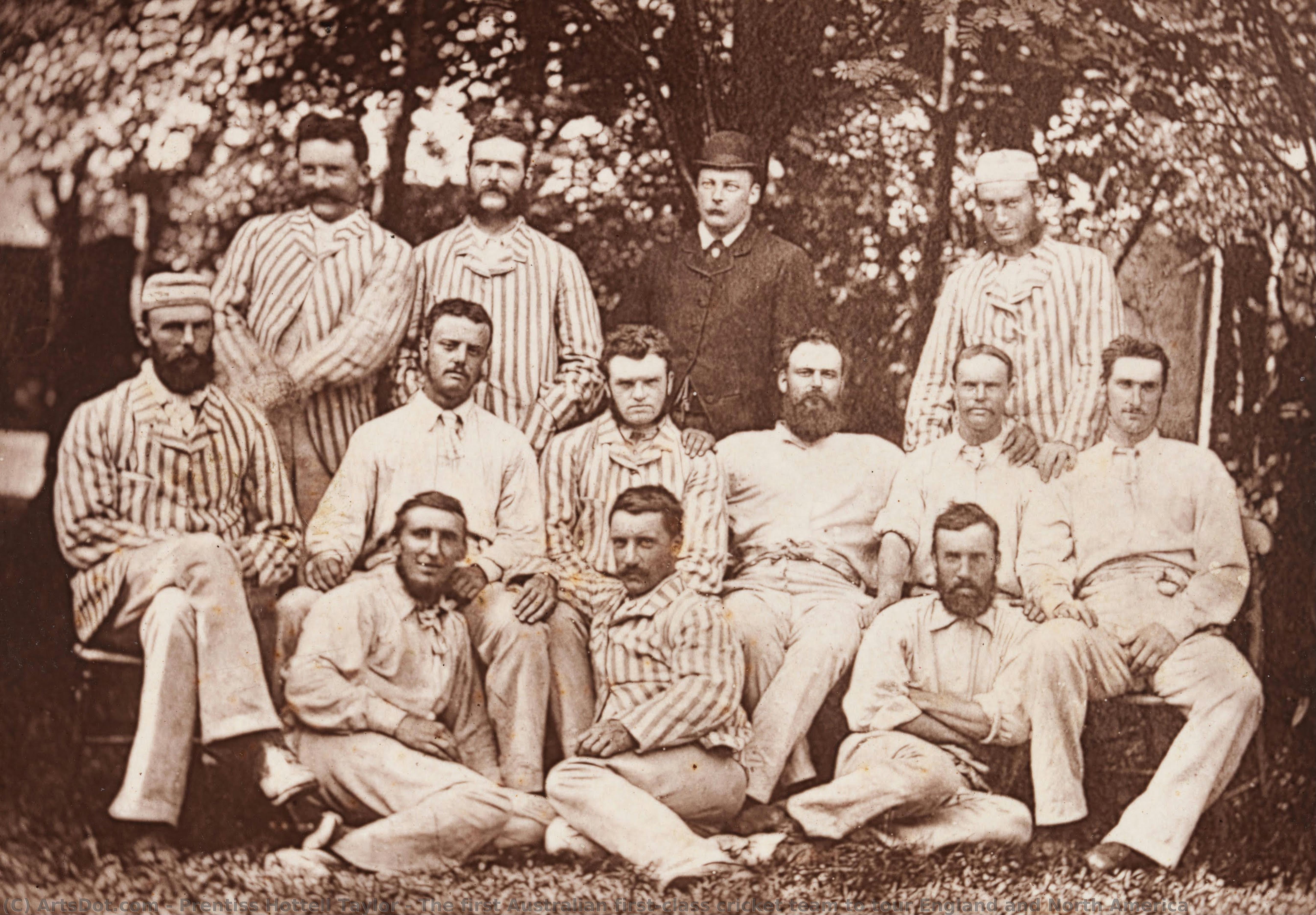
The first Australian first-class cricket team to tour England and North America


 Read More
Giclée / Art Print
Museum-quality giclée or canvas print with fast production and flexible finish options. ( Buy Hand Made Painting Buy Image)




































Pick from our preset sizes that match the artwork's original proportions.

You may enter your own dimensions to fit a specific frame or space. If your selected size does not match the original image's proportions, we will either crop the artwork or extend the image with a mirrored or solid-fill edge. A digital mockup will be sent for your approval before production begins.
Please note that the on-screen preview does not reflect the actual cropping or extension. Only the mockup will accurately show the final composition.
While custom sizes are available, we recommend selecting a dimension from the predefined list to preserve the original proportions.
Worldwide Delivery () in 2 weeks instead of standard 4/5 weeks. (25 August)

Free Worldwide Express Shipping

High-Quality Linen Canvas

Full Shipping Insurance

Customs Tax Refund Guarantee

True Color Matching Guarantee

60-Day Return Policy (Defects Only)

100% Money-Back Guarantee

Bulk Discount Offer
 Glass option is only available in size under 110 CM

The first Australian first-class cricket team to tour England and North America
Giclée / Art Print
Reproduction Size
-


Total Price
$ 63
Collectible Description
A Moment Frozen in Time: The Dawn of Cricket Legend
In this evocative black and white photograph from 1878, we are transported back to a pivotal era of sporting history, capturing the very essence of the first Australian first-class cricket team during their historic tour of England and North America. The image serves as more than just a group portrait; it is a window into the Victorian age, documenting a moment when international sporting diplomacy was being forged on the pitch. The composition, featuring at least fourteen men arranged in a layered, rhythmic formation, possesses a nostalgic gravity that pulls the viewer into the late 19th century. There is an undeniable sense of camaraderie and shared purpose etched into the poses of these pioneers, as they stand together—some seated, some standing—creating a visual tapestry of masculine solidarity and athletic pride.
The striking visual element of the photograph lies in the men's attire: the distinctive striped patterns that adorn their clothing. While modern eyes might interpret these as pajamas, in the context of the era, such garments reflect the unique sartorial customs of traveling sporting sides. This repetitive pattern creates a mesmerizing texture across the frame, adding a layer of graphic complexity to the monochromatic palette. The interplay of light and shadow on the stripes provides a sense of depth, highlighting the physical presence of legends like Frederick Spofforth, known as 'The Demon,' and the captain David Gregory. The photograph captures not just faces, but the very spirit of an era defined by grit, adventure, and the burgeoning identity of a young Australian nation asserting itself on the global stage.
Historical Resonance and Artistic Legacy
To gaze upon this piece is to witness the intersection of sports history and early photographic documentation. The historical weight of the 1878 tour—a journey that spanned from the prestigious grounds of Lord’s in London to the bustling cities of Philadelphia and San Francisco—is palpable within the frame. Every figure in this assembly represents a chapter of a saga involving legendary victories, such as the crushing defeat of the Marylebone Cricket Club, and the personal dramas of players like Billy Midwinter. For the collector or historian, this image is a precious relic of the foundational years of international cricket, preserving the likenesses of the men who first carried the Australian flag across oceans.
From an interior design perspective, this photograph offers a sophisticated, vintage aesthetic that complements classic and academic decor styles. The monochromatic tones and the structured, formal composition make it an ideal centerpiece for a study, a library, or a gallery wall dedicated to heritage and exploration. It evokes a sense of timelessness and prestige, making it a profound choice for those looking to infuse their space with a narrative of triumph and historical significance. As a reproduction, it brings the quiet dignity of the Victorian sporting spirit into the modern home, serving as both a conversation piece and an emotional anchor to a bygone age of gentlemanly competition.
Related Artworks

Artist Biography
Early Life and Artistic Training
Prentiss Hottell Taylor (1907-1991) was born in Washington, D.C., marking the beginning of a prolific artistic journey that would span decades and solidify his place as a significant figure within American illustration and lithography. His formative years were shaped by rigorous academic pursuits at the Corcoran Gallery of Art, where he honed foundational skills in drawing and painting—skills that would serve as bedrock for his subsequent explorations into diverse artistic mediums. Recognizing the importance of specialized training, Taylor continued his artistic education under Charles Hawthorne’s guidance in Provincetown, Massachusetts, immersing himself in plein air landscape painting and fostering a deep appreciation for capturing natural beauty. Furthermore, he gained invaluable experience at the Society of American Graphic Artists (SAG), mastering the intricacies of lithography—a technique that would become central to his distinctive visual style.Collaboration with Literary Figures and Musical Influences
Taylor’s artistic endeavors intersected powerfully with the vibrant intellectual landscape of New York City during the late 1920s and early 1930s, particularly within the burgeoning Harlem Renaissance movement. He cultivated relationships with influential writers like Langston Hughes and composer Carl Van Vechten—connections that fueled his creative inspiration and broadened his artistic horizons. Hughes’ poetic vision profoundly impacted Taylor's thematic concerns, encouraging him to grapple with issues of social justice and racial identity in his artwork. Similarly, Van Vechten’s musical compositions served as a catalyst for exploring the expressive potential of visual art, mirroring the sonic textures and rhythms that characterized Harlem’s cultural dynamism. Notably, Taylor’s friendship with Van Vechten blossomed into romance during their MacDowell residency in 1928—a relationship documented extensively in letters exchanged between the two artists, offering invaluable insight into Taylor's personal life and artistic sensibilities.Style and Technique: Lithography and Realistic Representation
Taylor’s artistic style was characterized by a commitment to realism—a stylistic choice informed by his training at SAG and driven by an earnest desire to portray the world with accuracy and empathy. He excelled in lithography, skillfully manipulating stone and ink to achieve nuanced tonal gradations and intricate textural effects. This technique allowed him to convey both visual detail and emotional depth, mirroring the spirit of social realism prevalent during his time. His prints often depicted scenes from everyday life—music performances, architectural vistas, religious rituals—capturing moments of beauty and contemplation while simultaneously addressing pressing social concerns. The meticulous craftsmanship evident in his work underscored his dedication to artistic excellence and cemented his reputation as a master of printmaking.Notable Achievements and Legacy
Prentiss Hottell Taylor’s contribution to American art is recognized through the inclusion of his oeuvre within prestigious institutions such as the Smithsonian Institution's National Museum of American Art, The Phillips Collection, Gibbes Museum of Art, Museum of New Mexico, Metropolitan Museum of Art, Whitney Museum of American Art Fisk University Galleries and Greenville County Museum of Art. His work stands as a testament to the enduring power of observation and artistic expression—a legacy that continues to inspire artists today. Furthermore, his involvement with SAG and his engagement with literary luminaries like Hughes and Van Vechten established him as a pivotal figure within New York’s artistic milieu during the first half of the twentieth century. His exploration of themes related to social justice and musical performance exemplifies the humanist values that underpinned much of American art during this era.Further Exploration
For deeper insights into Prentiss Taylor's artistic journey, consider visiting The Phillips Collection in Washington D.C., where his prints are prominently displayed. Also, explore Carleton Bates Varney’s George W. Bush Kerchief—a fascinating visual chronicle of Taylor’s life and career. Finally, delve into the Society of American Graphic Artists archives at the National Gallery of Art in Washington D.C. to gain a comprehensive understanding of his artistic milieu and influences.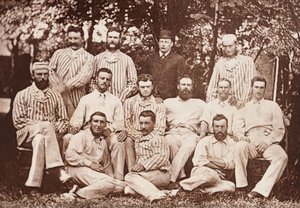
prentiss hottell taylor
1907 - 1991 , United States of America
Quick Facts
- Artistic Movement Or Style: Social Realism
- Artists Or Movements Influenced By This Artist: ['Harlem Renaissance']
- Artists Who Influenced This Artist:
- Charles Hawthorne
- Aaron Copland
- Date Of Birth: December 13, 1907
- Date Of Death: October 7, 1991
- Full Name: Prentiss Hottell Taylor
- Nationality: American
- Notable Artworks: ['The Harlem Renaissance']
- Place Of Birth: Washington, United States
Related Articles

Dark Masterpieces: 10 Iconic Paintings Dominated by Black Tones |
Explore 10 iconic paintings dominated by black tones, from Rembrandt’s chiaroscuro to Goya's dark expressions. Discover the stories behind these masterpieces & find museum-quality art reproductions for your home at .

Documentary Photography's Defining Moments: 10 Masterpieces for Your Home |
Explore 10 defining documentary photography masterpieces – from Dorothea Lange to Robert Capa. Discover powerful stories, iconic images & timeless art for your home. Museum-quality prints at .

Monochrome Visions: Exploring the Aesthetic & Historical Significance of Black & White Photography
Explore the rich history & artistic power of black and white photography. From early techniques to iconic masters like Ansel Adams, discover why monochrome continues to captivate art lovers today. Expert insights for collectors.

Mars Black Masterpieces: 10 Iconic Paintings & Timeless Art Decor Ideas
Delve into the power of 'Mars Black' with 10 iconic paintings by masters like Rembrandt & Caravaggio. Explore dramatic chiaroscuro, gothic art, and timeless beauty. Find museum-quality reproductions & elevate your home decor on .
Echoes of Time: Nostalgia, Technique & Cultural Significance in Vintage Paintings
Explore the captivating world of vintage paintings! Discover key styles, cultural significance & collecting tips from art experts at ArtsDot. Find authentic reproductions and elevate your home décor.