 Preview
 Send
Send Share
Share
 Details

 Download
 Similars
 X-Ray
X-Ray Diaporama
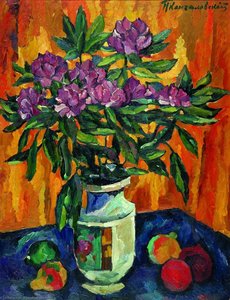
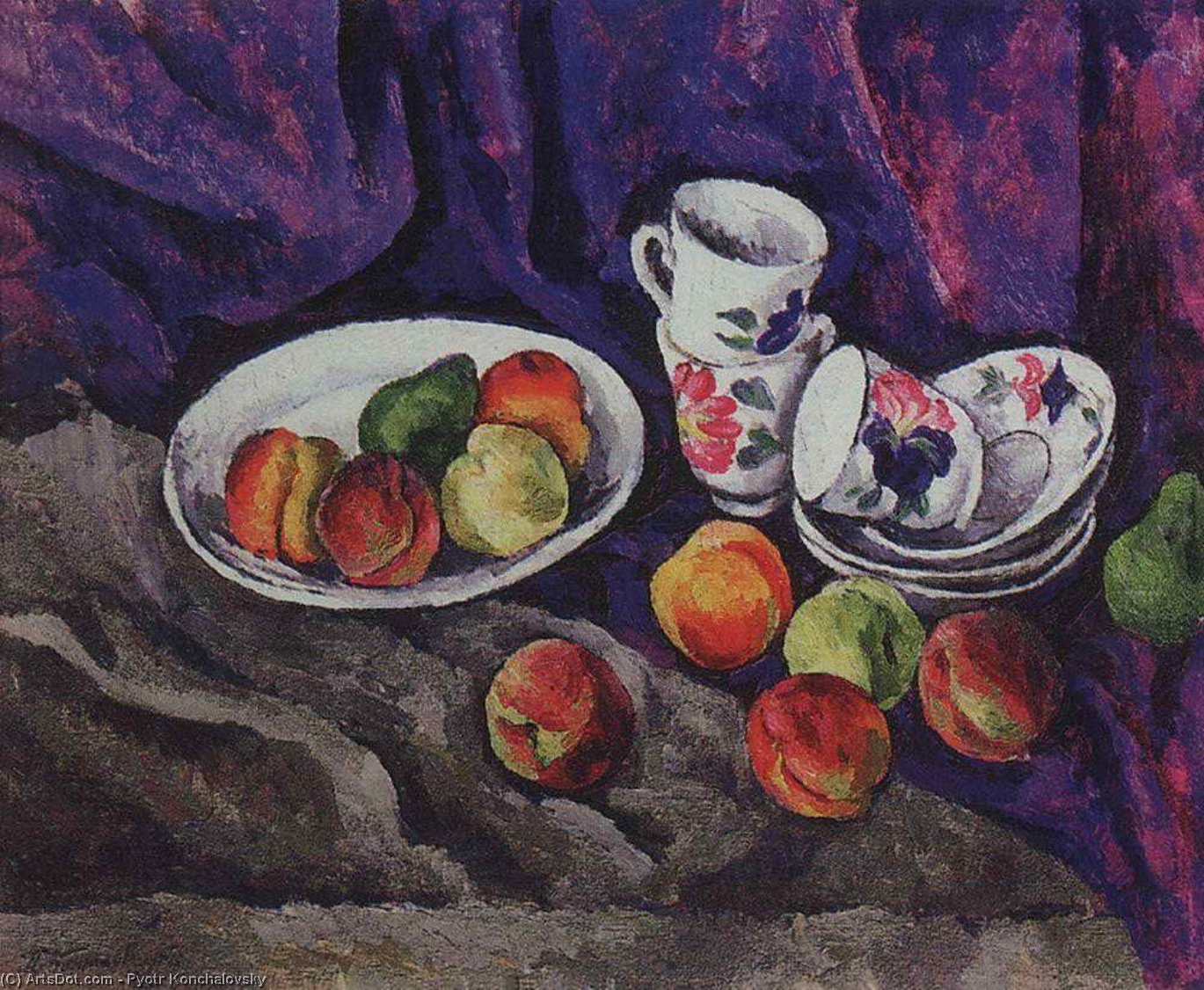
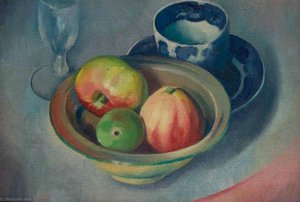
Still Life. Peaches.
 Oil On Canvas
- WallArt
- Fauvism
 1916
1916- Modern
 64.0 x 81.0 cm
 Read More
Hand Made Oil Reproduction
Hand-painted oil on canvas in your size and frame, made to order by our artists. ( Buy Print Buy Image)




P118B $10

P118H $10

P118W $10

P438Z $10

P508JH $12

P508YH $12

P805H $10

P805Z $10

P919BZ $10

P919G $10

P919XJ $10

P959ZH $10

P968JZ $12

W106C $8

W218G $10

W218JH $8

W218Y $10

W307PJ $10

W316G $10

W316PJ $8

W316Y $10

W398PJ $8

W4111J $10

W500HY $15

W500JH $15

W692G $12

W849H $8

W940BG $15

W953PJ $8




Pick from our preset sizes that match the artwork's original proportions.

You may enter your own dimensions to fit a specific frame or space. If your selected size does not match the original image's proportions, we will either crop the artwork or extend the painting with additional hand-painted elements. A digital mockup will be sent for your approval before production begins.
Please note that the on-screen preview does not reflect the actual cropping or extension. Only the mockup will accurately show the final composition.
While custom sizes are available, we recommend selecting a dimension from the predefined list to preserve the original proportions.
After order, ArtsDot.com team will email client for instructions and provide a mockup preview
Worldwide Delivery () in 3/4 weeks instead of standard 5 weeks. (17 August). No compromise on quality.

Free Worldwide Express Shipping

High-Quality Linen Canvas

Full Shipping Insurance

Customs Tax Refund Guarantee

True Color Matching Guarantee

60-Day Return Policy (Defects Only)

100% Money-Back Guarantee

Bulk Discount Offer
 Glass option is only available in size under 110 CM

Still Life. Peaches.
Reproduction Medium
Reproduction Size
-


Total Price
$ 263
Artwork Description
Still Life. Peaches.: A Vibrant Exploration of Color and Form
Pyotr Konchalovsky's "Still Life. Peaches," created in 1916, is a captivating example of Fauvism, an art movement celebrated for its bold use of color and expressive brushwork. This artwork, measuring 64 x 81 cm, transcends the traditional still life genre by imbuing everyday objects with a dynamic energy and emotional depth.
The Artist and His Style: A Pioneer of Russian Modernism
Pyotr Konchalovsky (1876-1956) was a pivotal figure in Russian art, recognized as a founding member of the "Jack of Diamonds" group. This collective championed avant-garde styles, seeking to modernize Russian art by embracing influences from Western European movements like Fauvism and Cubism. Konchalovsky's artistic journey reflects this evolution, moving from representational realism towards increasingly expressive and abstract forms. His work is characterized by a spontaneity and vitality that are particularly evident in "Still Life. Peaches." He was born in Slavianka, Kharkov Gubernia (now Ukraine) into an artistic family – his father being an art publisher. Konchalovsky’s early exposure to the world of art undoubtedly shaped his future career. He studied at the Imperial Academy of Arts in Saint Petersburg and later traveled to Paris to study at the Académie Julian.
Fauvism: A Revolution in Color
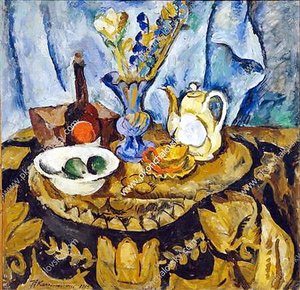
"Still Life. Peaches" exemplifies the core tenets of Fauvism, which translates literally as "wild beasts." This movement, flourishing in the early 20th century, rejected traditional academic approaches to color and form. Instead, Fauvist artists like Konchalovsky employed intense, non-naturalistic colors to convey emotion and create a visual impact. The painting features a bowl of peaches set against a deep purple background. These vibrant hues are not intended to accurately represent the objects' appearance but rather to evoke a feeling—a sense of warmth, ripeness, and perhaps even a touch of melancholy. The expressive brushstrokes further amplify this emotional intensity, adding texture and movement to the composition.
Composition and Symbolism
While seemingly simple in subject matter, "Still Life. Peaches" demonstrates a sophisticated understanding of composition. The arrangement of the peaches within the bowl creates a sense of balance and harmony, while the contrasting colors draw the viewer's eye across the canvas. The choice of peaches themselves carries symbolic weight; often associated with abundance, prosperity, and sensuality, they add another layer of meaning to the artwork. The inclusion of other elements like cups and saucers suggests an intimate domestic setting, inviting viewers to contemplate the quiet beauty of everyday life.
Emotional Impact and Legacy
"Still Life. Peaches" is more than just a depiction of fruit; it's a powerful expression of emotion through color and form. The painting’s vibrant palette and energetic brushwork create a dynamic visual experience that resonates with viewers long after they have looked away. Konchalovsky's work, including this striking still life, continues to inspire artists and art lovers alike, solidifying his place as a significant figure in the history of Russian modernism.
Related Artworks
Artist Biography
A Life Immersed in the Russian Artistic Spirit
Pyotr Petrovich Konchalovsky, born February 21, 1876, in the village of Slavianka near Kharkiv, was more than just a painter; he was a visual chronicler of a Russia undergoing profound transformation. His artistic journey mirrored the nation’s own tumultuous passage through revolution and ideological shifts, marked by a relentless search for new forms of expression. Konchalovsky's upbringing steeped him in an atmosphere rich with intellectual and creative currents. His father, Petr Petrovich Konchalovsky, was a respected translator and art publisher whose Moscow home became a vibrant hub frequented by leading artists of the era—Valentin Serov, Mikhail Vrubel, Vasily Surikov all graced their residence after the family’s move to the capital in 1889. This early exposure wasn't merely observational; it instilled within young Pyotr a deep appreciation for artistic expression and laid the foundation for his future path. Weekends spent absorbing the masterpieces at the Tretyakov Gallery proved formative, shaping his aesthetic sensibilities with the power of Russian masters.
From Parisian Influences to Avant-Garde Innovation
Konchalovsky’s formal training began at the Moscow School of Painting, Sculpture and Architecture, but a pivotal period followed in Paris from 1896 to 1898 at the Académie Julian. This immersion in the French art world proved transformative. He encountered the groundbreaking work of Paul Cézanne and Vincent van Gogh, artists who challenged conventional representation and explored new ways of perceiving form and color. A subsequent journey to Arles allowed him a deeper understanding of Van Gogh’s artistic vision—a pilgrimage into the heart of expressive intensity. Returning to Russia, he continued his studies at the Imperial Academy of Arts in Saint Petersburg, graduating in 1907. However, it was upon his return that Konchalovsky truly began to forge his own distinctive style. He became a central figure in the Russian avant-garde movement, co-founding the influential “Jack of Diamonds” (Knave of Diamonds) society in 1910. This group rejected academic traditions and championed experimentation, seeking inspiration not only from Western European modernism but also from Russia’s own folk art traditions—icons, tavern signs, and colorful popular prints known as *lubok*. As the first chairman of the group, Konchalovsky played a vital role in shaping its direction and promoting its radical ideas.
Navigating Shifting Ideologies: Style and Subject Matter
Konchalovsky’s artistic style evolved throughout his career, reflecting both personal exploration and the changing political climate of Russia. Initially influenced by Fauvism and Cézanne, his early works were characterized by bold colors, simplified forms, and a focus on structure. Paintings like “Still Life with a Coffeepot” exemplify this period, showcasing a vibrant palette and a dynamic composition. Following service in the Russian army during World War I, Konchalovsky’s style began to shift. The rise of Socialist Realism under the Soviet regime demanded art that served ideological purposes, celebrating socialist ideals and portraying prominent figures. While this represented a departure from his earlier avant-garde explorations, Konchalovsky adapted, becoming known for his ceremonial portraits. Despite these changes, he maintained a distinctive artistic voice, infusing even his more politically charged works with a sense of solidity and monumentality. Throughout his prolific career—estimated at over 5,000 works—he consistently explored still lifes, landscapes, and portraiture, demonstrating a remarkable versatility and dedication to his craft. He wasn’t simply conforming; he was finding ways to express his artistic sensibility within the constraints of a new era.
Legacy and Enduring Significance
Pyotr Konchalovsky’s contribution to Russian art is undeniable. He bridged the gap between early modernism and Socialist Realism, navigating complex political currents while remaining a significant artistic force. His first solo exhibition at the Tretyakov Gallery in 1922 solidified his reputation as one of Russia's leading artists. Beyond his own work, Konchalovsky fostered a family deeply involved in the arts; his son, Mikhail Petrovich Konchalovsky, became a renowned film director, and his daughter, Natalia Konchalovskaya, was an accomplished artist herself. His paintings are not merely aesthetically pleasing objects but historical documents, reflecting the tumultuous period in which they were created. They offer valuable insights into the evolution of Russian art and the challenges faced by artists operating within a rapidly changing society. Konchalovsky’s ability to adapt while maintaining a distinctive style cemented his place as a key figure in Russian art history, leaving behind a legacy that continues to inspire and captivate audiences today. His work stands as a testament to the resilience of artistic expression in the face of political upheaval, and his influence can still be seen in contemporary Russian art.
A Prolific Output: Key Themes & Subjects
Konchalovsky’s vast body of work reveals recurring themes and subjects that demonstrate his artistic preoccupations. Still lifes were a constant throughout his career, allowing him to explore form, color, and composition in a controlled environment. He often depicted everyday objects—fruits, flowers, dishes—imbuing them with a sense of weight and presence. Landscapes, particularly those inspired by his travels, also held a special place in his oeuvre, capturing the beauty and grandeur of the natural world. However, it was perhaps in portraiture that Konchalovsky truly excelled, creating compelling likenesses of his contemporaries, often imbued with psychological depth. His portraits ranged from intimate depictions of family members to grand ceremonial representations of Soviet officials. He also experimented with genre scenes and historical subjects, demonstrating a willingness to tackle diverse artistic challenges. The sheer volume of his work—over 5,000 pieces—is a testament to his tireless dedication and unwavering commitment to the art of painting. He was a master of observation, capable of transforming the mundane into something extraordinary through the power of his vision.
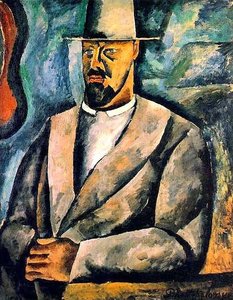
Pyotr Konchalovsky
1876 - 1956 , Russia
Quick Facts
- Artistic Movement Or Style: Avant-garde, Fauvism, Realism
- Artists Or Movements Influenced By This Artist: ['Russian Avant-garde']
- Artists Who Influenced This Artist:
- Paul Cézanne
- Vincent van Gogh
- Date Of Birth: February 21, 1876
- Date Of Death: 1956
- Full Name: Pyotr Petrovich Konchalovsky
- Nationality: Russian
- Notable Artworks:
- Landscape
- Still Life with Coffeepot
- Novgorodians
- Place Of Birth: Kharkiv, Russia
Related Articles
Ivan Bilibin: A Synthesis of Folklore, Modernism & National Identity in Russian Illustration
Explore the enchanting world of Ivan Bilibin, a master Russian illustrator who synthesized folklore, Art Nouveau & national identity. Discover his iconic fairy tale illustrations and legacy with ArtsDot.
Victor Vasnetsov: Myth, Nationalism & the Revival of Russian Fairy Tale Painting
Explore the captivating world of Victor Vasnetsov, a co-founder of Russian folklorist painting. Discover his iconic works, influence on national identity, and lasting legacy in this expert guide.
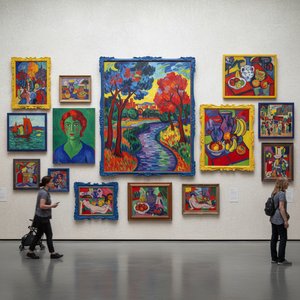
Fauvism's Bold Vision: 10 Masterpieces That Revolutionized Modern Art |
Explore the revolutionary world of Fauvism! Discover 10 masterpieces by Matisse, Derain & Vlaminck that defined this bold art movement. Find museum-quality reproductions and vibrant canvas prints to elevate your home decor at .
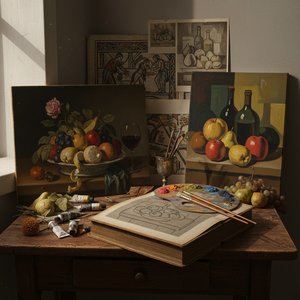
Silent Narratives: Exploring the Enduring Appeal of Still Life Painting Across Centuries
Explore the rich history of still life painting with ArtsDot. Discover Dutch Masters, decode vanitas symbolism & learn about collecting timeless art. Expert insights and museum-quality reproductions.
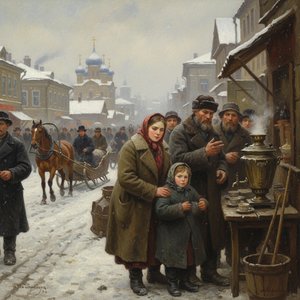
Vladimir Makovsky: Realism, Social Commentary & Russian Life in Late 19th-Century Painting
Explore the captivating world of Vladimir Makovsky, a leading Russian realist painter. Discover his insightful depictions of 19th-century life, social commentary & legacy with ArtsDot.