 Preview
 Send
Send Share
Share
 Details

 Download
 Similars
 X-Ray
X-Ray Diaporama
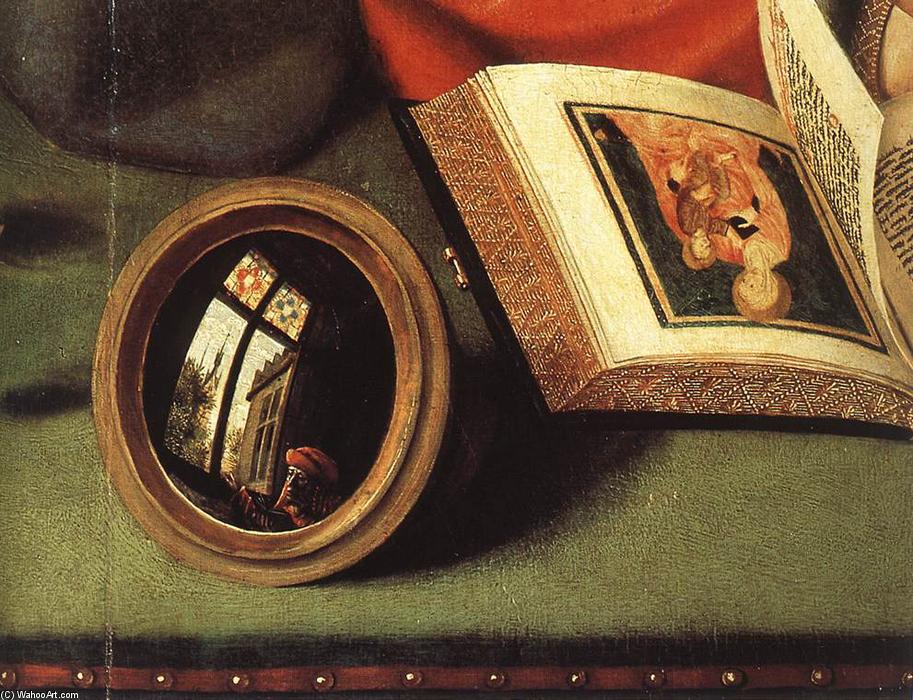
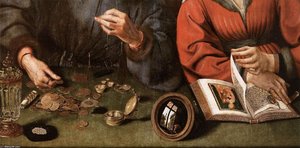
The Moneylender and his Wife (detail)


 Read More
Hand Made Oil Reproduction
Hand-painted oil on canvas in your size and frame, made to order by our artists. ( Buy Print Buy Image)




P118B $10

P118H $10

P118W $10

P438Z $10

P508JH $12

P508YH $12

P805H $10

P805Z $10

P919BZ $10

P919G $10

P919XJ $10

P959ZH $10

P968JZ $12

W106C $8

W218G $10

W218JH $8

W218Y $10

W307PJ $10

W316G $10

W316PJ $8

W316Y $10

W398PJ $8

W4111J $10

W500HY $15

W500JH $15

W692G $12

W849H $8

W940BG $15

W953PJ $8




Pick from our preset sizes that match the artwork's original proportions.

You may enter your own dimensions to fit a specific frame or space. If your selected size does not match the original image's proportions, we will either crop the artwork or extend the painting with additional hand-painted elements. A digital mockup will be sent for your approval before production begins.
Please note that the on-screen preview does not reflect the actual cropping or extension. Only the mockup will accurately show the final composition.
While custom sizes are available, we recommend selecting a dimension from the predefined list to preserve the original proportions.
After order, ArtsDot.com team will email client for instructions and provide a mockup preview
Worldwide Delivery () in 3/4 weeks instead of standard 5 weeks. (31 August). No compromise on quality.

Free Worldwide Express Shipping

High-Quality Linen Canvas

Full Shipping Insurance

Customs Tax Refund Guarantee

True Color Matching Guarantee

60-Day Return Policy (Defects Only)

100% Money-Back Guarantee

Bulk Discount Offer
 Glass option is only available in size under 110 CM

The Moneylender and his Wife (detail)
Reproduction Medium
Reproduction Size
-


Total Price
$ 263
A Glimpse into Renaissance Intimacy: The Detail of "The Moneylender and his Wife"
To gaze upon this detail from Quentin Massys's The Moneylender and his Wife is to be invited across the threshold of a meticulously preserved moment in time. It is not merely a fragment of paint on panel; it is a concentrated jewel box of Northern Renaissance life, rich with unspoken narratives and dazzling technical mastery. The scene, captured from the masterpiece housed in the Musée du Louvre, draws the eye immediately into the foreground objects—an open book, an enigmatic reflective surface, and the subtle presence of observers.
Massys, a pioneer of the Antwerp School, imbued his work with an almost microscopic attention to detail. This characteristic is palpable here; every gilt edge on the book’s cover, every minute crease in the visible pages, speaks to the period's profound reverence for tangible craftsmanship. The overall effect is one of intense, almost claustrophobic intimacy, pulling the modern viewer into the private sphere of 16th-century bourgeois life.
The Allure of Symbolism and Objecthood
What truly elevates this piece beyond mere portraiture are its symbolic props. Consider the open book itself; it suggests scholarship, perhaps even illicit knowledge, given the context of the moneylender. The cover, adorned with intricate patterns and a possible miniature portrait, hints at layers of meaning—a visual cipher only partially decipherable. Equally compelling is the round object to the left, functioning as either a magnifying glass or a small mirror. This reflective surface does more than just bounce light; it captures a secondary gaze. Within its reflection, we spy the profile of a bearded man in a striking red cap, an observer observing the scene within the book itself. This interplay between what is seen directly and what is glimpsed indirectly speaks volumes about perception, hidden truths, and the multifaceted nature of human observation.
Mastery of Northern Renaissance Technique
Technically speaking, this detail showcases the hallmarks of Flemish painting at its zenith. Massys employed oil paint with a luminosity that seems to defy centuries. The handling is characterized by an almost jewel-like saturation of color against a deep, velvety darkness in the background. This dramatic contrast—the illuminated foreground objects popping against the indistinct void—is a hallmark of the period's desire to focus narrative power through light. For collectors and designers alike, this level of painstaking detail translates beautifully into reproduction; one can almost feel the texture of the aged vellum or the cool metal of the reflective object.
An Echo for Modern Interiors
For those seeking art that anchors a space with intellectual depth rather than mere decoration, this piece offers profound resonance. It speaks to the collector who appreciates narrative complexity—the subtle suggestion over the overt declaration. Imagine this detail reproduced as a striking wall hanging or incorporated into bespoke furnishings; it brings an air of learned mystery and historical gravitas. It is art that invites conversation, prompting questions about what lies just beyond the visible frame, making any room imbued with its presence feel curated by history itself.
Related Artworks
Artist Biography
The Architect of the Antwerp School
In the vibrant, burgeoning landscape of the sixteenth-century Low Countries, few names resonate with as much foundational importance as Quentin Massys. Often heralded as the pioneer of the Antwerp School, Massys was a painter who bridged the gap between the meticulous, spiritual devotion of the Early Netherlandish tradition and the burgeoning humanism of the Northern Renaissance. Born around 1466 in Leuven, Belgium, his early life remains a tapestry of legend and historical fragments. It is widely whispered in art history that before he ever grasped a fine brush, he was trained as an ironsmith—a detail that lends a profound, tactile weight to his later mastery of texture and material. This background in metalworking likely instilled in him a unique reverence for the physical world, allowing him to render the sheen of silk, the cold glint of coin, and the weathered skin of humanity with unparalleled precision.
As he transitioned from the academic atmosphere of Leuven to the bustling commercial hub of Antwerp around 1490, Massys began to weave his own distinct thread into the fabric of Flemish art. His early training, potentially under the guidance of Dirk Bouts, connected him to the lineage of masters like Hans Memling and Rogier van der Weyden. From these predecessors, he inherited a devotion to verisimilitude—the pursuit of truth in representation. Yet, Massys was far from a mere imitator. While he maintained the exquisite detail characteristic of his ancestors, he infused his work with a new, burgeoning vitality and a willingness to explore the complexities of the human condition through both religious solemnity and biting social commentary.
A Mastery of Devotion and Satire
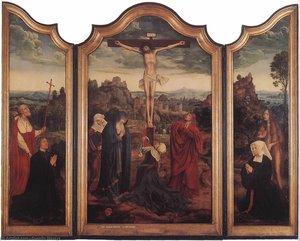
The brilliance of Massys lies in his remarkable ability to navigate two seemingly disparate worlds: the sacred and the profane. On one hand, his religious compositions serve as profound meditations on faith. In works such as Christ on the Cross with Donors, he captures the raw, emotional gravity of the crucifixion, utilizing a High Renaissance sensibility to present a scene that is both deeply moving and technically flawless. His ability to depict the divine through the lens of human suffering allowed his religious subjects to resonate with a visceral intimacy, making the spiritual palpable to the viewer.
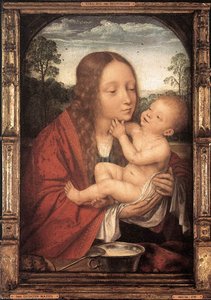
Conversely, Massys was a master of the satirical genre, using his brush to hold a mirror up to the shifting social morals of his era. He possessed a keen eye for the foibles of humanity, often creating scenes that blended realism with a subtle, mocking wit. This duality is perhaps most evident in his approach to portraiture and genre painting, where he could pivot from the serene beauty of a Virgin and Child to the more complex, morally layered depictions of contemporary life. His work often explored themes of greed, vanity, and the tension between material wealth and spiritual purity, making him a precursor to the great genre painters who would follow in the centuries to come.
Legacy and Artistic Significance
The historical significance of Quentin Massys cannot be overstated; he was the catalyst for an artistic revolution in Antwerp. By introducing new motifs and techniques while remaining anchored in the rich traditions of his homeland, he provided the blueprint for a school of painting that would dominate Flanders throughout the sixteenth century. His influence can be traced through the evolution of Northern European art, as he paved the way for a more expressive, observational style that embraced the complexities of the modernizing world.
Today, we remember Massys not just as a craftsman, but as a storyteller who captured the soul of an era. His legacy is preserved in the enduring power of his imagery:
- Technical Innovation: The seamless integration of metalworking-inspired precision with the fluid grace of Renaissance oil painting.
- The Antwerp School: Establishing a lasting artistic movement that prioritized both realism and moral narrative.
- Humanist Perspective: A unique ability to blend the profound sanctity of religious icons with the sharp, observational wit of social satire.
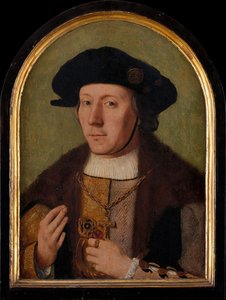
Quentin Massys
1466 - 1530 , Belgium
Quick Facts
- Artistic Movement Or Style: Antwerp School
- Artists Or Movements Influenced By This Artist: ['Hans Memling']
- Artists Who Influenced This Artist: ['Dirk Bouts']
- Date Of Birth: Leuven, Belgium (c. 1466)
- Date Of Death: 1530
- Full Name: Quentin Massys
- Nationality: Flemish
- Notable Artworks:
- St Anne Altarpiece
- The Moneylender and His Wife
- Place Of Birth: Leuven
Related Articles

The Enduring Legacy of Oil on Canvas: Technique, History & Aesthetic Impact
Explore the rich history & techniques of oil painting – from Renaissance masters to Impressionism. Discover pigments, layering methods, and why this timeless medium endures. Expert insights for artists & art enthusiasts.

Oil on Canvas: A Historical & Technical Exploration of a Timeless Artistic Medium
Explore the rich history & enduring techniques of oil painting on canvas. Discover the science behind its longevity, conservation practices, and contemporary relevance. Expert insights for art enthusiasts.

The Enduring Power of Painting: A Historical & Contemporary Exploration of Form and Emotion
Explore the rich history & enduring techniques of oil painting with ArtsDot. Discover masterpieces, learn about art collecting, and find authentic handmade reproductions crafted by skilled artists.

The Enduring Legacy of Oil on Canvas: Technique, History & Contemporary Practice
Explore the rich history & enduring techniques of oil painting on canvas. Discover the science behind its longevity, conservation practices, and contemporary relevance. Expert insights for art enthusiasts.
High Medieval Art: 10 Masterpieces That Shaped an Era | ArtsDot
Journey through High Medieval Art! Explore 10 iconic masterpieces – from Giotto's frescoes to stunning Gothic cathedrals. Discover the stories behind these timeless paintings, sculptures & illuminated manuscripts. Find museum-quality art reproductions at ArtsDot.com.