 Preview
 Send
Send Share
Share
 Details

 Download
 Similars
 X-Ray
X-Ray Diaporama
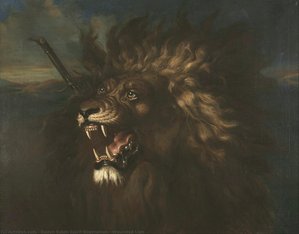
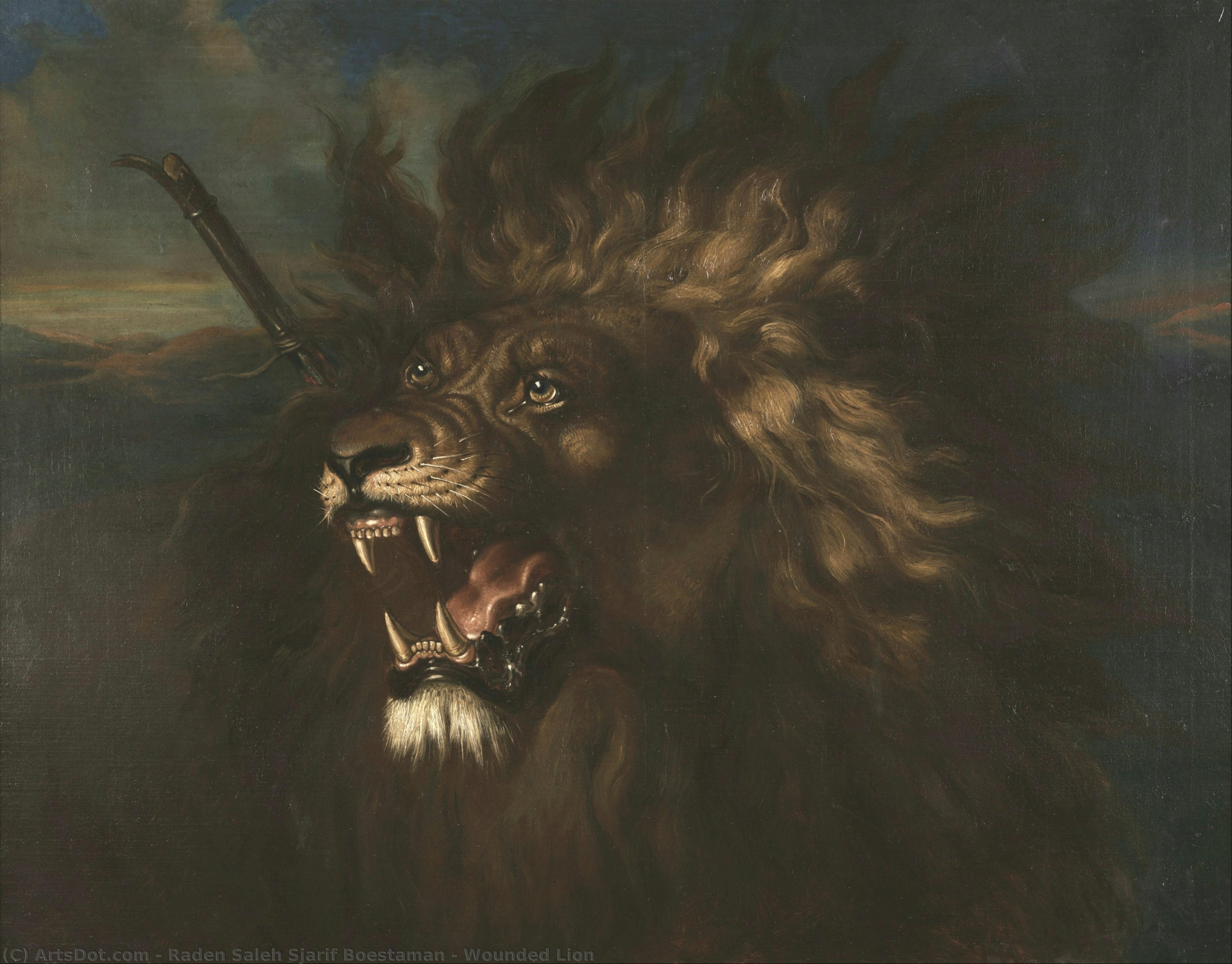
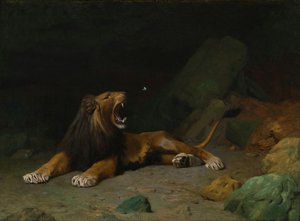
Wounded Lion
 Oil On Canvas
- WallArt
- Romanticism
 108.0 x 88.0 cm
 National Gallery Singapore
 Read More
Hand Made Oil Reproduction
Hand-painted oil on canvas in your size and frame, made to order by our artists. ( Buy Print Buy Image)




P118B $10

P118H $10

P118W $10

P438Z $10

P508JH $12

P508YH $12

P805H $10

P805Z $10

P919BZ $10

P919G $10

P919XJ $10

P959ZH $10

P968JZ $12

W106C $8

W218G $10

W218JH $8

W218Y $10

W307PJ $10

W316G $10

W316PJ $8

W316Y $10

W398PJ $8

W4111J $10

W500HY $15

W500JH $15

W692G $12

W849H $8

W940BG $15

W953PJ $8




Pick from our preset sizes that match the artwork's original proportions.

You may enter your own dimensions to fit a specific frame or space. If your selected size does not match the original image's proportions, we will either crop the artwork or extend the painting with additional hand-painted elements. A digital mockup will be sent for your approval before production begins.
Please note that the on-screen preview does not reflect the actual cropping or extension. Only the mockup will accurately show the final composition.
While custom sizes are available, we recommend selecting a dimension from the predefined list to preserve the original proportions.
After order, ArtsDot.com team will email client for instructions and provide a mockup preview
Worldwide Delivery () in 3/4 weeks instead of standard 5 weeks. (17 August). No compromise on quality.

Free Worldwide Express Shipping

High-Quality Linen Canvas

Full Shipping Insurance

Customs Tax Refund Guarantee

True Color Matching Guarantee

60-Day Return Policy (Defects Only)

100% Money-Back Guarantee

Bulk Discount Offer
 Glass option is only available in size under 110 CM

Wounded Lion
Reproduction Medium
Reproduction Size
-


Total Price
$ 263
Artwork Description
A Portrait of Sorrow: Raden Saleh’s “Wounded Lion”
The artwork "Wounded Lion," executed by Raden Saleh Syarif Bustaman in 1879, transcends mere representation; it embodies the spirit of Indonesian Romanticism and stands as a testament to Saleh's pioneering fusion of European artistic sensibilities with Javanese cultural heritage. This monumental oil painting – measuring 108 x 88 cm – captures an arresting image: a lion’s head and upper torso rendered in dramatic chiaroscuro, conveying profound sorrow and impending doom. Subject Matter and Composition Saleh's masterful composition centers on the lion itself, dominating the canvas with its imposing presence. The artist eschews conventional portraiture conventions, opting for an unflinching close-up that prioritizes emotional impact over idealized beauty. Instead of presenting a regal animal in splendor, Saleh portrays a creature ravaged by injury—a gaping wound visible on its flank—reflecting vulnerability and confronting mortality. This deliberate choice underscores the painting’s thematic core: it's not simply depicting an animal; it’s conveying a complex psychological state. The dark, indistinct background serves to amplify the lion’s form and intensify the somber mood, guiding the viewer’s gaze directly to the expressive face of the beast. Technique and Style Saleh’s technique exemplifies Romantic artistic principles. He employs impasto—thickly applied paint—creating palpable textural surfaces that reverberate with emotion. Visible brushstrokes cascade across the canvas, mirroring the lion's tormented musculature and conveying a sense of turbulent energy. The artist skillfully manipulates light and shadow, utilizing dramatic contrasts to sculpt the lion’s features and accentuate its wounds. This chiaroscuro technique – characteristic of Rembrandt and Caravaggio – imbues the painting with an aura of theatrical grandeur, enhancing its emotional resonance. Color palettes are muted, dominated by browns, blacks, and shades of green, mirroring the earthy tones prevalent in Javanese landscapes and subtly reinforcing the painting’s melancholic atmosphere. Historical Context and Symbolism Created during Saleh's formative years abroad, “Wounded Lion” reflects the burgeoning influence of European Romanticism on Indonesian art. The movement championed emotional intensity, dramatic narratives, and an engagement with sublime beauty—themes powerfully articulated in this artwork. Beyond its stylistic considerations, the lion itself carries significant symbolic weight. Traditionally revered as a symbol of strength and nobility, Saleh reimagines the animal’s image as wounded and vulnerable, representing not merely physical injury but also spiritual suffering and the inevitable decline of power. The gaping wound serves as a poignant reminder of mortality and underscores the painting's exploration of existential themes. Emotional Impact “Wounded Lion” commands attention through its visceral portrayal of pain and sorrow. Saleh’s masterful rendering captures the lion’s anguish with unflinching honesty, eliciting empathy from the viewer. The expressive face—characterized by furrowed brow, dilated pupils, and a palpable sense of despair—transmits an overwhelming feeling of vulnerability and impending doom. More than just a visual spectacle, this painting invites contemplation on themes of loss, resilience, and the confrontation with mortality – qualities that continue to resonate powerfully with audiences today. It remains a cornerstone of Indonesian art history, demonstrating Saleh’s enduring legacy as a visionary artist who dared to explore the depths of human emotion through the lens of Romantic idealism.Related Artworks

Artist Biography
The Dawn of Indonesian Modernism: The Life of Raden Saleh
In the grand tapestry of nineteenth-century art, few figures possess a narrative as evocative and culturally transformative as Raden Saleh Syarif Bustaman. Born around 1811 into a noble Hadhrami family on the island of Java, Saleh emerged not merely as a painter, but as a bridge between two worlds. His life was a profound journey of movement—from the lush, tropical landscapes of the Dutch East Indies to the sophisticated, intellectual salons of Europe. As the first recognized "modern" artist from Indonesia, he navigated the complexities of colonial identity with unparalleled grace, weaving together the dramatic intensity of European Romanticism with the deep-seated cultural rhythms of his Javanese heritage.
Saleh’s artistic odyssey began in Bogor, under the watchful and encouraging eye of the Belgian painter A.J. Payen. It was Payen who recognized a rare, burgeoning genius within the young student, eventually persuading the colonial authorities to facilitate Saleh's journey to the Netherlands. This transition from the East to the West marked the beginning of a transformative period of academic rigor. Immersed in the heart of European art education, Saleh studied under masters such as Cornelis Kruseman and Andreas Schelfhout. From Kruseman, he mastered the delicate nuances of portraiture, a skill that would later allow him to capture the dignity of both nobility and commoner alike. From Schelfhout, he learned the art of the landscape, absorbing the techniques required to render light, atmosphere, and depth with breathtaking precision.
A Symphony of Romanticism and Identity
As Saleh traversed the great cultural capitals of Europe—including Amsterdam, Paris, and even Alexandria—his work began to pulse with the energy of the Romantic movement. This era, characterized by an emphasis on emotion, individualism, and the sublime power of nature, found a perfect vessel in his brushwork. His canvases often depicted scenes of intense drama: wild animal encounters, turbulent storms, and the raw struggle for survival. Yet, beneath the surface-level spectacle of hunting scenes or battling beasts, there lay a sophisticated layer of symbolism. He utilized the European aesthetic to express a burgeoning sense of Indonesian identity, subtly asserting the strength and complexity of his homeland within the very language of the colonizer.
His achievements during this period were nothing short of extraordinary. Saleh became a figure of international distinction, earning the patronage of prestigious figures such as Ernest I, Duke of Saxe-Coburg and Gotha. His presence in European high society was so significant that he became the first indigenous Indonesian to be initiated into the Freemasonry in 1836, a testament to his intellectual standing and social integration. Whether painting a regal portrait or a sweeping vista of an erupting volcano, Saleh’s work possessed a unique dualism: it was technically indistinguishable from the finest European masters of his day, yet it breathed with a spirit that was unmistakably Javanese.
Legacy of a Visionary
The historical significance of Raden Saleh cannot be overstated. He did not simply adopt a foreign style; he reclaimed it, repurposing the tools of Western art to tell stories of his own people and landscape. His ability to synthesize the dramatic tension of Romanticism with the cultural nuances of the Dutch East Indies laid the groundwork for all Indonesian modern art that followed. Even as he moved through the elite circles of Europe, his heart remained tethered to the soil of Java, a connection visible in the light and life he breathed into every subject.
Today, we remember Raden Saleh not just as a master craftsman, but as a pioneer of cultural synthesis. His legacy is found in:
- The Birth of Modernity: Establishing the first formal bridge between Southeast Asian themes and Western academic techniques.
- Artistic Versatility: Mastering diverse genres ranging from intimate portraiture to epic, large-scale historical and animalier paintings.
- Cultural Diplomacy: Using his international fame to bring global attention to the beauty and complexity of the Indonesian archipelago during a period of colonial transition.
Through his brush, the wild landscapes of Java and the intense emotions of the human spirit were immortalized, ensuring that the name Raden Saleh remains etched forever in the annals of global art history.
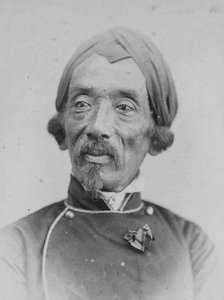
raden saleh sjarif boestaman
1811 - 1880 , Indonesia
Quick Facts
- Artistic Movement Or Style: Romanticism
- Artists Or Movements Influenced By This Artist: ['European Romantic Tradition']
- Artists Who Influenced This Artist: ['A.J. Payen']
- Date Of Birth: 1811
- Date Of Death: 1880
- Full Name: Raden Saleh Syarif Bustaman
- Nationality: Arab-Javanese
- Notable Artworks:
- Wounded Lion
- The Lion Hunt
- Place Of Birth: Tembong, Indonesia
Related Articles

The Enduring Legacy of Oil on Canvas: Technique, History & Aesthetic Impact
Explore the rich history & techniques of oil painting – from Renaissance masters to Impressionism. Discover pigments, layering methods, and why this timeless medium endures. Expert insights for artists & art enthusiasts.

Oil on Canvas: A Historical & Technical Exploration of a Timeless Artistic Medium
Explore the rich history & enduring techniques of oil painting on canvas. Discover the science behind its longevity, conservation practices, and contemporary relevance. Expert insights for art enthusiasts.

The Enduring Power of Painting: A Historical & Contemporary Exploration of Form and Emotion
Explore the rich history & enduring techniques of oil painting with ArtsDot. Discover masterpieces, learn about art collecting, and find authentic handmade reproductions crafted by skilled artists.
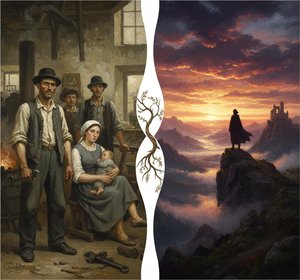
Romantic Realism's Finest: 10 Masterpieces for Your Home | ArtsDot
Explore 10 defining masterpieces of Romantic Realism! Discover Courbet, Millet & Daumier's powerful paintings—capturing emotion and social realities. Find museum-quality reproductions for your home at ArtsDot.com.

The Enduring Legacy of Oil on Canvas: Technique, History & Contemporary Practice
Explore the rich history & enduring techniques of oil painting on canvas. Discover the science behind its longevity, conservation practices, and contemporary relevance. Expert insights for art enthusiasts.