 Preview
 Send
Send Share
Share
 Details

 Download
 Similars
 X-Ray
X-Ray Diaporama
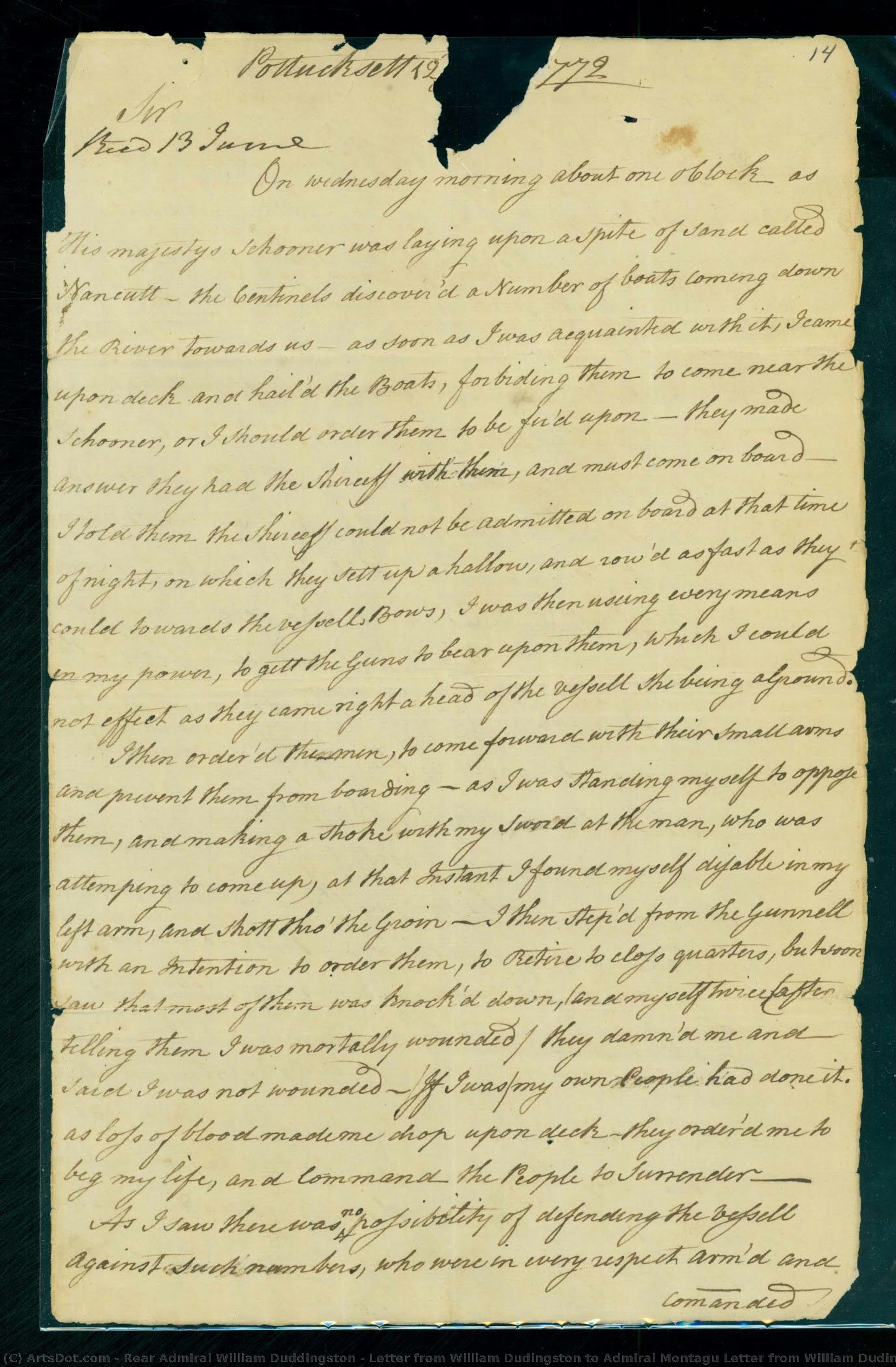
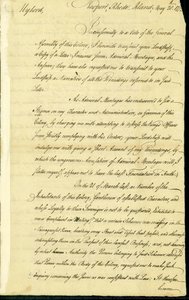
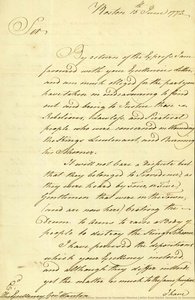
Letter from William Dudingston to Admiral Montagu Letter from William Dudingston to Admiral Montagu, page 1

 Read More
Giclée / Art Print
Museum-quality giclée or canvas print with fast production and flexible finish options. ( Buy Hand Made Painting Buy Image)




































Pick from our preset sizes that match the artwork's original proportions.

You may enter your own dimensions to fit a specific frame or space. If your selected size does not match the original image's proportions, we will either crop the artwork or extend the image with a mirrored or solid-fill edge. A digital mockup will be sent for your approval before production begins.
Please note that the on-screen preview does not reflect the actual cropping or extension. Only the mockup will accurately show the final composition.
While custom sizes are available, we recommend selecting a dimension from the predefined list to preserve the original proportions.
Worldwide Delivery () in 2 weeks instead of standard 4/5 weeks. (21 August)

Free Worldwide Express Shipping

High-Quality Linen Canvas

Full Shipping Insurance

Customs Tax Refund Guarantee

True Color Matching Guarantee

60-Day Return Policy (Defects Only)

100% Money-Back Guarantee

Bulk Discount Offer
 Glass option is only available in size under 110 CM

Letter from William Dudingston to Admiral Montagu Letter from William Dudingston to Admiral Montagu, page 1
Giclée / Art Print
Reproduction Size
-


Total Price
$ 63
Collectible Description
Related Artworks


Artist Biography
Rear Admiral William Duddingston: The Gaspee Affair and the Crucible of American Independence
William Duddingston (1740–1817) stands as a singular figure in British naval history, inextricably linked to one of the most pivotal moments preceding the American Revolution – the Gaspee Affair. More than just a commander embroiled in controversy, Duddingston embodies the ambition and pragmatism of his era, shaping the trajectory of Anglo-American relations through audacious action and enduring legacy.Early Life and Naval Beginnings
Born November 1740 in Kilconquhar Parish, Fife, Scotland, William Duddingston descended from a family steeped in Scottish gentry tradition. His father, James Duddingston, possessed considerable estates and represented the established order of his time—a lineage that instilled in Duddingston a sense of duty and responsibility. Following service as a merchant seaman on the Fife coast from 1752 to 1755, he joined the Royal Navy at the age of fifteen, demonstrating an early inclination towards maritime pursuits. His lieutenant’s examination in June 1759 marked a formal step into naval service, propelling him toward increasingly prominent roles within the British fleet.The Gaspee Affair: A Calculated Risk
Duddingston's career took its defining turn in September 1768 when he received command of HMS Gaspee—a decision fraught with political implications. Recognizing the burgeoning tensions between Britain and America over taxation disputes, Duddingston skillfully leveraged his position to pursue a bold strategy: intercepting illegal smuggling operations along the Rhode Island coast. This initiative wasn’t merely about upholding maritime law; it was a calculated gamble aimed at destabilizing colonial resistance and asserting British dominance. The Gaspee Affair unfolded dramatically in June 1772 when Duddingston's vessel engaged the American sloop Hannah, Lindsey, resulting in the grounding of the Gaspee on Sandbar Shoal. Amidst escalating hostility from Rhode Island colonists—fueled by resentment over perceived British arrogance—Duddingston’s crew faced imprisonment and a fiery confrontation with local militia. The subsequent burning of the Gaspee solidified Duddingston's reputation as a controversial commander, yet simultaneously underscored his unwavering commitment to upholding naval authority.Service During the American Revolution
The outbreak of hostilities in April 1775 propelled Duddingston into the forefront of the American Revolutionary War effort. He commanded HMS Senegal from January 1775 until July 1776, participating in the Staten Island Landings—a daring maneuver designed to bolster British defenses against advancing rebel forces. Duddingston’s involvement extended beyond strategic deployments; he oversaw the capture of HMS Boston in September 1777—a triumph that symbolized Britain's determination to crush American independence aspirations. Throughout his naval career, Duddingston consistently demonstrated courage and resilience, navigating perilous waters both literally and figuratively as he championed British interests amidst escalating conflict.Later Life and Legacy
Following his retirement around 1805, Duddingston secured substantial wealth through investments—primarily Earlsferry House in Fife and a grand townhouse at 4 Heriot Row, Edinburgh. Earlsferry House, commissioned by Duddingston himself, stands as a testament to his ambition and refined taste—a symbol of the aristocratic grandeur that characterized his later years. He married Antonia Steuart in Elie Parish Church in November 1802, establishing a family rooted in Scottish tradition. Duddingston’s children included Elizabeth Hay Duddingston, William Montague Duddingston, and Susan Stirling Duddingston—each inheriting a legacy of naval service and aristocratic distinction. Duddingston passed away October 27th, 1817 at Earlsferry House, leaving behind an indelible mark on Scottish society. His enduring fame rests not merely on his military accomplishments but also on the symbolic representation of Scotland's maritime heritage—a connection that continues to resonate through history.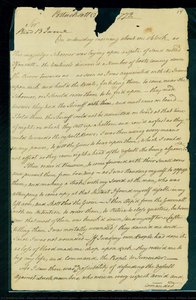
rear admiral william duddingston
1740 - 1817 , Scotland
Quick Facts
- Date Of Death: 1817
- Full Name: William Duddingston
- Nationality: Scottish
- Notable Artworks: ['Gaspee Affair']
- Place Of Birth: Kilconquhar, Fife, Scotland