 Preview
 Send
Send Share
Share
 Details

 Download
 Similars
 X-Ray
X-Ray Diaporama
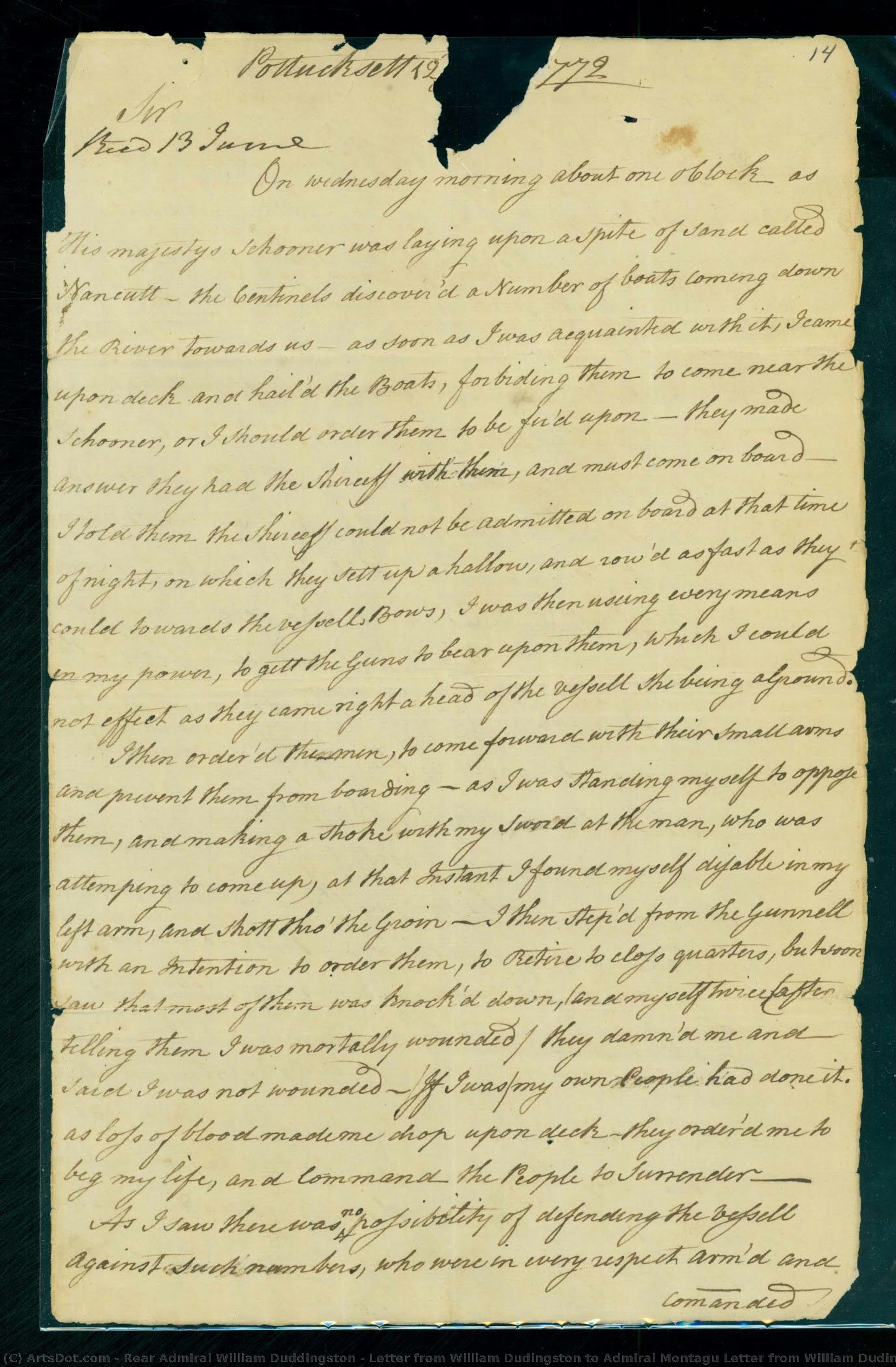
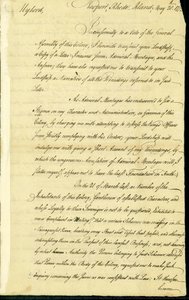
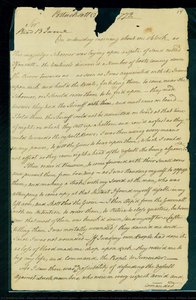
Letter from William Dudingston to Admiral Montagu Letter from William Dudingston to Admiral Montagu, page 1

 Read More
Giclée / Art Print
Museum-quality giclée or canvas print with fast production and flexible finish options. ( Buy Hand Made Painting Buy Image)




































Pick from our preset sizes that match the artwork's original proportions.

You may enter your own dimensions to fit a specific frame or space. If your selected size does not match the original image's proportions, we will either crop the artwork or extend the image with a mirrored or solid-fill edge. A digital mockup will be sent for your approval before production begins.
Please note that the on-screen preview does not reflect the actual cropping or extension. Only the mockup will accurately show the final composition.
While custom sizes are available, we recommend selecting a dimension from the predefined list to preserve the original proportions.
Worldwide Delivery () in 2 weeks instead of standard 4/5 weeks. (24 August)

Free Worldwide Express Shipping

High-Quality Linen Canvas

Full Shipping Insurance

Customs Tax Refund Guarantee

True Color Matching Guarantee

60-Day Return Policy (Defects Only)

100% Money-Back Guarantee

Bulk Discount Offer
 Glass option is only available in size under 110 CM

Letter from William Dudingston to Admiral Montagu Letter from William Dudingston to Admiral Montagu, page 1
Giclée / Art Print
Reproduction Size
-


Total Price
$ 63
Collectible Description
Related Artworks



Artist Biography
The Commander of the Storm: The Life and Legacy of Rear Admiral William Duddingston
In the grand, turbulent tapestry of the eighteenth century, few figures embody the friction between imperial authority and colonial rebellion as vividly as Rear Admiral William Duddingston. Born in November 1740 within the quiet, rolling landscapes of Kilconquhar Parish, Fife, Scotland, Duddingston was a man destined for the sea, yet his life would become inextricably woven into the political tremors that preceded the American Revolution. As the third son of James Duddingston and Margaret Gillespie, he emerged from a lineage of Scottish gentry, a background that instilled in him a profound sense of duty to the British Crown—a duty that would eventually place him at the center of one of history's most explosive maritime confrontations.
Duddingston’s journey toward naval prominence began not in the halls of academia, but on the rugged Fife coast. Between 1752 and 1755, he served as a merchant seaman, gaining a visceral understanding of the tides and currents that would later define his command. This early immersion in maritime life paved the way for his formal entry into the Royal Navy at the tender age of fifteen. By June 1759, having passed his lieutenant’s examination, Dudding and his contemporaries were part of a burgeoning naval force tasked with maintaining the vast, often contested, reaches of the British Empire. His ascent through the ranks was marked by a disciplined adherence to naval tradition and an increasing mastery of the strategic complexities inherent in maritime law enforcement.
The Gaspee Affair: A Crucible of Conflict
The defining chapter of Duddingston’s career arrived in September 1768, when he was granted command of the HMS Gaspee. This period was characterized by a delicate and dangerous dance of diplomacy and enforcement along the Rhode Island coast. Tasked with patrolling waters to prevent the smuggling of contraband goods—a practice essential to the colonial economy but viewed as illegal by the British Crown—Duddingston found himself navigating more than just treacherous shallows; he was navigating a political minefield. The incentive structure of the era, which awarded crews a percentage of seized goods, often led to overzealous enforcement, heightening the resentment of local merchants and the burgeoning Sons of Liberty.
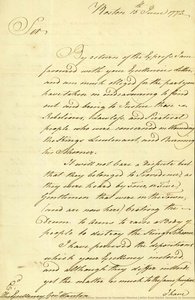
The tension reached its breaking point on the night of June 9, 1772. In a dramatic pursuit of the American sloop Hannah, commanded by Benjamin Lindsey, the Gaspee was lured into the shallow waters near Sandbar Shoal. The vessel ran aground, leaving Duddingston and his crew vulnerable to the fury of colonial resistance. This event, known historically as the Gaspee Affair, was not merely a naval mishap but a catalyst for revolution. As the ship was ultimately destroyed by rebels, Duddingston himself was captured and taken prisoner, an indignity that underscored the shifting tides of power in the Atlantic world. His subsequent attempts to defend his actions through correspondence, such as his letters to Admiral Montagu, reveal a commander struggling to reconcile his professional obligations with the escalating chaos of a colony on the brink of independence.
A Legacy Written in Salt and Smoke
Though often remembered through the lens of controversy, the historical significance of Rear Admiral William Duddingston extends far beyond the wreckage of a single schooner. He represents the quintessential officer of the British maritime establishment—a man caught between the rigid mandates of an empire and the irrepressible spirit of colonial autonomy. His life serves as a poignant study of how individual actions, even those driven by a sense of lawful duty, can inadvertently ignite the flames of global transformation.
To reflect upon Duddingston is to contemplate the following historical echoes:
- The Intersection of Law and Rebellion: His command illustrates the volatile nature of maritime enforcement during periods of intense taxation disputes.
- The Human Element of Command: Through his personal history, we see the transition from a Scottish merchant seaman to a high-ranking naval officer shaped by imperial necessity.
- A Catalyst for Revolution: The destruction of the Gaspee under his command remains one of the most significant precursors to the American War of Independence, marking a point of no return in Anglo-American relations.
Ultimately, Duddingston’s story is one of duty, tragedy, and the inescapable momentum of history. He remains a figure of profound interest for those seeking to understand the maritime foundations upon which the modern Atlantic world was built.
rear admiral william duddingston
1740 - 1817 , Scotland
Quick Facts
- Date Of Death: 1817
- Full Name: William Duddingston
- Nationality: Scottish
- Notable Artworks: ['Gaspee Affair']
- Place Of Birth: Kilconquhar, Fife, Scotland