 Preview
 Send
Send Share
Share
 Details

 Download
 Similars
 X-Ray
X-Ray Diaporama
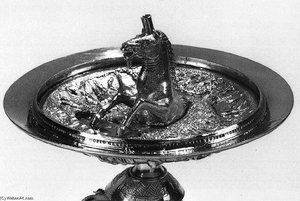
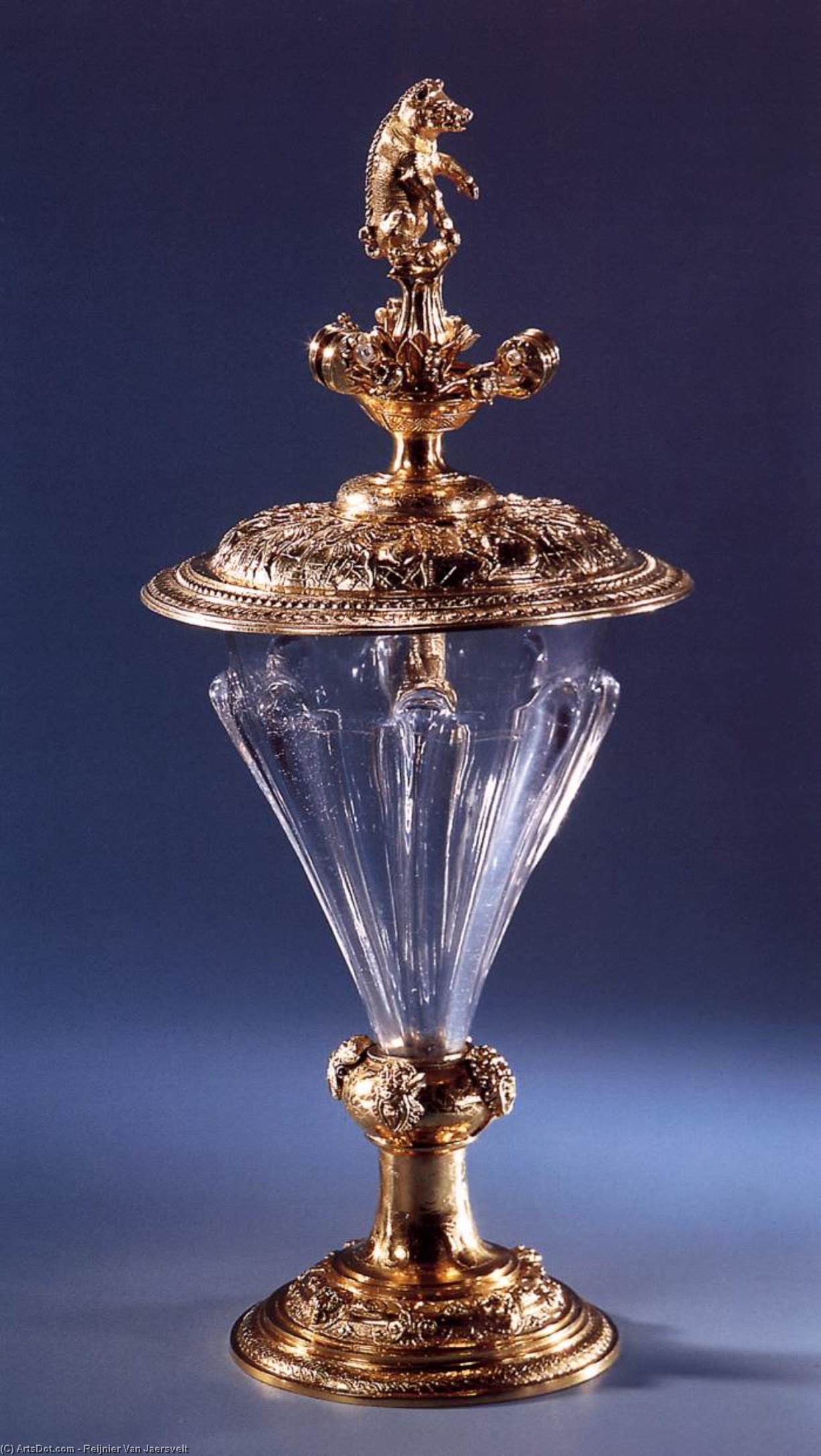
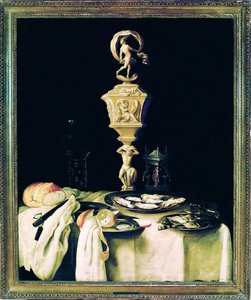
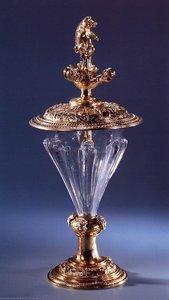
Covered goblet


 Read More
Hand Made Oil Reproduction
Hand-painted oil on canvas in your size and frame, made to order by our artists. ( Buy Print Buy Image)




P118B $10

P118H $10

P118W $10

P438Z $10

P508JH $12

P508YH $12

P805H $10

P805Z $10

P919BZ $10

P919G $10

P919XJ $10

P959ZH $10

P968JZ $12

W106C $8

W218G $10

W218JH $8

W218Y $10

W307PJ $10

W316G $10

W316PJ $8

W316Y $10

W398PJ $8

W4111J $10

W500HY $15

W500JH $15

W692G $12

W849H $8

W940BG $15

W953PJ $8




Pick from our preset sizes that match the artwork's original proportions.

You may enter your own dimensions to fit a specific frame or space. If your selected size does not match the original image's proportions, we will either crop the artwork or extend the painting with additional hand-painted elements. A digital mockup will be sent for your approval before production begins.
Please note that the on-screen preview does not reflect the actual cropping or extension. Only the mockup will accurately show the final composition.
While custom sizes are available, we recommend selecting a dimension from the predefined list to preserve the original proportions.
After order, ArtsDot.com team will email client for instructions and provide a mockup preview
Worldwide Delivery () in 3/4 weeks instead of standard 5 weeks. (21 August). No compromise on quality.

Free Worldwide Express Shipping

High-Quality Linen Canvas

Full Shipping Insurance

Customs Tax Refund Guarantee

True Color Matching Guarantee

60-Day Return Policy (Defects Only)

100% Money-Back Guarantee

Bulk Discount Offer
 Glass option is only available in size under 110 CM

Covered goblet
Reproduction Medium
Reproduction Size
-


Total Price
$ 263
Artwork Description
A Masterpiece of Flemish Detail: Reijnier van Jaersvelt’s Covered Goblet
Reijnier van Jaersvelt (1528-1576) stands as a beacon of artistic excellence within Antwerp’s vibrant Renaissance milieu, securing his place amongst the foremost still life painters of his era. His oeuvre embodies the meticulous observation and profound symbolic depth that characterized Flemish art during this transformative period—a testament to the city's unparalleled commitment to craftsmanship and intellectual advancement. Unlike many artists of his time who focused on grand narratives or monumental portraits, Jaersvelt dedicated himself to capturing the subtle beauty of everyday objects rendered with breathtaking precision, elevating them into vehicles for contemplation and conveying moral lessons. His formative years were spent under the tutelage of Pieter Bruegel the Elder, whose influence is undeniably evident in Jaersvelt’s stylistic choices—particularly his penchant for depicting scenes from rural life imbued with evocative storytelling. However, Jaersvelt swiftly distinguished himself as an independent artist, forging a path marked by exceptional technical skill and a masterful grasp of perspective and chiaroscuro – techniques that allowed him to illuminate the textures and nuances of light and shadow with remarkable sensitivity. This dedication to realism wasn’t merely stylistic; it reflected a broader humanist conviction that understanding the natural world was crucial for grasping human experience. The “Covered Goblet,” executed circa 1546, exemplifies this artistic ethos perfectly. It's not simply an object depicted; it’s a carefully constructed microcosm of Renaissance ideals—a testament to the skill and artistry of Antwerp’s goldsmiths during a golden age for Flemish art. The goblet itself is crafted from crystal, chosen for its clarity and ability to refract light, mirroring Jaersvelt’s meticulous attention to detail and his desire to convey beauty through visual representation. Its surface gleams with polished brilliance, highlighting the subtle variations in color and texture—a feat of craftsmanship that speaks volumes about the artistic standards of the time.- Material: Crystal Body & Gold Cover
- Artist: Reijnier van Jaersvelt
- Date: Circa 1546
- Style: Flemish Renaissance Still Life
Related Artworks
Artist Biography
The Radiant Legacy of Reijnier van Jaersvelt
In the bustling, creative heart of sixteenth-century Antwerp, a period defined by unparalleled artistic flourishing and intellectual curiosity, Reijnier van Jaersvelt emerged as a master of exquisite detail. Born in 1528, Jaersvelt’s life coincided with the height of the Flemish Renaissance, an era where the boundaries between fine art and masterful craftsmanship were beautifully blurred. While history often remembers the grand narratives of painters, Jaersvelt carved out a unique niche by focusing his gaze on the intimate, the minute, and the profound beauty found within the smallest corners of the natural world.
The foundations of his artistry were likely laid under the watchful eye of Pieter Bruegel the Elder. From this legendary predecessor, Jaersvelt inherited a deep appreciation for the storytelling potential of everyday scenes and a penchant for imbuing even the simplest subjects with moral weight. However, he was far from a mere imitator. As his career progressed, Jaersvelt developed a distinctive voice characterized by an extraordinary command of chiaroscuro and perspective. He possessed a rare ability to manipulate light and shadow, allowing him to breathe life into textures—the velvet softness of a petal, the cold glint of precious metal, or the translucent skin of a ripening fruit.
A Master of Metal and Still Life
Though often celebrated in the context of still life painting, Jaersvelt’s true genius lay in his dual mastery of the painterly and the sculptural. He was, in essence, one of Antwerp’s most significant goldsmiths, a title that informs the incredible technical precision found in his work. His ability to render the physical properties of materials—the way light refracts through crystal or the heavy luster of gilded silver—elevated his compositions from mere decorations to breathtaking meditations on reality.
His most iconic achievement, the Covered Goblet (executed circa 1546-47), serves as a testament to this extraordinary skill. Created for Philip II, this masterpiece is not merely an object of luxury but a complex tapestry of symbolism and technical prowess. Through his work, we see:
- The masterful use of gilding and enamel techniques that brought a sense of divine splendor to civil objects.
- A profound understanding of materiality, utilizing pearls, glass, and gilt silver to create a microcosm of Renaissance ideals.
- The integration of floral motifs that symbolized both the wealth of the era and the fleeting nature of beauty.
Symbolism and the Human Experience
Beyond the technical brilliance, Jaersvelt’s oeuvre—comprising approximately 150 works—functions as a silent dialogue on the human condition. His still lifes, featuring insects, flowers, and fruits, were never purely aesthetic pursuits. Instead, they served as memento mori, subtle reminders of mortality and the interconnectedness of all living things. In the delicate vein of a leaf or the slight decay of a piece of fruit, Jaersvelt captured the tension between the eternal and the ephemeral.
This focus on empirical observation was deeply rooted in the Humanist ideals of his time, which prioritized the study of the natural world as a pathway to understanding the divine. By elevating the mundane to the level of high art, Reijnier van Jaersvelt ensured that his legacy would endure not just as a craftsman of luxury, but as a profound observer of life’s fleeting splendors. His contribution remains a cornerstone of Flemish artistry, reminding us that there is infinite complexity to be found in the smallest of things.
reijnier van jaersvelt
1528 - 1576 , Belgium
Quick Facts
- Artistic Movement Or Style: Northern Renaissance
- Date Of Birth: 1528
- Full Name: Reijnier van Jaersvelt
- Nationality: Flemish
- Notable Artworks:
- Covered Goblet
- Interior of the Cover
- Place Of Birth: Antwerp, Belgium
Related Articles
The Allure of Gold in Art History: Symbolism, Technique & Cultural Significance
Explore the rich history of gold in art! Discover symbolism, techniques & cultural significance from ancient civilizations to Klimt's masterpieces. Expert insights for collectors at ArtsDot.
Golden Masterpieces: 10 Paintings That Define Art History | ArtsDot
Explore 10 breathtaking paintings where gold leaf shines! From Klimt to Byzantine icons, discover art history’s most gilded masterpieces. Find museum-quality reproductions & elevate your home decor with ArtsDot. Explore the full collection online.
Golden Glow: How to Use Metallic Gold Artworks to Elevate Your Home Decor with Timeless Luxury
Discover how to elevate your home with the timeless elegance of metallic gold artworks. From sculptural metal pieces to gilded oil paintings, learn expert interior design tips for integrating luxurious gold accents into your space with sophistication and grace.
25 Klimt Masterpieces: A Journey Through Iconic Art & Decor
Delve into the world of Gustav Klimt with our top 25 masterpieces! Explore his iconic paintings – 'The Kiss,' 'Portrait of Adele,' and more. Discover museum-quality reproductions & curated decor ideas. Explore the full collection online at ArtsDot.com.
Silent Narratives: Exploring the Enduring Appeal of Still Life Painting Across Centuries
Explore the rich history of still life painting with ArtsDot. Discover Dutch Masters, decode vanitas symbolism & learn about collecting timeless art. Expert insights and museum-quality reproductions.