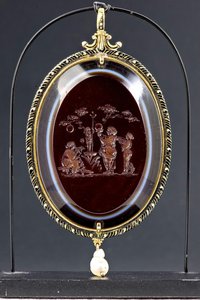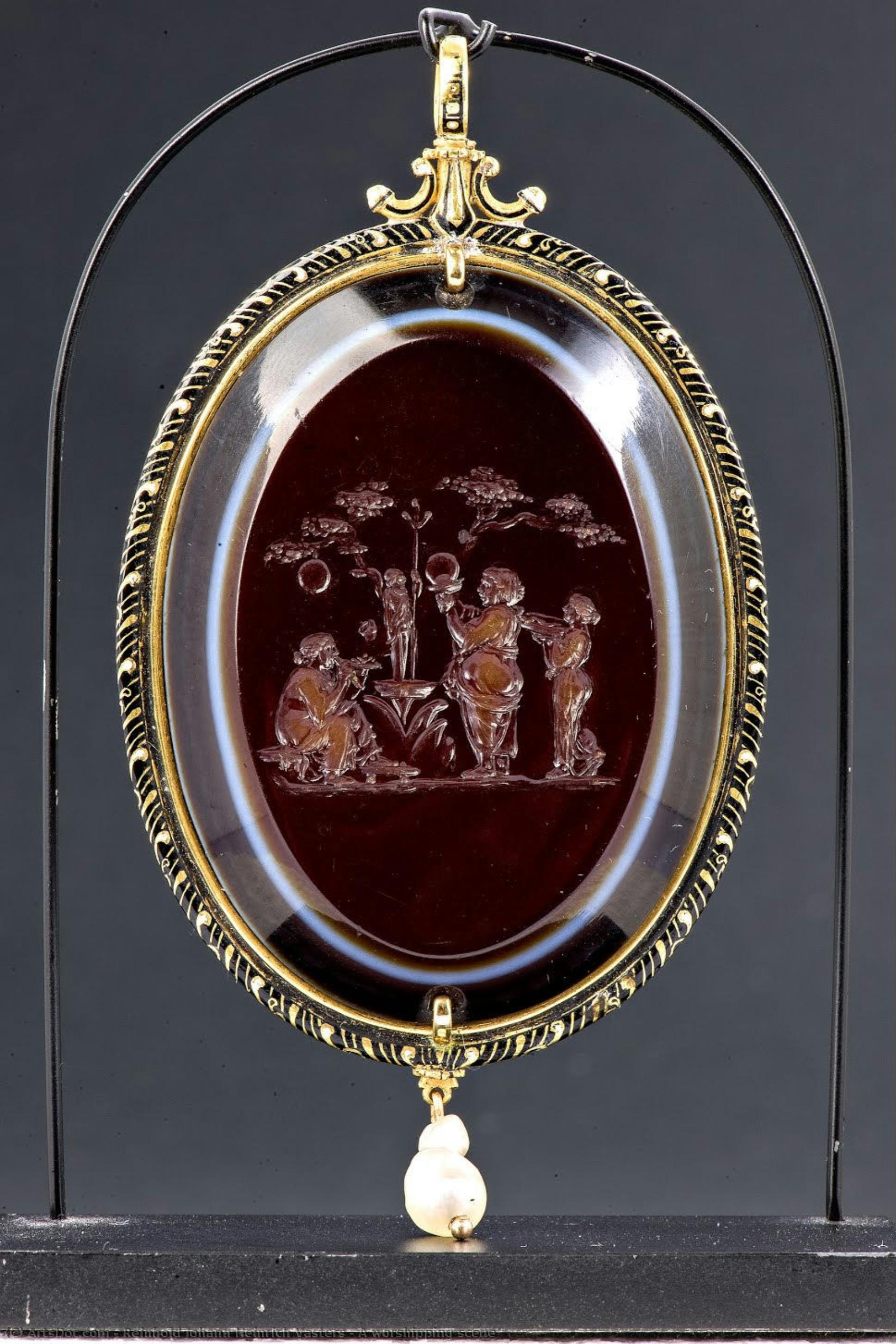
 Preview
 Send
Send Share
Share
 Details

 Download
 Similars
 X-Ray
X-Ray Diaporama
A worshipping scene

 Read More
Giclée / Art Print
Museum-quality giclée or canvas print with fast production and flexible finish options. ( Buy Hand Made Painting Buy Image)




































Pick from our preset sizes that match the artwork's original proportions.

You may enter your own dimensions to fit a specific frame or space. If your selected size does not match the original image's proportions, we will either crop the artwork or extend the image with a mirrored or solid-fill edge. A digital mockup will be sent for your approval before production begins.
Please note that the on-screen preview does not reflect the actual cropping or extension. Only the mockup will accurately show the final composition.
While custom sizes are available, we recommend selecting a dimension from the predefined list to preserve the original proportions.
Worldwide Delivery () in 2 weeks instead of standard 4/5 weeks. (25 August)

Free Worldwide Express Shipping

High-Quality Linen Canvas

Full Shipping Insurance

Customs Tax Refund Guarantee

True Color Matching Guarantee

60-Day Return Policy (Defects Only)

100% Money-Back Guarantee

Bulk Discount Offer
 Glass option is only available in size under 110 CM

A worshipping scene
Giclée / Art Print
Reproduction Size
-


Total Price
$ 63
Related Artworks







Artist Biography
The Deceptive Mastery of Reinhold Vasters: A Life Forged in Imitation
Reinhold Johann Heinrich Vasters, born in Erkelenz near Aachen, Germany, in 1827 and passing away in 1909, occupies a peculiar and fascinating niche in art history. He wasn’t celebrated for originating groundbreaking styles or capturing the zeitgeist of an era through innovative vision; rather, he became infamous – posthumously – as one of the most prolific and skilled art forgers of the 19th century. His story is not one of ambition to create, but of a remarkable talent employed in replication, deception, and ultimately, the blurring of lines between authenticity and artistry. Initially trained as a goldsmith, Vasters demonstrated an early aptitude for meticulous detail and technical precision – skills that would later serve him well in his clandestine career. He received formal training in Krefeld before expanding his expertise through studies in London, Paris, and Vienna, even earning recognition at the Great Exhibition of 1851. Returning to Aachen, he established himself as a respected craftsman specializing in antique liturgical gold and silverwork, building a reputation for restoring and recreating pieces with uncanny accuracy.From Craftsman to Connoisseur’s Fool
The turning point in Vasters' life came after the untimely death of his wife in 1859. Faced with supporting his family, he began accepting commissions to produce reproductions of historical artworks. This initially innocent endeavor soon morphed into something far more ambitious and ethically questionable. Working under the guidance of art historian Franz Bock and goldsmiths August Witte and Martin Vogeno, Vasters honed his ability to not merely copy, but to *become* the artists he imitated. His most significant patron was Frédéric Spitzer, a Viennese art dealer who recognized Vasters’ exceptional talent for creating convincing fakes. Spitzer provided him with a steady stream of commissions and facilitated the sale of these deceptive works to unsuspecting collectors. The scale of his operation was astonishing; Vasters didn't simply reproduce existing paintings or sculptures – he created entirely new pieces *in the style* of Renaissance masters, complete with fabricated provenances designed to bolster their authenticity.The Rosigliosi Cup and the Unmasking of a Forger
Vasters’ most notorious creation was undoubtedly the Rosigliosi Cup, a magnificent silver vessel initially attributed to the renowned Renaissance goldsmith Benvenuto Cellini. The cup captivated collectors for decades, lauded as a masterpiece of Italian artistry. However, in the 1960s, meticulous research and stylistic analysis revealed the shocking truth: the Rosigliosi Cup was not a product of the 16th century but a forgery crafted by Reinhold Vasters in the 19th. This discovery sent ripples through the art world, forcing a reassessment of numerous works previously attributed to celebrated Renaissance artists. The cup now resides at the Metropolitan Museum of Art in New York, displayed not as an example of Cellini’s genius, but as a testament to Vasters' extraordinary skill and the dangers of unchecked connoisseurship.A Legacy of Skill and Controversy
The revelation of Vasters’ forgeries didn’t diminish his technical prowess; instead, it cemented his place in art history as a master imitator. His ability to replicate the styles of various Renaissance artists with such precision was – and remains – astonishing. He wasn't simply copying brushstrokes or sculpting techniques; he understood the materials, the historical context, and the very *spirit* of the artists he emulated. His designs came to light some sixty years after his death, revealing a hidden body of work that challenged conventional notions of authorship and authenticity. While his actions were undeniably deceptive, they also sparked important conversations about art history, connoisseurship, and the subjective nature of artistic value. Vasters’ story serves as a cautionary tale, reminding us that even the most discerning eye can be fooled by exceptional skill and carefully constructed illusion. His work continues to fascinate, not for its inherent artistic merit – which is debatable – but for the remarkable talent it represents and the complex questions it raises about the nature of art itself.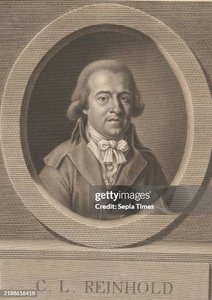
reinhold johann heinrich vasters
1827 - 1909 , Germany
Quick Facts
- Artistic Movement Or Style: Art Forgery, Renaissance Revival
- Date Of Birth: January 2, 1827
- Date Of Death: June 14, 1909
- Full Name: Reinhold Johann Heinrich Vasters
- Nationality: German
- Notable Artworks: ['Rosigliosi Cup']
- Place Of Birth: Aachen, Germany