 Preview
 Send
Send Share
Share
 Details

 Download
 Similars
 X-Ray
X-Ray Diaporama
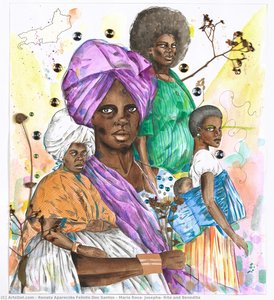
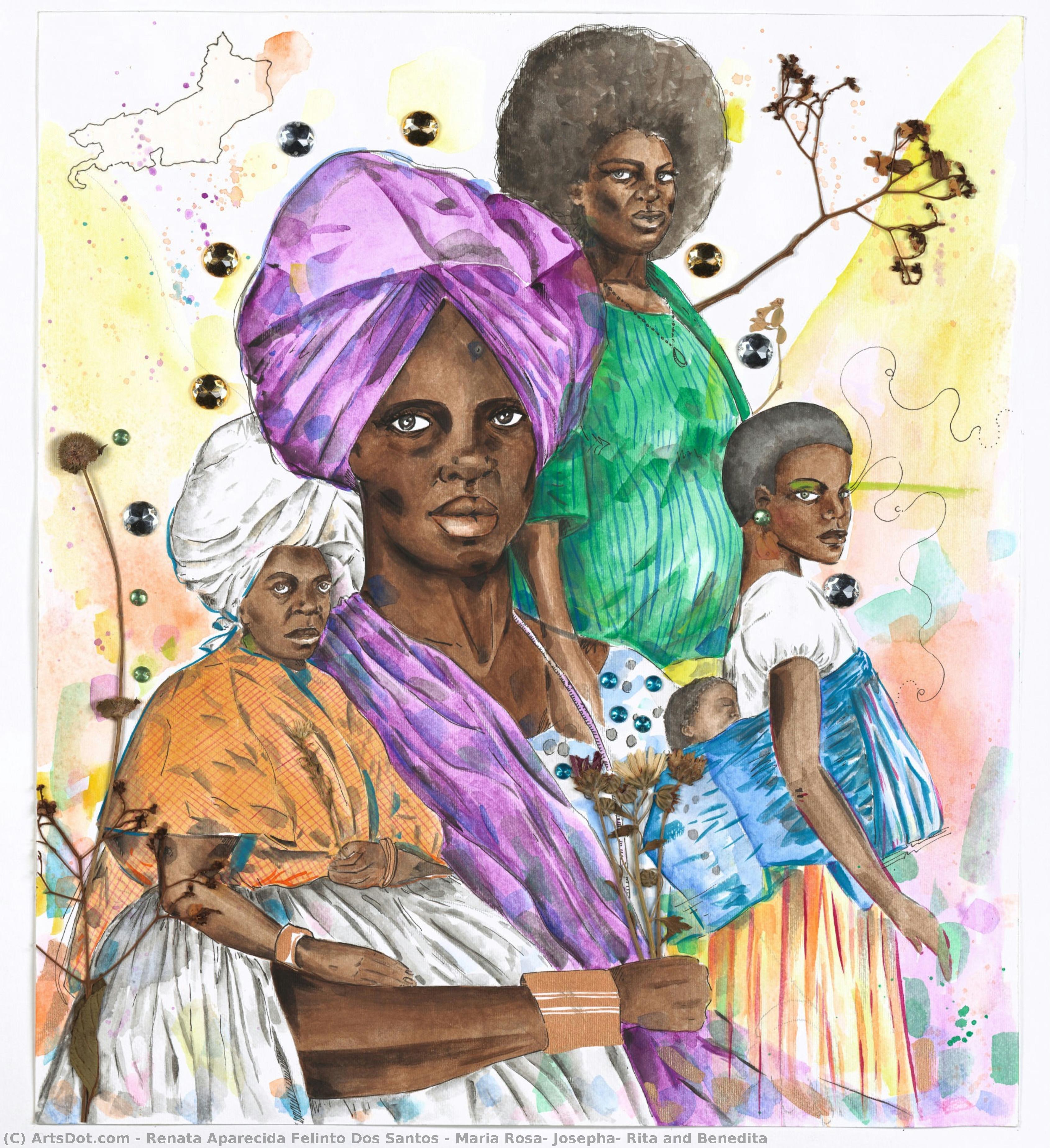
Maria Rosa, Josepha, Rita and Benedita


 Read More
Hand Made Oil Reproduction
Hand-painted oil on canvas in your size and frame, made to order by our artists. ( Buy Print Buy Image)




P118B $10

P118H $10

P118W $10

P438Z $10

P508JH $12

P508YH $12

P805H $10

P805Z $10

P919BZ $10

P919G $10

P919XJ $10

P959ZH $10

P968JZ $12

W106C $8

W218G $10

W218JH $8

W218Y $10

W307PJ $10

W316G $10

W316PJ $8

W316Y $10

W398PJ $8

W4111J $10

W500HY $15

W500JH $15

W692G $12

W849H $8

W940BG $15

W953PJ $8




Pick from our preset sizes that match the artwork's original proportions.

You may enter your own dimensions to fit a specific frame or space. If your selected size does not match the original image's proportions, we will either crop the artwork or extend the painting with additional hand-painted elements. A digital mockup will be sent for your approval before production begins.
Please note that the on-screen preview does not reflect the actual cropping or extension. Only the mockup will accurately show the final composition.
While custom sizes are available, we recommend selecting a dimension from the predefined list to preserve the original proportions.
After order, ArtsDot.com team will email client for instructions and provide a mockup preview
Worldwide Delivery () in 3/4 weeks instead of standard 5 weeks. (28 August). No compromise on quality.

Free Worldwide Express Shipping

High-Quality Linen Canvas

Full Shipping Insurance

Customs Tax Refund Guarantee

True Color Matching Guarantee

60-Day Return Policy (Defects Only)

100% Money-Back Guarantee

Bulk Discount Offer
 Glass option is only available in size under 110 CM

Maria Rosa, Josepha, Rita and Benedita
Reproduction Medium
Reproduction Size
-


Total Price
$ 263
A Tapestry of Identity and Lineage
In the evocative painting Maria Rosa, Josepha, Rita and Benedita, the Brazilian artist Renata Aparecida Felinto dos Santos invites viewers into an intimate, rhythmic celebration of womanhood and ancestral connection. The composition presents a striking lineup of four women, each possessing a distinct presence defined by their varied hair textures and the graceful adornment of head wraps or turbans. This arrangement creates a powerful visual cadence, where the interplay of black, brown, and blonde tones serves as more than mere color; it acts as a testament to the diverse spectrum of the Afro-Diasporic experience. Through this deliberate grouping, the artist weaves a narrative of solidarity and shared heritage, suggesting that while each individual possesses a unique story, they are bound together by an unbreakable thread of lineage.
The painting’s atmosphere is further enriched by the tender inclusion of two infants, positioned within the group to symbolize the continuity of life and the passing of traditions from one generation to the next. One child rests on the periphery while another is nestled closely between the figures, creating a sense of protective communal care. This maternal layering adds a profound emotional depth to the work, transforming a portrait of individuals into a broader meditation on the nurturing forces that sustain culture. The presence of delicate, scattered dots throughout the scene acts as a decorative and symbolic veil, perhaps representing stardust, ancestral spirits, or the fragmented yet beautiful memories that constitute our collective history.
Technique and Visual Resonance
Stylistically, the work resonates with the vibrant energy characteristic of contemporary Brazilian art, blending a certain folk-art charm with sophisticated social commentary. The artist utilizes a bold, graphic approach where shapes are clearly defined, yet softened by a sense of movement and life. The use of turbans—a powerful symbol of both cultural pride and resistance within the Afro-Brazilian context—adds a sculptural quality to the figures, making them stand out against the canvas with an almost monumental dignity. For collectors and interior designers, this piece offers a captivating focal point that balances vibrant color with a profound, contemplative stillness.
The emotional impact of Maria Rosa, Josepha, Rita and Benedita lies in its ability to evoke both nostalgia and hope. It is a work that demands presence, pulling the observer into its rhythmic patterns and soulful gazes. Whether displayed in a curated gallery setting or as a centerpiece in a sophisticated residential space, this painting serves as an inspiring tribute to social justice and identity. It is not merely a depiction of faces, but a vibrant, painted manifesto of resilience, making it an invaluable acquisition for those who seek art that speaks to the heart and honors the enduring strength of the human spirit.
Related Artworks
Artist Biography
Jean-Michel Basquiat: A Life Painted in Rebellion and Brilliance
Born December 22, 1960, in the vibrant heart of New York City’s Lower East Side, Jean-Michel Basquiat emerged from a complex tapestry of Haitian and Puerto Rican heritage. His early life was shaped by a profound sense of displacement and racial identity—themes that would become recurring motifs throughout his intensely personal and politically charged art. He initially began his artistic journey as Samùel (“SAMO”) alongside Al Diaz, adopting the moniker “Basquiat” later in 1976. Together they embarked on an audacious campaign of tagging subway cars with cryptic epigrams—a bold act of urban intervention that quickly gained notoriety and established them as key figures in the burgeoning street art scene of the late 1970s.
This early period, fueled by a potent mix of punk rock energy, hip-hop culture, and social commentary, laid the groundwork for Basquiat’s distinctive style. His graffiti roots informed his later work with its raw energy, layered imagery, and deliberate use of text. He quickly moved beyond mere tagging, transitioning to canvases that explored themes of race, class, power, and identity—subjects deeply intertwined with his own experiences and observations of the world around him. Influenced by artists like Picasso, Warhol, and the German Expressionists, Basquiat developed a unique visual language characterized by fragmented figures, bold colors, and a potent blend of abstraction and figuration.
- Key Early Works: “Irony of Negro Policeman” (1981), “Skull of Doom” (1981), and “Untitled” (1982) – these pieces demonstrated his evolving style, incorporating elements of social critique alongside a growing interest in portraiture and symbolism.
- The Rise to Prominence: Basquiat’s work gained significant attention through gallery exhibitions and inclusion in prestigious events like the 1982 Whitney Biennial, catapulting him into the international art scene at an astonishingly young age.
A Collision of Cultures and Concepts
Basquiat's artistic vision was profoundly shaped by his multifaceted background. His Haitian heritage instilled in him a deep awareness of historical injustices and systemic inequalities, which he frequently addressed through his art. He drew inspiration from the writings of Frantz Fanon and other critical theorists, incorporating elements of psychoanalysis and Marxist ideology into his work. The influence of hip-hop culture—its rhythms, language, and ethos of rebellion—is palpable in his use of text, collage techniques, and a confrontational approach to representation.
His art wasn’t simply about depicting reality; it was an interrogation of reality itself. He frequently juxtaposed seemingly disparate elements – historical figures with contemporary symbols, portraits with fragmented narratives, and personal experiences with broader social issues. This deliberate layering created a complex and often unsettling dialogue between the viewer and the artwork, inviting them to actively engage in the process of interpretation.
The Techniques of a Revolutionary Artist
Basquiat’s artistic practice was characterized by a remarkable versatility and experimentation. He employed a wide range of techniques, including painting, drawing, collage, assemblage, and sculpture. His canvases were often layered with paint, marker, and found objects—creating textured surfaces that invited tactile exploration. He frequently incorporated text into his work, using both words and symbols to convey meaning and disrupt traditional notions of authorship.
- Collage and Assemblage: Basquiat’s use of collage and assemblage techniques allowed him to incorporate a diverse range of materials—newspaper clippings, photographs, maps, and ephemera—into his paintings, creating layered narratives that reflected the fragmented nature of contemporary experience.
- The Power of Text: He frequently employed text as an integral part of his artwork, using words and symbols to challenge conventional representations and expose underlying social and political issues.
Legacy and a Tragic End
Despite his tragically short life—he died August 12, 1988, at the age of 27 from a heroin overdose—Jean-Michel Basquiat left an indelible mark on the art world. His work continues to be celebrated for its raw energy, intellectual depth, and unflinching exploration of complex social issues. He is considered one of the most important artists of his generation, and his influence can be seen in countless contemporary artists who continue to grapple with themes of identity, race, and power.
His retrospective at the Whitney Museum of American Art in 1992 cemented his place as a major figure in art history. Today, Basquiat’s paintings command staggering prices at auction, reflecting both their artistic merit and their cultural significance. His legacy serves as a powerful reminder of the transformative potential of art to challenge conventions, provoke dialogue, and illuminate the complexities of the human experience.
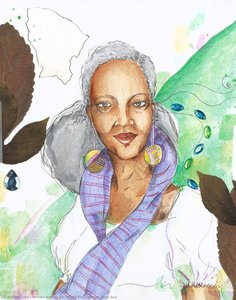
renata aparecida felinto dos santos
1978 - , Brazil
Quick Facts
- Artistic Movement Or Style: Neo-expressionism
- Artists Or Movements Influenced By This Artist:
- Graffiti art
- Street art
- Hip-hop culture
- Artists Who Influenced This Artist:
- Pichon
- Pollock
- Dubois
- Date Of Birth: December 22, 1960
- Date Of Death: August 12, 1988
- Full Name: Jean-Michel Basquiat
- Nationality: American
- Notable Artworks:
- Irony of Negro Policeman
- Skull of Doom
- Untitled (1982 Basquiat skull painting)
- Boy and Dog in a Johnnypump
- Place Of Birth: New York City, U.S.
Related Articles
The Enduring Muse: Women as Subject & Symbol in Art History
Explore the rich history of women in art – from iconic muses to groundbreaking artists. Discover feminist movements, global perspectives & reclaim female narratives with ArtsDot.
Portrayals of Power & Perception: A Historical Survey of Women in Art
Explore the rich history of women in art – from iconic muses to groundbreaking artists. Discover feminist movements & reclaim female narratives with ArtsDot. Expert insights for discerning collectors.
The Enduring Muse: Women as Subject & Symbol in Art History
Explore the rich history of women in art – from archetypal representations to contemporary voices challenging norms. Discover iconic artists & movements, and learn about reclaiming female narratives through painting and beyond.

Martin Johnson Heade: Luminism, American Identity & the Poetic Still Life
Explore the captivating world of Martin Johnson Heade, a master of Luminism. Discover his serene landscapes, vibrant still lifes & profound connection to American identity. Learn about his techniques and legacy.
The Enduring Muse: Female Representation & Evolution in Art History
Explore the rich history of women in art – from iconic muses to groundbreaking artists. Discover feminist movements & reclaim female narratives with ArtsDot. Expert insights for discerning collectors.