 Preview
 Send
Send Share
Share
 Details

 Download
 Similars
 X-Ray
X-Ray Diaporama
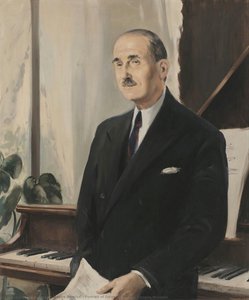
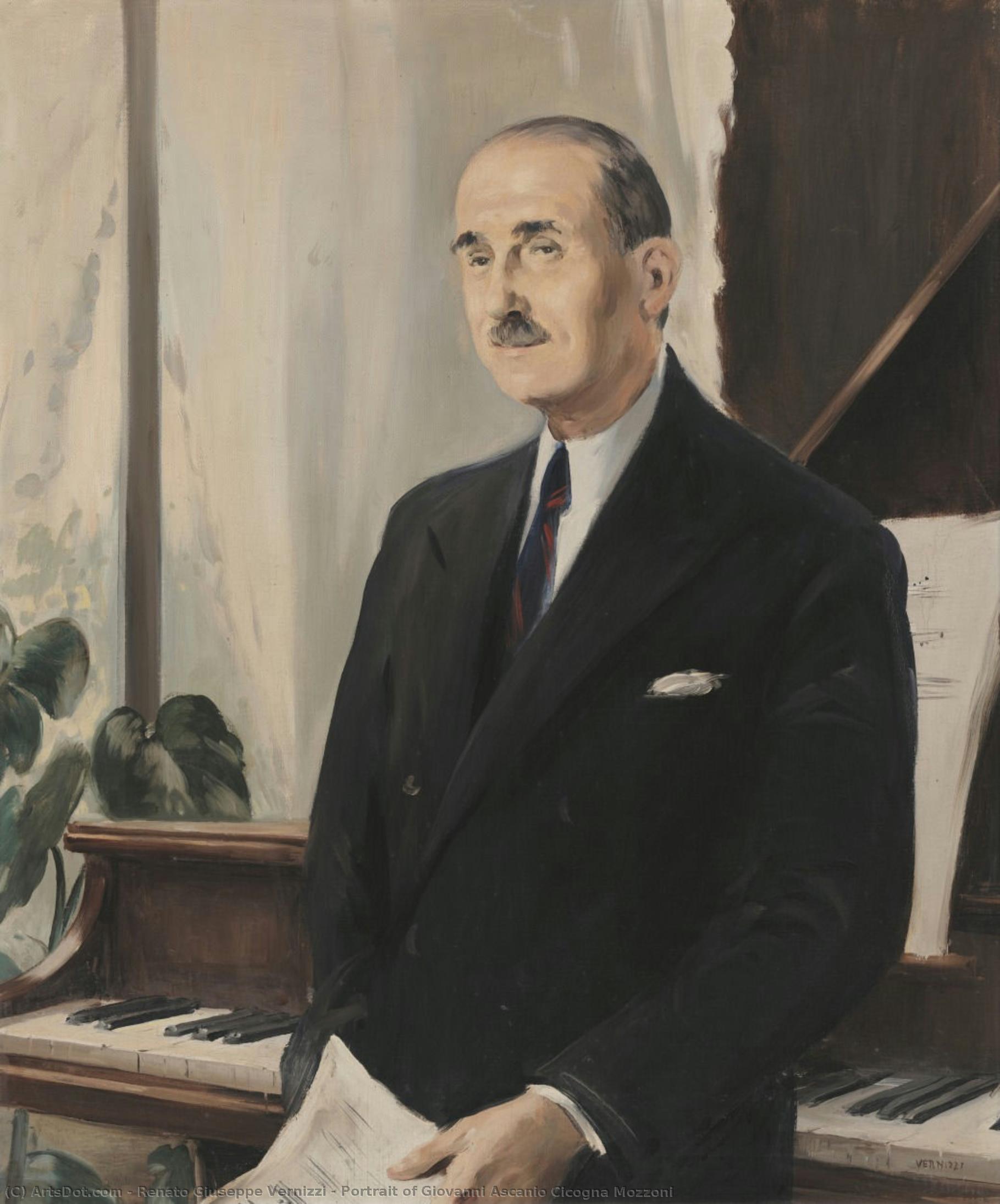
Portrait of Giovanni Ascanio Cicogna Mozzoni
 1955
1955 89.0 x 74.0 cm
 Ca’ Granda – Ospedale Maggiore Policlinico
 Read More
Hand Made Oil Reproduction
Hand-painted oil on canvas in your size and frame, made to order by our artists. ( Buy Print Buy Image)




































Pick from our preset sizes that match the artwork's original proportions.

You may enter your own dimensions to fit a specific frame or space. If your selected size does not match the original image's proportions, we will either crop the artwork or extend the painting with additional hand-painted elements. A digital mockup will be sent for your approval before production begins.
Please note that the on-screen preview does not reflect the actual cropping or extension. Only the mockup will accurately show the final composition.
While custom sizes are available, we recommend selecting a dimension from the predefined list to preserve the original proportions.
After order, ArtsDot.com team will email client for instructions and provide a mockup preview
Worldwide Delivery () in 3/4 weeks instead of standard 5 weeks. (31 August). No compromise on quality.

Free Worldwide Express Shipping

High-Quality Linen Canvas

Full Shipping Insurance

Customs Tax Refund Guarantee

True Color Matching Guarantee

60-Day Return Policy (Defects Only)

100% Money-Back Guarantee

Bulk Discount Offer
 Glass option is only available in size under 110 CM

Portrait of Giovanni Ascanio Cicogna Mozzoni
Reproduction Medium
Reproduction Size
-


Total Price
$ 263
Related Artworks




![Autorretrato [self-portrait] — Oscar Pereira Da Silva](/media/artworks/images-thumb/f8/2c/f82c36e3c45761e537cad75f812a5b33.jpg)



Artist Biography
A Life Immersed in Light and Form: The World of Renato Giuseppe Vernizzi
Renato Giuseppe Vernizzi, born in Parma, Italy, in 1904, was an artist whose career unfolded against the backdrop of a rapidly changing Italian landscape. His journey began with formal training at the Parma Academy of Fine Arts in 1922, a period that laid the crucial groundwork for his artistic sensibilities. This early education instilled within him a dedication to traditional techniques and a keen understanding of form, qualities that would remain central to his work throughout his life. However, Vernizzi was not destined to remain solely within the confines of academic tradition. A move to Milan in 1927 proved pivotal, exposing him to the vibrant artistic currents of the time, most notably the *Novecento Italiano* group. While he initially engaged with their aesthetic principles, Vernizzi soon charted his own course, drawn instead to the captivating allure of *Chiarismo*. This stylistic shift marked a turning point, signaling his commitment to exploring the dramatic interplay of light and shadow—a hallmark that would define his artistic identity.The Rise to Prominence: Chiarismo and Critical Acclaim
Vernizzi’s embrace of *Chiarismo* wasn't merely a stylistic preference; it was an exploration of emotional depth and psychological nuance. He masterfully manipulated light to sculpt form, creating paintings that possessed both a tangible presence and an ethereal quality. This approach quickly garnered attention within the Italian art world. His participation in the *Settimana dell’Arte* exhibition organized by the newspaper *L'Ambrosiano* in 1934 served as a crucial catalyst, bringing his work to the forefront of critical discourse. The ensuing period witnessed a surge in recognition, culminating in a triumphant moment at the 20th Esposizione Internazionale d’Arte della Città di Venezia in 1936. This prestigious exhibition solidified Vernizzi's reputation and established him as a significant voice within contemporary Italian painting. His success wasn’t limited to exhibitions; in 1940, the Galleria d’Arte Moderna in Milan acquired one of his works, and he was honored with the Bergamo Prize in 1941—testaments to the growing esteem for his artistic vision.Post-War Intimacies: Portraits and a Return to Inner Worlds
The aftermath of World War II brought about a subtle yet profound shift in Vernizzi’s artistic focus. While he continued to demonstrate technical brilliance, his subject matter evolved towards more intimate and introspective themes. He increasingly turned to portraiture and works characterized by an *intimist* sensibility—paintings that delved into the psychological complexities of his subjects. This period reflects a broader trend within post-war Italian art, a move away from grand narratives toward explorations of individual experience and emotional resonance. In 1955, Vernizzi further cemented his commitment to artistic education by taking on a teaching position at the Parma Institute of Art, nurturing the next generation of Italian painters. His involvement with the *Cenacolo di Via Bagutta*, a renowned gathering place for artists and intellectuals in Milan, also fostered a vibrant exchange of ideas and contributed to his continued artistic development.Legacy and Enduring Influence
Renato Giuseppe Vernizzi passed away in 1972, leaving behind a body of work that continues to captivate and inspire. His contributions to the Italian art scene, particularly within the *Chiarismo* movement, remain significant. While perhaps not as widely recognized internationally as some of his contemporaries, his paintings are held in esteemed collections such as the Galleria Sabauda in Turin, ensuring their preservation for future generations. His work often stands alongside that of artists like Mario Gambetta and Innocenzo Martini, highlighting a shared commitment to artistic excellence and a distinctly Italian aesthetic sensibility. Vernizzi’s legacy lies not only in the beauty and technical mastery of his paintings but also in his dedication to exploring the human condition through the evocative power of light, shadow, and form. He remains an important figure for understanding the evolution of 20th-century Italian art, a testament to the enduring impact of an artist deeply immersed in both tradition and innovation.Notable Works & Further Exploration
While many of Vernizzi’s works reside in private collections or are less widely documented, his influence can be traced through connections to other artists whose pieces are more readily accessible. For example, the *Apostle* by Innocenzo Martini, housed in the Pinacoteca Stuard in Parma, and the *Large Plate with Saint Anthony of Padua* by Mario Gambetta, located in the Museo Glauco Lombardi in Parma, offer glimpses into the artistic milieu that shaped Vernizzi’s own style. Similarly, the *Portrait of the Marquis Lorenzo di Canossa, minister of Don Ferdinando di Borbone* by Pietro Melchiorre Ferrari, also at the Museo Glauco Lombardi, provides context for understanding the portraiture traditions within which Vernizzi operated. For those seeking to delve deeper into his life and work, resources such as Wikipedia and dedicated art databases like ArtsDot offer valuable insights.- Portrait of Giovanni Ascanio Cicogna Mozzoni: Available for viewing on ArtsDot.
- Further Research: Explore the artist’s page on ArtsDot and consult the Wikipedia entry for Italian painters.
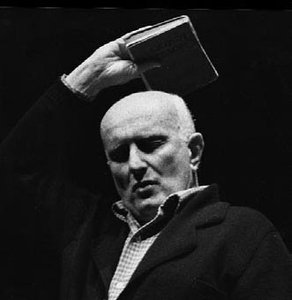
Renato Giuseppe Vernizzi
1904 - 1972 , Italy
Quick Facts
- Artistic Movement Or Style: Chiarismo
- Artists Or Movements Influenced By This Artist: ['Chiarismo']
- Artists Who Influenced This Artist:
- Modernism
- Neoclassicism
- Date Of Birth: 1904
- Date Of Death: 1972
- Full Name: Renato Giuseppe Vernizzi
- Nationality: Italian
- Place Of Birth: Parma, Italy