 Preview
 Send
Send Share
Share
 Details

 Download
 Similars
 X-Ray
X-Ray Diaporama
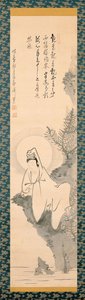
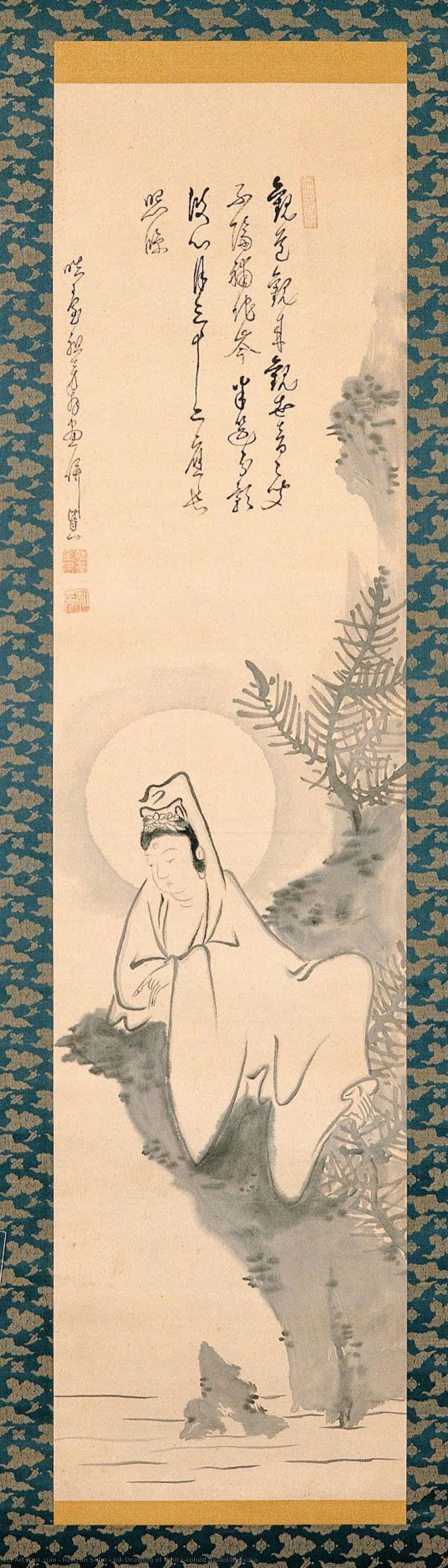
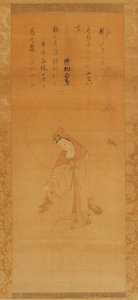
Ink Drawing of White-robed Avalokiteśvara.

 Read More
Hand Made Oil Reproduction
Hand-painted oil on canvas in your size and frame, made to order by our artists. ( Buy Print Buy Image)




































Pick from our preset sizes that match the artwork's original proportions.

You may enter your own dimensions to fit a specific frame or space. If your selected size does not match the original image's proportions, we will either crop the artwork or extend the painting with additional hand-painted elements. A digital mockup will be sent for your approval before production begins.
Please note that the on-screen preview does not reflect the actual cropping or extension. Only the mockup will accurately show the final composition.
While custom sizes are available, we recommend selecting a dimension from the predefined list to preserve the original proportions.
After order, ArtsDot.com team will email client for instructions and provide a mockup preview
Worldwide Delivery () in 3/4 weeks instead of standard 5 weeks. (25 August). No compromise on quality.

Free Worldwide Express Shipping

High-Quality Linen Canvas

Full Shipping Insurance

Customs Tax Refund Guarantee

True Color Matching Guarantee

60-Day Return Policy (Defects Only)

100% Money-Back Guarantee

Bulk Discount Offer
 Glass option is only available in size under 110 CM

Ink Drawing of White-robed Avalokiteśvara.
Reproduction Medium
Reproduction Size
-


Total Price
$ 263
Related Artworks






Artist Biography
A Life Immersed in Zen: The World of Renzan Soho
Renzan Soho, a name resonating with tranquility and masterful brushwork, was born in Wakataka, Japan, in 1775. His life unfolded against the backdrop of the late Edo period, a time of relative peace that fostered a flourishing of arts and culture, particularly within Zen Buddhist circles. While details surrounding his early life remain somewhat elusive, it is known he dedicated himself to monastic life, eventually becoming the 16th head priest of Hosshinji Temple in Wakasa around 1804. This commitment wasn’t merely administrative; Renzan Soho embodied the principles of Zen through every aspect of his being, and most profoundly, through his art. He wasn't simply a monk who painted—he was an artist whose very practice *was* meditation, a visual manifestation of enlightenment sought through rigorous self-discipline and spiritual contemplation. His journey led him beyond Hosshinji Temple, with periods spent at Chōkyūji in Ōmi province and Shingetsuin in Settsu province, each location undoubtedly influencing his artistic development.The Calligraphy Brush as a Vehicle for Enlightenment
Renzan Soho’s art is almost entirely defined by ink painting – specifically, *sumi-e*, the Japanese form of monochrome ink wash painting. He excelled in calligraphy and painting, but it was his depictions of Avalokiteśvara, the bodhisattva of compassion, and bamboo that truly distinguished him. These weren't merely representations; they were embodiments of Zen ideals. The simplicity inherent in sumi-e—the stark contrast between black ink and white paper—mirrored the Zen emphasis on direct experience and stripping away illusion to reveal essential truth. His brushstrokes weren’t about meticulous detail, but rather capturing the *essence* of his subjects with a minimum of lines. A single bamboo stalk could convey resilience, humility, and the quiet strength found in nature. The fluidity of his inkwork suggests spontaneity, yet this was born from years of dedicated practice—a mastery that allowed him to express profound meaning with seemingly effortless ease. He often incorporated poetic inscriptions into his paintings, further enriching their spiritual depth and inviting viewers to contemplate the interconnectedness of art, poetry, and Zen philosophy.Rebuilding Temples, Reaffirming Faith
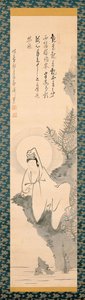
Beyond his artistic pursuits, Renzan Soho played a significant role in the revitalization of Buddhist institutions. His rebuilding of Hosshinji Temple speaks volumes about his dedication not only to spiritual practice but also to preserving the physical spaces that supported it. This act of reconstruction wasn’t simply architectural; it was symbolic—a reaffirmation of faith and a commitment to ensuring the continuity of Zen teachings for future generations. Later in life, from 1840 until his death in 1847, he served as the second abbot of Kōtaiji Temple in Nagasaki. This period proved particularly fruitful artistically; it was during his residency at Kōtaiji that he created his most celebrated work: an ink drawing of White-Robed Avalokiteśvara. The choice of subject matter and attire is significant, representing purity, compassion, and the bodhisattva’s willingness to appear in forms accessible to all beings.Legacy of Simplicity and Spiritual Depth
Renzan Soho's artistic legacy lies not in a vast body of work—his known output consists of relatively few paintings—but rather in the profound impact those works have on viewers. He didn’t seek fame or recognition; his art was an expression of his inner state, a visual record of his spiritual journey. His influence can be seen in the continued appreciation for *sumi-e* and its ability to convey complex emotions and philosophical ideas with remarkable economy. His White-Robed Avalokiteśvara, in particular, stands as a testament to his mastery of ink wash painting and his deep understanding of Zen Buddhist principles. It’s a work that invites contemplation, encouraging viewers to look beyond the surface and connect with the underlying essence of compassion and enlightenment. Renzan Soho's art continues to inspire artists and spiritual seekers alike, reminding us of the power of simplicity, mindfulness, and the transformative potential of artistic expression.Major Achievements & Historical Significance
- Mastery of Sumi-e: Renzan Soho’s exceptional skill in ink wash painting established him as a prominent figure within Japanese Zen art.
- Iconic Avalokiteśvara Paintings: His depictions of Avalokiteśvara, particularly the White-Robed version, are considered masterpieces of the genre and embody the core tenets of Zen Buddhism.
- Temple Reconstruction & Leadership: His role in rebuilding Hosshinji Temple and serving as abbot of Kōtaiji demonstrates his commitment to preserving Buddhist institutions and teachings.
- Integration of Art & Spirituality: Renzan Soho’s life and work exemplify the seamless integration of artistic practice with Zen meditation and philosophical inquiry.
- Enduring Influence: His art continues to be studied and admired for its simplicity, spiritual depth, and ability to convey profound meaning through minimal means. He represents a high point in the expression of Zen aesthetics within Japanese painting.
renzan sohō
1775 - 1847 , Japan
Quick Facts
- Artistic Movement Or Style: Zen Buddhist Art
- Date Of Birth: 1775
- Date Of Death: 1847
- Full Name: Renzan Soho
- Nationality: Japanese
- Notable Artworks: ['Avalokiteśvara']
- Place Of Birth: Wakasa, Japan