 Preview
 Send
Send Share
Share
 Details

 Download
 Similars
 X-Ray
X-Ray Diaporama
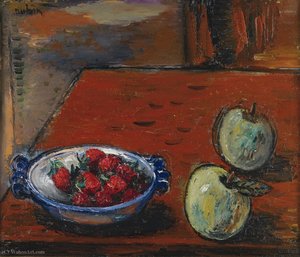
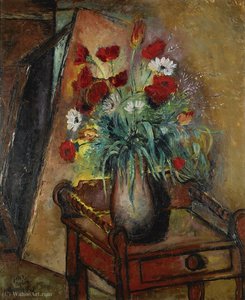
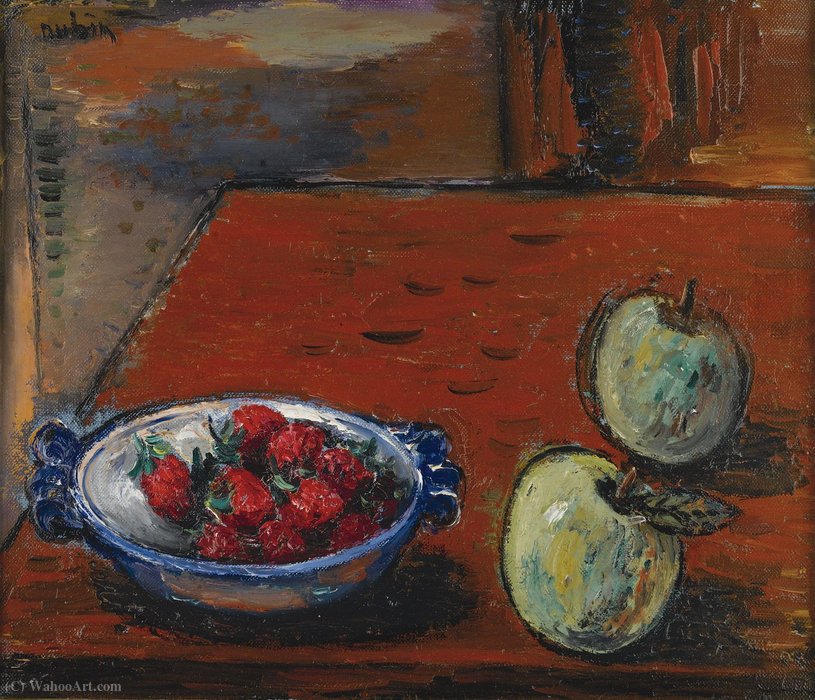
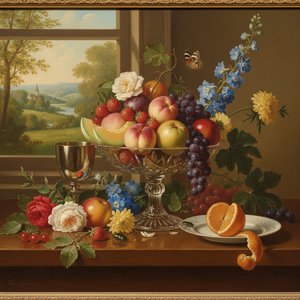
Still Life with Apples and Strawberries, (1940)

 Read More
Hand Made Oil Reproduction
Hand-painted oil on canvas in your size and frame, made to order by our artists. ( Buy Print Buy Image)




P118B $10

P118H $10

P118W $10

P438Z $10

P508JH $12

P508YH $12

P805H $10

P805Z $10

P919BZ $10

P919G $10

P919XJ $10

P959ZH $10

P968JZ $12

W106C $8

W218G $10

W218JH $8

W218Y $10

W307PJ $10

W316G $10

W316PJ $8

W316Y $10

W398PJ $8

W4111J $10

W500HY $15

W500JH $15

W692G $12

W849H $8

W940BG $15

W953PJ $8




Pick from our preset sizes that match the artwork's original proportions.

You may enter your own dimensions to fit a specific frame or space. If your selected size does not match the original image's proportions, we will either crop the artwork or extend the painting with additional hand-painted elements. A digital mockup will be sent for your approval before production begins.
Please note that the on-screen preview does not reflect the actual cropping or extension. Only the mockup will accurately show the final composition.
While custom sizes are available, we recommend selecting a dimension from the predefined list to preserve the original proportions.
After order, ArtsDot.com team will email client for instructions and provide a mockup preview
Worldwide Delivery () in 3/4 weeks instead of standard 5 weeks. (25 August). No compromise on quality.

Free Worldwide Express Shipping

High-Quality Linen Canvas

Full Shipping Insurance

Customs Tax Refund Guarantee

True Color Matching Guarantee

60-Day Return Policy (Defects Only)

100% Money-Back Guarantee

Bulk Discount Offer
 Glass option is only available in size under 110 CM

Still Life with Apples and Strawberries, (1940)
Reproduction Medium
Reproduction Size
-


Total Price
$ 263
Artwork Description
A Celebration of Simple Pleasures: Reuven Rubin’s Still Life
This captivating still life by Romanian-Israeli artist Reuven Rubin, painted circa 1940, offers a glimpse into a world where everyday objects are elevated to artistic significance. The composition centers around a brimming bowl of vibrant red strawberries – the focal point drawing the eye immediately. Two apples, one positioned near the upper right and another towards the lower right corner, provide complementary forms and color accents. A vase graces the left side of the table, completing this harmonious arrangement. Rubin’s masterful use of light and shadow imbues the scene with a sense of warmth and intimacy.Style & Technique: Echoes of Cézanne
Rubin's style in *Still Life with Apples and Strawberries* demonstrates a clear influence from Paul Cézanne, particularly in his approach to form and color. The painting isn’t about photographic realism; instead, Rubin employs subtle distortions and flattened perspectives to emphasize the underlying structure of the objects. Brushstrokes are visible and deliberate, contributing to a textured surface that adds depth and visual interest. He utilizes a rich palette, with the deep reds of the strawberries contrasting beautifully against the warmer tones of the apples and table. This technique creates a sense of volume and tactility, inviting viewers to almost reach out and touch the fruit. The overall effect is one of quiet contemplation and artistic refinement.Historical Context & Artistic Journey
Reuven Rubin (1893-1974) lived a life deeply intertwined with both European modernism and the burgeoning art scene in Palestine/Israel. Born in Romania, he studied at the Bezalel Academy in Jerusalem before pursuing further training in Paris. His artistic journey was interrupted by World War I, after which he spent time in the United States where he exhibited alongside artists like Alfred Stieglitz. This exposure to American modernism broadened his artistic horizons. Painted around 1940, this still life reflects a period of transition and uncertainty as Europe braced for war. It’s possible that Rubin, having witnessed significant upheaval, found solace in depicting the simple beauty of everyday life – a quiet moment of respite captured on canvas. He later became Israel's first ambassador to Romania, further cementing his role as a cultural bridge between nations.Symbolism & Emotional Resonance
While seemingly straightforward, still lifes often carry symbolic weight. Fruit, particularly apples and strawberries, have long been associated with themes of abundance, temptation, and the fleeting nature of beauty. The arrangement itself – carefully composed and bathed in soft light – suggests a sense of order and harmony. The painting evokes feelings of warmth, nostalgia, and contentment. It’s an invitation to slow down, appreciate the simple pleasures in life, and find beauty in the ordinary. For interior designers, this artwork would bring a touch of classic elegance and understated sophistication to any space, complementing both traditional and contemporary décor styles. Its warm color palette makes it particularly well-suited for dining rooms or living areas seeking a cozy and inviting atmosphere.Related Artworks
Artist Biography
A Life Painted in Light: The World of Reuven Rubin
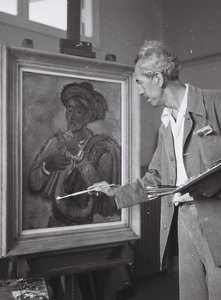
Reuven Rubin, born Rubin Zelicovici in 1893 in the Romanian town of Galati, was more than simply a painter; he embodied the spirit of early Israel, acting as a cultural diplomat and a foundational figure in defining a uniquely Israeli artistic identity. Emerging from humble beginnings as one of thirteen children within a devout Hasidic Jewish family, Rubin’s path diverged from tradition through an innate artistic talent that blossomed even in his youth – crafting a mizrah plaque for his local synagogue became an early testament to his burgeoning skill. This initial spark propelled him towards formal training, first with a scholarship from Zionist leader Dr. Adolf Stander to the Bezalel Academy of Art and Design in Jerusalem in 1911. However, the rigid methodologies of Bezalel proved stifling for Rubin’s evolving vision, leading him to seek further artistic development in the vibrant heart of Paris in 1913, studying at the prestigious École Nationale Supérieure des Beaux-Arts. The outbreak of World War I brought a temporary return to Romania, but the seeds of his artistic journey had been firmly sown.
Forging an Israeli Aesthetic
The years following the war were pivotal in Rubin’s development. A period spent traveling with Arthur Kolnik and exhibiting their work in New York City in 1921 offered a glimpse into the international art scene, but it was his emigration to Mandate Palestine in 1923 that truly ignited his artistic purpose. He wasn't merely documenting a landscape; he strived to capture the very soul of a nascent nation. Influenced by the post-impressionistic techniques of Cézanne and the naive charm of Henri Rousseau, alongside elements of neo-Byzantine art from his Romanian heritage, Rubin forged a style that was both modern and deeply rooted in the land. His landscapes weren’t photographic representations but rather emotional responses to the Israeli terrain – bathed in a distinctive light, imbued with a sense of spiritual resonance. He focused on portraying the diverse inhabitants of this new land: Yemenite Jews, Hasidic figures, Arab villagers, each rendered with sensitivity and respect. Recurring motifs like sun-drenched depictions of Jerusalem and the Galilee became hallmarks of his work, reflecting both a personal connection to these sacred places and a broader attempt to define a visual language for Israeli identity. A unique signature – his first name in Hebrew, surname in Roman letters – symbolized this very fusion of tradition and modernity. He was instrumental in founding the “Eretz-Yisrael” style, a movement dedicated to creating art that reflected the spirit and character of the land itself. His paintings became windows into a world being born, capturing not just what was seen but what was felt – the hopes, dreams, and struggles of a people reclaiming their heritage.
Beyond the Canvas: Art, Theater, and Diplomacy
Rubin’s contributions extended far beyond the realm of painting. He became a central figure in the Palestinian artistic community, serving as Chairman of the Association of Painters and Sculptors of Palestine in 1924, and holding his first solo exhibition that same year at the Tower of David in Jerusalem – a landmark event that later traveled to Tel Aviv. His creative energy wasn’t confined to canvases; he brought his visual sensibility to the stage, designing backdrops for prominent theaters like Habima and Ohel from the 1930s onwards, enriching Israel's cultural landscape with his artistic vision. However, perhaps one of Rubin’s most remarkable achievements came in 1948, when he was appointed as Israel’s first diplomatic envoy to Romania – a poignant return to his birthplace, now representing a newly independent nation. This role seamlessly blended his personal history with his commitment to the burgeoning state of Israel, demonstrating an extraordinary capacity for bridging cultural divides and fostering international understanding. He documented his life experiences in his 1969 autobiography, “My Life - My Art”, offering invaluable insights into his artistic journey and philosophical outlook. This period solidified Rubin’s position not just as an artist but as a national figure, embodying the spirit of a new nation forging its identity on the world stage.
A Lasting Legacy
Reuven Rubin’s impact on Israeli art is undeniable. His work continues to captivate audiences with its unique blend of European influences and distinctly Israeli sensibility. The establishment of the Rubin Museum in Tel Aviv in 1983, a testament to his bequest of his home and collection, ensures that his artistic legacy will endure for generations to come. Today, his paintings are increasingly sought after by collectors, achieving significant sales at international auctions like Sotheby’s, demonstrating a growing recognition of his historical importance and artistic merit. He wasn't simply painting pictures; he was constructing an identity – a visual narrative of a nation in the making. Rubin’s career exemplifies the powerful intersection of art, diplomacy, and nation-building, solidifying his place as one of Israel’s most important and beloved artists. His paintings remain vibrant testaments to a life lived with passion, purpose, and an unwavering dedication to capturing the beauty and spirit of the land he called home.
- Key Influences: Cézanne, Henri Rousseau, Neo-Byzantine art.
- Major Themes: Israeli landscapes, biblical scenes, portraits of diverse communities within Palestine/Israel.
- Signature Style: A blend of post-impressionism and naive art, characterized by vibrant colors and emotional resonance. His unique signature – Hebrew first name, Roman surname – symbolized the fusion of tradition and modernity.
Reuven Rubin
1893 - 1974 , Romania
Quick Facts
- Artistic Movement Or Style: Eretz Yisrael, Post-Impressionism
- Artists Or Movements Influenced By This Artist:
- Israeli art
- Eretz Yisrael style
- Artists Who Influenced This Artist:
- Cézanne
- Henri Rousseau
- Date Of Birth: November 13, 1893
- Date Of Death: October 13, 1974
- Full Name: Reuven Rubin
- Nationality: Israeli-Romanian
- Place Of Birth: Galati, Romania
Related Articles

Cézanne's Masterpieces: 25 Iconic Artworks to Transform Your Space
Journey through 25 iconic artworks by Paul Cézanne – a master of Impressionism and Post-Impressionism. Explore his landscapes, still lifes, and the stories behind these timeless masterpieces. Discover museum-quality reproductions & curated decor at ArtsDot.com.
The Bountiful Still Life: Symbolism & Artistic Representation of Fruit Across Art History
Explore the rich history of still life painting & the symbolism of fruit across art movements. Discover masterpieces from Caravaggio to Cézanne with ArtsDot – expert guidance & museum-quality reproductions.
Silent Narratives: Exploring the Enduring Appeal of Still Life Painting Across Centuries
Explore the rich history of still life painting with ArtsDot. Discover Dutch Masters, decode vanitas symbolism & learn about collecting timeless art. Expert insights and museum-quality reproductions.
The Enduring Appeal of Still Life: A Historical & Contemporary Exploration
Explore the rich history & symbolism of still life painting with ArtsDot. Discover masterpieces from the Dutch Golden Age, learn about vanitas art, and find expert guidance for collecting timeless artworks.
Severin Roesen: Evoking National Identity Through American Still Life Painting
Explore the captivating world of Severin Roesen, a major American still life painter influenced by Dutch masters. Discover his lush compositions and the symbolism within his art – a window into 19th-century America.