Preview
 Send
Send Share
Share
 Details

 Download
 Similars
 X-Ray
X-Ray Diaporama
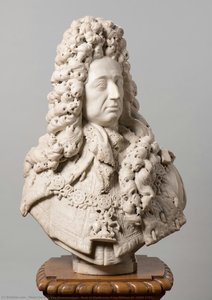
Bust of Stadholder-King William III (1650-1702)


 Read More
Hand Made Oil Reproduction
Hand-painted oil on canvas in your size and frame, made to order by our artists. ( Buy Print Buy Image)




































Pick from our preset sizes that match the artwork's original proportions.

You may enter your own dimensions to fit a specific frame or space. If your selected size does not match the original image's proportions, we will either crop the artwork or extend the painting with additional hand-painted elements. A digital mockup will be sent for your approval before production begins.
Please note that the on-screen preview does not reflect the actual cropping or extension. Only the mockup will accurately show the final composition.
While custom sizes are available, we recommend selecting a dimension from the predefined list to preserve the original proportions.
After order, ArtsDot.com team will email client for instructions and provide a mockup preview
Worldwide Delivery () in 3/4 weeks instead of standard 5 weeks. (25 August). No compromise on quality.

Free Worldwide Express Shipping

High-Quality Linen Canvas

Full Shipping Insurance

Customs Tax Refund Guarantee

True Color Matching Guarantee

60-Day Return Policy (Defects Only)

100% Money-Back Guarantee

Bulk Discount Offer
 Glass option is only available in size under 110 CM

Bust of Stadholder-King William III (1650-1702)
Reproduction Medium
Reproduction Size
-


Total Price
$ 263
Artwork Description
Related Artworks





Artist Biography
A Glimpse into the Golden Age: The Life and Art of Reyer Jacobsz van Blommendael
Reyer Jacobsz van Blommendael, a name perhaps less familiar than some of his Dutch Golden Age contemporaries, nevertheless occupies a fascinating niche in the artistic landscape of 17th-century Haarlem. Born in Amsterdam on June 27, 1628 – as records from the Nieuwe Kerk indicate through his baptism – Van Blommendael’s life remains shrouded in relative obscurity, pieced together primarily from guild documents and the wills of his sister, Risje van Blommendael. This lack of extensive biographical detail only adds to the enigmatic allure surrounding his work, prompting speculation and inviting deeper contemplation of the paintings that do survive. While details about his early training remain elusive, it’s believed a journey to Italy may have influenced his style, though concrete evidence is lacking. What *is* known is that he entered the esteemed Haarlem Guild of St. Luke in 1662, signifying his acceptance into the professional artistic community and establishing him as a recognized painter within the city's vibrant art scene. His sister Risje’s wills reveal a peripatetic existence during the latter part of his life; she notes his residence in Amsterdam around 1669 and later in The Hague by 1675, suggesting he moved between artistic centers seeking patronage or new opportunities. He was ultimately laid to rest in the Grote Kerk of Haarlem on November 23, 1675, a testament to his standing within the community despite the limited documentation surrounding his personal life.Themes and Influences: Echoes of Classical Thought
Van Blommendael’s artistic output, though not prolific, reveals a distinct inclination towards historical and pastoral subjects, often imbued with a subtle psychological depth. He wasn't a painter of bustling genre scenes or dramatic landscapes; instead, he gravitated toward narratives that explored themes of morality, philosophy, and human interaction. His paintings frequently feature half-length figures engaged in contemplative activities, such as musical performance, or depictions of classical stories rendered with a quiet dignity. The influence of artists like Johannes Vermeer is discernible in his meticulous attention to detail and the soft, diffused lighting that characterizes his compositions. However, Van Blommendael’s work possesses a unique quality—a certain stillness and introspective mood that sets it apart. Attributions have also been made to Dirck van Baburen, Cesar van Everdingen, Abraham Bloemaert, Jan van Bronchorst, and even Gerard van Honthorst, suggesting he absorbed elements from various masters while forging his own individual style. His *Socrates, his two Wives, and Alcibiades* (1675), now housed in the Musée des Beaux-Arts de Strasbourg, exemplifies this blend of classical subject matter and refined technique. The painting isn’t merely a historical depiction; it's an exploration of intellectual debate, domestic harmony, and the complexities of human relationships.A Delicate Technique: Light, Color, and Composition
Van Blommendael’s technical skill is evident in his masterful handling of light and color. He employed a soft palette, favoring muted tones and subtle gradations to create an atmosphere of tranquility and intimacy. His brushwork is precise yet delicate, allowing for a remarkable level of detail without sacrificing the overall harmony of the composition. He wasn't interested in flamboyant displays of virtuosity; rather, he prioritized clarity, balance, and emotional resonance. The way light falls across his figures’ faces, illuminating their expressions and gestures, is particularly noteworthy. This careful manipulation of light serves to draw the viewer into the scene, inviting contemplation of the characters’ inner lives. His compositions are typically well-balanced and symmetrical, reflecting a classical sensibility that emphasizes order and proportion. While he wasn't known for large-scale works, his smaller paintings demonstrate an exceptional level of refinement and attention to detail, suggesting a meticulous approach to his craft.Major Works and Lasting Legacy
Among Van Blommendael’s surviving works, *Paris and Oenone* (Palais des Beaux-Arts de Lille) stands as a testament to his ability to capture the beauty of classical mythology. *Lot and His Daughters*, now in the Musée des Beaux-Arts de Dunkerque, offers a more somber reflection on themes of family and morality. However, it is *Saint Bavo Saves Haarlem* (1673), commissioned for the Grote Kerk in his adopted city, that perhaps best exemplifies his connection to the local community. This painting commemorates a historical event—the miraculous intervention of Saint Bavo during a fire—and demonstrates Van Blommendael’s ability to blend religious narrative with artistic skill. Although he didn't achieve widespread fame during his lifetime, Reyer Jacobsz van Blommendael left behind a small but significant body of work that continues to captivate art historians and collectors alike. His paintings offer a glimpse into the intellectual and cultural climate of the Dutch Golden Age, revealing a sensitive artist who valued contemplation, harmony, and the enduring power of classical thought. His legacy lies not in prolific output, but in the quiet beauty and subtle psychological depth of his surviving masterpieces—a testament to the enduring appeal of a truly individual artistic vision.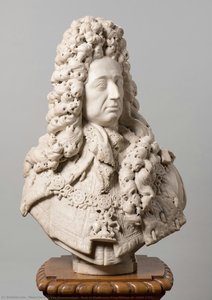
reyer jacobsz van blommendael
1628 - 1675 , Netherlands
Quick Facts
- Artistic Movement Or Style: Dutch Golden Age painting
- Artists Who Influenced This Artist:
- Johannes Vermeer
- Dirck van Baburen
- Cesar van Everdingen
- Abraham Bloemaert
- Jan van Bronchorst
- Gerard van Honthorst
- Date Of Birth: 1628
- Date Of Death: 1675
- Full Name: Reyer Jacobsz van Blommendael
- Nationality: Dutch
- Notable Artworks:
- Paris and Oenone
- Lot and His Daughters
- Socrates...
- Saint Bavo Saves Haarlem
- Place Of Birth: Haarlem, Netherlands