 Preview
 Send
Send Share
Share
 Details

 Download
 Similars
 X-Ray
X-Ray Diaporama
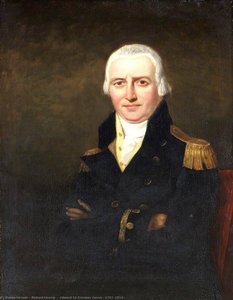
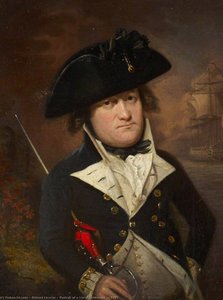
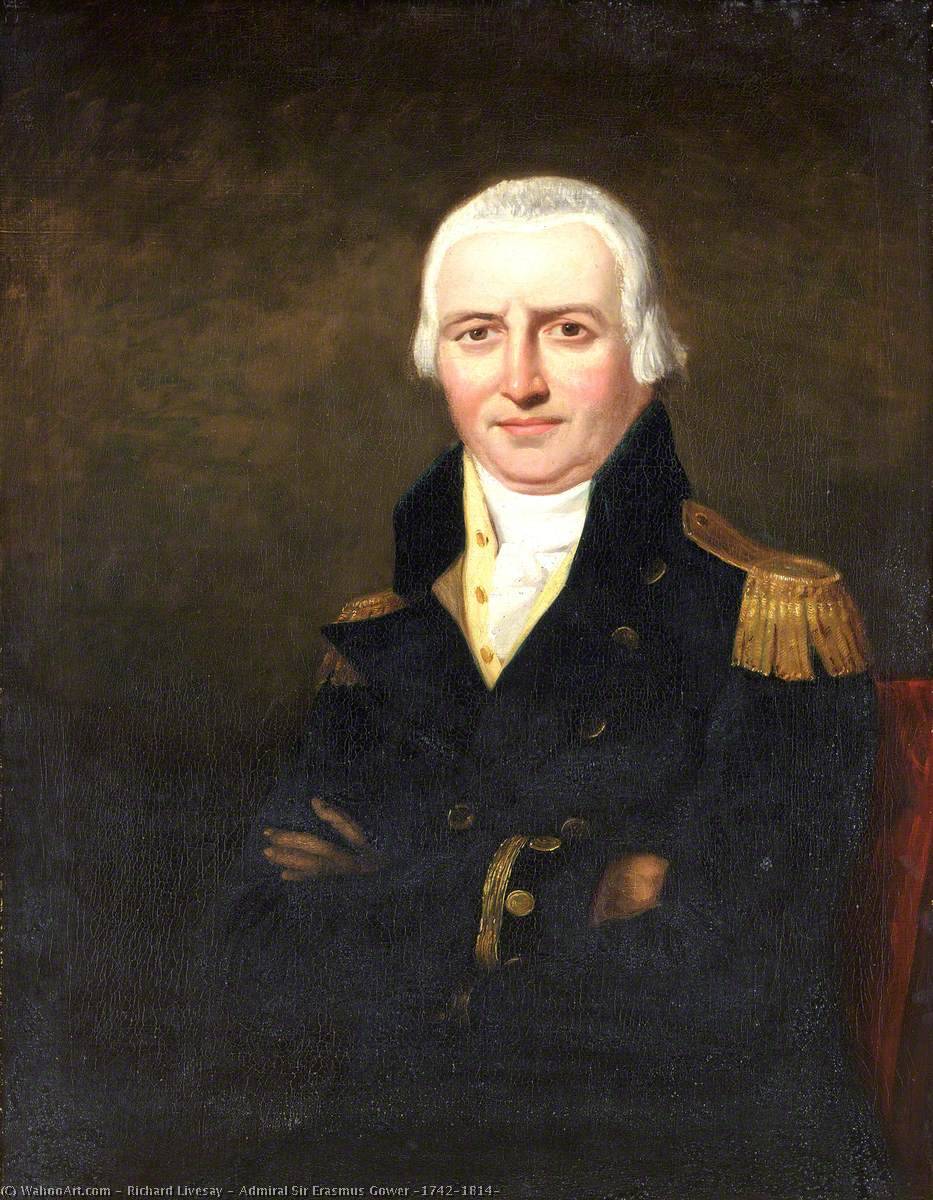
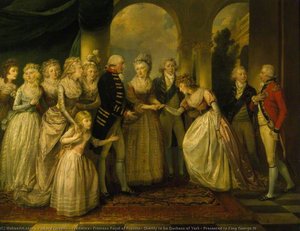
Admiral Sir Erasmus Gower (1742–1814)
 1799
1799 102.0 x 76.0 cm
 Read More
Giclée / Art Print
Museum-quality giclée or canvas print with fast production and flexible finish options. ( Buy Hand Made Painting Buy Image)




































Pick from our preset sizes that match the artwork's original proportions.

You may enter your own dimensions to fit a specific frame or space. If your selected size does not match the original image's proportions, we will either crop the artwork or extend the image with a mirrored or solid-fill edge. A digital mockup will be sent for your approval before production begins.
Please note that the on-screen preview does not reflect the actual cropping or extension. Only the mockup will accurately show the final composition.
While custom sizes are available, we recommend selecting a dimension from the predefined list to preserve the original proportions.
Worldwide Delivery () in 2 weeks instead of standard 4/5 weeks. (28 August)

Free Worldwide Express Shipping

High-Quality Linen Canvas

Full Shipping Insurance

Customs Tax Refund Guarantee

True Color Matching Guarantee

60-Day Return Policy (Defects Only)

100% Money-Back Guarantee

Bulk Discount Offer
 Glass option is only available in size under 110 CM

Admiral Sir Erasmus Gower (1742–1814)
Giclée / Art Print
Reproduction Size
-


Total Price
$ 63
Related Artworks







Artist Biography
The Master of Georgian Grace: The Life and Legacy of Richard Livesay
In the golden age of British portraiture, few artists captured the quiet dignity and social splendor of the Georgian era as delicately as Richard Livesay. Born in Exeter around 1750, Livesay emerged from the shadows of history to become a painter whose brushwork bridged the gap between meticulous documentation and emotive artistry. His journey was one defined by prestigious associations and an unwavering commitment to the classical traditions of his time. As a pupil of the legendary Benjamin West, Livesay inherited not just technical prowess but a profound understanding of how to imbue a portrait with the weight of character and status. This formative mentorship served as the cornerstone of his career, propelling him from a talented draughtsman into the vibrant heart of the London art scene.
Livesay’s professional ascent was marked by a series of remarkable connections that placed him at the very center of British cultural life. His early years in London were spent under the roof of Jane Hogarth, a period that would prove transformative for his artistic repertoire. Through this intimate connection to the legacy of the great satirist William Hogarth, Livesay undertook the monumental task of creating facsimiles of Hogarth’s drawings. This endeavor was more than a mere exercise in imitation; it was an act of preservation, demonstrating his extraordinary ability to replicate the nuance and wit of a master. Such work solidified his reputation as a craftsman of unparalleled precision, capable of navigating the complex textures of both line and light.
A Versatile Vision: From Royal Windsor to Naval Portsmouth
While many artists find their niche in a single genre, Livesay’s talent was remarkably expansive, encompassing portraiture, landscape, and marine painting. His move to Windsor around 1790 opened a new chapter of prestige, where his skill caught the attention of the royal household. Engaged by West to copy significant works within the palace, Livesay found himself immersed in an environment of unparalleled grandeur. It was during this period that he became a drawing master to some of the royal children, a role that allowed him to infuse his work with a unique sensitivity toward youth and innocence. His depictions of Eton boys remain among his most cherished contributions to art history, capturing a sense of youthful idealism and the structured elegance of academic life.
The breadth of his expertise was further evidenced by his later appointment as the drawing master to the Royal Naval Academy at Portsmouth. In this maritime setting, Livesay’s artistry took on a more rugged, atmospheric quality. He embraced the challenges of marine painting, capturing the movement of waves and the imposing presence of naval vessels with the same care he applied to a silken gown in a court portrait. This versatility allowed him to appeal to a diverse range of patrons, from the high aristocracy seeking immortality through oil to naval officers desiring the documentation of maritime strength. His ability to transition between the intimate scale of a child's portrait and the expansive drama of a seascape speaks to a truly multifaceted creative spirit.
An Enduring Artistic Impression
The historical significance of Richard Livesay lies in his role as a vital thread in the tapestry of 18th-century British art. He was an artist who understood the power of the image to communicate social hierarchy, national pride, and personal identity. Through his meticulous technique, he helped define the aesthetic standards of the Georgian period, ensuring that the faces and landscapes of his era were preserved with both accuracy and grace. His life, though marked by the quiet movements between London, Windsor, and Portsmouth, was a continuous pursuit of excellence that left an indelible mark on the Royal Academy and beyond.
Reflecting on his body of work, several key elements emerge as pillars of his enduring legacy:
- The Influence of Benjamin West: The foundational training that instilled in him a mastery of classical composition and historical weight.
- The Hogarth Connection: His vital role in disseminating the artistic heritage of William Hogarth through masterful facsimiles.
- Genre Versatility: A rare ability to command excellence across portraiture, landscape, and marine painting.
- Social Documentation: His unique position as a chronicler of both the royal nursery and the naval academy, capturing the spectrum of British society.
richard livesay
1750 - 1823
Quick Facts
- Artistic Movement Or Style: Portrait Painting
- Artists Or Movements Influenced By This Artist: ['Romanticism']
- Artists Who Influenced This Artist: ['Benjamin West']
- Date Of Death: 1826
- Full Name: Richard Livesay
- Nationality: British
- Notable Artworks:
- Theobald Wolfe, Esquire
- Eton Boys going to Montem