 Preview
 Send
Send Share
Share
 Details

 Download
 Similars
 X-Ray
X-Ray Diaporama
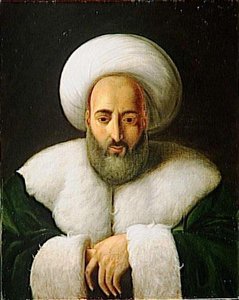
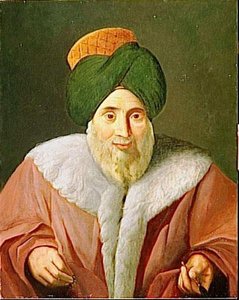
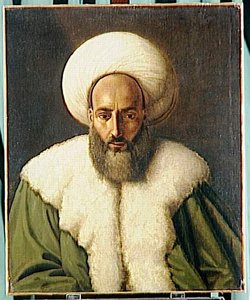
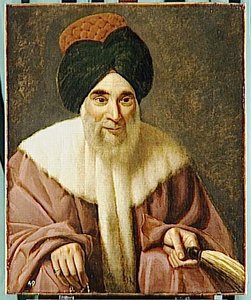
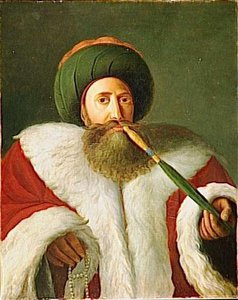
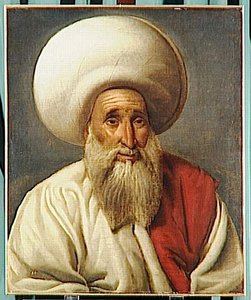
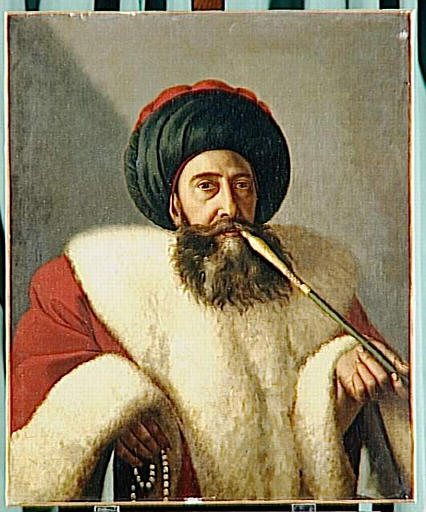
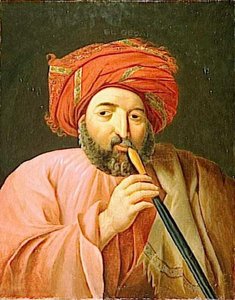
Portrait du cheikh Khalil El Bakri ( 1808)

 Read More
Hand Made Oil Reproduction
Hand-painted oil on canvas in your size and frame, made to order by our artists. ( Buy Print Buy Image)




































Pick from our preset sizes that match the artwork's original proportions.

You may enter your own dimensions to fit a specific frame or space. If your selected size does not match the original image's proportions, we will either crop the artwork or extend the painting with additional hand-painted elements. A digital mockup will be sent for your approval before production begins.
Please note that the on-screen preview does not reflect the actual cropping or extension. Only the mockup will accurately show the final composition.
While custom sizes are available, we recommend selecting a dimension from the predefined list to preserve the original proportions.
After order, ArtsDot.com team will email client for instructions and provide a mockup preview
Worldwide Delivery () in 3/4 weeks instead of standard 5 weeks. (22 August). No compromise on quality.

Free Worldwide Express Shipping

High-Quality Linen Canvas

Full Shipping Insurance

Customs Tax Refund Guarantee

True Color Matching Guarantee

60-Day Return Policy (Defects Only)

100% Money-Back Guarantee

Bulk Discount Offer
 Glass option is only available in size under 110 CM

Portrait du cheikh Khalil El Bakri ( 1808)
Reproduction Medium
Reproduction Size
-


Total Price
$ 263
Related Artworks

Artist Biography
A Pioneer of Western Portraiture in Egypt: The Life and Art of Michel Rigo
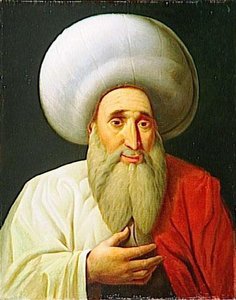
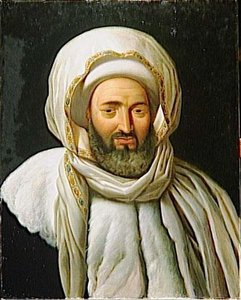
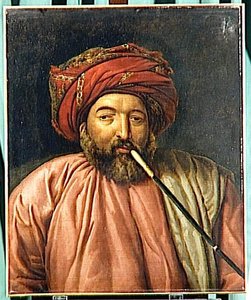
Michel Rigo, born in Genoa, Italy in 1772 and passing away in 1815, occupies a unique position in the annals of art history. He wasn’t merely an artist who depicted Napoleon's Egyptian campaign; he was arguably the first Western portraitist to truly immerse himself within Egyptian society during that period, capturing its people with a sensitivity and detail previously unseen in European representations. While many artists documented the grand spectacle of battles and landscapes, Rigo focused on the faces – the sheikhs, dignitaries, and everyday individuals who constituted the vibrant heart of Egypt. His story is one of artistic opportunity seized amidst political upheaval, a testament to his skill and adaptability. Little is known about his early training, though it’s believed he honed his skills in Genoa before volunteering for service with Napoleon's expedition in 1798. This decision would irrevocably alter the course of his career, propelling him into a world brimming with new subjects, challenges, and artistic possibilities.The Egyptian Campaign: A Stage for Artistic Innovation
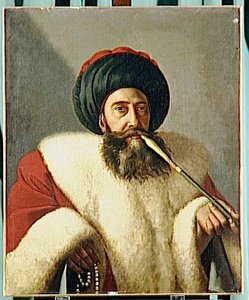
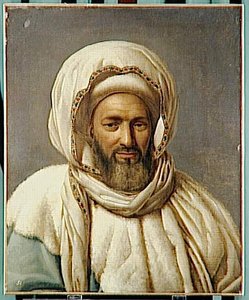
Rigo’s arrival in Egypt coincided with a period of intense cultural exchange – albeit one heavily influenced by colonial power dynamics. Napoleon's campaign wasn’t solely about military conquest; it was also an ambitious project to understand and document the ancient world, fueled by Enlightenment ideals and scientific curiosity. Rigo quickly found himself involved in more than just painting portraits. He designed stage sets for plays celebrating the founding of the French Republic, demonstrating a versatility that extended beyond traditional artistic boundaries. His involvement in these public celebrations highlights his ability to integrate into the social fabric of the campaign and contribute to its propaganda efforts. However, it was his commission from Napoleon himself – to paint a series of portraits of Arab sheikhs serving on the Divan (the Egyptian governing council established by the French) – that cemented his legacy. These weren’t simply official likenesses; they were attempts to portray a sense of collaboration and legitimacy for the French occupation, offering a glimpse into the lives of those who navigated this complex political landscape.Technique and Style: Baroque Influences in an Eastern Setting
Rigo's artistic style is characterized by a distinct Baroque influence, evident in his rich color palettes, dramatic lighting, and attention to detail. He masterfully captured the textures of fabrics, the intricacies of jewelry, and the subtle nuances of facial expressions. His portraits are not starkly realistic; they possess a warmth and humanity that transcends mere representation. The use of warm hues – golds, reds, and browns – evokes a sense of opulence and exoticism, reflecting both the cultural richness of Egypt and the prevailing European aesthetic preferences of the time. He skillfully blended these Western techniques with an emerging understanding of Egyptian aesthetics, creating a unique visual language that set his work apart from other artists documenting the campaign. The portraits often feature subjects adorned in traditional Ottoman attire, further emphasizing their cultural identity and challenging conventional depictions of the “Orient.”Legacy and Historical Significance: Bridging Cultures Through Portraiture
The series of portraits commissioned by Napoleon ultimately found their way to Josephine Bonaparte as part of a divorce settlement, adorning the walls of her mansion at Malmaison. This placement speaks volumes about the value placed on these works – not just as artistic achievements but also as symbols of power and cultural appropriation. Rigo’s paintings became integral to Napoleon's propaganda machine, presenting a carefully curated image of French influence in Egypt. However, beyond their political function, they remain invaluable historical documents, offering a rare glimpse into the lives of Egyptian elites during a period of significant change. He was admitted as a founding member of the Institut d'Égypt’s arts and letters division on August 22, 1798, further solidifying his position within the artistic community. Rigo’s true significance lies in his pioneering role as the first Western artist to consistently portray Egyptian subjects with such sensitivity and detail. He bridged cultures through portraiture, challenging preconceived notions and leaving behind a legacy that continues to fascinate and inspire.Rediscovering Rigo: A Modern Appreciation
While overshadowed by more prominent artists of the Napoleonic era, Michel Rigo’s work is experiencing a renewed appreciation in recent years. Scholars are increasingly recognizing his unique contribution to both art history and cultural studies. His portraits offer a valuable counterpoint to traditional Orientalist depictions, providing a nuanced perspective on Egyptian society during a period of colonial encounter. The rediscovery of his artworks allows us to re-evaluate the complexities of artistic representation, power dynamics, and the enduring legacy of Napoleon's campaign in Egypt. His paintings are not merely historical artifacts; they are windows into a lost world, offering a glimpse into the faces – and lives – that shaped a pivotal moment in history.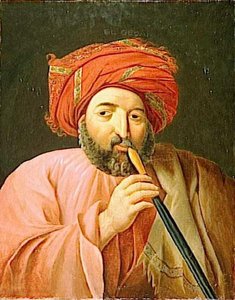
Quick Facts
- Artistic Movement Or Style: Historical Painting
- Full Name: rigo michel
- Notable Artworks: ['Portrait of Napoleon Bonaparte']
Related Articles
Timeless Elegance: The Ultimate Buyer's Guide to Choosing Classical Portraits for Sophisticated Interiors
Discover how to select the perfect classical portrait for your home. Our expert guide explores matching art styles to interiors, choosing between hand-painted oils and Giclée prints, and transforming personal photos into timeless masterpieces with professional artistry.

The Enduring Legacy of Oil on Canvas: Technique, History & Aesthetic Impact
Explore the rich history & techniques of oil painting – from Renaissance masters to Impressionism. Discover pigments, layering methods, and why this timeless medium endures. Expert insights for artists & art enthusiasts.

Oil on Canvas: A Historical & Technical Exploration of a Timeless Artistic Medium
Explore the rich history & enduring techniques of oil painting on canvas. Discover the science behind its longevity, conservation practices, and contemporary relevance. Expert insights for art enthusiasts.
Neo-Classicism's Greatest Hits: 10 Masterpieces for Your Home |
Journey through Neo-Classicism's finest! Explore 10 iconic masterpieces by David, Ingres & Canova. Discover art history, techniques & timeless beauty – perfect for inspiring your home decor. Find museum-quality reproductions at
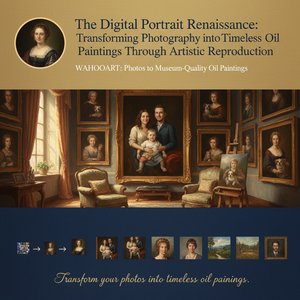
The Digital Portrait Renaissance: Transforming Personal Photography into Timeless Oil Paintings Through Artistic Reproduction
Transform your cherished photos into timeless oil paintings with ArtsDot's expert artists. Museum-quality reproductions & custom portraits, crafted to last a lifetime. Discover the art of personal legacy.