 Preview
 Send
Send Share
Share
 Details

 Download
 Similars
 X-Ray
X-Ray Diaporama
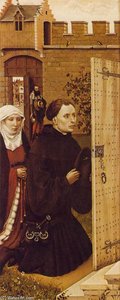
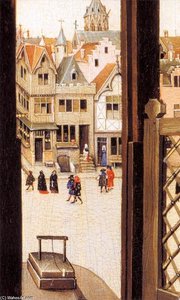
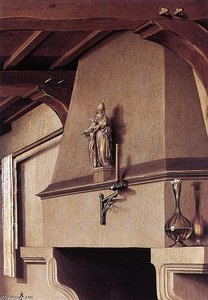
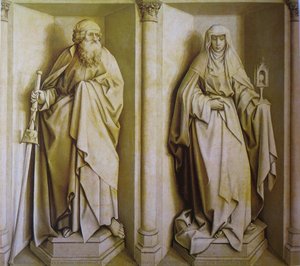
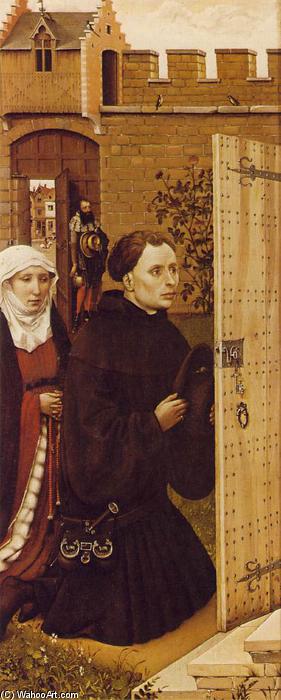
Mérode Altarpiece (left wing)
 Oil On Panel
- Early Netherlandish Painting
 1427
1427- Late Medieval
 64.0 x 27.0 cm
 Metropolitan Museum of Art
 Read More
Hand Made Oil Reproduction
Hand-painted oil on canvas in your size and frame, made to order by our artists. ( Buy Print Buy Image)




P118B $10

P118H $10

P118W $10

P438Z $10

P508JH $12

P508YH $12

P805H $10

P805Z $10

P919BZ $10

P919G $10

P919XJ $10

P959ZH $10

P968JZ $12

W106C $8

W218G $10

W218JH $8

W218Y $10

W307PJ $10

W316G $10

W316PJ $8

W316Y $10

W398PJ $8

W4111J $10

W500HY $15

W500JH $15

W692G $12

W849H $8

W940BG $15

W953PJ $8




Pick from our preset sizes that match the artwork's original proportions.

You may enter your own dimensions to fit a specific frame or space. If your selected size does not match the original image's proportions, we will either crop the artwork or extend the painting with additional hand-painted elements. A digital mockup will be sent for your approval before production begins.
Please note that the on-screen preview does not reflect the actual cropping or extension. Only the mockup will accurately show the final composition.
While custom sizes are available, we recommend selecting a dimension from the predefined list to preserve the original proportions.
After order, ArtsDot.com team will email client for instructions and provide a mockup preview
Worldwide Delivery () in 3/4 weeks instead of standard 5 weeks. (16 August). No compromise on quality.

Free Worldwide Express Shipping

High-Quality Linen Canvas

Full Shipping Insurance

Customs Tax Refund Guarantee

True Color Matching Guarantee

60-Day Return Policy (Defects Only)

100% Money-Back Guarantee

Bulk Discount Offer
 Glass option is only available in size under 110 CM

Mérode Altarpiece (left wing)
Reproduction Medium
Reproduction Size
-


Total Price
$ 263
Artwork Description
Mérode Altarpiece - A Cornerstone of Early Netherlandish Painting
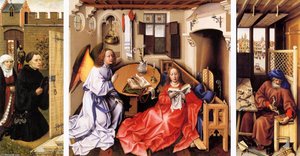
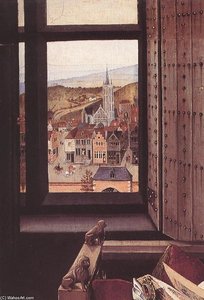
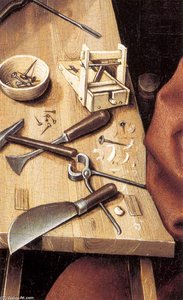
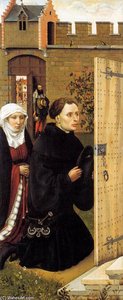
The Mérode Altarpiece stands as an unparalleled exemplar of Early Netherlandish painting—a testament to meticulous craftsmanship and profound artistic vision that continues to captivate audiences centuries later. Completed around 1425-28 by Robert Campin, alongside his workshop assistants, this monumental triptych resides in The Cloisters museum in New York City, offering visitors an immersive experience into the aesthetic sensibilities of fifteenth-century Flanders. Its enduring fame stems not merely from its visual splendor but also from its pivotal role in establishing a new artistic paradigm—one characterized by unprecedented realism and psychological depth.- Artist & Context: Robert Campin (Master of Flémalle), active in Tournai, represents a crucial juncture between Gothic formalism and Renaissance innovation. He was deeply influenced by the International Gothic style, particularly the Limbourg brothers’ luminous frescoes, yet simultaneously pushed boundaries through groundbreaking advancements in oil painting technique—a medium that would soon dominate European art production.
- Composition & Technique: The altarpiece's dramatic perspective—drawing viewers downwards into a carefully orchestrated space—is remarkably sophisticated for its time. Campin skillfully employed glazing techniques to achieve luminous effects and subtle tonal gradations, capturing the textures of stone, fabric, and skin with astonishing accuracy. The meticulous layering of paint demonstrates an unwavering commitment to observation and detail, reflecting the humanist ideals burgeoning across Europe.
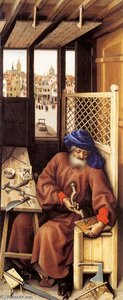
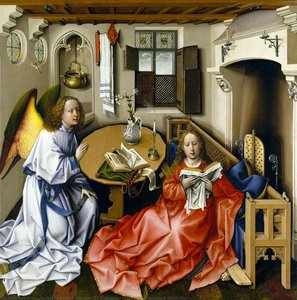
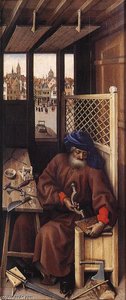
- Symbolism & Narrative: Beyond its visual beauty, the Mérode Altarpiece is laden with religious symbolism. The central panel depicts the Annunciation—the divine revelation to Mary that she would conceive Jesus—a scene rendered with poignant tenderness and psychological realism. The inclusion of a firescreen symbolizes Mary’s purity and piety, while the depiction of Saint Joseph embodies paternal dignity and steadfast devotion.
- The Workshop Contribution: While Campin undoubtedly conceived the central panel, the outer wings were executed by members of his workshop, adding to the complexity of its artistic heritage. These panels showcase a distinct stylistic approach—characterized by softer brushstrokes and a more decorative aesthetic—reflecting the evolving tastes of patrons during this period.
- Legacy & Influence: The Mérode Altarpiece profoundly impacted subsequent generations of artists, establishing precedents for naturalistic representation and emotional expression that would define the Renaissance. Its influence can be discerned in works by Jan van Eyck, Rogier van der Weyden, and Hieronymus Bosch—artists who embraced Campin’s innovations and elevated Early Netherlandish painting to new heights of artistic achievement.
Related Artworks
Artist Biography
The Dawn of Netherlandish Realism: The Legacy of Robert Campin
In the misty, burgeoning landscape of the fifteenth-century Low Countries, a transformative vision began to take shape, forever altering the trajectory of Western art. At the heart of this revolution stood Robert Campin, an artist whose name is now inextricably linked with the Master of Flémalle. Born around 1375 in Valenciennes, France, Campin emerged from a period of transition, bridging the gap between the stylized elegance of the International Gothic and the profound, tactile realism that would define the Northern Renaissance. While much of his early life remains veiled by the shadows of history, his presence in Tournai for over three decades established him as a titan of the Flemish tradition, a master whose brushwork breathed life into the divine through the lens of the everyday.
The evolution of Campin’s artistry was not merely a personal journey but a technical conquest. He was among the earliest and most daring pioneers to embrace the medium of oil painting, moving away from the flatter, more opaque qualities of tempera. This mastery of oil allowed him to achieve an unprecedented luminosity, capturing the way light dances across polished brass, settles into the heavy folds of velvet, or glimmers upon a single drop of water. Through this innovation, Campin did not just paint subjects; he sculpted them with light and shadow, creating a sense of weight and presence that felt startlingly immediate to his contemporary viewers.
Symbolism Within the Domestic Sphere
What truly distinguishes the work of Robert Campin is his ability to weave the sacred into the seemingly mundane. To look upon a masterpiece like the Mérode Altarpiece is to enter a world where every object carries a whispered prayer. In his hands, a domestic interior—a quiet room filled with the familiar clutter of middle-class life—becomes a stage for profound theological truths. This technique, often referred to as disguised symbolism, invites the viewer to look closer, finding the miraculous hidden within the ordinary.
In these sacred narratives, nothing is accidental:
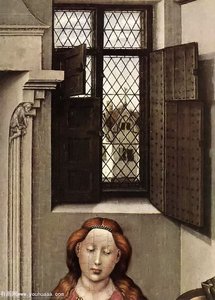
- The Annunciation: Within a contemporary Flemish parlor, the arrival of the Angel Gabriel is marked by subtle cues, where light streaming through a window serves as a metaphor for divine grace.
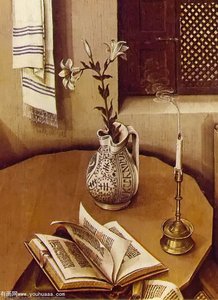
- Everyday Objects: A simple basin of water or a clean towel represents purity, while the flickering candle or the humble flora in a vase speaks to the omnipresence of the Holy Spirit.
- Texture and Detail: The meticulous rendering of wooden furniture, heavy drapery, and ceramic vessels grounds the spiritual event in a tangible, human reality that resonates with emotional depth.
A Lasting Influence on the Northern Renaissance
The historical significance of Robert Campin cannot be overstated. Alongside contemporaries like Jan van Eyck, he laid the foundational stones for the development of Early Netherlandish painting. While Van Eyck is often celebrated for his ethereal perfection, Campin provided a more robust, grounded realism—a style that emphasized the physical presence and psychological weight of his figures. His influence rippled through the workshops of Tournai and beyond, shaping the next generation of painters, including Jacques Daret, who carried forward the traditions of Flemish precision.
Though some of his works were once attributed to the anonymous "Master of Flémalle," modern scholarship has largely unified these identities, recognizing the singular, powerful voice behind the panels. His ability to marry the spiritual with the material created a visual language that would dominate Northern Europe for decades. Today, when we gaze upon his surviving altarpieces and devotional panels, we are not merely looking at relics of the past; we are witnessing the very moment when art learned to see the world with new, unblinking eyes, finding the eternal within the ephemeral beauty of human existence.
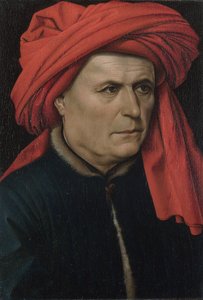
robert campin (master of flemalle)
1375 - 1444 , France
Quick Facts
- Artistic Movement Or Style: Early Netherlandish Painting
- Artists Who Influenced This Artist: ['Jan van Eyck']
- Date Of Birth: ca. 1375 Valenciennes
- Date Of Death: 1444 Tournai
- Full Name: Robert Campin
- Nationality: Flemish
- Notable Artworks:
- Mérode Altarpiece
- Portrait of a Man
- Place Of Birth: Tournai, Belgium
Related Articles
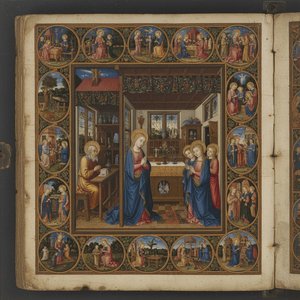
Robert Campin: Pioneering Realism & Spiritual Depth in Early Netherlandish Painting
Explore the revolutionary work of Robert Campin, a pioneer of Early Netherlandish painting. Discover his naturalistic style, religious symbolism in masterpieces like the Mérode Altarpiece, and lasting influence on art history.

Giclée Prints: Archival Quality & Aesthetic Nuances for the Discerning Collector
Explore the world of giclée prints with ArtsDot. Learn about archival quality, aesthetic nuances & investment potential. Expert guidance for discerning art collectors seeking museum-quality reproductions and lasting value.

The Enduring Legacy of Fine Art Prints: Technique, History & Aesthetic Impact
Explore the rich history & techniques of fine art prints. Discover investment potential, assess authenticity, and learn how to preserve your collection with expert guidance. Trusted insights for discerning collectors.

Early Netherlandish Masters: 10 Paintings That Revolutionized Art & Decor
Journey into the world of Early Netherlandish painting! Explore 10 masterpieces by Jan van Eyck, Rogier van der Weyden & more. Discover stunning detail, symbolism & Renaissance art for your home decor. Find museum-quality reproductions on ArtsDot.com

Oil on Canvas: A Historical & Technical Exploration of a Timeless Artistic Medium
Explore the rich history & enduring techniques of oil painting on canvas. Discover the science behind its longevity, conservation practices, and contemporary relevance. Expert insights for art enthusiasts.